
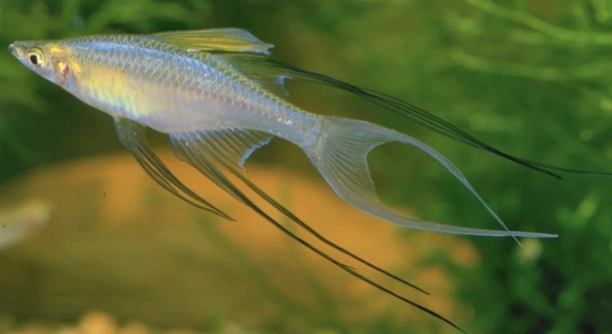
Threadfin Rainbowfish are known for their shimmering colors and peaceful nature, often swimming together in groups. Observing them separate suddenly can be surprising, especially when they normally move in unison. This behavior can feel concerning for any aquarist.
Sudden separation of Threadfin Rainbowfish is usually caused by stress, environmental changes, or health issues. Factors such as poor water quality, aggressive tankmates, or sudden shifts in temperature can trigger this dispersal behavior. Monitoring conditions helps maintain group cohesion.
Understanding why these fish separate can help improve tank care and ensure their wellbeing. Paying attention to subtle cues can prevent future disruptions in their social behavior.
Stress Factors Affecting Threadfin Rainbowfish
Threadfin Rainbowfish are sensitive to stress, and it can cause them to separate unexpectedly. Common stressors include overcrowded tanks, sudden changes in lighting, or loud noises near the aquarium. Even small disturbances, like moving decorations or shifting tank equipment, can make them uneasy. Stress often shows through erratic swimming, hiding, or loss of appetite. Fish that are stressed for long periods can become more prone to disease and may avoid their usual companions. Observing their behavior daily can help you spot stress before it escalates. Keeping a stable environment with consistent water conditions, temperature, and minimal disturbances reduces anxiety. Adding hiding spots like plants or rocks can make them feel secure. Feeding them a balanced diet at regular times also helps maintain calm behavior. Stress management is a key part of maintaining a healthy group of Rainbowfish and keeping them together.
Stress in Rainbowfish often appears suddenly and can lead to lasting behavioral changes.
Providing stable conditions and predictable routines is essential to prevent ongoing separation. Observing your fish closely, ensuring tank mates are compatible, and maintaining water quality are practical steps. Stress management isn’t complicated, but consistent care is crucial. Adjusting feeding schedules, reducing sudden movements, and keeping noise low makes a big difference. Even small improvements like adding plants or creating shaded areas can restore confidence. Understanding their signals, like darting or hiding, lets you intervene early. Over time, a calm and stable environment allows Rainbowfish to feel secure, swim together, and regain normal behavior.
Water Quality and Temperature Changes
Poor water quality and temperature swings can disrupt Rainbowfish groups quickly.
Even minor fluctuations in temperature or chemical levels can stress Threadfin Rainbowfish, prompting them to separate. High ammonia, nitrite, or nitrate levels are especially harmful.
Maintaining clean water is one of the most important steps in keeping Rainbowfish healthy and cohesive. Regular water testing helps track parameters like pH, hardness, and temperature. Ideal temperatures usually range between 23–28°C, and abrupt drops or rises can cause immediate stress. Filtration should be efficient but gentle, avoiding strong currents that can push fish apart. Routine water changes, around 20–30% weekly, help remove toxins and keep conditions stable. Introducing new water slowly avoids shocking the fish. Even small adjustments, like removing decaying plant material or uneaten food, contribute to better water quality. Fish that swim in stable, well-maintained water show more social behavior and less separation. Combining careful monitoring with preventive maintenance supports their health, ensures consistent behavior, and helps maintain the vibrant group dynamics that make them enjoyable to watch.
Aggressive Tankmates
Aggressive tankmates can cause Threadfin Rainbowfish to scatter. Fish that nip fins or chase others create tension, prompting separation.
Keeping peaceful species together is crucial. Aggressive fish disturb the group, forcing Rainbowfish to hide or swim alone. Even occasional chasing can make them uneasy. Observing interactions helps identify troublemakers quickly. Sometimes rearranging tank decorations or providing more hiding spots reduces aggression.
Aggression often increases during feeding or breeding periods. Rainbowfish may become stressed if larger or more dominant fish compete for food or space. Consistent observation and timely intervention, such as separating aggressive fish or adding plants, maintain harmony. Maintaining compatible species and structured tank zones ensures Rainbowfish remain calm and cohesive, encouraging healthy social behavior.
Health and Disease Issues
Illness can lead to sudden separation in Threadfin Rainbowfish. Sick fish may isolate themselves to recover or avoid conflict.
Common health problems include parasites, bacterial infections, and swim bladder issues. Early signs are sluggish movement, clamped fins, or loss of appetite. Quarantining sick fish prevents the spread of disease.
Proper nutrition, clean water, and stable environmental conditions reduce the risk of illness. Regularly checking water parameters and monitoring fish behavior allows early detection of problems. A balanced diet supports immune function, helping Rainbowfish resist infections. Addressing health issues promptly restores social cohesion and keeps the group active. Keeping up with tank maintenance ensures fish remain healthy, reducing stress-induced separation.
Overcrowding in the Tank
Too many fish in one tank forces Threadfin Rainbowfish to separate. Limited space increases stress and reduces swimming freedom.
Overcrowding also strains filtration systems, causing poor water quality. Fish may compete for food and hiding spots, leading to tension. Keeping an appropriate number of fish helps maintain a peaceful group.
Incompatible Social Behavior
Some Rainbowfish have different activity levels or personalities. Less active or timid individuals may avoid more dominant group members, creating temporary separation.
Lighting and Environmental Changes
Sudden changes in lighting or rearranged decorations can startle Rainbowfish. Gradual adjustments help them adapt and return to normal group swimming.
Feeding Practices
Uneven or irregular feeding may lead to competition. Rainbowfish that feel rushed or starved often isolate themselves to eat safely.
FAQ
Why do Threadfin Rainbowfish suddenly swim apart?
They often separate due to stress, environmental changes, health issues, or aggressive tankmates. Even small changes in water quality, temperature, or lighting can cause them to scatter. Overcrowding or incompatible species can also push them to isolate themselves temporarily. Observing their behavior carefully helps identify the exact cause.
How can I reduce stress in my Rainbowfish?
Maintaining stable water parameters, consistent lighting, and a calm environment is key. Avoid sudden movements near the tank, provide hiding spots with plants or decorations, and keep tankmates peaceful. Regular feeding at scheduled times also helps reduce anxiety and encourages group cohesion.
Can poor water quality cause separation?
Yes. High ammonia, nitrites, nitrates, or sudden temperature changes can make Rainbowfish uncomfortable. Regular water testing, proper filtration, and partial water changes keep water safe. Stable, clean water encourages normal social behavior and keeps the group together.
What signs show my Rainbowfish are stressed or ill?
Look for clamped fins, hiding more than usual, loss of appetite, or erratic swimming. Lethargy, unusual color changes, or gasping at the surface can indicate illness. Early recognition allows for faster intervention and prevents further separation.
Do aggressive tankmates affect their behavior?
Absolutely. Fin-nipping, chasing, or dominant behavior causes Rainbowfish to scatter. Introducing peaceful species and rearranging decorations can reduce tension. If necessary, separate aggressive fish to restore harmony.
How does overcrowding influence separation?
Too many fish in one tank limit space for swimming and hiding. Competition for food and territory increases stress, causing individuals to isolate. Keeping an appropriate number of Rainbowfish prevents this problem and supports normal social behavior.
Can feeding practices cause group separation?
Yes. Uneven or irregular feeding can create competition, making timid fish isolate to eat safely. Providing small portions and feeding in multiple areas helps reduce stress and encourages the group to stay together.
How do lighting and environmental changes affect them?
Sudden changes in lighting, water flow, or tank arrangement can startle Rainbowfish. Gradual adjustments allow them to adapt and maintain group swimming. Providing consistent conditions helps them feel secure and reduces unexpected separation.
How do I restore a separated group?
Identify and address the source of stress, illness, or aggression. Stabilize water conditions, ensure proper feeding, and provide hiding spots. Once the environment is calm and predictable, Rainbowfish naturally return to swimming together over time.
Can personality differences cause separation?
Yes. Some Rainbowfish are more timid or less active. These individuals may avoid dominant or active fish temporarily. Providing ample space and visual barriers helps less confident fish feel safe and gradually reintegrate into the group.
Is it normal for Rainbowfish to occasionally separate?
Occasional separation is natural, especially during feeding or minor disturbances. Persistent or extreme separation usually signals stress, health issues, or environmental problems that need attention. Regular monitoring ensures they remain healthy and socially cohesive.
How often should I check the tank for issues?
Daily observation of behavior, water conditions, and tank cleanliness is recommended. Noticing small changes early prevents larger problems that can lead to persistent separation. Consistent monitoring allows timely adjustments to maintain harmony.
Can breeding affect their social structure?
During breeding, males may become more territorial or chase others, causing temporary separation. Providing plants, hiding spots, and sufficient space reduces conflict and helps maintain group cohesion even during mating periods.
Do decorations influence their group behavior?
Yes. Properly placed plants and hiding spots offer security, reduce stress, and encourage Rainbowfish to swim together. Sudden rearrangement can disrupt their routine and cause temporary separation. Gradual changes are best for maintaining stability.
How long does it take for a group to reunite?
The time varies depending on the cause of separation. Stress, water quality, or minor disturbances may resolve in a few hours to days. Illness or aggressive tankmates may take longer. Correcting the underlying issue is essential for faster reintegration.
Are some fish more prone to separation than others?
Individual temperament matters. Timid, smaller, or weaker fish may separate more often than dominant or confident ones. Providing safe spaces, consistent care, and compatible tankmates helps these fish feel secure and maintain social behavior.
Can water temperature alone cause separation?
Yes. Rainbowfish prefer stable temperatures. Sudden drops or spikes can stress them, causing separation. Using a reliable heater and thermometer ensures consistent temperatures, helping the group remain cohesive and active.
Does diet affect social behavior?
Proper nutrition supports immune health and reduces stress. Malnutrition or irregular feeding increases vulnerability to illness and erratic behavior, which can lead to separation. Balanced, regular feeding keeps them healthy and socially active.
What immediate steps should I take if fish separate suddenly?
Check water quality, observe tankmates, and ensure proper feeding. Look for illness signs and reduce sudden disturbances. Addressing stressors quickly helps Rainbowfish regain normal social patterns and reduces long-term separation.
How do I prevent future separation?
Maintain stable water conditions, compatible tankmates, appropriate population density, regular feeding, and a calm environment. Consistent monitoring and timely adjustments prevent stress, disease, and behavioral issues that cause separation.
Are young Rainbowfish more likely to separate?
Juveniles are often more sensitive to stress, changes in environment, and aggressive fish. They may separate more frequently but usually reintegrate once they grow and adapt. Providing extra hiding spots supports their confidence.
Can seasonal changes affect group behavior?
Seasonal temperature or lighting shifts can influence activity and social behavior. Gradual adjustments or maintaining controlled indoor conditions help Rainbowfish stay cohesive throughout the year.
Is it normal for only a few fish to separate?
Yes, especially if individual temperament or hierarchy influences interactions. Persistent isolation of certain fish usually indicates stress, health issues, or bullying, which should be addressed to restore group harmony.
How do I know if separation is serious?
Separation becomes serious if it persists for days, coincides with illness signs, or involves aggressive interactions. Identifying and correcting underlying causes is crucial for the wellbeing of the entire group.
Does tank size influence separation?
Small tanks limit swimming space and hiding spots, increasing stress and competition. Larger, well-decorated tanks provide room for all fish, reducing separation and promoting natural schooling behavior.
Can adding new fish cause separation?
Yes. Introducing new fish can temporarily stress existing Rainbowfish, leading to isolation. Gradual introductions, quarantine periods, and providing hiding spots minimize disruption and help groups readjust smoothly.
How often should I monitor Rainbowfish behavior?
Daily observation is ideal. Tracking swimming patterns, interactions, and feeding behavior helps spot stress, illness, or aggression early, preventing prolonged separation and ensuring a healthy, cohesive group.
Are all Rainbowfish equally sensitive to environmental changes?
No. Individual differences exist. Some adapt quickly, while others are more sensitive. Ensuring stable conditions and adequate hiding spots accommodates all personalities, supporting group cohesion and reducing separation.
Can poor filtration lead to separation?
Yes. Inefficient filtration can degrade water quality, increasing stress and causing fish to scatter. Proper filtration, combined with regular water changes, keeps the environment clean and reduces separation tendencies.
Does noise or vibration affect them?
Loud sounds or vibrations can startle Rainbowfish, prompting temporary separation. Keeping the tank in a quiet, stable area minimizes disturbances and supports calm social behavior.
How do I encourage shy fish to rejoin the group?
Provide safe spaces, reduce disturbances, and maintain consistent care. Timid fish often rejoin once they feel secure. Patience and stable conditions help restore normal group swimming.
Can temperature fluctuations affect breeding behavior?
Yes. Temperature shifts can influence breeding activity, causing males to become territorial. Stable temperatures reduce stress and help maintain social balance even during mating periods.
Are temporary separations harmful?
Occasional, short-term separations are usually harmless. Persistent or repeated isolation may indicate deeper issues like stress, illness, or aggression that require intervention to protect overall group health.
Does the number of hiding spots matter?
Absolutely. Adequate hiding spots reduce stress, allow timid fish to feel secure, and prevent prolonged separation. Insufficient shelter increases anxiety and can cause frequent scattering.
How do I balance social needs and tank size?
Ensure the tank is large enough for the number of Rainbowfish, with enough hiding spots and swimming space. Avoid overcrowding and choose compatible species to maintain healthy group behavior.
Can lighting cycles influence separation?
Yes. Consistent lighting helps Rainbowfish feel secure. Sudden changes or extreme brightness can stress them, leading to temporary scattering. Gradual adjustments help maintain normal social patterns.
How long does it take for behavior to normalize after stress?
It depends on the cause. Minor stress may resolve in hours, while illness, aggression, or poor water quality may take days or weeks. Correcting the root issue is essential for recovery.
Can sudden temperature drops cause illness?
Yes. Cold stress weakens the immune system, making Rainbowfish more susceptible to disease. Stable, appropriate temperatures are essential to prevent separation caused by illness.
Does tank layout affect separation?
Yes. Open swimming space combined with hiding spots promotes normal schooling. Poorly arranged tanks can cause timid fish to isolate and reduce social cohesion.
Can overfeeding or underfeeding influence behavior?
Yes. Overfeeding can foul water, while underfeeding creates competition. Both increase stress and may cause separation. Consistent, measured feeding supports calm, cohesive groups.
Are older Rainbowfish less prone to separation?
Older, more experienced fish often handle stress better than juveniles. They adapt faster to environmental changes and maintain group cohesion more reliably.
Does introducing plants help reduce separation?
Yes. Plants provide shelter, reduce stress, and allow timid fish to feel secure. Natural cover supports group cohesion and encourages normal swimming behavior.
Is sudden fin damage a reason for isolation?
Yes. Fish with damaged fins may isolate to avoid aggression or reduce stress. Proper care and compatible tankmates help injured fish reintegrate safely.
Can water hardness affect behavior?
Extreme water hardness can stress Rainbowfish, causing separation. Maintaining moderate hardness levels suited to the species ensures comfort and promotes social behavior.
Do seasonal feeding adjustments matter?
Yes. Adjusting feeding for activity changes ensures fish get enough nutrition without overfeeding, reducing stress and maintaining group cohesion.
Can illness spread quickly in separated fish?
Yes. Isolated fish may already be sick, and if untreated, disease can spread. Quarantine and prompt care prevent broader group impact.
Does regular observation improve social cohesion?
Absolutely. Daily monitoring detects stress, illness, or aggression early. Prompt action keeps Rainbowfish healthy and reduces prolonged separation.
Can tankmates with different swimming speeds cause separation?
Yes. Faster or more aggressive swimmers may intimidate slower fish, leading to temporary isolation. Providing adequate space and hiding areas balances group interactions.
How do I know if water parameters are optimal?
Regular testing for temperature, pH, hardness, and nitrates ensures stable conditions. Optimal parameters reduce stress and help Rainbowfish remain cohesive.
Are Rainbowfish sensitive to sudden room changes?
Yes. Moving the tank or sudden vibrations can stress fish. Minimizing disturbances helps maintain calm and consistent group behavior.
Do some Rainbowfish recover faster than others?
Yes. Personality and health affect recovery time. Timid or weaker fish may take longer, while confident individuals reintegrate quickly once stressors are removed.
Can temporary separation affect breeding?
Prolonged isolation may delay breeding. Stress-free, stable environments encourage normal reproductive behavior and help maintain a cohesive group.
Is it normal for Rainbowfish to separate at night?
Short-term nighttime separation can occur as fish rest or seek shelter. Persistent nighttime isolation may indicate stress, illness, or environmental issues.
Can adding floating plants reduce separation?
Yes. Floating plants provide cover, reduce stress, and give shy fish confidence to remain near the group.
Do water changes affect social behavior?
Sudden or large water changes can stress Rainbowfish. Gradual changes maintain stability and reduce temporary separation.
Are Threadfin Rainbowfish more sensitive than other species?
They are moderately sensitive to environmental changes, tankmates, and stress. Proper care ensures cohesive group behavior and minimizes separation tendencies.
Can overcrowded filtration cause stress?
Strong currents from overpowered filters may separate timid fish. Gentle, well-distributed flow supports calm swimming and group cohesion.
Do Rainbowfish remember stressful events?
They can associate areas or situations with stress, affecting behavior temporarily. Gradual changes and consistent care help them regain confidence.
How important is tank placement for social behavior?
Tank location affects stress. Quiet, stable areas reduce disturbances, helping Rainbowfish maintain normal social patterns and preventing unnecessary separation.
Can water additives influence separation?
Certain medications or water treatments may stress fish if used incorrectly. Following guidelines ensures safety and reduces disruption to group behavior.
Is it safe to mix Threadfin Rainbowfish with other species?
Yes, if tankmates are peaceful, similar in size, and non-aggressive. Proper selection prevents chasing, stress, and separation.
Do Rainbowfish ever permanently separate?
Permanent separation is rare and usually indicates ongoing stress, illness, or aggression. Addressing root causes restores social cohesion in most cases.
Does filtration noise matter?
Yes. Loud or vibrating filters can disturb fish. Quiet, stable equipment helps maintain calm, cohesive behavior.
Can rapid temperature changes cause panic swimming?
Yes. Sudden changes can startle Rainbowfish, causing erratic movement and temporary separation. Gradual adjustments prevent this reaction.
Is it normal for fish to hide for long periods?
Short hiding periods are normal. Extended hiding may indicate stress, illness, or aggression requiring attention.
Does the number of males and females matter?
Yes. Imbalanced ratios can lead to dominance, stress, and separation. Maintaining a balanced ratio promotes harmony.
Can aquarium decorations reduce aggression?
Yes. Plants, rocks, and hiding spots provide refuge and reduce conflict, helping Rainbowfish stay together.
Do Rainbowfish prefer specific water flow rates?
Moderate, gentle flow is ideal. Strong currents can stress timid fish and cause separation.
Are there seasonal behavior changes?
Activity levels may fluctuate with temperature and light. Minor separations can occur naturally, but extreme behavior usually signals stress or environmental issues.
Can multiple stressors combine to cause separation?
Yes. Overcrowding, poor water quality, aggressive fish, and environmental changes together amplify stress and increase separation frequency.
How do I track long-term behavior patterns?
Keep notes on swimming patterns, interactions, feeding, and hiding. This helps identify triggers for separation and maintain a healthy, cohesive group.
Can feeding frequency influence group cohesion?
Yes. Regular, evenly distributed feeding reduces competition and supports calm, collective swimming behavior.
Do Rainbowfish form strong social bonds?
Yes. They naturally swim in schools. Disruption in social bonds often indicates stress, illness, or environmental problems that need correction.
Can sudden lighting changes cause panic?
Yes. Bright or sudden lighting can startle fish, causing temporary scattering. Gradual lighting changes maintain calm behavior.
Are some tank layouts better than others?
Yes. Open swimming areas combined with hiding spots support schooling behavior and reduce separation. Poor layouts increase stress and conflict.
Does water chemistry stability matter?
Absolutely. Stable pH, hardness, and nitrate levels reduce stress and prevent Rainbowfish from separating.
Can adding slow-moving tankmates help?
Yes. Peaceful, slow-moving fish reduce competition and stress, allowing Rainbowfish to maintain cohesion.
Do Rainbowfish recover quickly from minor stress?
Usually. Once environmental issues or mild disturbances are resolved, they return to normal schooling behavior.
Can improper acclimation cause separation?
Yes. Sudden introduction to new tanks without gradual acclimation can stress Rainbowfish, leading to temporary isolation.
Does tank size influence aggression?
Yes. Larger tanks reduce competition and territorial disputes, helping maintain calm, cohesive groups.
Can regular observation prevent long-term separation?
Yes. Monitoring behavior, water quality, and tankmates helps detect problems early and maintain healthy group dynamics.
Do Rainbowfish need hiding spots even in large tanks?
Yes. Hiding spots provide security for timid fish, preventing unnecessary separation and supporting natural behavior.
How important is feeding location?
Feeding in multiple areas prevents competition, reduces stress, and encourages all fish to stay together.
Can water temperature swings affect juvenile fish more?
Yes. Young Rainbowfish are more sensitive to temperature changes, which can cause temporary isolation. Gradual stabilization helps them integrate.
Does overstocking always lead to separation?
Not always, but it increases stress and competition, which can result in fish scattering. Proper stocking density reduces this risk.
Are Rainbowfish sensitive to vibrations from nearby activity?
Yes. Vibrations from movement or appliances can stress fish, causing temporary separation. Quiet placement helps maintain cohesion.
Can poor diet influence behavior long-term?
Yes. Nutritional deficiencies weaken immunity and increase stress, which may cause repeated separation and affect overall group health.
Does frequent water testing disturb them?
Minimal disturbance is usually fine. Gentle, careful testing avoids stress that could trigger temporary separation.
Can bright tank backgrounds affect behavior?
High-contrast or reflective backgrounds may startle timid fish. Natural or neutral backgrounds reduce stress and encourage cohesive swimming.
Do Rainbowfish prefer group living?
Yes. They are schooling fish. Maintaining a stable, safe environment ensures they swim together naturally and reduces separation incidents.
Can tankmates that eat differently cause stress?
Yes. Aggressive feeders or incompatible diets can create competition, prompting timid Rainbowfish to isolate. Balanced feeding prevents this.
Is isolation ever beneficial?
Short-term isolation can help sick or stressed fish recover. Long-term isolation usually indicates an issue that must be addressed.
Do Rainbowfish react to reflections in the glass?
Yes. Reflections can confuse or stress them. Minimizing reflective surfaces reduces unnecessary separation or panic swimming.
Can introducing new decorations suddenly cause panic?
Yes. Sudden changes may stress fish. Gradual introduction allows adaptation and maintains group cohesion.
How do I handle fin damage in the group?
Separate or protect injured fish temporarily. Maintain calm tank conditions to prevent aggression and allow healing.
Can temperature changes affect feeding behavior?
Yes. Fish may eat less or compete more under stress, which can increase isolation. Stable temperatures support normal feeding and social behavior.
Are Rainbowfish affected by loud music or vibrations?
Yes. Strong vibrations or loud sounds can stress them, causing temporary separation. Keeping tanks in quiet areas helps.
Can overstocking combined with aggressive species cause permanent separation?
Persistent stress from overstocking and aggressive fish may lead to long-term isolation. Reducing numbers and ensuring
Final Thoughts
Threadfin Rainbowfish are beautiful, active fish that naturally prefer to swim together. Their schooling behavior is a key part of their wellbeing, and sudden separation can indicate stress, illness, or environmental problems. Understanding the reasons behind this behavior is essential for keeping them healthy and happy in a home aquarium. Often, what seems like a simple act of swimming apart is a signal that something in their environment needs attention. Observing the fish daily and paying attention to small changes in behavior can help prevent long-term issues and maintain a peaceful tank.
Maintaining stable water conditions is one of the most important factors in preventing separation. Rainbowfish are sensitive to changes in temperature, pH, hardness, and chemical levels. Sudden fluctuations can stress them, causing them to scatter or isolate themselves. Regular water testing, partial water changes, and using reliable filtration help keep their environment consistent. Even minor adjustments, like removing uneaten food, decaying plants, or other waste, contribute to a healthier habitat. Combining these steps with a carefully chosen tank size and layout creates enough space for the fish to swim freely, hide when needed, and interact comfortably as a group.
Behavioral factors also play a major role in group cohesion. Aggressive or incompatible tankmates, overcrowding, and irregular feeding can all lead to separation. Providing hiding spots with plants or decorations reduces tension and allows timid fish to feel secure. Feeding small portions at multiple locations prevents competition and encourages calm social behavior. Health is another key factor. Illness or injury can cause fish to isolate themselves, and early detection is crucial. By monitoring both the physical and social wellbeing of Rainbowfish, adjusting environmental factors, and ensuring proper nutrition, owners can create a stable, stress-free environment. Over time, these steps help Rainbowfish regain normal behavior, swim together naturally, and enjoy a healthier, more active life in the aquarium.

Hello,
If you enjoy the content that we create, please consider saying a "Thank You!" by leaving a tip.
Every little bit helps us continue crafting quality advice that supports the health, happiness, and well-being of pets around the world, for pets of all shapes, sizes, and species.
We really appreciate the kindness and support that you show us!