
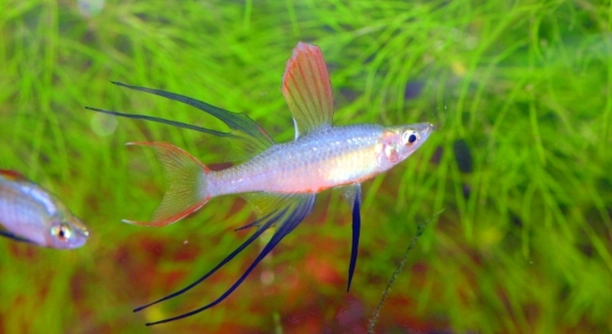
Introducing threadfin fry to a new environment can be both exciting and delicate. Ensuring they adapt well requires careful attention to water conditions, diet, and compatibility with other species in the tank. Early care sets the stage for healthy growth.
The process of introducing threadfins to fry involves gradual acclimation, careful monitoring of water quality, and controlled feeding. Providing appropriate hiding spaces and minimizing stress are essential to ensure survival rates and promote healthy development in juvenile fish.
Proper preparation and observation can make a significant difference in the fry’s growth and long-term well-being. Understanding these steps ensures a smoother transition for your young threadfins.
Preparing the Tank for Threadfin Fry
Before introducing threadfin fry, it is important to create a stable and safe environment. The tank should be thoroughly cleaned, with any harmful residues removed, and water parameters carefully balanced. Temperature should be consistent, ideally within the range suitable for juvenile threadfins, while pH and hardness levels should mimic natural conditions. Adding gentle filtration ensures proper oxygenation without creating strong currents that could stress the fry. Live plants or soft decorations provide hiding spaces that reduce stress and encourage natural behaviors. Avoid overcrowding, as too many fry can lead to competition for food and slower growth. Regularly test water quality, paying attention to ammonia and nitrite levels, as fry are highly sensitive. Gradual adjustments are preferable over sudden changes to prevent shock. Feeding should start with small, frequent portions of high-quality micro-foods suitable for juvenile fish. Observing fry behavior will help identify early signs of stress or illness. Consistent care creates a foundation for healthy development and growth.
Maintaining stable water conditions, providing hiding spots, and careful feeding greatly improve the survival and development of threadfin fry.
With proper preparation, the tank becomes a safe environment where fry can explore, feed, and grow with minimal stress. Over time, they learn to navigate their surroundings, strengthening their resilience and adaptability. The combination of consistent water quality, gentle filtration, and well-chosen decorations supports natural behaviors and reduces mortality rates. Careful observation allows early intervention if any issues arise, such as irregular swimming patterns or uneven growth. Introducing fry gradually while monitoring their health ensures they thrive and reach juvenile maturity. Providing an environment that closely mimics their natural habitat fosters confidence and reduces stress, making feeding and social interactions more predictable. By maintaining a structured routine and paying attention to minor changes, you give your threadfin fry the best chance to grow strong and healthy, setting the stage for successful long-term care.
Feeding and Nutrition
Balanced nutrition is crucial for growing threadfin fry. Small, frequent meals of specialized fry food help support rapid development.
Juvenile threadfins require a diet rich in proteins and essential nutrients. Live foods like brine shrimp or finely chopped worms provide the energy necessary for growth and active swimming. Supplementing with high-quality powdered or flake fry food ensures they receive a complete nutritional profile. Feeding multiple times a day in small portions prevents overfeeding and reduces water contamination. Observing how quickly the fry consume food helps adjust portion sizes to maintain water quality. Nutritional consistency supports healthy development, strengthens immunity, and encourages natural behaviors. Avoid feeding large quantities at once, as uneaten food can quickly degrade water quality, introducing stress and potential disease. Rotating different food types can provide variety and prevent deficiencies, ensuring fry receive all necessary vitamins and minerals for optimal growth. Combining careful portion control, proper food selection, and attentive observation will help your threadfins develop strong, healthy bodies and improve their overall survival rate.
Acclimating Threadfin Fry
Gradual acclimation helps fry adjust to new water conditions. Slowly introducing small amounts of tank water to their transport container reduces stress and prevents shock.
Begin by floating the container in the tank for about 15–20 minutes to match temperatures. Slowly add tank water every five minutes, allowing fry to adjust to pH and hardness changes. Avoid sudden movements or rapid water changes, as fry are highly sensitive to fluctuations. Once the water volume inside the container has doubled, gently release the fry into the tank. Observing their behavior after transfer is important to ensure they are swimming normally and exploring their new environment.
Patience during acclimation increases survival rates and helps fry settle without stress. Minimizing sudden changes fosters confidence in navigating their surroundings and encourages healthy feeding patterns immediately after introduction.
Monitoring Growth and Behavior
Regular monitoring identifies potential issues early. Keep track of feeding habits, swimming patterns, and physical development to ensure fry are thriving.
Healthy threadfin fry grow steadily and display active swimming, exploring all tank areas. Uneven growth, lethargy, or loss of appetite may indicate water quality problems, inadequate nutrition, or disease. Measuring and recording growth weekly helps spot irregularities. Observing social behavior is also important, as aggressive interactions can stress weaker fry. Maintain clean water and continue feeding high-quality food to support consistent development. Adjust tank setup or feeding routines if issues arise, ensuring all fry receive adequate nutrition and care.
Consistent monitoring allows timely intervention, preventing minor issues from becoming serious problems. By keeping detailed observations, you can maintain optimal conditions and ensure fry develop strong, healthy bodies while minimizing stress in the tank.
Preventing Stress in Fry
Minimizing stress is essential for survival. Avoid sudden changes in water temperature, strong currents, and overcrowding to keep fry calm and healthy.
Providing hiding spots and gentle filtration reduces fear and promotes natural behaviors. Consistent lighting and feeding schedules also help fry feel secure in their environment.
Controlling Water Quality
Maintaining clean water prevents disease and supports growth. Regular testing for ammonia, nitrites, and nitrates ensures safe conditions. Filtration should be gentle to avoid disturbing fry, and partial water changes keep toxin levels low. Proper water management is key for survival.
Recognizing Early Signs of Illness
Fry that show unusual swimming patterns, discoloration, or loss of appetite may be sick. Early detection allows prompt treatment to prevent spread and ensure healthier development.
FAQ
How often should I feed threadfin fry?
Threadfin fry require frequent, small feedings. Offering food three to five times per day ensures they get enough nutrients for growth. Overfeeding should be avoided because uneaten food can quickly degrade water quality, increasing the risk of stress or disease. Using specialized fry food or tiny live foods helps support proper development. Monitoring how quickly the fry consume the food allows for adjustments to portion sizes. Consistency in feeding schedules encourages regular growth and helps maintain overall health.
What is the best water temperature for fry?
Maintaining a stable water temperature is critical for threadfin fry. Temperatures between 25–28°C (77–82°F) are ideal. Sudden fluctuations can stress fry and slow growth. Using a reliable heater and thermometer ensures the tank remains within this range. Gradual acclimation to temperature changes is necessary during water adjustments. Keeping the environment stable supports immune function and encourages active swimming and feeding behaviors.
How do I prevent overcrowding in the tank?
Overcrowding increases competition for food and can stunt growth. It also raises the risk of water quality issues and stress-related illnesses. Providing enough space per fry and monitoring population density is essential. Separating fry into multiple tanks when necessary can prevent overcrowding. Proper tank setup with hiding spaces also reduces aggressive interactions among fry. Observing behavior regularly allows adjustments before issues develop.
Can I mix threadfin fry with other species?
Mixing fry with other species is generally not recommended. Fry are delicate and may be outcompeted for food or stressed by larger fish. Introducing fry into a tank with only their species ensures consistent feeding and reduces risk of predation or aggression. If mixing species is necessary, consider carefully selecting non-aggressive, similarly sized tank mates and monitoring interactions closely. Maintaining separation during early stages is often safest.
How do I recognize when fry are stressed?
Stressed fry may exhibit erratic swimming, hiding constantly, or refusing to eat. Changes in color, clamped fins, or lethargy are also common indicators. Stress can result from poor water quality, sudden changes, or overcrowding. Identifying stress early allows corrective action, such as adjusting water parameters, improving tank setup, or modifying feeding routines. Minimizing disturbances and providing secure environments supports calmer fry and promotes better growth.
What are signs of healthy growth in threadfin fry?
Healthy fry display active swimming, regular feeding, and steady growth. Fins should be fully formed, and bodies show proportionate development without deformities. Consistent growth over time indicates proper nutrition and water quality. Monitoring weekly helps track progress and detect abnormalities early. Providing balanced nutrition, clean water, and low-stress conditions encourages these positive growth signs.
How do I handle water changes safely for fry?
Partial water changes should be small and gradual. Replace 10–20% of tank water at a time to avoid shocking the fry. Ensure new water matches temperature, pH, and hardness levels. Using gentle siphoning prevents disturbing fry or removing them accidentally. Regular, careful water changes maintain cleanliness while keeping fry comfortable and healthy.
When should I start introducing solid foods?
Threadfin fry can begin eating finely crushed dry or powdered foods shortly after hatching. Initially, live foods like brine shrimp or microworms are ideal. As they grow, gradually incorporate solid fry foods to ensure a complete diet. Transition slowly to prevent digestive issues and maintain steady growth.
Can fry survive without live food?
Fry can survive on powdered or specialized dry foods if nutrition is complete. However, live foods often encourage stronger feeding responses and better growth during early stages. A combination of live and prepared foods usually produces the best results, supporting both health and survival rates.
How often should I check water parameters?
Testing water at least twice a week is recommended. Monitoring ammonia, nitrite, nitrate, pH, and temperature ensures conditions remain stable. Frequent checks allow early detection of problems and prompt intervention, keeping fry healthy and promoting optimal growth.
What should I do if fry get sick?
Isolate sick fry immediately to prevent spreading disease. Check water quality, remove uneaten food, and provide appropriate treatment. Observing symptoms carefully helps determine the cause, whether bacterial, fungal, or parasitic. Prompt intervention and maintaining clean water are essential for recovery.
Can I use a filter with fry?
Yes, but filtration must be gentle. Strong currents can harm or exhaust fry. Sponge filters or adjustable flow filters are ideal, providing aeration and cleanliness without disturbing the fry. Regular maintenance ensures the filter continues to support a safe environment.
How long until fry become juveniles?
Threadfin fry generally transition to juvenile stage in 4–6 weeks under optimal conditions. Growth depends on water quality, feeding, and stress levels. Consistent care during this period is crucial for survival and healthy development.
What is the role of hiding spaces for fry?
Hiding spaces reduce stress and aggression, allowing fry to explore safely and feed without competition. Live plants, soft decorations, or small shelters mimic natural environments and encourage healthy behavior. Providing these areas increases survival and fosters confidence in young fish.
How can I prevent disease outbreaks?
Maintaining clean water, consistent feeding, and low stress is the most effective prevention. Quarantine new additions, avoid overcrowding, and monitor for early signs of illness. Prompt attention to small issues prevents larger outbreaks and supports long-term health.
Can I transfer fry to a larger tank early?
Early transfer should be gradual and carefully managed. Ensure the larger tank has stable water parameters and minimal currents. Fry must be acclimated slowly to prevent stress. Providing sufficient hiding spaces and adequate nutrition helps them adjust successfully.
How much space does each fry need?
Providing 1–2 liters of water per fry initially helps reduce competition and stress. As fry grow, additional space is necessary to prevent overcrowding. Adequate space supports healthy growth, natural behavior, and reduced risk of disease.
What types of food promote coloration?
High-quality live or prepared foods rich in carotenoids and vitamins enhance natural coloration. Brine shrimp, spirulina, and fortified fry flakes contribute to vibrant colors while supporting growth. Consistent feeding ensures these nutrients are absorbed effectively.
How do I prevent fin damage among fry?
Avoid overcrowding, maintain clean water, and provide smooth surfaces in the tank. Aggressive behavior can injure fins, so monitoring interactions and removing overly aggressive individuals prevents long-term damage and supports healthy development.
Is it necessary to separate fry by size?
Separating fry by size can prevent bullying and competition for food. Larger fry often outcompete smaller ones, slowing growth or causing stress. Using size-based grouping ensures all fry receive adequate nutrition and reduces injury risks.
How long can fry survive without feeding?
Fry are sensitive and cannot survive long without food. Short gaps of a few hours are tolerable, but prolonged starvation can stunt growth and weaken immunity. Regular, small feedings are crucial to maintain health and proper development.
What is the best lighting schedule for fry?
Moderate lighting of 10–12 hours per day supports feeding and growth. Avoid bright or prolonged light, which can stress fry. Consistent lighting schedules help regulate natural behaviors and encourage active exploration and feeding.
How do I handle fry during tank cleaning?
During cleaning, avoid direct handling. Use gentle siphoning and remove only debris while leaving fry undisturbed. Temporary separation can be used if necessary, but minimal stress is essential to prevent injury or shock.
Can temperature fluctuations affect fry survival?
Yes, sudden changes can cause stress, slow growth, or increase susceptibility to disease. Maintaining a stable temperature within the recommended range is crucial for healthy development. Gradual adjustments during acclimation are necessary.
Are supplements necessary for fry growth?
Supplements are only needed if diet lacks essential nutrients. High-quality live or prepared fry foods typically provide sufficient vitamins and minerals. Over-supplementing can harm water quality and stress fry.
How soon can fry be considered independent?
Fry begin exploring and feeding independently within the first week if provided proper food and stable conditions. Full independence develops as they grow and become more active, usually by the juvenile stage.
How do I introduce fry to other tanks?
Acclimate gradually by mixing small amounts of tank water into the fry container. Ensure parameters match the new tank and release them carefully. Monitor behavior closely to confirm adjustment and prevent stress.
What is the best way to track growth?
Measure fry weekly using a ruler or by visual comparison. Keep records to identify slower-growing individuals or irregular development. Consistent tracking helps ensure all fry receive proper care.
How do I encourage natural behavior in fry?
Providing hiding spaces, gentle water flow, and consistent feeding encourages exploration, foraging, and social interactions. A stable, low-stress environment allows fry to develop instincts and maintain healthy activity levels.
Can fry survive in tap water?
Tap water must be treated to remove chlorine, chloramines, and heavy metals. Testing and conditioning water is essential. Untreated tap water can harm fry, so proper preparation is critical for survival.
How long should I quarantine new fry?
A two-week quarantine period helps identify illness or parasites before introducing fry to the main tank. Observation during this time ensures only healthy individuals join the established environment, reducing disease risks.
What should I do if fry are not eating?
Check water quality, temperature, and stress factors. Offer live or highly palatable foods in small amounts. Observe behavior closely and adjust feeding methods to encourage intake. Prompt action prevents malnutrition and stunted growth.
Can fry coexist with older fish?
Introducing fry with older fish is risky. Larger fish may outcompete or harm them. If unavoidable, provide ample hiding spaces and closely monitor interactions to reduce risk of injury or stress.
What is the ideal pH for fry?
A pH between 6.5 and 7.5 is optimal for threadfin fry. Maintaining stability prevents stress and supports healthy metabolic processes. Sudden pH changes can negatively affect growth and survival.
How do I avoid mold or fungus on food?
Feed small portions that fry consume quickly. Remove uneaten food immediately. Store dry or powdered foods in a cool, dry place to prevent contamination. Clean feeding tools regularly.
When should I start weaning fry from live food?
Once fry are strong swimmers and consuming powdered or crushed foods reliably, gradual weaning can begin. This transition usually occurs after the first two weeks of feeding live foods.
How can I tell if fry are getting enough oxygen?
Active swimming and frequent surface visits indicate proper oxygenation. Lethargy, gasping, or clustering near the surface may signal low oxygen. Adjust aeration and flow to maintain healthy oxygen levels.
Can fry survive in hard water?
Moderate hardness is acceptable, but extreme hardness can stress fry. Matching natural water conditions promotes healthy growth. Testing and adjusting hardness ensures optimal development.
Is it safe to use medications in a fry tank?
Medications must be used cautiously and at appropriate doses. Overuse can harm fry and beneficial bacteria. Only treat confirmed illnesses and follow dosage instructions carefully.
How long does it take for fry to become robust juveniles?
Under ideal conditions, fry generally reach a more robust juvenile stage within 4–6 weeks. Growth rate depends on consistent care, nutrition, and stress minimization. Observation ensures timely interventions for any setbacks.
Can I keep fry in the same tank as adult fish?
Adult fish may pose a threat to fry through predation or competition. Separation during early stages is recommended until fry are large and strong enough to survive alongside adults.
How do I prevent water stagnation?
Gentle filtration, regular partial water changes, and proper tank design ensure water circulation. Stagnant areas can harbor harmful bacteria and reduce oxygen, affecting fry health.
What is the best way to introduce multiple batches of fry?
Introduce one batch at a time, ensuring the tank can accommodate new fry. Monitor interactions and feeding to prevent competition or stress. Gradual introductions maintain stability.
How important is lighting for fry growth?
Moderate, consistent lighting supports feeding, activity, and natural behaviors. Avoid intense or prolonged exposure, which can cause stress or disrupt routines. Proper lighting encourages healthy development.
How do I reduce aggression among fry?
Provide adequate space, hiding spots, and evenly distributed food. Separating overly aggressive fry helps reduce injury. Observing interactions allows timely adjustments to maintain a calm environment.
Can fry survive in low-oxygen conditions?
Low oxygen negatively affects growth and survival. Ensure proper aeration through gentle filtration, air stones, or water movement. Monitor fry behavior for early signs of oxygen deprivation.
How do I know when fry are ready for larger tanks?
Fry should be strong swimmers, feeding reliably, and evenly sized. Gradual acclimation to new water parameters ensures safe transfer. Adequate space and hiding spots help them adjust comfortably.
Can I use artificial decorations for hiding spots?
Yes, soft artificial decorations or PVC tubes provide security. Avoid sharp edges to prevent injury. Adequate hiding spaces reduce stress and encourage natural behavior in fry.
How do I prevent bacterial infections in fry?
Maintain clean water, avoid overfeeding, and quarantine new fry. Monitor behavior for early signs of illness. Prompt intervention and proper nutrition reduce the risk of bacterial infections.
What is the role of water hardness in fry growth?
Moderate hardness supports healthy metabolic functions. Extremely soft or hard water can stress fry, affecting growth and immune function. Testing and adjusting hardness ensures optimal conditions.
Can fry tolerate small temperature drops?
Minor fluctuations are manageable if gradual. Sudden drops can stress fry and slow growth. Consistent monitoring and gradual adjustments protect health.
How do I prevent fin rot in fry?
Maintain clean water, reduce stress, and avoid overcrowding. Remove uneaten food promptly and monitor interactions to prevent injuries that lead to infections. Early treatment ensures full recovery.
Are live plants necessary for fry?
Live plants provide hiding spaces, improve water quality, and encourage natural behaviors. While not strictly necessary, they enhance survival and reduce stress, contributing to healthier fry development.
How often should I feed newly hatched fry?
Feed newly hatched fry small amounts multiple times daily. Frequent feedings support rapid growth, prevent malnutrition, and encourage active swimming and exploration.
What is the best way to remove waste without harming fry?
Use a gentle siphon to remove debris without disturbing fry. Avoid strong suction or direct handling. Regular cleaning maintains water quality and reduces stress.
Can fry survive without a heater?
A heater helps maintain stable, optimal temperatures. Fry may survive short periods without it in a stable environment, but consistent warmth supports growth, immunity, and overall survival.
How do I encourage fry to feed evenly?
Distribute food evenly across the tank and observe interactions. Rotate feeding areas to ensure all fry access food. Multiple small portions reduce competition and support uniform growth.
Is it safe to introduce new fry into an established batch?
Introduce gradually and monitor interactions closely. Gradual acclimation and observation prevent stress, aggression, or disease transmission. New fry should match the size and age of the existing batch whenever possible.
How long should fry be kept separate from adult fish?
Keep fry separate until they are strong swimmers, feeding reliably, and less vulnerable to aggression. This typically lasts 4–6 weeks, depending on growth and tank conditions.
Can fry survive without live food after the first week?
Yes, if supplied with high-quality powdered or crushed fry foods. Live foods encourage initial feeding, but prepared diets provide sufficient nutrients for continued growth.
How do I prevent fungal infections in fry?
Maintain clean water, avoid overfeeding, and quarantine new additions. Monitor for white cotton-like growth and treat promptly if detected. Early intervention protects fry health.
What is the ideal tank size for a group of fry?
Provide at least 10 liters for the first 10–15 fry. Larger tanks reduce stress, allow room for growth, and make maintenance easier. Space ensures healthier development.
How do I prevent fry from getting stuck in filters?
Use sponge filters or protective mesh to block fry from entering suction areas. Gentle filtration prevents injury while maintaining water quality. Regular inspection ensures safety.
Can fry survive without hiding spots?
Fry may survive but are more stressed and prone to injury or aggression. Providing shelters supports natural behaviors and improves survival and growth rates.
How do I tell if fry are properly acclimated?
Fry swim actively, feed regularly, and explore their environment without signs of stress. Observing consistent behavior over the first few hours after introduction confirms successful acclimation.
What should I do if fry stop growing?
Check water quality, nutrition, and space. Adjust feeding, tank conditions, or population density. Stress, disease, or competition often causes stunted growth. Early intervention ensures healthy development.
How often should I clean the fry tank?
Clean the tank lightly every few days, removing uneaten food and debris. Full water changes should be partial and gradual. Maintaining cleanliness prevents disease without stressing fry.
Can fry survive in high nitrate levels?
High nitrates stress fry and reduce survival. Regular partial water changes, careful feeding, and monitoring ensure nitrate levels remain safe. Maintaining water quality is critical for growth.
How do I encourage social behavior in fry?
Provide adequate space, hiding spots, and consistent feeding. Observing interactions and reducing stress fosters natural schooling and social behaviors, supporting healthier development.
What is the best way to introduce fry to a new diet?
Gradually mix new food with familiar options, allowing fry to adapt. Monitor feeding closely to ensure all individuals accept the change and maintain proper nutrition.
Can fry survive in slightly acidic water?
Slightly acidic water is acceptable if stable. Sudden changes or extremes in pH can stress fry, so monitoring and adjustment are essential for healthy growth.
How do I know if fry are overfed?
Uneaten food accumulating in the tank, water cloudiness, and reduced swimming activity indicate overfeeding. Adjust portion sizes and feeding frequency to maintain water quality.
Is it necessary to aerate a fry tank?
Aeration is important to maintain oxygen levels, especially in densely populated tanks. Gentle bubbles or sponge filters support healthy metabolism and swimming activity.
How do I prevent fry from injuring each other?
Provide adequate space, hiding spots, and multiple feeding areas. Separate aggressive individuals if necessary. Monitoring interactions reduces stress and injury among fry.
Can fry tolerate small pH changes?
Gradual changes are tolerable, but sudden shifts can stress fry and affect feeding or growth. Maintaining stable pH is critical for survival and health.
How long does it take for fry to start swimming actively?
Most fry begin active swimming within the first few days after hatching. Early movement indicates healthy development and readiness to feed. Observing activity helps track growth.
How do I ensure all fry get enough food?
Spread food across the tank, feed small portions multiple times, and monitor interactions. Rot
Final Thoughts
Introducing threadfin fry to a new tank requires careful attention to detail and consistent care. Every step, from preparing the tank to acclimating the fry, affects their survival and growth. Maintaining stable water conditions is essential. Temperature, pH, and hardness should remain consistent to prevent stress. Even small fluctuations can have negative effects on young fry. Providing hiding spaces, such as plants or soft decorations, reduces stress and encourages natural behaviors. These spaces also help fry feel secure while exploring and feeding. Gentle filtration and proper aeration ensure oxygen levels are sufficient without creating strong currents that could exhaust or injure fry.
Feeding is equally important for the healthy development of threadfin fry. Small, frequent meals of high-quality live or prepared foods support rapid growth and strong immune systems. Overfeeding can quickly degrade water quality, so careful observation of how much the fry consume is necessary. Introducing solid foods gradually while continuing live food helps fry develop properly. Balanced nutrition also affects coloration and activity levels. Monitoring fry during feeding allows you to adjust portions and ensure all individuals receive enough food. Consistency in feeding routines contributes to their overall health and reduces competition-related stress. Paying attention to minor changes in appetite or behavior can prevent serious problems and ensures that all fry have the best chance of thriving.
Regular observation and maintenance are key to long-term success. Monitoring water parameters, growth rates, and behavior helps identify potential issues early. Signs of stress, illness, or uneven development should be addressed immediately. Partial water changes, careful tank cleaning, and quarantine of new fry all contribute to a safe and stable environment. Reducing overcrowding and providing space for growth supports both physical and social development. Gradual acclimation, proper feeding, and minimizing stress create an environment where threadfin fry can grow into healthy juveniles. Following these practices ensures a higher survival rate, promotes proper growth, and fosters strong, resilient fish capable of adapting to their surroundings. Consistent care and attention make the difference between fragile fry and strong, healthy juveniles ready for larger tanks.

Hello,
If you enjoy the content that we create, please consider saying a "Thank You!" by leaving a tip.
Every little bit helps us continue crafting quality advice that supports the health, happiness, and well-being of pets around the world, for pets of all shapes, sizes, and species.
We really appreciate the kindness and support that you show us!