
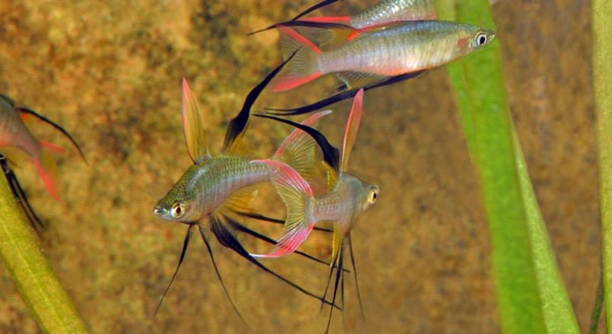
Have you ever noticed how threadfins react when something unexpected happens around them in the water? Their quick movements and sudden changes in behavior can be quite fascinating to observe up close.
When threadfins get surprised, they display a sudden burst of speed, rapidly darting away from the perceived threat. This reaction is a defense mechanism triggered by their acute sensory system, which detects vibrations and disturbances in the water almost instantly.
This quick response is vital to their survival, and understanding it offers a glimpse into the intricate world of marine instincts and behavior.
The Sudden Startle Response
When threadfins are startled, their reaction is almost immediate. These fish possess a sensitive lateral line system that helps them detect vibrations and pressure changes in the water. When a sudden disturbance occurs—such as a shadow, splash, or approaching predator—their bodies react instinctively. They dart in sharp, coordinated movements, often dispersing in multiple directions to confuse potential threats. This behavior is common among many schooling fish and serves as a natural defense mechanism. The quick movement not only helps them escape danger but also signals nearby fish to react in unison, strengthening their collective safety.
Threadfins rely on their heightened senses to detect even minor disturbances. Their quick startle response is a key reason they thrive in dynamic marine environments. Observing their coordinated reaction offers insight into how instinct and sensory awareness play crucial roles in aquatic life survival.
The ability of threadfins to react so quickly isn’t random—it’s an essential evolutionary adaptation. Through generations, their survival has depended on their precision and awareness. These reflexes developed as a way to outsmart predators and ensure group cohesion. When startled, their synchronized movements resemble a shimmering pulse, momentarily confusing predators and allowing them to disperse safely. It’s a natural dance of survival, shaped by instinct and the constant balance between risk and reaction.
Environmental Factors That Trigger Surprise
Threadfins can be startled by many things within their habitat. Sudden light changes, vibrations from boats, or shifting water currents can all provoke a reaction. Even other marine species passing by can cause a brief startle.
In coastal regions and shallow waters, threadfins are more exposed to unpredictable disturbances. Human activities such as fishing, snorkeling, and watercraft movement increase these triggers. The sound waves and vibrations travel through the water, reaching the threadfins’ sensory line almost instantly. When this happens, their nervous system sends a rapid signal that initiates their quick darting motion. Over time, frequent disturbances can make threadfins more alert or even skittish, altering their usual swimming patterns. Understanding these triggers helps in maintaining balanced ecosystems where fish can move and feed without unnecessary stress. Environmental awareness plays a major role in preserving their natural behavior and supporting the delicate rhythm of life beneath the surface.
How Threadfins Recover After Being Startled
After a sudden fright, threadfins take a few moments to reorient themselves. Once the perceived danger passes, they gradually regroup, returning to their usual swimming patterns. Their recovery is calm but cautious, reflecting their natural instinct to remain aware of their surroundings.
During recovery, threadfins often display tighter schooling behavior, staying close to one another for reassurance and protection. Their synchronized movement helps them regain stability and confidence after the brief chaos. This regrouping is essential for maintaining balance within the group. Over time, they adapt to frequent stimuli, distinguishing between real threats and harmless disturbances. Observing this process highlights their ability to recover quickly, showcasing both their resilience and their reliance on social structure. It’s a subtle reminder of how even small fish depend on cooperation and awareness for survival.
Their recovery phase also involves returning to normal feeding or swimming patterns. The sudden tension fades, but their alertness remains heightened for a short time. This balance between relaxation and vigilance is what allows them to thrive despite unpredictable conditions. In controlled environments, such as aquariums, they display similar responses—momentary retreat followed by calm regrouping. Their behavior reflects an intelligent rhythm between reaction and recovery, an instinct refined by nature’s constant unpredictability.
The Role of Schooling in Protection
Threadfins depend heavily on their schooling behavior for protection. Swimming in coordinated groups reduces individual vulnerability and makes it difficult for predators to single out a target. This unity is one of their strongest defenses against sudden danger.
In large schools, threadfins move as if guided by one shared instinct. When startled, the entire group reacts almost simultaneously, creating a wave-like motion that confuses predators. This fluid coordination isn’t random—it’s a result of constant awareness and sensory communication between individuals. Each fish monitors the movement of others through subtle shifts in pressure and vibration. Their collective response is both strategic and efficient, demonstrating how survival often relies on cooperation. Watching a school of threadfins recover from a scare reveals a delicate balance of trust, instinct, and harmony within the group.
Predators and Their Influence
Predators play a significant role in shaping threadfin behavior. Their presence keeps the fish alert and responsive to sudden changes. Even a distant shadow or subtle movement can trigger a startle, reinforcing the constant vigilance needed for survival.
Frequent encounters with predators condition threadfins to respond faster over time. This heightened awareness helps them recognize patterns of danger and refine their reactions. It’s an instinctive learning process that ensures only the most alert and adaptive individuals thrive in their natural habitat.
Behavioral Adaptations Over Time
Through generations, threadfins have developed behavioral traits that enhance their survival chances. Their lateral line system evolved for precise detection, allowing them to sense pressure changes before a threat becomes visible. This advantage helps them avoid danger while maintaining energy efficiency. In constantly changing environments, adaptation becomes their greatest strength. They balance alertness with calm to preserve energy, adjusting their sensitivity based on environmental cues. These gradual adaptations illustrate how species evolve not only physically but behaviorally, aligning instinct with survival demands in an unpredictable marine setting.
Observing Threadfins in Controlled Environments
In aquariums, threadfins show the same reflexive reactions seen in the wild. Sudden noises, lights, or movements can startle them momentarily, but they quickly adjust. Their behavior provides valuable insight into how natural instincts persist even outside their native waters.
FAQ
Why do threadfins startle so easily?
Threadfins are highly sensitive fish with a specialized lateral line system that detects vibrations and pressure changes in the water. This sensitivity allows them to sense potential threats early. Startling quickly is an instinctive defense mechanism that increases their chances of escaping predators and avoiding danger.
How long does it take for threadfins to calm down after being startled?
After a sudden scare, threadfins usually take a few minutes to return to normal behavior. They first regroup and swim closer to their school for safety. Their alertness remains slightly elevated during this time, but gradually, their movement and feeding patterns return to regular rhythms.
Do threadfins react differently in large schools versus smaller groups?
Yes. In large schools, their reactions are more synchronized, creating coordinated bursts of movement that confuse predators. In smaller groups, individual fish rely more on their own senses, and the response can be less uniform. School size affects both the intensity and timing of their startle response.
Can threadfins become desensitized to frequent disturbances?
Over time, threadfins can adjust to repeated, non-threatening stimuli. While they remain alert, they may start distinguishing between real threats and harmless events. This behavioral adaptation reduces unnecessary stress and helps them conserve energy, but it doesn’t eliminate their instinctive caution entirely.
Do environmental factors influence how threadfins react?
Absolutely. Changes in light, water currents, vibrations, and nearby activity all affect their behavior. Coastal regions with high boat traffic or frequent human presence can make them more cautious. Environmental stability allows them to move and feed more confidently, while unpredictable conditions heighten their startle reflex.
Are younger threadfins more easily startled than adults?
Younger threadfins tend to react more sharply because they have less experience and smaller body size, making them more vulnerable to predators. Adults are usually more controlled in their response but remain quick to dart away when sensing danger. Experience and physical development influence reaction intensity.
How do threadfins signal danger to other fish in the school?
Threadfins communicate danger primarily through movement. A sudden dart or directional change acts as a visual cue for nearby fish, prompting synchronized reactions. This non-verbal communication enhances survival by ensuring the entire group responds quickly, reducing the chance of predation.
Does being startled affect feeding behavior?
Yes. After a scare, threadfins may pause feeding briefly, especially if the disturbance is strong or repeated. They focus first on safety, regrouping with their school. Once the threat passes, feeding gradually resumes, but their caution may slightly alter normal patterns for some time.
Are threadfins’ startle responses the same in captivity and in the wild?
In general, the reactions are similar. Sudden movements, lights, or vibrations can trigger bursts of speed in both settings. However, captive environments often have fewer predators, so the responses may be less frequent or intense compared to natural habitats.
What can observers learn from watching threadfins react to surprises?
Observing threadfins provides insight into instinctive behavior, social coordination, and environmental awareness. Their startle responses show how sensory perception and collective movement contribute to survival. Watching these fish highlights the balance between vigilance, instinct, and calm in maintaining safety in their surroundings.
Do threadfins ever overreact to harmless stimuli?
Sometimes. Their sensitivity means even minor changes in water movement or light can trigger a reaction. Over time, they may learn to distinguish harmless events from threats, but occasional overreactions are a normal part of their defense strategy, ensuring they remain prepared for real danger.
How do threadfins recover from frequent startles in a natural habitat?
After repeated disturbances, threadfins rely on schooling and environmental cues to regain calm. They swim in coordinated groups, stay closer to protective structures, and gradually return to feeding or normal patterns. Recovery involves a balance of caution and resuming daily activity to maintain energy and safety.
Can human activity permanently change threadfins’ behavior?
Long-term exposure to disturbances can make threadfins more cautious or alter schooling patterns. While these changes are adaptations rather than permanent harm, frequent interference may increase stress and reduce natural behaviors like feeding efficiency or exploration of their habitat.
Is there a difference in startle response between threadfin species?
Yes, subtle differences exist. Some species have heightened sensitivity or faster reaction times based on size, habitat, and predation pressures. Behavioral traits are shaped by evolution and environmental factors, meaning not all threadfins respond identically to the same stimuli.
How do threadfins balance caution with necessary activities like feeding?
They prioritize safety first but use collective behavior and sensory awareness to minimize risk. By staying in schools and monitoring environmental cues, threadfins manage to feed, swim, and interact while remaining alert enough to react to sudden threats efficiently.
Final Thoughts
Threadfins are remarkable fish that rely heavily on their instincts to survive. Their startle response is a key part of how they navigate the challenges of their environment. When a sudden disturbance occurs, whether from a predator, a change in light, or movement in the water, threadfins react quickly and with precision. This response is not random but a result of evolution and adaptation over generations. Their sensitive lateral line system allows them to detect vibrations and pressure changes almost instantly, giving them the advantage of time to escape or regroup. Watching threadfins respond to these surprises highlights how finely tuned their senses are, as well as how their behavior is shaped by constant environmental awareness.
Recovery after being startled is equally important for threadfins. Once the initial threat has passed, they regroup and gradually return to normal behavior. In schooling situations, this recovery is often a coordinated effort, with each fish adjusting its movements in response to the others. This collective behavior not only helps the group regain balance and stability but also reinforces social structures that improve survival. Even in controlled environments like aquariums, threadfins demonstrate similar patterns. They react to sudden stimuli and then carefully return to swimming or feeding, showing that their instinctive behaviors are persistent regardless of location. The balance between alertness and calm after a startle is an essential part of their daily life and energy management.
Understanding threadfins’ startle responses and recovery behaviors offers insight into how fish adapt to their surroundings. Environmental factors, group dynamics, and predator presence all influence their reactions, shaping both individual and collective behavior. By observing threadfins, it becomes clear that survival depends on a combination of sensitivity, coordination, and adaptability. Their instinctive reactions, along with the ability to recover and resume normal activities, show the complexity of even small fish in maintaining safety and stability. Recognizing these behaviors provides a greater appreciation for how marine species function and respond to challenges. Studying threadfins also highlights the importance of minimizing disturbances in natural habitats to allow these fish to thrive while maintaining their natural instincts and daily patterns. Overall, the way threadfins respond to surprises is a small but insightful example of the intricate balance between awareness, instinct, and environmental adaptation in aquatic life.

Hello,
If you enjoy the content that we create, please consider saying a "Thank You!" by leaving a tip.
Every little bit helps us continue crafting quality advice that supports the health, happiness, and well-being of pets around the world, for pets of all shapes, sizes, and species.
We really appreciate the kindness and support that you show us!