
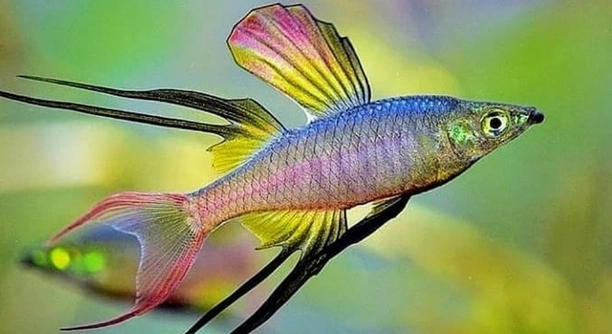
Do you often find yourself waiting by the water, hoping to spot threadfins gliding through the currents? These fish can be surprisingly elusive, disappearing into hidden areas and leaving anglers wondering where they have gone.
Threadfins often hide for hours due to environmental factors, predation risk, and feeding patterns. They seek shelter in shaded areas, under structures, or in deeper waters to conserve energy and avoid threats, emerging only when conditions feel safe.
Observing these behaviors helps improve fishing strategies and understanding of their natural habits. Awareness of their hiding tendencies can make encounters more predictable.
Sudden Changes in Water Temperature
Threadfins are very sensitive to shifts in water temperature. Sudden drops or rises can make them retreat into deeper or shaded areas. These changes affect their metabolism, causing them to slow down and conserve energy until the water stabilizes. Even minor temperature fluctuations can disrupt their normal feeding routine. During these times, they avoid open areas where they feel exposed. Anglers often notice long periods without activity when water conditions shift rapidly. Consistent temperatures tend to encourage regular movement, while unpredictable changes trigger extended hiding periods. Observing the water and noting temperature patterns can help predict when threadfins might emerge. This behavior is natural and critical for their survival, as sudden exposure to unfavorable conditions increases the risk of stress or predation. Monitoring local water temperatures provides valuable insight into their likely locations and activity patterns.
Sudden water temperature changes trigger threadfins to hide, often keeping them inactive for hours in deeper or shaded areas.
Understanding these temperature responses helps anticipate their behavior. Consistent monitoring allows anglers to adjust timing, improving the chances of encountering active fish. Recognizing patterns enhances both safety and success in observing or catching threadfins.
Predation Pressure
Threadfins naturally avoid areas with high predator activity. When they sense danger, they retreat to cover, such as submerged vegetation, rocks, or deeper waters. Predators like larger fish or birds influence their movement patterns, keeping them hidden for extended periods. Avoiding open water reduces exposure and improves survival chances. Even when food is available, safety often takes precedence. Observing their cautious behavior reveals how environmental threats shape daily routines. Threadfins may wait for predators to move before venturing back into feeding zones. These hiding periods are essential for maintaining population stability. Areas with less predator activity usually see more active threadfins. Understanding this relationship allows for better timing when fishing or studying these fish.
Predation pressure keeps threadfins hidden until the perceived risk diminishes.
Long periods of hiding caused by predators are a survival strategy. Threadfins balance feeding needs with safety, often remaining inactive until conditions are safe. Their cautious behavior demonstrates the importance of cover and camouflage in avoiding threats. Recognizing these patterns provides insights for effective observation, fishing, or research. By studying predator interactions, it becomes clear how environmental threats influence threadfin behavior, leading to long, concealed periods. Additionally, these patterns vary with location, season, and predator density, emphasizing the adaptability of threadfins. Paying attention to these cues helps predict when they are likely to emerge, improving success in both recreational and scientific settings while ensuring minimal stress to the fish.
Low Light Conditions
Threadfins tend to hide when light levels drop, especially during overcast days or in murky waters. Reduced visibility makes them cautious, prompting them to stay close to cover until conditions improve and they feel safer moving about.
Low light reduces threadfins’ ability to spot predators and prey, making them more vulnerable. They often retreat to shaded areas, under docks, or near submerged structures. Even small changes, like cloud cover or water turbidity, can extend hiding periods. Their natural caution during these times ensures survival but can frustrate anglers waiting for visible activity. Observing patterns of light and shade helps predict when they might reappear.
Extended low light periods significantly slow threadfins’ movement. They may stay hidden for hours, only venturing out when light levels rise enough to restore their confidence. This behavior also affects feeding, as they rely on sight to detect food. Threadfins often emerge gradually, testing open areas before moving fully into feeding zones. Understanding this pattern allows better planning for observation or fishing. Adjusting expectations for low light days reduces frustration and improves timing for encounters, ensuring safer and more predictable interactions with these cautious fish.
Strong Currents
Strong water currents cause threadfins to seek shelter immediately. They avoid open water where swimming against the flow requires excessive energy, staying in calm pockets until currents weaken.
Threadfins use sheltered areas like behind rocks, under piers, or near vegetation to conserve energy during strong currents. The force of moving water can make it difficult to maintain position and detect food. These conditions also increase stress and risk of being swept away, so they remain hidden. Their natural instinct to wait out strong currents ensures survival while reducing unnecessary energy expenditure.
Extended periods of strong currents can alter their daily routines. Threadfins may stay hidden for hours, emerging only when water flow decreases. This behavior impacts feeding and movement patterns, as they time activity around calmer conditions. Anglers and observers need to note current patterns to anticipate activity, as these fish rarely risk open water during turbulent periods. Recognizing how threadfins respond to strong currents provides insight into their energy management and habitat preferences, making it easier to plan interactions or fishing attempts without disturbing their natural behavior.
Recent Feeding
Threadfins often hide after a recent feeding. Their bodies focus on digestion, making them less active and more likely to remain in sheltered areas to avoid unnecessary movement.
After eating, threadfins seek calm, protected spots. This reduces stress and prevents exposure to predators while their energy is directed toward processing food efficiently.
Spawning Behavior
During spawning periods, threadfins spend extended time in hidden locations. They select secure areas to lay eggs and protect developing offspring. This behavior can cause them to remain unseen for hours. Spawning requires minimal disturbance, so they limit movement and activity to increase survival chances for the next generation.
Stormy Weather
Threadfins hide during storms or heavy rain. Rough water and sudden changes in conditions make open areas unsafe, prompting them to seek shelter quickly.
FAQ
Why do threadfins stay hidden for so long?
Threadfins hide for several reasons, including safety from predators, energy conservation, and environmental changes. They instinctively avoid open areas when conditions feel unsafe. Hiding also allows them to regulate metabolism, digest food, and recover from stress without being exposed to unnecessary threats.
Do threadfins come out at specific times of day?
Yes, threadfins often follow a routine based on light, water temperature, and feeding schedules. Early mornings or late afternoons with moderate light and calm conditions are common periods for activity. They adjust their movement depending on environmental cues rather than a strict clock.
Can sudden water changes cause long hiding periods?
Absolutely. Sudden temperature shifts, changes in currents, or storms can make threadfins retreat for hours. These fish are highly sensitive to environmental changes, and hiding helps them conserve energy and avoid dangerous conditions until the water stabilizes.
How do predators affect threadfin behavior?
Predator presence directly influences how long threadfins stay hidden. Even when food is abundant, they prioritize safety, often staying in shaded or protected areas. They only emerge when the perceived threat is low, demonstrating a careful balance between feeding and survival.
Do threadfins hide after eating?
Yes, after feeding, threadfins seek calm areas to digest efficiently. Activity is reduced, and they remain close to cover to avoid unnecessary movement. This period of inactivity is natural and supports proper metabolism and energy management.
Are threadfins affected by light levels?
Threadfins are cautious in low-light conditions, such as overcast days or turbid water. Reduced visibility increases vulnerability, so they often remain hidden until light levels improve. Gradual emergence occurs as confidence returns, allowing safe movement to feeding zones.
Do strong currents influence hiding behavior?
Strong currents cause threadfins to seek sheltered areas to conserve energy. Open water with heavy flow requires excessive swimming effort, so they remain in protected pockets until the current weakens. This ensures survival and reduces unnecessary stress.
Can spawning affect how long they hide?
During spawning, threadfins select secure locations for eggs and remain hidden to protect offspring. This period can last for hours, as movement is limited to prevent disturbance and increase the survival of developing fish.
How do storms impact threadfin activity?
Stormy weather triggers immediate hiding behavior. Rough water, sudden temperature changes, and turbulence make open areas unsafe. Threadfins retreat to calm, protected zones until conditions normalize, reducing stress and potential harm.
Is there a way to predict when threadfins will appear?
Observing water temperature, light levels, currents, and predator activity can help predict threadfin emergence. Patterns emerge over time, allowing for better timing when fishing or observing. Awareness of these factors increases the chances of spotting active fish.
Do threadfins behave differently in different habitats?
Yes, habitat plays a major role. Shallow areas with cover encourage more visible activity, while open or predator-heavy areas result in longer hiding periods. Understanding local conditions helps anticipate behavior and reduces frustration when observing or catching threadfins.
Can human activity affect their hiding?
Noise, boats, and other disturbances can prolong hiding periods. Threadfins are sensitive to sudden changes in their surroundings, and repeated disturbance may make them cautious for hours. Minimizing interference ensures they return to normal activity sooner.
Are juvenile threadfins more likely to hide?
Younger threadfins are often more cautious than adults. They spend longer periods in protected areas to avoid predators and gain strength. As they mature, hiding becomes more strategic, focused on energy conservation and environmental cues.
Does diet influence their activity levels?
Feeding patterns affect hiding behavior. After consuming food, threadfins reduce movement to digest properly. If feeding is irregular or food is scarce, they may spend longer periods hidden, waiting for optimal foraging conditions.
How long can threadfins remain hidden?
Depending on environmental factors, predator presence, and internal needs, threadfins can remain hidden for several hours. Some behaviors, like post-feeding rest or spawning, naturally extend hiding periods, while storms or strong currents may prolong them further.
What signs indicate threadfins are about to emerge?
Subtle movement near cover, gentle water disturbance, or changes in light often signal they are ready to leave hiding spots. Observing these cues provides a window into their behavior and helps anticipate feeding or movement patterns.
Do all threadfins hide the same way?
Not exactly. Individual fish may vary based on age, size, and experience. Some prefer deeper areas, while others use vegetation or structural cover. Recognizing these variations can improve predictions of where and when threadfins will appear.
Is it normal for threadfins to vanish for most of the day?
Yes, extended hiding is natural, especially in challenging conditions. They balance energy needs with safety, often emerging only when the environment is favorable. Understanding this rhythm reduces concern and improves planning for observation or fishing.
Do seasonal changes affect hiding behavior?
Seasonal factors like temperature, rainfall, and predator activity influence hiding. During cooler months or rainy periods, threadfins may spend longer in sheltered areas. Warmer, calm conditions usually encourage more visible activity, highlighting their adaptability to seasonal cycles.
Can artificial lighting influence emergence?
Yes, artificial lights can either attract or repel threadfins depending on intensity and placement. Bright or sudden lights may prolong hiding, while gradual, consistent lighting sometimes encourages cautious movement, especially in areas with low natural illumination.
Final Thoughts
Threadfins are naturally cautious fish that rely on hiding as a key survival strategy. They retreat to safe areas to avoid predators, conserve energy, and cope with environmental changes. Understanding this behavior is essential for anyone observing or fishing them. These fish do not hide out of unpredictability but out of instinct, balancing their need for food with their need for safety. By recognizing their patterns, it becomes easier to anticipate when and where they might emerge. Their hiding periods are not a sign of poor health or unusual behavior—they are a normal and necessary part of their life cycle. Observing the ways threadfins respond to temperature shifts, light changes, strong currents, or predators helps explain why they might stay out of sight for hours. Learning to respect these behaviors improves both the experience of encountering threadfins and the likelihood of successful observation or fishing without causing stress to the fish.
Environmental factors play a major role in how threadfins behave. Sudden temperature changes, stormy weather, strong water currents, and low light conditions all contribute to extended hiding periods. Threadfins are sensitive to these factors and adjust their activity accordingly. Even small fluctuations in water conditions can trigger them to remain hidden for hours. Human activity, such as boat traffic, noise, or disturbances near their habitats, can also influence their behavior. The fish respond to these changes instinctively, seeking shelter until conditions feel safe. Observing their reactions over time can reveal patterns that make it easier to predict their movements. By taking note of water temperature, light, currents, and other environmental cues, it is possible to understand threadfin behavior more clearly. This knowledge allows for more respectful interactions and enhances the overall experience of observing or fishing in areas where they are present.
Threadfins also have specific biological and behavioral needs that affect how long they stay hidden. After feeding, they retreat to calm areas to digest properly and conserve energy. During spawning periods, they select secure spots to protect eggs and remain out of sight. Predation pressure is another significant factor—threadfins are naturally cautious and often wait for threats to pass before moving into open areas. Juvenile threadfins may hide longer than adults, reflecting their need for protection and energy conservation. By understanding these habits, it is easier to anticipate their activity and respect their space. Whether for fishing, studying, or simply enjoying their presence, acknowledging the natural reasons threadfins hide allows for a better understanding of their behavior. Patience and careful observation are key, as the time spent waiting often leads to more rewarding encounters when they finally emerge from their hiding spots. Their hidden behavior, though sometimes frustrating to watch, is a fascinating display of instinct and survival, showing just how well-adapted threadfins are to their environment.

Hello,
If you enjoy the content that we create, please consider saying a "Thank You!" by leaving a tip.
Every little bit helps us continue crafting quality advice that supports the health, happiness, and well-being of pets around the world, for pets of all shapes, sizes, and species.
We really appreciate the kindness and support that you show us!