
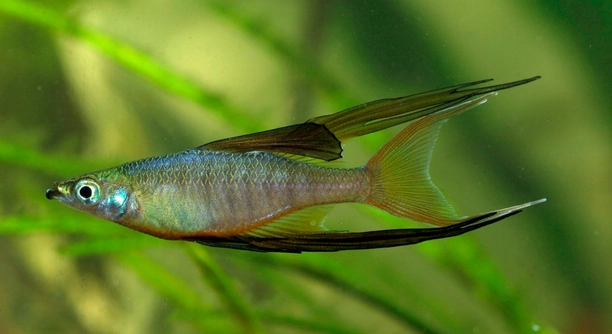
Are your threadfins swimming together peacefully, showing vibrant colors, and feeding without hesitation? These little signs often reveal more about their comfort and harmony than you might realize.
Threadfins that get along well display synchronized swimming, healthy appetite, vibrant coloration, and minimal aggression. Their smooth interactions, stable hierarchy, and coordinated movement reflect a balanced environment, ensuring each fish feels secure and stress-free in its shared space.
Observing these subtle behaviors helps maintain a thriving aquarium where your threadfins can flourish peacefully and confidently.
Recognizing Peaceful Swimming Behavior
Threadfins often express harmony through their swimming patterns. When they move together in gentle, coordinated motions, it reflects a stable social structure. They rarely chase or nip at each other, choosing instead to glide calmly in unison. This synchronized behavior demonstrates comfort and trust within their group. You may also notice them exploring different tank areas together, maintaining a steady rhythm that feels almost effortless. These subtle cues indicate your threadfins have established a peaceful coexistence. Balanced swimming activity is essential, as excessive hiding or erratic darting could suggest stress, illness, or environmental imbalance within the aquarium.
When your threadfins swim gracefully side by side, it often means they feel secure and relaxed. This balance helps reduce territorial disputes and ensures every fish has space to move comfortably.
Consistent, calm swimming habits are among the clearest indicators that your threadfins are content and thriving together. Their harmony begins with shared movement and mutual ease.
Healthy Appetite and Feeding Behavior
Threadfins that eat eagerly yet respectfully are often well-adjusted. They approach feeding times calmly, without aggressive competition, sharing access to food evenly. A strong appetite shows good health and confidence within their group.
During feeding, threadfins that coexist peacefully will take turns approaching food, maintaining a steady rhythm without chasing others away. This balance suggests that the group has a clear hierarchy, minimizing conflict and stress. Uneven feeding behavior—where one fish dominates or avoids eating—can signal disharmony or poor health. By observing their feeding patterns daily, you can easily identify changes that may require attention. Providing a consistent feeding schedule and balanced diet helps sustain both physical health and social stability among your threadfins. Their eating behavior reflects not only nourishment but also how well they coexist in their shared environment.
Vibrant Coloration and Physical Appearance
Threadfins showing bright, even coloration often reflect good health and harmony. Their scales appear glossy, and fins remain intact without signs of fraying or discoloration. Dull colors or damaged fins can signal stress or conflict among the group.
When threadfins coexist peacefully, their natural hues become more vibrant. Stress-free fish display smooth swimming motions, steady breathing, and consistent energy levels. Their fins fan out gracefully rather than staying clamped. You may notice subtle flashes of iridescence as they glide under the light, an indication of well-being. Maintaining water quality and balanced nutrition plays a significant role in preserving this radiance. When environmental and social conditions are ideal, threadfins retain their natural brilliance effortlessly, reflecting a calm, stable group dynamic.
Healthy threadfins have clear eyes, strong fins, and uniform coloration. These physical traits mirror both internal balance and the absence of stress. Well-cared-for fish radiate their health visibly.
Minimal Aggression and Social Stability
Low levels of aggression among threadfins indicate that they have developed a stable hierarchy. They tend to respect boundaries and rarely engage in chasing or fin-nipping, allowing all members to coexist calmly within their shared territory.
Aggression often stems from overcrowding, limited food, or uneven gender ratios. When these conditions are balanced, your threadfins naturally form peaceful group dynamics. You may observe mild displays of dominance, such as short chases or fin flares, but they usually end quickly without harm. Providing enough space, plants, and hiding spots helps each fish claim comfort zones, reducing territorial tension. A stable group rarely shows erratic movements or prolonged conflict. Their calm interactions, balanced feeding, and synchronized swimming all point toward a thriving, harmonious aquarium environment where threadfins coexist without stress.
Coordinated Group Movement
Threadfins that swim together in gentle, rhythmic patterns show strong social alignment. Their movements appear balanced, neither rushed nor erratic. This synchronization reflects mutual comfort, trust, and a well-structured hierarchy within the group.
When threadfins scatter or break formation frequently, it can indicate stress or imbalance. Consistent group movement, on the other hand, shows that they feel secure in their surroundings and in each other’s presence. Balanced flow and coordination are reliable signs of peace and confidence.
Balanced Use of Space
Threadfins that get along share their environment evenly, exploring different tank levels without pushing one another away. They alternate between open areas and shelter naturally, suggesting both security and mutual respect among the group.
An evenly used tank space reflects an environment free of dominance or fear. Each threadfin finds comfort across the aquarium, resulting in smooth transitions and a tranquil atmosphere that promotes long-term health and stability.
Calm Resting Patterns
When threadfins rest near one another without signs of tension or retreat, it signals a peaceful and trusting relationship. Calm resting behavior shows that they feel protected, confident, and comfortable within their established social structure.
FAQ
How can I tell if my threadfins are comfortable in their environment?
You can usually tell by observing their swimming patterns, coloration, and appetite. Comfortable threadfins swim smoothly, interact calmly, and explore their surroundings confidently. Their colors stay bright, and they eat regularly without rushing or competing aggressively. When stress levels are low, they spend more time in the open areas of the tank instead of hiding. Subtle behaviors like hovering near each other or swimming in small groups also indicate they feel secure. Consistent, balanced activity is the best sign that your aquarium setup suits them well.
What causes threadfins to become aggressive?
Aggression in threadfins is often linked to environmental stress, overcrowding, or an uneven male-to-female ratio. Males may become territorial during breeding periods, especially if space or hiding spots are limited. Poor water quality and sudden changes in temperature can also trigger irritability. To reduce aggression, ensure proper tank size, balanced social grouping, and stable water parameters. Regular observation helps detect early signs of conflict, such as fin flaring or chasing, allowing adjustments before aggression escalates. Keeping their environment calm and consistent helps maintain social harmony.
Why do my threadfins hide more than usual?
Threadfins may hide when they feel unsafe or stressed. This behavior often appears after changes in water quality, lighting, or tank companions. If hiding persists, check for signs of illness or bullying from other fish. Ensure the tank has plenty of plants or decorations to create safe spaces, as this helps them regain confidence. A peaceful environment encourages them to swim openly again. Sometimes, hiding is temporary and may occur during adjustment periods or after tank maintenance. Regular care and observation help restore their comfort and balance.
How important is water quality for threadfin behavior?
Water quality directly influences threadfin health and temperament. Poor conditions can cause dull colors, erratic swimming, and even aggression. Keeping the water clean, well-oxygenated, and stable in temperature helps them remain active and calm. Regular testing for ammonia, nitrites, and pH ensures their environment stays consistent. Performing small, frequent water changes rather than large, sudden ones reduces stress. Threadfins are sensitive to fluctuations, so maintaining steady parameters is crucial. When their water remains balanced, they show more vibrant colors, eat regularly, and display natural group behaviors.
Can threadfins live peacefully with other fish species?
Yes, threadfins are generally peaceful and do well with calm tank mates. Ideal companions include small, non-aggressive fish such as tetras, rasboras, or guppies. Avoid pairing them with fin-nippers or larger, dominant species that could intimidate them. Providing enough space helps prevent competition for food or territory. Threadfins thrive in community tanks when conditions support balance and mutual comfort. Observe new introductions carefully to ensure compatibility. When the right mix is achieved, threadfins interact naturally and continue to display their graceful, flowing behavior without signs of stress.
What should I feed threadfins for optimal health and harmony?
A balanced diet keeps threadfins healthy and helps reduce tension. Offer a mix of high-quality flakes, pellets, and occasional live or frozen foods like daphnia or brine shrimp. Variety ensures they receive essential nutrients and stay active. Feed small portions two to three times daily, avoiding overfeeding, which can cloud water and cause stress. Healthy eating habits promote steady energy and vibrant coloration. Observing feeding time also helps monitor their behavior—peaceful sharing of food signals social balance and comfort within the group.
How do I know if my threadfins are breeding successfully?
Breeding behavior usually begins with gentle chasing and fin displays between males and females. Males show brighter colors, and pairs may separate slightly from the group. Eggs are often scattered among fine plants or moss. You may notice subtle changes in activity during this time, including protective movements near egg sites. If conditions are stable and the fish remain calm, breeding will continue smoothly. To improve success, maintain clean water, provide soft vegetation, and avoid disturbing the tank during spawning. Patience and consistency support healthy reproductive behavior.
Do threadfins need a specific tank setup to stay peaceful?
Yes, their environment plays a major role in their behavior. Threadfins prefer calm, planted tanks with gentle water flow and subdued lighting. Open swimming areas combined with shaded corners help balance activity and rest. Use soft substrate and include tall plants or driftwood for shelter. Avoid overcrowding and maintain a consistent routine. Stable conditions prevent dominance issues and reduce tension. A well-designed setup encourages natural swimming patterns, vibrant coloration, and relaxed group interaction. When their surroundings feel safe, threadfins flourish both socially and physically.
Why do my threadfins lose color suddenly?
Sudden color loss often points to stress or illness. This can occur from poor water quality, abrupt temperature changes, or aggressive tank mates. Inconsistent feeding or lack of nutrition also contributes. Check for signs of disease or fin damage. Restoring stable water conditions, balanced diet, and calm surroundings usually helps them regain their brightness. Gradual recovery follows as stress levels drop. Consistency is key—once stability returns, their colors will reflect it again, glowing naturally as a sign of well-being and security.
Final Thoughts
Observing the behavior of threadfins reveals much about their overall health and comfort. These delicate fish express harmony through subtle patterns such as synchronized swimming, calm feeding, and even coloration. When their environment feels stable, they interact smoothly, explore the tank confidently, and rest without tension. Each sign of peaceful coexistence reflects both physical health and emotional balance. Creating such an environment requires consistent care, patience, and attention to detail. Threadfins thrive in spaces that mirror natural calmness, where they can swim freely without fear or competition. A balanced habitat not only supports their beauty but also enhances their natural behavior, helping them live longer, healthier lives. Their comfort depends greatly on how carefully their surroundings are maintained and how closely their needs are observed.
Maintaining harmony among threadfins involves more than just providing food and clean water. It requires understanding their social dynamics, body language, and natural preferences. These fish communicate constantly through movement, spacing, and color changes. When one begins to hide more, eat less, or lose brightness, it is often a response to environmental stress or social imbalance. Adjusting conditions early—such as improving water quality, rearranging plants, or balancing the male-to-female ratio—can quickly restore peace. Small, consistent actions make a significant difference in their overall well-being. Each adjustment you make contributes to building a stable environment that reflects safety and predictability. Observing their quiet interactions daily is one of the best ways to ensure their continued happiness and health.
Threadfins flourish when their environment feels calm and consistent, and when they are surrounded by other peaceful tank mates. Their elegant movements and soft presence bring a sense of tranquility to any aquarium, making them rewarding to care for. Watching them glide effortlessly in unison becomes a visual reflection of a well-balanced ecosystem. Every choice—lighting, temperature, plants, and feeding habits—affects their sense of harmony. Keeping these details in balance helps them show their best traits naturally. With thoughtful care and consistent observation, threadfins reveal how delicate aquatic relationships can thrive under the right conditions. Their peaceful behavior becomes not only a sign of good care but also a gentle reminder of how harmony, both in nature and within their environment, always begins with stability and understanding.

Hello,
If you enjoy the content that we create, please consider saying a "Thank You!" by leaving a tip.
Every little bit helps us continue crafting quality advice that supports the health, happiness, and well-being of pets around the world, for pets of all shapes, sizes, and species.
We really appreciate the kindness and support that you show us!