
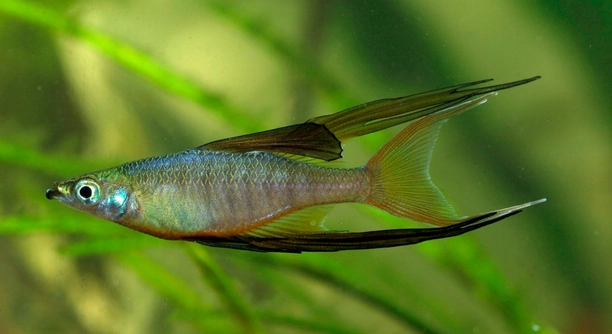
Do you ever notice threadfins remaining perfectly still in one spot while swimming in open water? Observing this behavior can be surprisingly calming. Their stillness seems unusual but plays an important role in how they live and survive.
Threadfins often stay motionless to conserve energy and maintain a strategic position for feeding or avoiding predators. This behavior allows them to ambush prey efficiently while reducing unnecessary movement that could attract attention from larger fish or threats.
Understanding why these fish pause in place reveals more about their survival strategies and natural behaviors. This insight can help you appreciate the subtle ways threadfins interact with their environment.
How Threadfins Hunt While Staying Still
Threadfins often remain motionless to improve their hunting efficiency. By staying in one spot, they reduce the chance of startling small prey swimming nearby. This allows them to strike with precision when a fish or crustacean comes within reach. Their stillness also lets them conserve energy, which is vital because constant swimming can quickly deplete their reserves. Observing threadfins in their natural habitat, you might notice subtle movements of their fins, which help them maintain balance without drawing attention. They often position themselves near structures, such as rocks or submerged vegetation, where prey is likely to pass. Remaining stationary gives them the advantage of surprise. Unlike other fish that chase prey continuously, threadfins wait patiently, using minimal movement to optimize their strike. This method increases their hunting success while keeping energy expenditure low. Over time, this behavior proves highly effective in maintaining their feeding efficiency and survival.
This stillness strategy highlights the threadfins’ patience and precise approach to catching food efficiently without wasting energy.
Patience is key for threadfins. Staying still reduces risk, conserves energy, and allows them to ambush prey effectively. They remain alert while almost invisible, blending with their surroundings. Their minimal movement is a carefully balanced behavior. Observing them teaches us about efficiency and adaptation in aquatic life.
Why Motionlessness Protects Threadfins
Threadfins remain still to avoid predators. Sudden movement can draw attention, so staying motionless enhances their survival in crowded waters.
Remaining stationary is a key survival tactic. Predators often spot moving fish first. By freezing in one location, threadfins reduce visibility and make it harder for larger predators to detect them. This behavior is particularly common in juvenile threadfins, who are more vulnerable. The choice of location is also important. They often select areas with natural cover, like sandy bottoms, vegetation, or coral, which helps them blend into the environment. Motionlessness allows them to monitor threats carefully, adjusting position subtly if danger approaches. Threadfins may also use subtle fin movements to maintain balance while staying still, which avoids drawing attention. This cautious approach reduces risk while maximizing their ability to react if needed.
Over time, motionless behavior has evolved as a primary defense strategy for threadfins. They rely on stillness to remain undetected, combining camouflage, strategic positioning, and minimal energy use. This approach improves survival rates, especially in areas with abundant predators. Their ability to stay calm and observant demonstrates a remarkable adaptation to their environment, showing how even small behaviors play a critical role in their life cycle and ecological balance.
Energy Conservation Benefits
Threadfins stay motionless to save energy. Constant swimming can be exhausting, so pausing helps them maintain stamina for hunting and avoiding threats in their environment.
By limiting movement, threadfins reduce energy expenditure significantly. Swimming continuously burns calories and can tire them quickly, especially in warm or turbulent waters. Remaining still allows their bodies to recover while still staying alert to nearby prey or predators. This behavior is particularly important during long periods between feeding opportunities. Energy conservation also supports growth and overall health, ensuring threadfins can maintain their position in the ecosystem. Minimal movement is not laziness but a strategic choice. Even subtle fin adjustments help maintain balance without wasting energy.
This practice of conserving energy demonstrates how threadfins balance survival needs efficiently. By staying still when possible, they maximize resources and maintain strength for critical activities. Their careful energy management is a sign of their adaptation to challenging aquatic conditions, reflecting a smart, survival-focused approach to life underwater.
Camouflage and Environmental Adaptation
Motionlessness helps threadfins blend with their surroundings. By staying still, their coloration and body patterns align with sand, rocks, or vegetation, making them less visible to predators.
Threadfins rely on their environment for protection. Remaining stationary allows them to merge visually with natural features, decreasing the likelihood of detection. They often choose areas with textures and colors that complement their own body patterns. This camouflage is enhanced by slight adjustments in fin and body position, which prevent shadows or noticeable movement from giving them away. Environmental adaptation also involves selecting safe spots near food sources, balancing safety with feeding opportunities. This combination of stillness and natural blending helps threadfins survive in habitats that can be crowded with predators and competitors.
By using camouflage effectively, threadfins gain both safety and a tactical advantage. Their ability to adapt behavior and appearance to their environment shows how subtle strategies can make a significant difference in survival. This quiet approach emphasizes patience and careful observation, allowing them to thrive without constant movement or confrontation.
Social Behavior Influence
Threadfins sometimes remain still when in groups. Staying motionless reduces conflicts and allows them to observe each other’s movements.
Pausing in one spot also helps maintain group cohesion. Sudden movements can startle nearby fish, causing disorganization or unnecessary energy use.
Response to Environmental Changes
Threadfins adjust their behavior based on water conditions. Strong currents or murky water often prompt them to stay still, conserving energy and maintaining stability while monitoring surroundings for prey or predators.
Feeding Strategy
Motionlessness allows threadfins to ambush prey efficiently. By waiting quietly, they increase success rates while avoiding energy waste from constant chasing.
Why do threadfins stay in one spot for so long?
Threadfins remain motionless primarily to conserve energy and increase hunting efficiency. Constant swimming requires significant energy, especially when searching for small prey in open water. By staying still, they reduce unnecessary movement, allowing them to maintain stamina for hunting, avoiding predators, and surviving longer periods without food. Their stillness is a strategic choice, not laziness, allowing them to ambush prey with precision when it comes close.
Do threadfins use camouflage while staying still?
Yes, threadfins rely on natural camouflage when remaining stationary. Their body coloration often blends with sandy bottoms, rocks, or aquatic vegetation, making them less visible to predators. By selecting areas that match their body patterns, they reduce the risk of detection. Even subtle adjustments in fin or body positioning help avoid shadows or movement that could reveal their location. This behavior is essential for survival, particularly in habitats crowded with predators.
Is remaining still beneficial for feeding?
Absolutely. Motionless behavior allows threadfins to ambush prey efficiently. Instead of expending energy chasing fish or crustaceans, they wait patiently for food to come near. This strategy increases hunting success while minimizing energy expenditure. It also allows them to remain alert to changes in their surroundings, ensuring they can react quickly if prey or predators approach. By combining stillness with patience, threadfins can sustain themselves effectively even in competitive environments.
How does staying still help threadfins avoid predators?
Remaining stationary reduces visibility and draws less attention from predators. Many aquatic predators are attracted to movement, so pausing in one spot makes threadfins harder to detect. They often select areas with natural cover, such as rocks, coral, or vegetation, which further enhances protection. Subtle fin movements allow them to maintain balance without giving away their position. This defensive strategy is particularly important for juvenile threadfins, who are more vulnerable to predation.
Do environmental conditions influence this behavior?
Yes, water conditions greatly impact motionless behavior. Strong currents, murky water, or sudden changes in temperature may prompt threadfins to pause, conserving energy and maintaining stability. These conditions can make swimming difficult or increase the risk of being noticed by predators. By remaining still, they adapt to environmental challenges while continuing to monitor their surroundings for both prey and potential threats.
Does social behavior affect their stillness?
Threadfins sometimes stay stationary when in groups to reduce conflicts and maintain cohesion. Sudden movements within a group can startle others, causing unnecessary energy use or disorganization. Staying still allows them to observe one another while coordinating movements and maintaining group balance. This behavior helps ensure safety and efficiency within a school of threadfins.
Can motionless behavior impact their long-term health?
Yes, conserving energy through stillness supports overall health and growth. Constant swimming can exhaust threadfins and reduce their ability to hunt successfully. By strategically pausing, they maintain stamina, reduce stress, and increase survival rates. This careful energy management allows them to thrive in their habitat without overexertion.
How do threadfins balance staying still and staying alert?
Threadfins remain highly attentive even while motionless. They use subtle fin movements and sensory awareness to monitor surroundings without drawing attention. This balance allows them to respond quickly to prey or predators while minimizing energy expenditure. It reflects a finely tuned adaptation that supports both survival and feeding efficiency.
Do all threadfins exhibit this behavior equally?
Not all threadfins stay still for the same duration or frequency. Juveniles tend to pause more often to avoid predators, while adults may balance movement and stillness based on energy needs and environmental conditions. Individual behavior also depends on habitat, presence of food, and social dynamics within groups, making motionless behavior a flexible and adaptive strategy.
Can humans observe this behavior easily?
Yes, threadfins can often be observed remaining still in clear, shallow waters. Watching them patiently allows one to see how they blend with the environment, wait for prey, and conserve energy. Observing their subtle fin adjustments and positioning provides insight into their survival strategies and natural behaviors.
This combination of stillness, camouflage, and energy conservation demonstrates how threadfins use motionless behavior to thrive in their environment, balancing hunting, safety, and adaptation with remarkable efficiency.
Threadfins are fascinating fish that have developed unique behaviors to survive in their environment. One of the most noticeable habits is their tendency to remain motionless for extended periods. This stillness is not random or idle; it serves multiple purposes that are crucial for their survival. By staying in one spot, threadfins conserve energy, which is especially important in habitats where food may not always be abundant. Swimming continuously requires significant effort, and conserving energy allows them to remain active when it truly matters, such as during hunting or avoiding predators. Over time, this behavior has become an essential part of how they interact with their surroundings and maintain their overall health.
Another key reason threadfins stay still is for feeding efficiency. They often use a patient, ambush-style approach, waiting for prey to come close rather than chasing it. This strategy reduces energy expenditure while increasing the likelihood of successful captures. Motionlessness also gives them an opportunity to observe their environment carefully, assessing both potential threats and opportunities. Their positioning is often strategic, near structures, vegetation, or sandy areas where prey is likely to pass. This combination of patience, precision, and energy management highlights the way threadfins have adapted to the demands of their ecosystem. It shows how even subtle behaviors can have significant benefits for survival, growth, and overall well-being.
Threadfins also rely on staying still as a defensive tactic. Remaining stationary reduces visibility to predators and allows them to blend naturally with their surroundings. This camouflage, combined with careful positioning and minimal fin movements, enhances their chances of avoiding danger. Social factors can also influence this behavior, as motionless patterns help maintain group cohesion and reduce conflicts among individuals in schools. Overall, the habit of remaining in one spot is not merely a quirk but a highly functional behavior that supports feeding, safety, and energy conservation. Understanding these patterns provides valuable insight into the life of threadfins, demonstrating the delicate balance they maintain between patience, observation, and survival in their aquatic habitats.

Hello,
If you enjoy the content that we create, please consider saying a "Thank You!" by leaving a tip.
Every little bit helps us continue crafting quality advice that supports the health, happiness, and well-being of pets around the world, for pets of all shapes, sizes, and species.
We really appreciate the kindness and support that you show us!