
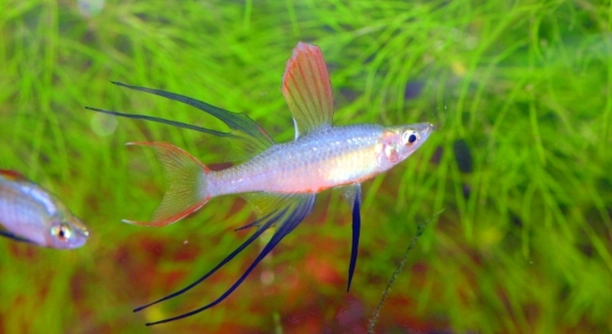
Do your aquariums feature vibrant communities of small, colorful fish, adding life and movement to your tank? Threadfin Rainbowfish are admired for their shimmering scales and lively behavior, making them a captivating addition for any enthusiast.
Threadfin Rainbowfish display limited but observable signs of social bonding and familiarity within their groups. These behaviors include synchronized swimming, gentle nudging, and staying close to favored companions, indicating a form of affectionate interaction that supports group cohesion.
Observing these subtle interactions can enhance your understanding of their social nature and improve your experience in maintaining a harmonious aquarium environment.
Recognizing Affection in Threadfin Rainbowfish
Threadfin Rainbowfish often show their affection through subtle, consistent behaviors rather than overt gestures. You may notice them swimming close together or mirroring each other’s movements, which signals comfort and social bonding. Nudging or gently brushing against one another can also occur, usually without aggression. These behaviors are most apparent when fish have established a stable group and feel secure in their environment. Proper tank conditions, such as sufficient space, hiding spots, and clean water, encourage these interactions. Feeding times also provide opportunities to observe gentle social dynamics, as they may cluster around favored companions. Watching these interactions helps identify individuals that share stronger bonds. In contrast, signs of stress or aggression indicate discomfort or overcrowding, which can reduce these affectionate behaviors. Keeping an attentive eye allows for adjustments that support healthy social patterns, ultimately making the aquarium more harmonious for all inhabitants. Over time, these small signals accumulate into recognizable patterns of attachment.
Observing your fish closely helps you understand who interacts peacefully and which fish prefer more distance.
Recognizing these signs of attachment improves overall care and tank management. When fish show consistent closeness or synchronized swimming, it indicates that the group is comfortable and secure. Encouraging these behaviors through proper environment setup, appropriate feeding, and attentive observation fosters a healthier, more engaging tank dynamic. You can also reduce stress by minimizing sudden changes in lighting, temperature, or decorations, which can disrupt these social bonds. Over time, identifying affectionate patterns helps in creating groups that thrive together. By understanding their subtle communication, you can adjust your care routines and observe meaningful interactions, giving your Threadfin Rainbowfish a stable, enriched habitat that supports natural behaviors.
Supporting Healthy Social Bonds
Providing the right environment encourages natural bonding behaviors among Threadfin Rainbowfish.
Maintaining healthy social bonds requires more than just observing interactions. Adequate tank size is crucial, as overcrowding increases stress and reduces opportunities for close, gentle contact. Including plants, hiding spots, and varied terrain allows fish to explore safely and retreat when needed, fostering confidence in their surroundings. Regular feeding routines also contribute, as fish often associate mealtime with group cohesion, clustering together without conflict. Water quality remains fundamental; clean, stable conditions prevent stress-related behaviors that interfere with affectionate displays. Introducing new fish should be done gradually to allow existing groups to acclimate. Monitoring behavioral patterns over time helps you identify which individuals bond strongly and which prefer more distance. Encouraging these natural interactions promotes group stability, reduces aggression, and enhances overall well-being. In a carefully maintained tank, Threadfin Rainbowfish can express their subtle social attachments consistently, creating a balanced and lively aquarium environment. Proper observation and adjustments ensure these small gestures of connection continue to flourish, providing insight into their social behavior and maintaining a healthy aquatic community.
Feeding and Interaction Patterns
Threadfin Rainbowfish often show subtle signs of attachment during feeding. They may cluster near certain tank mates, swim together, or gently nudge each other while exploring food. These behaviors indicate familiarity and comfort within their group, rather than aggressive competition.
Feeding routines reveal interesting social dynamics among these fish. Some may consistently follow the same companions, maintaining proximity during meals. This behavior highlights their preference for certain individuals and reinforces bonds over time. Observing who swims together and who maintains distance helps in understanding the hierarchy and relationships within the group. Properly timed feedings with varied food types support natural behavior and reduce stress-related aggression. Maintaining consistency in feeding times allows bonds to strengthen naturally while also promoting healthier, more confident fish.
These interaction patterns are valuable indicators of well-being. Fish that actively engage with companions during feeding typically display lower stress and greater adaptability to changes in the tank. Paying attention to these behaviors allows adjustments in tank layout, decoration, and group composition to enhance social harmony. By fostering a stable feeding environment and observing subtle cues, it becomes easier to support affectionate behaviors and minimize conflicts, ensuring a balanced and healthy aquarium.
Environmental Factors Influencing Affection
Proper tank setup significantly impacts the display of affectionate behaviors. Space, hiding spots, and gentle water flow encourage natural interactions and comfort within the group.
Environmental stability directly affects social behavior. Threadfin Rainbowfish are sensitive to water parameters, temperature fluctuations, and lighting changes. A consistent environment reduces stress and allows fish to focus on social engagement. Plants and decorations create safe zones, enabling shy individuals to interact gradually with the group. Sufficient swimming space prevents overcrowding, reducing aggression and promoting synchronized movement. Observing fish responses to minor adjustments, like adding plants or altering flow, provides insight into their comfort levels. Stable conditions encourage the gentle nudging, following, and clustering behaviors associated with attachment, helping them maintain bonds naturally.
Attention to details like water quality, temperature, and tank layout ensures that affectionate behaviors are expressed fully. Sudden changes or inadequate space can suppress these interactions and lead to stress. By providing a consistent, enriching environment, you allow Threadfin Rainbowfish to thrive socially. Monitoring their responses over time helps identify which adjustments enhance comfort and bonding. Supporting natural behaviors with proper habitat management ensures a balanced aquarium where social bonds are visible, sustainable, and integral to the fish’s overall well-being.
Breeding Behavior and Affection
During breeding periods, Threadfin Rainbowfish may show closer interaction with preferred mates. Gentle nudging and following behaviors increase, reflecting a form of selective bonding within the group. These actions indicate both readiness to spawn and social familiarity among individuals.
Males may display more vibrant colors and perform subtle chasing around the tank. This behavior attracts females while maintaining gentle interactions, signaling courtship rather than aggression. Observing these patterns helps identify compatible pairs and understand how social bonds influence reproduction.
Group Dynamics
Threadfin Rainbowfish often form small, stable subgroups within larger communities. Certain individuals consistently swim together, maintaining proximity throughout daily activities.
Observing Stress and Comfort
Affectionate behaviors decline when fish are stressed. Signs include hiding, avoiding companions, or erratic swimming, highlighting the need for stable environmental conditions.
FAQ
Do Threadfin Rainbowfish recognize their tank mates?
Yes, Threadfin Rainbowfish show recognition among familiar tank mates. They often swim together in small groups and mirror each other’s movements. Repeated interaction allows them to identify individuals, resulting in preferred companions and consistent proximity during feeding or exploring the tank.
How can I tell if my Threadfin Rainbowfish is comfortable?
Comfort is reflected in relaxed swimming patterns and consistent social behavior. Fish that feel secure interact gently, cluster near certain companions, and explore the tank without hiding. Bright coloration and active participation in feeding also indicate a low-stress, comfortable environment.
Do Threadfin Rainbowfish bond with humans?
While they do not form affection like mammals, they may respond to human presence by swimming toward the tank during feeding. This behavior reflects recognition and anticipation of food rather than emotional attachment, but it can feel like a gentle acknowledgment of routine interaction.
What signs show affection between Threadfin Rainbowfish?
Subtle behaviors such as nudging, following, synchronized swimming, and maintaining close proximity indicate comfort and familiarity. These actions are often observed in stable groups and represent social bonds rather than aggressive or competitive behavior.
Can stress affect affectionate behavior?
Yes, stress can significantly reduce these subtle social behaviors. Sudden changes in water parameters, overcrowding, or aggressive tank mates can cause hiding, erratic swimming, or avoidance of companions, making affectionate interactions less frequent or absent.
Do males and females show different types of affection?
Males often display courtship behaviors, including chasing and color enhancement, while females respond with selective proximity and gentle interactions. These behaviors are primarily reproductive but also strengthen social bonds within the group.
How important is tank setup for social bonding?
Tank setup is critical. Adequate space, plants, hiding spots, and gentle water flow support natural behaviors. A stable environment reduces stress, encourages interaction, and allows subtle signs of attachment to develop among compatible individuals.
Do Threadfin Rainbowfish require large groups to show affection?
Yes, small groups encourage social behavior. Isolated individuals may become stressed or timid, reducing their display of social bonding. Groups of five or more allow them to establish familiarity, hierarchy, and subtle affectionate interactions.
How long does it take for bonds to form?
Bonds develop gradually over weeks to months. Repeated interaction, consistent environment, and gentle social cues allow fish to identify preferred companions and engage in synchronized swimming or nudging behaviors. Patience and observation are key to understanding their social dynamics.
Can environmental enrichment increase affectionate behavior?
Yes, adding plants, decorations, and varied terrain encourages exploration and gentle interactions. Environmental enrichment reduces stress, promotes confidence, and supports natural bonding behaviors, resulting in more observable social attachment within the group.
How can I encourage positive social behavior?
Maintain stable water conditions, provide sufficient space, feed consistently, and observe interactions carefully. Avoid sudden changes and overcrowding. Encouraging natural routines and providing enrichment supports affectionate behaviors while minimizing stress and aggression.
Are there signs that a fish is being excluded or rejected?
Yes, fish that are isolated, frequently chased, or avoid others may feel excluded. Monitoring interactions and adjusting group composition or tank layout can help restore balance and promote positive social engagement among all individuals.
Do affectionate behaviors impact breeding success?
Yes, bonded pairs or compatible groups show smoother courtship and reduced aggression. Familiarity and gentle interactions increase the likelihood of successful spawning and healthy offspring, as stress levels are minimized within a cohesive group.
Can affection vary between individual fish?
Absolutely. Some fish are naturally more social or bold, displaying frequent interaction, while others are shy and keep distance. Recognizing individual differences helps in arranging compatible groups that foster natural bonding and reduce conflict.
What is the role of observation in promoting affection?
Careful observation allows identification of preferred companions, stress signs, and subtle social cues. Understanding these patterns helps adjust the environment, feeding, and group composition to maintain strong social bonds and a harmonious aquarium.
Threadfin Rainbowfish are subtle yet fascinating in the way they interact with one another. Unlike some animals that display obvious signs of affection, these fish show their comfort and social bonds through gentle, consistent behaviors. Observing synchronized swimming, nudging, and clustering can reveal which individuals prefer each other’s company. Over time, these patterns become clearer, showing that even small fish are capable of forming familiar connections. Creating a stable, supportive environment is key to allowing these natural interactions to develop. Factors like water quality, tank size, hiding spaces, and plant coverage all contribute to their sense of security. When fish feel safe, they are more likely to show their true behavior, including the small gestures that indicate attachment and comfort. Paying attention to these cues not only enhances your understanding of their social behavior but also helps in maintaining a harmonious and healthy aquarium. By noticing which fish swim together and how they respond to one another, you can better support positive relationships within the group.
Providing a proper habitat goes hand in hand with observing their behavior. Threadfin Rainbowfish thrive in tanks that offer space for swimming and areas to retreat when they feel threatened. Adequate lighting, gentle water flow, and a consistent schedule for feeding all play a role in reducing stress and promoting natural social behavior. When environmental conditions are stable, fish are more likely to interact gently, follow preferred companions, and maintain a peaceful group dynamic. Sudden changes in water parameters, temperature, or tank decoration can cause anxiety, reducing these subtle social behaviors. By carefully planning and monitoring your tank setup, you create conditions that allow affectionate behaviors to emerge naturally. These small, quiet interactions provide insight into the fish’s social structure and overall well-being, helping you recognize when adjustments may be needed to support their comfort. Maintaining this level of attentiveness ensures that each individual has the opportunity to participate in group interactions and form the bonds that are important for their health and confidence.
Understanding the social nature of Threadfin Rainbowfish adds depth to aquarium keeping. Observing their behaviors can be rewarding, as it reveals the nuances of their interactions and highlights the small ways fish can show familiarity and comfort. Consistent observation helps identify patterns, such as who spends time together, how they respond to changes, and which individuals may require more attention or space. Recognizing these signs allows you to make informed decisions about group composition, tank layout, and daily care practices. Supporting their natural behavior leads to a more balanced environment where affectionate interactions can occur and stress is minimized. Over time, these efforts create a thriving, harmonious aquarium where fish are not just surviving but exhibiting the subtle social connections that make them engaging to watch. Appreciating these small details fosters a deeper connection to your tank and promotes long-term health and well-being for all the fish in your care.

Hello,
If you enjoy the content that we create, please consider saying a "Thank You!" by leaving a tip.
Every little bit helps us continue crafting quality advice that supports the health, happiness, and well-being of pets around the world, for pets of all shapes, sizes, and species.
We really appreciate the kindness and support that you show us!