
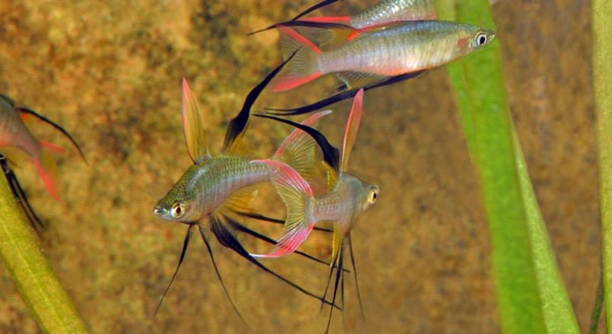
Are your threadfin rainbowfish constantly darting around the tank or freezing in place without warning? Many fish owners notice sudden movements or a wide-eyed expression that makes their fish appear startled even when nothing seems wrong.
Threadfin rainbowfish often appear startled due to environmental stressors, sudden changes in lighting, overcrowding, or the presence of aggressive tank mates. These factors disrupt their sense of safety, triggering instinctive flight responses and heightened alertness in their behavior.
Observing their reactions closely can help you understand the triggers and create a calmer environment for your rainbowfish to thrive.
Sudden Movements in the Tank
Threadfin rainbowfish can be very sensitive to sudden movements inside or outside the tank. When people walk by quickly, tap the glass, or adjust decorations, the fish often react by darting or freezing. These reactions are natural survival instincts carried over from their natural habitats. Bright flashes of light, such as camera flashes or sunlight reflecting off nearby surfaces, can also startle them. Even small changes in water currents or temperature can trigger sudden movements. Maintaining a calm and stable environment is essential for reducing stress. Regularly checking the tank setup, decorations, and lighting will help ensure your rainbowfish feel secure. Observing their behavior over time can help identify patterns in what causes them to startle, allowing you to make adjustments that promote calmer and healthier activity levels in your fish. Consistency is key to building a sense of safety in the aquarium.
Sudden movements often result from environmental changes that the fish cannot anticipate, causing short bursts of stress.
Paying attention to these triggers and creating a stable tank environment can significantly reduce startled behaviors and improve overall fish health.
Overcrowding and Tank Size
Too many fish in one tank can create tension and stress among your threadfin rainbowfish.
Overcrowding prevents fish from establishing their own space, making them more likely to startle at minor disturbances. In a crowded tank, the fish have limited room to swim freely, which increases anxiety and triggers defensive behaviors. Even small groups of aggressive species in the same tank can exacerbate stress levels. Proper spacing allows each fish to feel secure and reduces the frequency of sudden, panicked movements. Monitoring the number of fish relative to tank size is crucial; a general guideline is one inch of fish per gallon of water, though this varies by species. Providing hiding spots with plants or decorations can also reduce tension. By carefully managing tank population and layout, you can create a peaceful environment that encourages normal behavior, allowing threadfin rainbowfish to feel safe and exhibit their natural swimming patterns more comfortably and confidently.
Water Quality Issues
Poor water quality can cause threadfin rainbowfish to act jittery or startled. High ammonia, nitrite, or nitrate levels irritate their gills and stress the fish, leading to erratic swimming and sudden darting in the tank.
Regular water testing is essential. Frequent partial water changes help maintain safe levels of ammonia, nitrites, and nitrates. Using a reliable filtration system and monitoring pH and temperature ensures stability. Even small fluctuations in water parameters can trigger stress responses. Maintaining clean water creates a healthier environment, reducing startled behaviors and encouraging calmer swimming patterns.
Other factors like accumulated waste or leftover food can worsen water quality over time. Removing uneaten food promptly and cleaning the substrate helps prevent spikes in toxins. Threadfin rainbowfish rely heavily on clean water for breathing and comfort. By keeping conditions stable and monitoring water parameters, you can significantly reduce stress-related behaviors and promote a balanced, peaceful tank environment where your fish thrive naturally.
Lighting and Reflections
Bright or inconsistent lighting can make threadfin rainbowfish appear nervous or startled. Sudden changes in light intensity trigger a natural alert response, even in familiar surroundings.
Overhead lights that switch on abruptly or sunlight reflecting off the tank can cause repeated startle reactions. Using dimmable lighting or maintaining a consistent day-night cycle reduces stress. Shadows or reflective surfaces can confuse the fish, making them perceive threats where none exist. Providing areas with subdued lighting or plants allows them to retreat and feel secure.
Reflections from windows or nearby shiny objects can create illusions of other fish or predators, adding to their stress. Adjusting lighting schedules gradually and ensuring soft, even illumination throughout the tank helps maintain a calm environment. Observing how your rainbowfish react to different lighting conditions can guide small adjustments that reduce unnecessary panic, helping them settle into predictable routines and feel safer in their habitat.
Presence of Aggressive Tank Mates
Aggressive fish can make threadfin rainbowfish constantly anxious. Even minor displays of dominance or chasing can trigger startled reactions, making your fish swim erratically or hide frequently.
Keeping peaceful species together reduces stress and promotes calmer behavior. Observing interactions closely helps identify any fish that may be causing tension in the tank.
Sudden Noises and Vibrations
Threadfin rainbowfish are sensitive to vibrations and loud noises. Banging on the tank, nearby footsteps, or household appliances can startle them, causing rapid swimming or freezing. Sudden disturbances make them feel unsafe, triggering instinctive alert behaviors.
Creating a quiet space around the aquarium and placing it away from high-traffic areas minimizes stress. Reducing external vibrations helps the fish maintain a sense of stability, allowing them to swim more naturally and comfortably. Over time, consistent calm surroundings lower the frequency of startled responses, improving their overall well-being and interaction with other tank mates.
Changes in Water Temperature
Rapid changes in water temperature can stress threadfin rainbowfish, leading to sudden darting or hiding. Maintaining a stable, moderate temperature is essential for their comfort and health.
FAQ
Why does my threadfin rainbowfish keep darting around the tank?
Threadfin rainbowfish often dart due to stress or perceived threats. Sudden movements in the room, shadows, or aggressive tank mates can trigger their flight response. Poor water quality or rapid temperature changes may also cause them to swim erratically. Observing the tank environment carefully helps identify these stressors.
Is it normal for them to freeze in place?
Yes, freezing is a natural defense mechanism. When the fish sense danger or feel threatened, they may pause completely to avoid attracting attention. This behavior can happen even in a well-maintained tank, especially if reflections, bright lights, or loud noises occur suddenly.
Can overcrowding cause my fish to appear startled?
Overcrowding significantly increases stress. Limited space prevents fish from establishing territories and reduces their ability to escape perceived threats. Ensuring enough swimming room and avoiding aggressive or incompatible species can minimize startled behaviors and create a calmer tank environment for your rainbowfish.
How often should I check water parameters?
Regular water testing is crucial. Ammonia, nitrite, nitrate, pH, and temperature levels should be monitored weekly. Even small fluctuations can stress rainbowfish. Consistent partial water changes and a reliable filtration system help maintain stable water conditions, reducing erratic swimming and startle responses.
Do lighting and reflections affect their behavior?
Yes, inconsistent lighting or reflections can confuse rainbowfish. Bright flashes or direct sunlight can startle them, and reflective surfaces may create illusions of predators or other fish. Soft, even lighting and plants for hiding spots help them feel secure and reduce unnecessary stress.
Can sudden noises or vibrations make my fish anxious?
Threadfin rainbowfish are sensitive to vibrations and sounds. Household activities like dropping objects, loud footsteps, or appliances near the tank can trigger panic swimming or freezing. Placing the aquarium in a quiet area with minimal disturbances can reduce stress and improve their overall comfort.
What temperature range is best for threadfin rainbowfish?
Maintaining a stable temperature between 75–82°F (24–28°C) is ideal. Rapid changes can shock the fish, causing erratic swimming or hiding. Using a reliable heater and thermometer ensures consistent warmth, supporting their immune system and overall well-being.
Can diet influence startled behavior?
A poor diet can increase stress and weaken immunity, making fish more reactive to minor disturbances. Feeding high-quality flake, pellet, or live foods in small, regular portions supports health and energy levels. Proper nutrition helps rainbowfish remain calm and active.
Will adding plants or decorations help?
Yes, plants and decorations provide hiding spaces and reduce stress. Threadfin rainbowfish feel safer with areas to retreat from perceived threats. Carefully arranging tank décor also helps minimize reflections and shadows that may trigger sudden movements.
How long does it take for fish to calm down in a new tank?
Adjustment varies, but most threadfin rainbowfish take 1–2 weeks to acclimate. Gradual introduction, stable water parameters, and a quiet environment promote comfort. Providing hiding spots and monitoring interactions with tank mates helps reduce initial startled behaviors over time.
Can aggressive tank mates be the reason for constant startling?
Absolutely. Even minor displays of dominance can stress rainbowfish. Removing aggressive species or separating them into different tanks often reduces panic swimming and helps establish a peaceful community environment, allowing rainbowfish to feel secure.
What are the signs of long-term stress in my rainbowfish?
Persistent hiding, rapid gill movement, loss of appetite, or faded colors indicate chronic stress. Consistently startled behavior paired with these symptoms suggests environmental issues like poor water quality, overcrowding, or incompatible tank mates that need attention to prevent health problems.
How can I create a stress-free environment?
Maintaining clean water, stable temperature, consistent lighting, peaceful tank mates, and sufficient space are all key. Providing hiding spots with plants or decorations, minimizing sudden movements near the tank, and regular observation help rainbowfish feel safe, reducing frequent startled reactions and supporting long-term health.
Are there any behavioral cues that signal improvement?
Yes, calmer swimming, regular feeding, and interaction with other peaceful fish show that stress is decreasing. Rainbowfish that explore the tank confidently without sudden freezes or darting indicate that environmental adjustments are working effectively.
How important is tank location for reducing startle responses?
Tank placement is very important. Keeping the aquarium in a low-traffic area away from loud noises, vibrations, and direct sunlight minimizes environmental stress. A quiet, stable setting allows rainbowfish to develop consistent routines and reduces sudden panic behaviors, supporting their overall well-being.
Final Thoughts
Threadfin rainbowfish are naturally alert and sensitive creatures, which means they can startle easily even in well-maintained aquariums. Their sudden movements or freezing behavior are often instinctive responses to perceived threats. Understanding these behaviors is crucial for providing the right care. Environmental stability plays a significant role in their comfort. Factors like water quality, tank size, lighting, and tank mates all contribute to how safe and secure they feel. Ensuring a clean and well-maintained tank with proper filtration and regular water checks can reduce stress levels and minimize startling incidents. Even small improvements, like maintaining consistent water temperature or removing leftover food, can make a noticeable difference in their behavior and overall health.
Observing your rainbowfish closely helps identify triggers that may be causing frequent startling. Sudden movements, bright reflections, loud noises, and aggressive tank mates are common stressors. Once these triggers are recognized, steps can be taken to reduce their impact. Adding plants, decorations, and hiding spots allows the fish to retreat when they feel threatened, giving them a sense of security. Providing ample swimming space and avoiding overcrowding further encourages natural, calm behavior. Paying attention to diet also plays a role, as a healthy and balanced feeding routine supports their energy levels and resilience against stress. Over time, creating a stable, predictable environment helps the fish feel more confident and reduces erratic behaviors, making your aquarium a more peaceful and enjoyable space.
Caring for threadfin rainbowfish requires patience and attentiveness, but the effort is worthwhile. Each fish may react differently to environmental changes, so small adjustments tailored to their specific needs can have a big impact. Regular observation, coupled with proactive maintenance, ensures their habitat remains safe and comfortable. Stress management is not just about avoiding sudden movements or bright lights; it encompasses water quality, tank population, diet, and environmental stability. When these factors are balanced, rainbowfish are more likely to display natural swimming patterns, vibrant colors, and healthy social interactions. Maintaining a calm environment allows them to thrive, and watching them adapt and relax over time can be rewarding, creating a harmonious aquarium where your fish feel secure and live healthier, more content lives.

Hello,
If you enjoy the content that we create, please consider saying a "Thank You!" by leaving a tip.
Every little bit helps us continue crafting quality advice that supports the health, happiness, and well-being of pets around the world, for pets of all shapes, sizes, and species.
We really appreciate the kindness and support that you show us!