
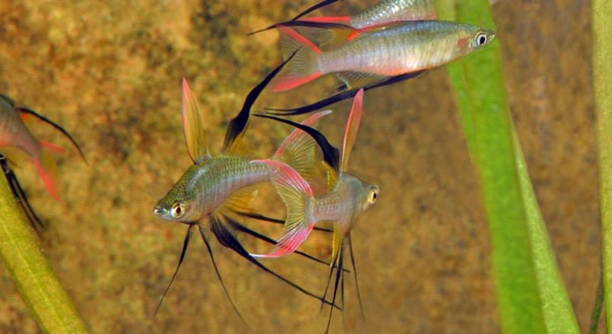
Threadfin are a popular choice for many fish farmers, yet their growth can sometimes be slower than expected despite proper care and feeding routines. Observing their development closely helps identify hidden growth challenges early.
Several factors can unexpectedly slow threadfin growth, including water quality, nutrition, stocking density, disease presence, temperature fluctuations, oxygen levels, and environmental stressors. Addressing these elements systematically is crucial for promoting healthy, consistent growth in cultured threadfin populations.
Understanding these factors is important for maintaining a productive aquaculture system and ensuring that your threadfin reach their full growth potential. Proper management can prevent long-term setbacks and losses.
Poor Water Quality
Poor water quality is one of the main reasons threadfin growth slows down unexpectedly. High ammonia, nitrite, or nitrate levels can stress the fish, making them less active and reducing their appetite. Even slight fluctuations in pH or temperature can impact metabolism, weakening their ability to grow. Algae overgrowth, decaying plant material, or leftover feed can further deteriorate water conditions. Regular monitoring and proper filtration are essential to keep the water clean. Aeration is also important, as low oxygen levels can add additional stress. Many farmers overlook water clarity, assuming it is enough if the fish appear healthy. However, underlying chemical imbalances can be affecting growth silently. Maintaining consistent water conditions helps threadfin feed efficiently and convert food into body mass effectively. Additionally, avoiding overcrowding ensures that waste products do not accumulate too quickly. Proper management of water quality creates a stable environment, encouraging threadfin to grow at their expected rates and improving overall survival.
Regular water testing and filtration adjustments are essential to maintain optimal growth. Consistency is key.
Monitoring water parameters daily, using effective filtration, and performing partial water changes help maintain a stable, healthy environment. Observing fish behavior can indicate stress, prompting immediate corrections to prevent long-term growth issues. Investing in good equipment and routines ensures threadfin thrive, remain active, and efficiently convert feed into body mass. Over time, these small efforts reduce mortality rates, keep fish uniform in size, and make farm management smoother. Even subtle changes in temperature or dissolved oxygen can be noticed and corrected before serious growth delays occur. Clean, balanced water promotes immune function, reducing disease risks and supporting overall fish health. Many farmers see immediate improvements once consistent water management practices are established, highlighting the critical role of water quality in achieving optimal threadfin growth and production goals.
Inadequate Nutrition
Threadfin need a balanced diet to grow at a healthy rate. Feeding too little, too much, or providing poor-quality feed can all slow growth and affect their health.
Providing the right combination of proteins, vitamins, and minerals is essential for development. Skipping supplements or using low-quality pellets can stunt growth and make fish more prone to disease. Regularly adjusting feed according to age and size ensures they receive what they need without overfeeding, which can also degrade water quality. Maintaining a feeding schedule and monitoring consumption patterns helps optimize growth.
Overcrowding
Overcrowding in ponds or tanks limits space for threadfin to swim freely and access food. High density increases competition, stress, and disease risk, all of which directly reduce growth rates and overall health of the fish population.
When too many fish occupy the same area, oxygen levels drop faster, and waste accumulates more quickly. Threadfin under stress eat less and expend energy avoiding each other rather than growing. Overcrowding also makes it easier for diseases to spread, which further affects growth. Reducing stocking density and maintaining proper pond or tank management allows each fish more room, ensuring better access to food and oxygen. Spacing fish properly improves overall water quality, encourages natural behavior, and supports consistent growth. Monitoring population levels regularly helps identify when overcrowding may be becoming an issue, preventing long-term setbacks.
High-density conditions increase stress hormone levels in threadfin, slowing metabolism and reducing feed efficiency. Overcrowded fish often display aggressive behavior, which can cause injuries and further lower growth potential. Providing adequate space ensures healthier fish that grow at expected rates, maintain uniform size, and are less prone to infections or other health problems. Implementing proper stocking practices creates a more manageable environment, making feeding and water maintenance simpler and more effective.
Temperature Fluctuations
Sudden changes in water temperature can shock threadfin, lowering appetite and slowing growth. Consistent temperatures are critical for optimal metabolism and overall health.
Threadfin are sensitive to temperature swings, which can stress their immune system and reduce feed conversion efficiency. If the water becomes too cold or too warm, their activity declines, and digestion slows, resulting in slower growth. Managing temperature through shade, aeration, or controlled heating prevents stress and supports consistent development. Small, gradual adjustments are better than rapid changes, allowing fish to adapt without compromising health. Stable conditions improve survival rates, encourage regular feeding, and maintain uniform growth across the population, supporting both productivity and profitability.
Low Oxygen Levels
Threadfin need sufficient oxygen to feed and grow efficiently. Low dissolved oxygen slows metabolism, reduces appetite, and increases stress, all of which hinder growth.
Oxygen depletion is common in warm weather or crowded ponds. Using aerators or water movement helps maintain healthy oxygen levels and supports faster, more consistent growth.
Disease and Parasites
Infections from bacteria, viruses, or parasites can weaken threadfin quickly. Sick fish eat less and divert energy from growth to fighting illness. Consistent health monitoring, quarantine for new stock, and preventive treatments reduce outbreaks and help maintain steady growth rates.
Environmental Stressors
Sudden changes in lighting, noise, or handling can stress threadfin, slowing their development. Keeping conditions stable and minimizing disruptions encourages better feeding behavior and growth.
FAQ
What is the most common reason threadfin growth slows?
The most frequent factor affecting threadfin growth is poor water quality. High ammonia, nitrite, or nitrate levels, fluctuating pH, and low oxygen stress the fish. Even if feeding seems adequate, stressed fish do not convert food efficiently, leading to slower growth and uneven size.
How often should water parameters be checked?
Water parameters should be checked at least once a day. Monitoring temperature, dissolved oxygen, pH, and nitrogen compounds allows timely intervention. Daily checks help prevent subtle changes from causing long-term growth problems, especially in warm climates or high-density tanks.
Can nutrition alone fix slow growth?
Proper nutrition is essential but cannot fully compensate for other issues like poor water quality or overcrowding. Balanced feed with adequate protein, vitamins, and minerals supports growth, but the environment must remain stable. Feed schedules should match age and size to avoid underfeeding or overfeeding.
How does overcrowding affect threadfin?
Overcrowding increases competition for food, reduces oxygen availability, and raises stress levels. Fish expend energy avoiding each other rather than growing. Dense conditions also make disease transmission easier. Reducing stocking density improves water quality, feed efficiency, and overall growth.
What temperature range is ideal for threadfin?
Threadfin grow best in stable temperatures appropriate to their life stage. Sudden fluctuations, either too cold or too warm, slow metabolism and reduce appetite. Using aerators, shade, or controlled heating maintains stable temperatures and supports healthy growth.
How can diseases be prevented?
Consistent health monitoring, quarantine for new fish, and routine preventive treatments are key. Sick fish eat less and divert energy from growth. Early detection and isolation prevent outbreaks and protect the overall population, maintaining steady growth rates.
Why is oxygen important for growth?
Sufficient dissolved oxygen allows proper feeding, digestion, and energy conversion. Low oxygen levels slow metabolism, reduce appetite, and increase stress, all contributing to slower growth. Aeration, water movement, and avoiding overcrowding maintain oxygen levels and support consistent development.
What are common environmental stressors?
Frequent handling, sudden lighting changes, or loud noises can stress threadfin. Stress reduces feeding efficiency and slows growth. Keeping the environment stable, with minimal disturbances, encourages normal behavior and healthy development.
How long does it take to correct slow growth?
Improving water quality, nutrition, and environmental conditions usually shows results within a few weeks. Immediate changes in feeding, stocking density, or oxygen management can accelerate recovery, but consistent care is necessary for long-term growth improvements.
Are there early signs of slow growth?
Uneven size, reduced activity, loss of appetite, and pale coloration are common indicators. Observing fish behavior daily helps identify problems before they become severe, allowing corrective action to maintain healthy growth.
Can feed quality really make a difference?
Yes. High-quality feed with appropriate protein, vitamins, and minerals directly impacts growth. Low-quality feed or improper particle size can lead to reduced intake, poor digestion, and stunted development. Adjusting feed according to age and size ensures optimal results.
Is stress recovery possible for threadfin?
Threadfin can recover from stress if the underlying issues are corrected. Stabilizing water parameters, reducing overcrowding, maintaining proper nutrition, and minimizing environmental disturbances allow fish to regain appetite, energy, and normal growth patterns over time.
Do temperature changes have long-term effects?
Frequent or extreme temperature fluctuations can permanently reduce growth potential. Chronic stress weakens immunity and slows metabolism. Maintaining stable conditions is essential to prevent lasting damage and ensure uniform development across the population.
How often should preventive treatments be applied?
Preventive treatments depend on disease history and local conditions. Routine checks, along with timely prophylactic measures, help reduce disease outbreaks. Regular schedules prevent infections from spreading and protect overall growth rates.
Is monitoring behavior enough to detect problems?
Behavior observation is a useful tool but should complement water testing and health checks. Changes in feeding, swimming patterns, or social interactions often indicate environmental or health issues that need immediate attention.
Can overcrowding effects be reversed?
Yes, reducing density, improving aeration, and managing feed distribution can reverse growth delays caused by overcrowding. Prompt adjustments prevent stress-related growth setbacks and improve uniformity and overall health of the fish.
How do water changes help with growth?
Partial water changes remove waste, excess nutrients, and maintain oxygen levels. Regular changes improve water quality, reduce stress, and allow threadfin to feed and grow efficiently. The frequency depends on stocking density and filtration efficiency.
Are there signs that water quality is poor?
Cloudy water, foul odor, excessive algae, or sudden fish lethargy often indicate declining water quality. Testing for ammonia, nitrite, nitrate, and pH confirms problems and guides corrective actions. Maintaining clean, balanced water is critical for steady growth.
How important is consistency in daily care?
Consistency in feeding, water monitoring, and environmental management directly supports growth. Irregular routines cause stress, reduce feeding efficiency, and increase disease risk. Stable, daily care creates conditions for threadfin to grow at expected rates.
Can environmental enrichment impact growth?
Providing structures for hiding and resting reduces stress in crowded ponds. Less stress improves appetite and feed conversion. Simple enrichment, combined with stable water and proper nutrition, supports healthier, faster-growing threadfin.
Is growth uniform among all fish?
Even with ideal conditions, slight size differences occur. Addressing water quality, stocking density, nutrition, and stress helps minimize uneven growth. Sorting fish by size in larger operations can ensure more uniform feeding and development.
What is the most effective way to improve slow growth quickly?
Immediate improvements in water quality, oxygen levels, and nutrition provide the fastest results. Reducing overcrowding and minimizing stress also accelerate recovery. Consistent monitoring ensures long-term growth gains.
How long should fish be monitored after correcting issues?
Threadfin should be observed daily for several weeks after adjustments. Monitoring feeding behavior, activity, and overall health ensures that growth has resumed and that no new problems emerge. Consistency in care remains crucial during recovery.
Can low-quality feed be replaced mid-cycle?
Yes, switching to high-quality feed improves growth even mid-cycle. Gradual transition avoids digestive issues. Ensuring proper protein and vitamin content allows fish to catch up on lost growth potential and maintain healthy development.
Does stress affect immunity?
Yes, stress reduces the immune response, making fish more vulnerable to disease. Addressing environmental stressors promptly helps maintain both health and growth rates. Reducing handling, stabilizing temperature, and maintaining clean water all support immunity.
Are all slow-growth issues preventable?
Not all issues are fully preventable, but most can be minimized. Maintaining proper water quality, nutrition, stocking density, and stable environmental conditions greatly reduces the risk of slow growth and disease outbreaks. Early intervention is key.
What role does aeration play in growth?
Aeration increases oxygen levels, reduces waste accumulation, and improves water circulation. Adequate oxygen supports metabolism and feeding efficiency, directly promoting healthy, consistent growth in threadfin populations.
How important is quarantine for new stock?
Quarantine prevents introducing diseases that can impact growth. Isolating new fish for a few weeks ensures they are healthy before joining the main population, reducing stress and protecting overall growth rates.
Can minor water fluctuations affect growth?
Even small, repeated changes in temperature, pH, or oxygen can stress threadfin and slow growth over time. Consistent monitoring and corrective measures prevent these subtle problems from becoming significant.
Is it necessary to feed multiple times a day?
Feeding multiple times supports consistent growth, especially for younger or smaller fish. Smaller, frequent meals improve digestion and reduce waste accumulation, promoting efficient feed conversion and healthier development.
Can disease outbreaks completely stop growth?
Severe outbreaks can halt growth entirely. Infected fish eat less and use energy to fight illness. Quick detection, isolation, and treatment are critical to minimize long-term impact and restore healthy growth patterns.
How does handling affect growth?
Frequent handling stresses fish, slows metabolism, and reduces appetite. Minimizing unnecessary interaction and gentle handling during routine maintenance helps maintain growth rates and overall health.
Are there seasonal effects on threadfin growth?
Yes, seasonal temperature changes, rainfall, and light exposure can influence metabolism and appetite. Adjusting management practices according to seasonal conditions helps maintain steady growth throughout the year.
Is uniform feed particle size important?
Yes, feed particles should match fish size. Too large or too small particles reduce intake and digestion efficiency. Proper sizing ensures all fish feed adequately and grow at expected rates.
Can growth recover after long-term stress?
Recovery is possible if stressors are removed and care is consistent. However, prolonged stress may cause some permanent growth delays. Early detection and correction produce the best outcomes for healthy development.
How often should oxygen levels be measured?
Daily oxygen measurement is ideal, especially in warm weather or high-density ponds. Maintaining consistent levels prevents stress, supports feeding, and ensures proper growth.
Does pond vegetation affect growth?
Excessive vegetation can reduce oxygen levels and release toxins as it decays. Moderate plant coverage provides shade, but overgrowth must be controlled to prevent slow growth and water quality issues.
Can selective breeding improve growth rates?
Yes, choosing fast-growing, healthy fish for breeding helps maintain consistent growth in future generations. Selecting individuals with good feed efficiency and disease resistance improves overall production performance.
How important is record-keeping?
Keeping records of water quality, feed, growth rates, and health helps identify patterns and address slow-growth issues promptly. Detailed logs support informed decisions and long-term farm success.
Can stress recovery be accelerated with supplements?
Certain vitamins and minerals support recovery, improve immunity, and enhance appetite. Supplementing during periods of stress can help threadfin regain energy and growth potential more quickly.
What is the impact of handling new fish poorly?
Rough or frequent handling of new stock increases stress, reduces feeding, and slows growth. Gentle acclimation and careful management ensure fish adjust without compromising development or health.
Do feed additives boost growth?
Some feed additives, like probiotics or digestive enzymes, improve nutrient absorption and feed efficiency. Using them appropriately can enhance growth, particularly when combined with good water management and consistent care.
Can slow growth indicate hidden disease?
Yes, even without visible symptoms, slow growth may signal early-stage disease. Regular monitoring, quarantine, and preventive care help detect problems before they seriously impact growth.
Are all slow-growth factors related to care?
Most factors are influenced by management, including water quality, nutrition, density, and stress. Some external conditions, like extreme weather, may also affect growth, but proper preparation can minimize their impact.
Is it normal for some fish to grow slower than others?
Yes, size variation is common. Managing density, feed access, and water quality minimizes differences, ensuring a more uniform population and reducing competition-related stress.
Can water circulation improve growth?
Yes, proper circulation distributes oxygen and nutrients evenly, reduces waste accumulation, and prevents stagnant areas, creating a healthier environment for threadfin to feed and grow efficiently.
How quickly should feed be consumed?
Feed should be eaten within 15–30 minutes. Uneaten feed can degrade water quality, stressing fish and slowing growth. Monitoring feeding ensures efficiency and prevents waste buildup.
Does handling during harvesting affect growth later?
Rough handling during harvesting causes stress that can temporarily slow growth and reduce feed intake. Gentle techniques minimize recovery time and maintain overall health.
Are all growth delays reversible?
Many growth delays are reversible if addressed promptly. Long-term neglect may cause permanent stunting. Early intervention ensures the best chance of recovery and consistent size among the population.
Can layering multiple factors slow growth more than one alone?
Yes, combined issues like poor water quality, overcrowding, and improper nutrition amplify stress and reduce growth more than a single factor. Addressing all aspects together produces the most effective improvement.
Is daily observation necessary?
Yes, watching fish daily helps detect behavioral or physical changes early. Observing feeding, activity, and appearance allows quick corrective measures before small problems become significant growth issues.
How does feed timing affect growth?
Consistent feeding times promote regular appetite and digestion. Irregular schedules can reduce intake, stress fish, and slow growth. Following a routine helps maintain steady development and efficient feed conversion.
Can algae overgrowth affect growth?
Excessive algae reduces oxygen, competes with fish for nutrients, and can produce toxins. Controlling algae maintains water quality and prevents growth delays caused by low oxygen or stress.
Are preventive health measures worth the effort?
Yes, regular monitoring, quarantine, and treatments reduce disease risks. Healthy fish eat well, grow consistently, and require less intervention, making preventive care essential for maintaining optimal growth.
Does pond depth matter?
Yes, shallow ponds warm and cool quickly, affecting metabolism and oxygen levels. Proper depth helps maintain stable conditions, reducing stress and supporting steady growth.
Can stress from predators slow growth?
Yes, frequent disturbances from predators cause chronic stress, reduce feeding, and slow growth. Protective measures, such as netting or barriers, create a safer environment for healthy development.
Is water hardness important?
Moderate hardness supports metabolism and bone development. Extreme softness or hardness can stress fish, slow growth, and increase susceptibility to disease, so maintaining balanced water chemistry is beneficial.
How do seasonal water changes affect growth?
Rapid changes in temperature or chemistry from rain or evaporation stress fish and reduce feeding efficiency. Gradual adjustments and consistent monitoring minimize negative effects on growth.
Can stress from handling feed impact growth?
Yes, sudden feeding changes or aggressive competition for feed can stress fish. Consistent, gentle feeding practices improve intake, digestion, and growth uniformity.
Are growth supplements necessary for all threadfin?
Not always, but supplements like vitamins, minerals, or probiotics can improve feed conversion and support recovery from stress or illness, ensuring consistent growth across the population.
Can slow growth be genetic?
Genetics play a role in growth potential. Selecting fast-growing, disease-resistant fish for breeding enhances overall production and reduces the impact of inherited slow-growth tendencies.
Is lighting important for growth?
Yes, stable, natural lighting supports feeding behavior and reduces stress. Sudden changes or extremes can disturb normal activity and slow growth.
Does feed moisture content matter?
High-moisture feed can spoil faster, reduce intake, and affect water quality. Properly stored, balanced feed ensures consistent growth and healthy digestion.
Are temperature fluctuations more harmful than water quality issues?
Both impact growth significantly. Rapid temperature swings can stress fish quickly, while poor water quality has a cumulative effect. Managing both simultaneously ensures optimal growth conditions.
Can short-term stress have long-term effects?
Yes, even brief stress events can temporarily slow growth, reduce appetite, or weaken immunity. Minimizing stress and restoring stable conditions quickly helps recovery and prevents long-term setbacks.
Does sorting by size improve growth uniformity?
Yes, grouping fish by size reduces competition and ensures equal access to feed, promoting more uniform growth and reducing stress in crowded populations.
How often should ponds be cleaned?
Regular cleaning depends on stocking density, feed, and vegetation. Removing debris and maintaining filtration prevents waste accumulation, reduces stress, and supports consistent growth.
Can poor feed storage affect growth?
Yes, improperly stored feed loses nutrients, develops mold, or attracts pests. Fresh, properly stored feed ensures adequate nutrition and supports healthy, consistent growth.
Are growth rates predictable?
Growth rates can vary based on genetics, environment, and care. Maintaining optimal conditions makes rates more predictable, but monitoring and adjustments are always necessary to achieve expected outcomes.
Is early intervention better than late intervention?
Yes, addressing slow growth early prevents long-term stunting, reduces disease risk, and allows fish to catch up, maintaining overall uniformity and productivity.
Can stress from water changes affect growth?
Yes, abrupt or large water changes can shock fish, reducing feeding and slowing growth. Gradual adjustments and careful monitoring help fish adapt without negative effects.
Does pond slope affect growth?
Yes, uneven slopes can create stagnant areas with low oxygen, leading to stress and slower growth. Proper pond design ensures circulation and uniform conditions.
Can multiple small issues combine to slow growth significantly?
Yes, small problems like minor oxygen drops, slight overcrowding, or feed inconsistencies can combine and dramatically reduce growth. Addressing all factors together is essential for recovery.
Are there visible signs of recovery after improving conditions?
Improved appetite, more active swimming, uniform size increase, and better coloration indicate recovery. Consistent monitoring confirms that interventions are effective and growth is returning to normal.
Does water temperature affect feed intake?
Yes, extreme temperatures reduce appetite, slowing growth. Maintaining stable, suitable temperatures ensures fish feed efficiently and convert nutrients into body mass effectively.
Can high stocking density affect water quality indirectly?
Yes, more fish produce more waste, which increases ammonia and reduces oxygen. High density indirectly worsens water quality, stressing fish and slowing growth.
Are probiotics in feed beneficial for slow-growing fish?
Yes, probiotics improve gut health, digestion, and nutrient absorption, supporting growth and helping fish recover from stress or mild digestive issues.
Does handling for measurement slow growth?
Excessive handling causes stress, which reduces appetite and slows metabolism. Gentle, minimal handling during measurement preserves feeding behavior and growth efficiency.
Can environmental enrichment speed growth?
Yes, enrichment reduces stress, promotes natural behavior, and encourages feeding. Structures for hiding or resting create a healthier environment, supporting steady growth rates.
Is uniform temperature more important than feeding frequency?
Both matter, but stable temperature supports metabolism and appetite, which allows fish to benefit fully from feeding schedules. Consistency in both ensures optimal growth.
How can minor water chemistry imbalances affect growth?
Even slight deviations in pH, hardness, or ammonia can stress fish, reduce appetite, and hinder nutrient absorption. Monitoring and adjustments prevent slow growth and health issues.
Can uneven feeding cause growth differences?
Yes, competition for feed leads to unequal intake. Sorting by size or providing multiple feeding points ensures all fish access sufficient nutrition, promoting uniform growth.
Does light intensity matter?
Yes, moderate, consistent lighting supports natural feeding rhythms and reduces stress. Too bright or dim lighting can alter behavior and slow growth.
Are sudden water changes more harmful than gradual ones?
Yes, abrupt changes shock fish, reducing feeding and growth. Gradual adjustments allow adaptation without stress, maintaining metabolism and appetite.
Can stress from noise reduce growth?
Yes, loud or frequent disturbances increase stress hormones, lower appetite, and slow metabolism. Minimizing noise creates a calmer environment conducive to growth.
Does feed type affect growth speed?
Yes, high-quality feed with proper protein, vitamins, and minerals promotes faster, healthier growth. Poor feed reduces intake, slows digestion, and stunts development.
Can oxygen supplementation reverse slow growth?
Yes, adding aeration or oxygenation improves metabolism, appetite,
Final Thoughts
Threadfin growth is influenced by many factors, and keeping them healthy requires attention to several key areas. Water quality is the foundation of a productive pond or tank. Regular monitoring of pH, ammonia, nitrite, nitrate, and dissolved oxygen ensures the environment remains safe and stable. Even small fluctuations can stress the fish, lowering their appetite and slowing growth. Consistent partial water changes and proper filtration help maintain clean water and prevent the accumulation of harmful substances. Aeration is also important to keep oxygen levels sufficient, especially during warm weather or in crowded systems. Taking these steps provides a stable environment where threadfin can feed efficiently, metabolize nutrients properly, and develop at expected rates.
Nutrition plays a critical role in threadfin development. Feeding a balanced diet with the right protein, vitamins, and minerals supports healthy growth and immune function. Adjusting feed type, size, and frequency according to the age and size of the fish ensures that all individuals have access to adequate nutrition without overfeeding. Poor-quality feed, overfeeding, or underfeeding can lead to stunted growth and wasted resources. In addition to nutrition, managing stocking density and environmental stressors is essential. Overcrowding increases competition for food and oxygen, elevates stress, and allows diseases to spread more easily. Maintaining proper spacing and minimizing disruptions such as loud noises or sudden changes in lighting helps threadfin remain active and feed consistently, promoting uniform growth across the population.
Disease prevention and careful monitoring complete the picture for healthy growth. Sick or parasite-infected fish eat less and divert energy from growth to fighting illness, so keeping a close eye on health is important. Quarantining new stock, using preventive treatments, and observing behavior daily help catch problems early before they impact the whole population. Temperature fluctuations, low oxygen, and environmental stress all interact with these other factors, so maintaining stability in every aspect of care is key. By combining proper water management, nutrition, disease prevention, and stress reduction, threadfin can grow steadily and reach their full potential. Consistency and attention to detail make a noticeable difference in overall productivity and fish health, providing long-term benefits for anyone raising these fish.

Hello,
If you enjoy the content that we create, please consider saying a "Thank You!" by leaving a tip.
Every little bit helps us continue crafting quality advice that supports the health, happiness, and well-being of pets around the world, for pets of all shapes, sizes, and species.
We really appreciate the kindness and support that you show us!