
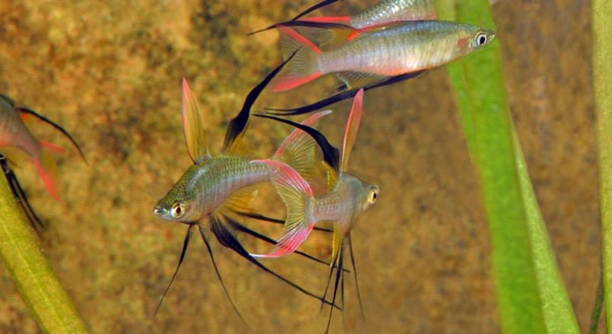
Threadfins are fascinating fish known for their agility and social behavior. During unusual events like extended power outages, their daily routines may change, affecting how they feed, move, and interact within their environment. Observing these changes offers insight.
During a prolonged power outage, threadfins are likely to alter their activity patterns, reduce feeding frequency, and seek calmer areas in their habitat. These adjustments help conserve energy, minimize stress, and maintain stability in fluctuating environmental conditions.
Understanding these behaviors can help fishkeepers ensure threadfins remain healthy and comfortable, even when external factors disrupt their usual routines. Proper care is essential during such periods.
Changes in Feeding Behavior
During a long power outage, threadfins often show noticeable changes in their feeding habits. With lights out and water conditions subtly shifting, they may eat less frequently or become more selective with available food. In some cases, they may rely on stored energy, swimming slower and conserving movement. Observing their behavior can reveal how adaptable these fish are when their environment changes unexpectedly. They may cluster in safer or calmer areas of the tank, avoiding open spaces that feel less secure. Adjusting feeding times and providing easily digestible food can support their health during this period. Even small environmental cues, like water temperature and flow, can influence when and how they feed. Maintaining consistent care and monitoring for unusual behaviors helps ensure they stay healthy, reducing stress caused by the lack of artificial lighting or filtration interruptions.
Monitoring their feeding carefully allows owners to adjust portions and types of food.
Providing supplementary nutrition and maintaining water quality is essential for threadfins during extended outages. Proper planning ensures they remain healthy and active.
Changes in Movement Patterns
Threadfins may reduce active swimming and explore only familiar areas of the tank during outages.
Reduced energy expenditure helps them cope with environmental instability. These fish may stay near the tank bottom or within shaded areas, avoiding sudden movements or unnecessary stress. Altered currents from filtration interruptions can also change how they navigate, prompting more cautious swimming. Owners should pay attention to signs of lethargy or uneven schooling behavior, which could indicate stress or insufficient oxygen levels. Temporary lighting alternatives can encourage normal movement without causing anxiety. Providing enrichment like gentle water flow or small hiding areas supports natural behavior. Maintaining stable temperatures and minimizing disturbances can prevent abrupt reactions to environmental shifts. These adjustments help threadfins maintain balance, conserve energy, and protect overall health during longer periods without power, ensuring they remain as comfortable and secure as possible in their temporary conditions.
Careful observation and minor environmental adjustments can preserve threadfins’ natural activity and wellbeing.
Social Behavior Adjustments
Threadfins may cluster more closely together during extended power outages. Reduced activity and dim conditions encourage group cohesion, helping them feel safer and less exposed to potential threats.
Grouping tightly allows threadfins to maintain a sense of security while conserving energy. In dim conditions, visual cues are limited, so staying close to others reduces stress and helps them navigate the tank more confidently. They may also show subtle signs of communication, like synchronized fin movements or gentle nudging, to coordinate behavior within the group. Maintaining calm surroundings supports these natural social adjustments and prevents unnecessary tension. Observing these changes can help owners understand their fish’s coping strategies and provide gentle interventions if needed.
Providing consistent care and avoiding sudden disturbances ensures threadfins’ social interactions remain stable. Small adjustments to tank conditions can support their natural behaviors.
Stress Responses
Threadfins often display increased caution during prolonged outages, showing slower reactions and avoiding open areas.
Stress responses can include erratic swimming, hiding, or reduced appetite. They may cling to familiar structures or remain near tank edges, minimizing exposure. Maintaining stable water parameters and limiting sudden environmental changes reduces stress levels. Even minor fluctuations in temperature, flow, or noise can trigger defensive behaviors. Monitoring their behavior allows timely interventions, such as supplemental aeration or temporary lighting, to support comfort. Consistent care reinforces their sense of security, helping them cope with the unusual circumstances until normal conditions return.
Supporting threadfins through careful observation and environmental stability helps them manage stress and maintain overall health. Creating safe spaces, maintaining water quality, and avoiding abrupt changes encourage natural coping strategies, allowing fish to remain active yet secure. Regular monitoring ensures timely responses to any concerning behaviors, preventing prolonged stress and supporting their resilience during periods without power.
Interaction with Tank Environment
Threadfins may avoid open areas and stay close to plants or decorations during outages. This behavior helps them feel safer and reduces unnecessary movement.
They might explore slowly and cautiously, testing familiar structures before moving further. Limited light encourages them to stick to shaded zones.
Oxygen and Water Quality Awareness
Threadfins are sensitive to low oxygen and water changes during power outages. They may move toward surface areas where oxygen is higher, adjusting their position to maintain comfort. Awareness of these subtle environmental shifts helps them survive and stay active even when conditions are less than ideal.
Adjusting Sleep Patterns
Threadfins may change their rest periods during extended outages, becoming less active at irregular intervals.
FAQ
How do threadfins cope with limited lighting during a long power outage?
Threadfins rely on natural instincts when lighting is limited. They may reduce swimming activity, stay close to plants or tank decorations, and conserve energy. These behaviors help them feel secure in low visibility and avoid stress caused by sudden environmental changes. Temporary supplemental lighting, such as a battery-powered LED, can help them maintain orientation without overwhelming them.
Do threadfins eat less during prolonged outages?
Yes, they often eat less. Reduced light and calmer surroundings can lower their metabolism, so their feeding needs decrease. Providing smaller, more frequent meals with easily digestible food helps prevent overfeeding. Observing their appetite carefully ensures they receive enough nutrition without causing water quality issues.
Will threadfins show signs of stress during extended outages?
Stress is common in threadfins when conditions change. They may hide more, swim erratically, or show reduced appetite. Maintaining stable water conditions, limiting disturbances, and offering familiar structures help reduce stress. Supplemental aeration can also support oxygen levels, keeping them comfortable until normal conditions return.
How can I ensure proper oxygen levels for threadfins?
Threadfins are sensitive to oxygen changes. Moving them to surface areas or providing gentle aeration helps maintain oxygen availability. Avoid overcrowding and keep water temperature stable, as fluctuations can reduce oxygen levels. Careful observation and minor interventions prevent prolonged stress.
Do threadfins change their social behavior during outages?
Yes, they may cluster more closely or synchronize movements. Tight grouping provides security and helps navigate low-light conditions. Owners should avoid sudden disturbances, allowing these natural social adjustments to continue safely. Observing interactions can reveal how they cope with temporary environmental stress.
How should I adjust feeding schedules during a power outage?
Feed smaller portions more frequently. Threadfins’ metabolism may slow, so they require less food than usual. Avoid overfeeding, as uneaten food can degrade water quality. Monitoring consumption ensures nutritional needs are met while maintaining a healthy environment.
Can threadfins maintain normal activity levels without filtration?
Without filtration, water quality may decline gradually, affecting activity. Threadfins typically reduce swimming and seek calm areas to conserve energy. Occasional gentle water changes or aeration can help maintain comfort. Their natural adaptability allows them to manage short-term disruptions without major health issues.
Are threadfins more vulnerable to illness during outages?
Extended power outages can indirectly increase vulnerability. Stress, reduced feeding, and lower water quality may weaken their immune systems. Maintaining consistent care, monitoring water parameters, and minimizing disturbances help prevent illness. Quick responses to early signs of disease are essential for their well-being.
How can I monitor threadfins’ behavior effectively during an outage?
Observe their swimming patterns, feeding habits, and interactions. Note any hiding, clustering, or unusual movements. Tracking changes daily helps identify stress or health issues early. Small adjustments to environment or care routines can support normal behavior and overall health.
Do temporary lighting or battery-powered devices help threadfins?
Yes, minimal supplemental lighting can aid orientation and reduce stress. Choose dim, stable light sources to mimic natural conditions. Avoid strong or flickering lights, as these can disturb their natural rhythms. Properly used devices help maintain comfort until full power is restored.
Will threadfins recover quickly after power is restored?
Generally, yes. Once light, filtration, and temperature stabilize, they resume normal activity and feeding patterns. Recovery is faster if stress was minimized, water quality maintained, and feeding carefully monitored. Observing gradual normalization confirms their health and well-being.
What signs indicate serious issues during an outage?
Erratic swimming, gasping at the surface, rapid color changes, or refusal to eat may indicate serious stress or declining water quality. Immediate interventions, like gentle aeration, partial water changes, or temporary relocation, can prevent health deterioration. Early attention ensures threadfins remain safe until normal conditions return.
Can environmental enrichment help threadfins during outages?
Yes, subtle enrichment, such as plants, shaded areas, or gentle water flow, supports natural behavior. It reduces stress and encourages calm exploration. Overly complex or artificial setups should be avoided, as threadfins prioritize security and energy conservation during unusual conditions.
How long can threadfins safely endure a power outage?
They can manage short-term outages of a few hours to a day or two with careful observation and minimal disturbances. Longer outages require interventions like aeration, controlled feeding, and water quality monitoring to prevent stress or health issues. Planning ahead ensures their safety and well-being.
Are there preventive measures for future outages?
Yes, maintaining backup power, battery-operated lights, and portable aeration can help. Keeping essential supplies like high-quality food and water testing kits allows timely care. Consistent monitoring and preparation reduce stress and support threadfins’ natural resilience.
Threadfins are remarkably adaptable fish, capable of adjusting their behavior when faced with unusual circumstances, such as long power outages. During these periods, they may reduce activity, alter feeding habits, and seek calmer areas within their habitat. These adjustments are natural responses that help them conserve energy and maintain a sense of security. By observing their patterns, owners can better understand how these fish cope with temporary disruptions. Noticing small changes, such as slower swimming, clustering with other fish, or hiding more frequently, provides valuable insight into their current state. Recognizing these behaviors allows for small interventions that support their health without causing additional stress. For example, slight adjustments in feeding schedules, offering easily digestible food, and ensuring water quality remains stable can help threadfins maintain their overall well-being during power interruptions.
Providing a stable environment is essential to help threadfins manage these temporary challenges. Even minor disruptions in lighting, filtration, or water flow can create stress, so maintaining consistency wherever possible is important. Owners can use subtle measures, such as battery-operated lights or gentle aeration, to support normal behavior. It is also helpful to minimize disturbances around the tank, as threadfins respond best to calm and predictable conditions. During extended outages, monitoring water parameters and oxygen levels ensures that these fish have the necessary conditions to thrive. Consistent care and observation allow for timely adjustments if any signs of stress or illness appear. Paying attention to their environment and behavior can prevent long-term issues and support recovery once normal conditions return.
Understanding threadfins’ responses to prolonged outages helps owners feel more confident in managing these situations. While they may initially appear less active or more cautious, these behaviors are part of their natural coping mechanisms. By providing appropriate care, creating safe spaces, and maintaining stable environmental conditions, threadfins can remain healthy and comfortable even in challenging circumstances. Awareness of their unique needs during outages not only protects their physical health but also supports their overall well-being. Over time, owners may notice that threadfins quickly resume normal patterns once light, filtration, and feeding schedules are restored. Preparing for unexpected disruptions and understanding the fish’s natural adjustments can make these periods manageable, ensuring threadfins continue to thrive in a home environment.

Hello,
If you enjoy the content that we create, please consider saying a "Thank You!" by leaving a tip.
Every little bit helps us continue crafting quality advice that supports the health, happiness, and well-being of pets around the world, for pets of all shapes, sizes, and species.
We really appreciate the kindness and support that you show us!