
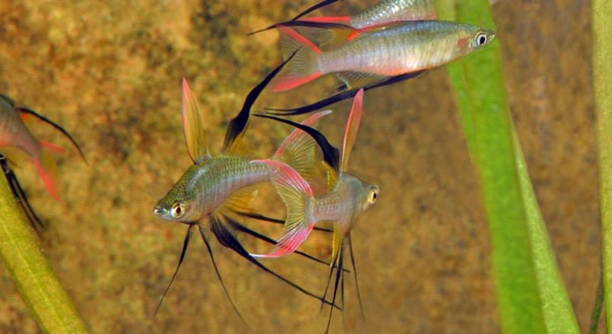
Spotting a submissive threadfin rainbowfish can feel tricky at first, especially if you are new to keeping freshwater aquariums. These fish have subtle behaviors that hint at their gentle and compliant nature, which may not be obvious.
Submissive threadfin rainbowfish often display passive behaviors such as yielding to dominant tank mates, avoiding confrontation, and maintaining a lower position in the water column. These traits are consistent indicators of a submissive temperament in social interactions.
Observing these behaviors closely can help you understand their needs better and create a harmonious aquarium environment for all your fish.
Recognizing Their Body Language
Submissive threadfin rainbowfish often show their temperament through posture and movement. They tend to swim lower in the tank and avoid open spaces where dominant fish gather. Their fins are usually kept closer to the body rather than fanned out. When interacting with other fish, they may dart away quickly or stay on the outskirts of group activity, signaling caution and compliance. Eye contact is brief, and they rarely challenge others directly. During feeding, they may wait for dominant fish to eat first, showing restraint and patience. This behavior helps prevent unnecessary conflicts and maintains harmony within the tank. Observing these subtle cues requires patience, but it gives a clear picture of which fish prefer a passive lifestyle. Over time, their patterns become predictable, allowing you to anticipate their behavior in group settings. Recognizing these traits ensures better management and reduces stress in your aquarium.
Watching a submissive fish helps maintain a balanced environment and prevents aggressive encounters, keeping all species comfortable in the tank.
Understanding these patterns also assists in arranging decorations and hiding spots. Providing shaded areas or plants near the tank bottom can give submissive fish a sense of security. Feeding routines can be adjusted to ensure they get their share of food without confrontation. Interactions with more dominant fish become easier to manage when you know who is likely to yield. This knowledge is crucial when introducing new species or rearranging tank layouts. By observing body language closely, you can make informed decisions to keep stress levels low. Additionally, recognizing these behaviors early helps prevent injuries caused by chasing or bullying. It also allows for selecting compatible tank mates, ensuring all fish thrive. Submissive threadfin rainbowfish can show playful and curious traits when they feel safe, making them rewarding to watch. Proper care and attentiveness create an environment where both dominant and submissive fish coexist peacefully, fostering healthy social dynamics in the aquarium.
Feeding Behavior Patterns
Submissive rainbowfish often hang back during feeding times, letting others eat first while waiting patiently for their turn.
Monitoring feeding behavior provides insight into their hierarchy and comfort levels. These fish rarely compete aggressively, instead consuming food after dominant individuals have moved away. They often linger near the edges, pecking at leftover flakes or pellets. Over time, they develop routines that ensure they get enough nutrition without entering conflicts. Their restraint demonstrates an adaptive strategy in a shared space, highlighting the importance of observation for maintaining harmony. Adjusting feeding schedules, offering multiple feeding spots, or using slow-sinking food can help ensure submissive fish receive adequate nutrition without stress. This behavior also reflects their overall temperament and helps predict responses in new tank setups. Careful attention to feeding dynamics can prevent malnutrition and reduce aggressive encounters, making the aquarium safer and more peaceful for all inhabitants. Observing and accommodating these patterns strengthens your understanding of social behavior in threadfin rainbowfish.
Interaction with Tank Mates
Submissive threadfin rainbowfish usually avoid confrontations, allowing dominant fish to lead. They may follow the group from a distance or retreat when other fish approach too quickly. Their calm demeanor reduces tension and helps maintain a peaceful tank environment for everyone.
They often position themselves at the edges of the school, staying near plants or decorations that provide cover. When other fish chase or nip, submissive rainbowfish rarely retaliate, instead choosing to swim away or hide. This behavior protects them from stress and injury while still allowing participation in group movements. Observing their subtle responses provides insight into the tank’s social structure. Over time, these fish develop predictable patterns, knowing when to assert themselves slightly and when to yield completely. Their behavior is a key indicator of harmony within the aquarium. Consistent observation helps in adjusting tank layouts and feeding routines to accommodate their needs effectively.
Even when new fish are introduced, submissive threadfin rainbowfish adapt by staying cautious and observing interactions before engaging. Their patience and avoidance reduce conflicts and create a stable environment. Over time, they can coexist peacefully with more assertive species, as long as space and hiding spots are sufficient. Maintaining low-stress conditions allows these fish to display natural behaviors without fear.
Response to Environmental Changes
Submissive threadfin rainbowfish may become more withdrawn when tanks are rearranged or when water parameters shift suddenly. They show signs of stress, like hiding, staying still, or avoiding areas previously used for swimming.
These fish are sensitive to both physical and social changes in their habitat. Sudden introduction of strong currents, new decorations, or unfamiliar species can increase their tendency to retreat. Unlike more assertive fish, they rarely explore these changes immediately, instead opting to observe from safe spots. Gradual adjustments in water temperature, lighting, or tank layout help them acclimate without fear. Providing multiple hiding places and ensuring dominant fish cannot monopolize resources are key strategies. Their response is a clear measure of comfort, helping aquarists gauge the suitability of tank conditions. Proper attention to subtle cues ensures submissive rainbowfish remain healthy and confident, even in dynamic environments.
Hiding and Sheltering
Submissive threadfin rainbowfish often seek shelter among plants, rocks, or decorations. They prefer areas where they can observe the tank safely without being noticed, helping them feel secure and minimizing stress.
These fish rarely explore open spaces immediately, instead gradually venturing out once they feel confident. Hiding behavior ensures they avoid confrontations and reduces the risk of being bullied by more dominant tank mates. Their preference for sheltered spots also allows for rest and recuperation, which supports overall health and longevity in the aquarium.
Color and Physical Cues
Submissive threadfin rainbowfish may show slightly paler or less vibrant coloring compared to dominant individuals. This subtle difference often reflects their lower stress tolerance and tendency to avoid attention.
Movement Patterns
These rainbowfish swim more cautiously, often following the flow of other fish instead of leading. They adjust speed and direction to avoid conflicts, demonstrating adaptive, non-confrontational behavior.
Feeding Timing
Submissive fish usually wait for dominant fish to eat first. They approach food slowly and carefully, ensuring they get enough without triggering competition or aggression.
FAQ
How can I tell if my threadfin rainbowfish is truly submissive?
A submissive threadfin rainbowfish consistently avoids confrontations and maintains a lower position in the tank. It often retreats when approached by other fish and waits for dominant individuals to eat first. Subtle changes in fin posture, pale coloration, and cautious movement are also clear indicators of a passive temperament.
Do submissive rainbowfish get bullied easily?
They can experience mild stress if housed with very aggressive species, but their natural avoidance behaviors help minimize direct conflicts. Providing plants, rocks, and hiding spots allows them to retreat safely. Over time, submissive fish usually adapt, staying out of trouble while coexisting with dominant tank mates.
Should I separate submissive fish from dominant ones?
Separation is not always necessary if the tank is well-structured. Offering multiple feeding areas, shaded spaces, and areas for retreat can reduce stress without isolating the fish. Separation may only be needed if dominant fish become overly aggressive or the submissive individual shows signs of poor health.
How does tank size affect submissive behavior?
Larger tanks give submissive fish more room to avoid conflicts, reducing stress and allowing natural exploration. Smaller tanks can make passive fish feel trapped, increasing hiding behavior and stress levels. Ensuring enough space is crucial for both submissive and dominant fish to coexist peacefully.
What kind of tank mates are best for submissive rainbowfish?
Peaceful, non-aggressive species work best. Avoid pairing them with very territorial or fin-nipping fish. Mid-level swimmers who are calm and predictable help maintain a balanced social structure. Observing interactions after introducing new tank mates helps identify any compatibility issues early.
Do submissive fish eat less than dominant ones?
They may appear slower at feeding but will consume enough if food is available in multiple locations. Providing slow-sinking pellets or spreading food across the tank helps ensure submissive fish get proper nutrition without confrontation. Regular observation helps confirm they are eating adequately.
Can submissive behavior affect breeding?
Yes, passive individuals may be slower to court or compete for spawning areas. However, they can still reproduce successfully if conditions are favorable and dominant fish do not monopolize breeding spaces. Providing isolated breeding areas can increase their chances of success.
Is hiding all the time normal for submissive rainbowfish?
Hiding is normal behavior, especially in a new tank or when dominant fish are nearby. Over time, they may explore more once they feel secure. Consistent hiding could indicate stress or insufficient cover, so monitoring environmental conditions is important.
How do I reduce stress for submissive rainbowfish?
Ensure stable water parameters, plenty of hiding spots, and a balanced social group. Avoid sudden changes in lighting, decorations, or tank mates. Gentle, predictable feeding routines also reduce stress and encourage normal behavior.
Are submissive rainbowfish less healthy than dominant ones?
Not necessarily. With proper care, they thrive equally well. Their cautious nature helps prevent injury, but stress management is key. Regular observation, balanced feeding, and sufficient space support their overall health and well-being.
Can submissive behavior change over time?
Yes, submissive traits are generally consistent but can shift slightly with age, tank conditions, or changes in the social hierarchy. They may become more confident in a calm, stable environment, though true dominance is rare. Adaptation depends on the tank setup and interactions with other fish.
Do submissive rainbowfish interact with each other differently?
They often form loose, cooperative groups, avoiding direct competition. Their interactions are gentle and predictable, allowing them to coexist without conflict. Observing these interactions can help you understand their natural social structure and adjust tank conditions accordingly.
Submissive threadfin rainbowfish are gentle and cautious by nature, which makes them unique compared to more assertive tank mates. Their behavior can be subtle, but with careful observation, you can identify the signs of a passive temperament. They tend to avoid confrontation, stay near the bottom of the tank, and seek shelter among plants or decorations. These habits are not a sign of weakness but a natural way for them to coexist peacefully with dominant fish. Recognizing these patterns early allows you to provide a supportive environment that helps them thrive. Paying attention to body language, movement, and feeding behavior provides insight into how comfortable they feel in the tank. Over time, you will notice predictable routines, which can make caring for them easier and reduce stress for both the fish and yourself.
Maintaining a proper tank setup is essential for the well-being of submissive rainbowfish. Providing plenty of hiding spots, gentle currents, and multiple feeding areas ensures that they can access food and rest safely. Tank size also matters; a larger aquarium gives them space to avoid conflicts and explore without pressure. When introducing new fish, observe how submissive individuals react, and make adjustments if necessary. Calm and compatible tank mates are important for maintaining harmony, and overcrowding should be avoided to prevent stress. Monitoring water quality is equally crucial, as poor conditions can amplify their natural shyness and cause health issues. With thoughtful planning and consistent care, submissive threadfin rainbowfish can display their natural behaviors and remain healthy for many years.
Observing these fish can be rewarding, as their subtle personalities are often overlooked in mixed tanks. They have a quiet curiosity and interact with the environment in ways that are interesting once you know what to look for. While they may spend more time hiding or waiting for food, they contribute to the social structure of the tank and create balance. Understanding their behavior allows you to manage dominant and submissive fish together without constant intervention. The key is patience, attention, and creating an environment where all fish feel safe and secure. By respecting their cautious nature and providing the right conditions, submissive threadfin rainbowfish can thrive, making your aquarium a calm and harmonious space where each fish can display its personality naturally.

Hello,
If you enjoy the content that we create, please consider saying a "Thank You!" by leaving a tip.
Every little bit helps us continue crafting quality advice that supports the health, happiness, and well-being of pets around the world, for pets of all shapes, sizes, and species.
We really appreciate the kindness and support that you show us!