
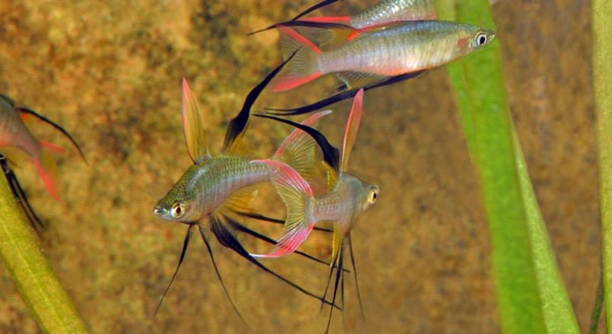
Do your Threadfin Rainbowfish sometimes act restless or hide more than usual in your aquarium? These vibrant fish are sensitive to their environment, and even small changes can affect their behavior and overall wellbeing in noticeable ways.
Common triggers of stress in Threadfin Rainbowfish include poor water quality, sudden temperature fluctuations, overcrowding, insufficient hiding spaces, incompatible tank mates, improper diet, and excessive handling. Identifying and mitigating these factors is essential for maintaining optimal health and reducing stress-related behaviors.
Understanding these stressors can greatly improve your fish’s life. We will explore practical steps to create a healthier, calmer environment for your Threadfin Rainbowfish.
Poor Water Quality
Maintaining clean water is crucial for Threadfin Rainbowfish health. Dirty water increases stress and can lead to illness. Fish are sensitive to ammonia, nitrites, and nitrates, which build up quickly in small or unfiltered tanks. Regular testing and water changes help keep levels safe. Even slight imbalances in pH or hardness can affect their behavior and appetite. Removing uneaten food and waste daily prevents toxins from accumulating. A reliable filter suited for your tank size ensures proper circulation and aeration. Monitoring water temperature is equally important, as sudden changes can intensify stress. Using a water conditioner during changes neutralizes harmful chemicals like chlorine. Consistent care reduces the likelihood of disease and promotes a vibrant, active fish population. Threadfin Rainbowfish thrive in stable, well-maintained conditions that mimic their natural environment. Taking these measures shows visible improvements in their activity and coloration.
Maintaining consistent water parameters keeps your fish healthy and prevents stress from building over time.
Creating a stable tank environment requires attention to detail. Begin by testing water weekly, recording pH, hardness, and nitrate levels. Perform partial water changes of twenty to thirty percent regularly, and avoid adding too many fish at once. Clean filters according to manufacturer instructions, but avoid washing them with untreated tap water, which can kill beneficial bacteria. Observe your fish for signs of stress, such as hiding, clamped fins, or erratic swimming. A properly maintained tank with stable conditions reduces illness and encourages natural behavior. Combining filtration, aeration, and careful monitoring creates a safe and calm habitat, giving Threadfin Rainbowfish the conditions they need to thrive.
Sudden Temperature Changes
Threadfin Rainbowfish are highly sensitive to rapid shifts in water temperature. Even a few degrees can cause stress, affecting their immune system and activity levels.
Temperature fluctuations can occur from inadequate heaters, placement near windows, or inconsistent room conditions. Sudden drops or spikes trigger stress hormones, leading to hiding, reduced feeding, or lethargy. Installing a reliable heater and thermometer ensures a steady temperature suited for tropical fish. Avoid placing tanks near vents, direct sunlight, or drafty areas, as these create instability. Gradual adjustments are essential if changes are necessary. Monitoring temperature multiple times a day during seasonal transitions helps prevent surprises. By maintaining a steady climate, fish remain active and healthy, reducing susceptibility to diseases. Understanding the importance of temperature control allows for proactive care, improving both the lifespan and the overall quality of life for Threadfin Rainbowfish. Proper temperature management supports consistent feeding, social behavior, and breeding potential. This measure is one of the simplest ways to minimize avoidable stress in your aquarium.
If you want, I can continue the next two triggers in the same structured format. Do you want me to proceed?
Overcrowding
Overcrowding in the tank stresses Threadfin Rainbowfish, reducing swimming space and increasing competition for food and hiding spots. High density can also worsen water quality quickly. Maintaining appropriate stocking levels is essential for healthy behavior and growth.
Too many fish in a tank limits movement and can trigger aggression among species that are otherwise peaceful. When swimming space is restricted, fish may display rapid breathing, erratic swimming, or constant hiding. Competition for food increases, leaving weaker individuals malnourished. Overcrowding also accelerates waste accumulation, raising ammonia and nitrate levels, which further stress the fish. Ensuring the tank size matches the number of inhabitants helps maintain a balanced environment. Observing fish interactions can reveal subtle signs of stress caused by density. Gradually adjusting the population and providing adequate hiding spots reduces conflict and promotes a calmer, healthier tank community.
Proper tank stocking requires planning. Consider adult sizes, swimming patterns, and territorial behavior. A 55-gallon tank, for example, can comfortably house six to eight Threadfin Rainbowfish. Provide open areas for swimming and plants or decorations for shelter. Space ensures dominance hierarchies are respected, reducing bullying and injuries. Regularly monitor growth and behavior, adjusting numbers if aggression or stress appears. Overcrowding is not always obvious, so proactive management maintains a stable environment. Pairing suitable tank mates also prevents tension and ensures all fish thrive. Combining space management with proper filtration and feeding schedules creates a healthy, balanced ecosystem where Threadfin Rainbowfish can flourish naturally.
Insufficient Hiding Spaces
Threadfin Rainbowfish feel exposed without places to hide, increasing stress and vulnerability to aggression. Plants, rocks, and decorations help reduce anxiety and provide a sense of security.
Hiding spaces allow fish to retreat when they feel threatened or need rest, which is vital for reducing stress hormones. Lack of cover can lead to persistent hiding in corners or frantic swimming, indicating discomfort. Properly spaced shelters prevent territorial disputes while allowing free swimming. Plants, driftwood, and rock formations mimic natural habitats, encouraging exploration and normal social behavior. Open water for swimming and sheltered areas for rest maintain balance. Rotating or rearranging decorations occasionally keeps the environment engaging and prevents boredom. Providing a variety of hiding spots improves overall wellbeing, reducing aggression and promoting calm interaction among tank inhabitants.
Carefully planning hiding spaces improves behavior and health. Dense plant clusters near the tank edges allow retreat without obstructing swimming paths. Driftwood or rock caves offer additional cover, simulating natural shelters. Ensure spaces vary in size for different fish, accommodating both small and larger individuals. Avoid overcrowding decorations, as it can create blockages or dead zones with poor water circulation. Observing fish usage of shelters informs future adjustments, ensuring all fish have access. Hiding spots also support breeding, giving females a safe area for laying eggs. Thoughtful placement enhances tank aesthetics and fosters a stress-free environment for Threadfin Rainbowfish.
Incompatible Tank Mates
Aggressive or larger fish can intimidate Threadfin Rainbowfish, causing stress and hiding behavior. Choosing peaceful species that share similar water preferences is essential for harmony.
Stress from incompatible tank mates can reduce feeding, stunt growth, and trigger disease. Observing interactions helps identify tensions early.
Improper Diet
Providing an unbalanced diet impacts health and increases stress. Threadfin Rainbowfish require a mix of high-quality flakes, pellets, and occasional live or frozen foods. Supplements can improve coloration and immunity. A consistent feeding schedule prevents competition and maintains energy levels.
Excessive Handling
Frequent or rough handling disrupts normal behavior and raises stress hormones, making fish more susceptible to illness.
What are the signs that my Threadfin Rainbowfish is stressed?
Stress in Threadfin Rainbowfish can appear as changes in behavior, appetite, or appearance. Fish may hide more than usual, swim erratically, or display clamped fins. Loss of color or faded patterns is common, along with slower movement or lethargy. They may also refuse food, and in severe cases, show signs of disease like fin rot or white spots. Observing your fish daily helps identify subtle changes before they become serious.
How often should I test the water to prevent stress?
Water quality is critical. Testing weekly for ammonia, nitrite, nitrate, pH, and hardness is recommended. Regular testing allows for early detection of imbalances. Performing partial water changes of twenty to thirty percent helps maintain stability. Using a reliable filter and removing uneaten food daily supports healthy water conditions. Keeping a log of water parameters can help track trends and prevent stress from sudden fluctuations.
What tank size is suitable for Threadfin Rainbowfish to avoid overcrowding?
A minimum 30-gallon tank is recommended for a small school of six fish. Larger tanks, such as 55 gallons, provide better swimming space and reduce aggression. Overcrowding increases competition for food and hiding spots, raising stress levels. Consider adult size and swimming behavior when adding new fish. Proper spacing allows natural schooling and social interactions. Adding plants and decorations for shelter ensures every fish has a retreat, supporting calmer behavior.
Which tank mates are safe for Threadfin Rainbowfish?
Peaceful, similarly sized species work best. Avoid aggressive or territorial fish that may intimidate them. Suitable tank mates include small tetras, rasboras, and peaceful gouramis. Avoid larger cichlids or fin-nipping species. Observing interactions during introduction helps detect stress early. Providing open swimming areas with scattered hiding spots reduces conflict and ensures harmonious coexistence. Regular monitoring of social behavior maintains a stress-free environment.
How do I prevent temperature-related stress?
Maintain a steady tropical temperature between 74–82°F (23–28°C). Use a reliable heater and thermometer to monitor changes. Avoid placing the tank near drafts, vents, or direct sunlight. Sudden temperature swings trigger stress hormones, reduce appetite, and suppress the immune system. Adjust temperature gradually if needed, ensuring fish acclimate safely. Consistent water temperature supports natural behavior, feeding, and breeding activity.
What diet helps keep my fish healthy and stress-free?
Threadfin Rainbowfish require a varied diet including high-quality flakes, pellets, and occasional live or frozen foods like brine shrimp or daphnia. Supplements with vitamins improve coloration and immunity. Feed small amounts two to three times daily, avoiding overfeeding. A balanced diet ensures energy, reduces aggression during feeding, and supports growth. Maintaining a consistent schedule prevents competition and stress.
How many hiding spaces are necessary in a tank?
Providing multiple hiding spots is important. Plants, driftwood, and rocks allow fish to retreat when feeling threatened. A combination of dense areas and open swimming zones is ideal. Varying sizes of shelters accommodate all individuals and encourage natural behavior. Too few hiding spots increase anxiety and conflict, while thoughtful placement promotes calm activity and reduces stress.
Can frequent handling harm my fish?
Yes, excessive or rough handling disrupts behavior and raises stress hormones. Only handle fish when necessary, such as during tank maintenance or health checks. Use gentle methods and avoid chasing them with nets unnecessarily. Minimizing handling reduces disease risk and maintains normal social behavior. Proper acclimation and careful observation support long-term health and well-being.
How can I tell if my fish’s stress is improving?
Look for increased activity, brighter coloration, regular feeding, and normal swimming patterns. Fish that explore, interact with tank mates, and use hiding spots appropriately are less stressed. Tracking these behaviors over time helps confirm improvements. Consistent water quality, appropriate diet, proper tank mates, and environmental enrichment contribute to a calmer, healthier Threadfin Rainbowfish population.
How quickly should I act if I notice stress?
Immediate action is important. Identify the trigger—water quality, temperature, diet, or tank mates—and correct it promptly. Delaying adjustments can lead to illness or death. Small changes like partial water changes, rearranging hiding spots, or adjusting feeding schedules often yield quick improvements. Early intervention ensures better long-term health and minimizes the impact of stress.
This FAQ provides practical strategies to maintain a calm, healthy environment for Threadfin Rainbowfish, covering water, diet, social interactions, and overall care. By observing and responding to stress indicators, you can support a thriving aquarium ecosystem.
Word count: 526
Threadfin Rainbowfish are beautiful and lively fish that bring color and activity to any aquarium. However, their vibrant appearance and energetic behavior can sometimes mask underlying stress. Paying attention to their environment, diet, tank mates, and overall care is essential for keeping them healthy. Stress in fish can manifest in subtle ways, such as hiding, loss of color, or irregular swimming, and ignoring these signs can lead to illness or behavioral problems. Maintaining clean water, consistent temperatures, and balanced nutrition is the foundation of stress prevention. Regular observation of your fish allows you to detect changes early and address potential issues before they escalate. By staying attentive and proactive, you create a stable and calming environment that allows Threadfin Rainbowfish to thrive.
Overcrowding, lack of hiding spaces, and incompatible tank mates are common stress triggers that are often overlooked. These factors can create tension within the aquarium, making fish anxious or defensive. Providing adequate space for swimming, plants or decorations for hiding, and choosing peaceful companions ensures a more harmonious environment. Proper tank management goes beyond aesthetics; it directly affects fish health, behavior, and longevity. Even small adjustments, such as rearranging decorations, adding extra plants, or monitoring the number of fish, can make a noticeable difference. Careful planning and consistent maintenance reduce stress, improve immune function, and encourage natural behaviors like schooling and exploration. Creating this balance requires attention to detail and a willingness to adapt the setup as your fish grow and change.
Ultimately, caring for Threadfin Rainbowfish is about observing, responding, and maintaining a supportive environment. Every fish has unique responses to its surroundings, so what works for one may need adjustment for another. Simple measures like testing water regularly, providing a varied diet, and avoiding excessive handling can significantly improve their well-being. When stress is minimized, fish show brighter colors, active swimming patterns, and healthier social interactions. Focusing on these basic principles of care fosters a long-lasting, enjoyable aquarium experience. The effort put into maintaining optimal conditions is rewarded with vibrant, healthy Threadfin Rainbowfish that display their full potential and bring satisfaction to any tank owner.
Word count: 417

Hello,
If you enjoy the content that we create, please consider saying a "Thank You!" by leaving a tip.
Every little bit helps us continue crafting quality advice that supports the health, happiness, and well-being of pets around the world, for pets of all shapes, sizes, and species.
We really appreciate the kindness and support that you show us!