
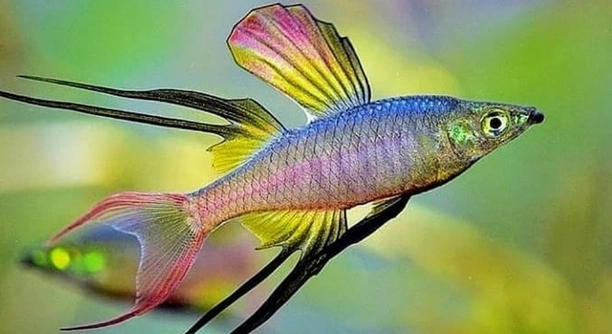
Threadfin Rainbowfish are small, shimmering fish often admired for their graceful movements in aquariums. Many aquarists notice that these fish sometimes swim in zigzag patterns rather than straight lines, adding a lively dynamic to their tanks.
Threadfin Rainbowfish swim in zigzags primarily as a survival and foraging behavior. This motion helps them avoid predators by creating unpredictable movement patterns while also aiding in searching for food efficiently within their environment.
Observing their unique swimming style reveals more about their instincts and natural behavior than initially meets the eye. Understanding this can improve care and habitat design for these delicate fish.
Why Threadfin Rainbowfish Prefer Zigzag Swimming
Threadfin Rainbowfish often swim in zigzag patterns as part of their natural instincts. This movement allows them to react quickly to any sudden changes in their environment, whether it is other fish, sudden shadows, or water currents. Zigzag swimming also helps them explore their surroundings more effectively, keeping them alert. When they move in straight lines, they are more predictable, which can make them vulnerable to threats. Their slender bodies and flexible fins allow for sharp turns and quick direction changes. Watching them navigate the tank, it is easy to see how this behavior combines both caution and curiosity. Feeding times often trigger more pronounced zigzag patterns as they compete for food, darting back and forth. Even in small aquariums, these fish maintain their natural swimming habits, which can make observing them feel more engaging. Their patterns are instinctual, developed to ensure safety and efficiency in movement.
Zigzag swimming is a natural way to stay alert and safe while maintaining agility and efficient exploration in the tank.
Providing enough space and hiding spots encourages this instinctive movement, keeping the fish healthy and active over time.
How Tank Conditions Influence Swimming Patterns
Tank size and layout directly affect how Threadfin Rainbowfish swim. Smaller tanks may restrict their movement, forcing them to adjust their patterns, while larger tanks allow more freedom for zigzag behavior. Decorations, plants, and rocks create obstacles, prompting the fish to maneuver unpredictably. Water flow and temperature also influence activity levels. Fish in gently flowing water tend to swim with more pronounced zigzags to stabilize themselves and navigate currents. Consistent conditions encourage regular swimming patterns, while sudden changes in water parameters can cause stress, leading to erratic or slower movements. Observing these patterns can reveal their comfort and health levels. Feeding and social interactions further influence movement. Fish that feel secure will explore more actively, zigzagging confidently around the tank.
Maintaining a well-balanced, stable environment is key to supporting natural behavior in Threadfin Rainbowfish, reducing stress and promoting activity.
Optimal tank conditions include moderate plant density, gentle filtration, and temperature regulation. Regular monitoring ensures water remains clean and safe. Observing how fish navigate obstacles can guide adjustments to tank layout. Overcrowding or lack of enrichment can suppress zigzag behavior, making fish less active. By understanding their responses, caretakers can create an environment that encourages natural swimming while promoting overall health. Social interactions among multiple fish also influence movement patterns, with fish often coordinating their zigzags in response to others. Ensuring a stable environment and thoughtful arrangement of decor supports these instincts, leading to a lively and visually engaging aquarium.
Diet and Its Impact on Movement
Threadfin Rainbowfish often adjust their swimming patterns based on feeding times. When searching for food, they move quickly and unpredictably, increasing the frequency of their zigzags. Their diet influences energy levels, which directly affects how actively they swim throughout the day.
A varied diet rich in proteins and plant matter supports both health and activity. Fish fed consistently and appropriately tend to show more natural zigzag movements. Lack of proper nutrition can lead to sluggish swimming, reduced exploration, and less responsive behavior. Feeding small amounts multiple times a day encourages frequent, energetic movement while preventing overfeeding and water quality issues. Observing their reactions during feeding can indicate whether their nutritional needs are being met. Healthy, active fish will dart efficiently and maintain agility. Ensuring a balance of flake, pellet, and live or frozen foods provides both variety and necessary nutrients.
Diet directly impacts overall behavior, stamina, and responsiveness. Providing consistent, high-quality nutrition helps maintain their natural swimming patterns and lively energy. Proper feeding routines ensure they remain active, agile, and capable of performing quick, zigzag movements that are instinctual and necessary for well-being.
Social Interactions and Swimming Dynamics
Threadfin Rainbowfish are social creatures, and their swimming patterns are influenced by the presence of other fish. Group dynamics often lead to coordinated movements and synchronized zigzags.
In a community, fish adjust their speed and direction in response to peers. Dominant individuals may swim more confidently, while shy ones follow, creating dynamic patterns in the tank. Schooling behavior provides safety, with zigzag movements making it harder for potential threats to isolate a single fish. Interactions with other species can also alter behavior; peaceful tank mates encourage consistent activity, while aggressive companions may trigger evasive swimming. Observing these interactions offers insight into both hierarchy and comfort levels. Social engagement stimulates natural instincts and keeps the fish physically active. Group size, compatibility, and spacing play critical roles in shaping these patterns, influencing both energy expenditure and overall health. By maintaining an appropriate number of compatible fish, caretakers can foster lively, natural swimming behaviors.
Stress and Environmental Factors
Stress can significantly influence how Threadfin Rainbowfish swim. Sudden noises, rapid movements near the tank, or aggressive tank mates often cause increased zigzagging as a defensive response.
Maintaining stable water conditions, proper tank size, and minimal disturbances helps reduce stress. Fish in calm environments display more natural, measured movements and are less prone to erratic swimming.
Predatory Instincts
Even in home aquariums, Threadfin Rainbowfish retain their predatory instincts. Their zigzag swimming mimics evasive maneuvers used to escape potential threats in the wild. These quick directional changes make it harder for predators to predict their movement, enhancing survival instincts.
Tank Enrichment
Adding plants, rocks, and hiding spots encourages exploration. Zigzag swimming increases as fish navigate obstacles and interact with the environment, keeping them active and engaged.
FAQ
Why do Threadfin Rainbowfish swim in zigzags instead of straight lines?
Threadfin Rainbowfish swim in zigzags as an instinctive response to environmental stimuli. This movement pattern helps them avoid potential threats and predators by being less predictable. It also aids in efficient foraging, allowing them to cover more area while searching for food. Their natural agility and flexible fins make sharp turns and sudden directional changes easy, which reinforces this behavior. Even in calm home aquariums, they maintain this instinctual pattern as part of their daily routine.
Is zigzag swimming a sign of stress or illness?
Not always. While excessive or frantic zigzag movements can indicate stress, normal zigzagging is part of their natural behavior. Stressful conditions like poor water quality, aggressive tank mates, or overcrowding can amplify erratic movements. Healthy fish, however, will show controlled, purposeful zigzags, particularly when exploring the tank or during feeding. Observing the consistency of their movements along with overall health indicators such as appetite, coloration, and fin condition helps distinguish natural activity from stress-related behavior.
Does tank size affect their swimming patterns?
Yes. Smaller tanks restrict movement and can reduce zigzag behavior because there is less space to maneuver. Larger tanks allow more freedom, giving fish the room to perform natural, agile movements. Including plants and decorations encourages navigation and stimulates zigzag swimming, while overly cramped or barren tanks can suppress activity and cause frustration. Ensuring adequate swimming space is crucial for both physical health and mental stimulation.
How does diet influence their activity?
Diet plays a key role in energy levels and swimming behavior. High-quality, protein-rich foods increase vitality, encouraging active zigzagging during feeding and exploration. Fish that are underfed or receive low-quality food may appear sluggish, swim less, or avoid rapid movements. A balanced diet, including flakes, pellets, and occasional live or frozen foods, ensures consistent activity and supports overall health. Feeding smaller portions multiple times a day promotes frequent movement without overloading the tank.
Do Threadfin Rainbowfish interact with other fish when swimming?
Yes. These fish are social and often adjust their swimming patterns based on the presence of tank mates. In a school, they synchronize movements and respond to each other’s changes in direction. Friendly, compatible fish encourage active zigzagging, while aggressive or territorial tank mates may cause evasive or erratic movements. Observing social interactions helps identify comfort levels and can guide adjustments to tank population and layout.
Can water flow or temperature change their swimming behavior?
Absolutely. Threadfin Rainbowfish adjust their swimming based on water conditions. Moderate currents encourage zigzag patterns to stabilize movement and navigate efficiently. Extreme changes in temperature or water quality can reduce activity, cause stress, or trigger frantic movements. Maintaining stable parameters ensures consistent, healthy behavior and supports natural instincts.
How can I encourage natural zigzag swimming in my tank?
Provide a spacious environment with decorations, plants, and hiding spots to mimic natural obstacles. Stable water conditions, proper nutrition, and compatible tank mates all encourage active and confident movement. Observing their interactions and behavior allows adjustments to enrich their habitat, keeping them stimulated and healthy. Proper care reinforces instinctive patterns like zigzag swimming while reducing stress.
Is zigzag swimming unique to Threadfin Rainbowfish?
While many fish exhibit similar patterns, Threadfin Rainbowfish are particularly noticeable for their frequent, sharp directional changes. This is linked to their slender body structure, agility, and schooling behavior. Other active fish may zigzag occasionally, but these rainbowfish display it consistently as part of their natural repertoire. Their movement is both a survival tactic and a reflection of their energetic, social nature.
Do juvenile and adult fish swim differently?
Juveniles often show more erratic zigzag movements as they are learning to navigate the environment and avoid threats. Adults display more controlled, purposeful zigzags, often synchronized with tank mates. Both age groups maintain this instinctive behavior, but the intensity and frequency can vary depending on size, maturity, and confidence within their environment.
Can enrichment reduce stress-related zigzagging?
Yes. Providing plants, rocks, and tunnels allows fish to explore safely, reducing stress-induced erratic movements. Enrichment encourages natural behavior, making zigzag swimming purposeful and less frantic. Overcrowding or lack of hiding spots can increase stress, while thoughtful tank design supports healthy, instinctive activity and overall well-being.
This FAQ section addresses common questions about zigzag swimming, helping caretakers understand why Threadfin Rainbowfish move the way they do and how to support their natural instincts effectively.
Threadfin Rainbowfish are fascinating creatures, and their zigzag swimming is one of the most noticeable behaviors in the aquarium. This movement is not random; it is an instinctive response to both environmental conditions and their natural survival mechanisms. In the wild, these fish face predators and obstacles that require quick, unpredictable movements. Zigzag swimming allows them to evade threats while efficiently exploring their surroundings and searching for food. Even in home aquariums, this instinct remains strong. Watching them move can give a deeper understanding of their natural behavior, showing how agility and awareness are built into their daily patterns. Their sleek bodies and flexible fins make it easy for them to change direction suddenly, which is part of what makes their movement appear so dynamic and energetic.
Providing the right environment is essential to supporting this natural behavior. Tank size, water quality, and enrichment all influence how frequently and effectively these fish exhibit zigzag swimming. Larger tanks give them room to move freely, while well-placed plants, rocks, and hiding spots encourage exploration and interaction with the environment. Stable water conditions, including temperature and filtration, reduce stress, allowing the fish to move confidently and maintain healthy patterns. Nutrition also plays an important role. A balanced diet that includes high-quality flake, pellet, and occasional live or frozen foods helps sustain energy levels, keeping the fish active throughout the day. Observing how the fish respond to these factors provides insight into their comfort and overall well-being, showing how environmental care directly impacts their behavior.
Social interactions further shape the zigzag movement of Threadfin Rainbowfish. These fish are naturally social and often swim in coordinated patterns with their tank mates. Group dynamics can influence how individuals move, from dominant fish leading and others following to synchronized maneuvers that mimic natural schooling behavior. Even minor changes in tank population or compatibility with other species can affect the way they swim, either encouraging more confident, purposeful zigzags or causing evasive, erratic movements. Paying attention to these social behaviors can guide adjustments to the tank, ensuring all fish are comfortable and active. Overall, zigzag swimming is a normal, healthy part of their behavior that reflects both instinct and environmental adaptation. Supporting these natural tendencies with proper care, tank setup, and nutrition allows Threadfin Rainbowfish to thrive, making their movements both lively and a true reflection of their well-being.

Hello,
If you enjoy the content that we create, please consider saying a "Thank You!" by leaving a tip.
Every little bit helps us continue crafting quality advice that supports the health, happiness, and well-being of pets around the world, for pets of all shapes, sizes, and species.
We really appreciate the kindness and support that you show us!