
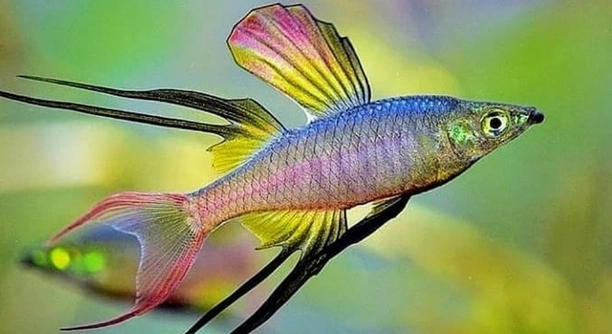
Have you ever noticed your threadfin fish resting motionless and wondered if they follow their own unique sleeping patterns each day? Their calm, still behavior often raises curiosity about how these delicate creatures rest in their aquatic world.
Threadfins do not have individual sleeping habits like humans or some mammals. Instead, their rest patterns are influenced by environmental factors such as light, water temperature, and activity levels within their group. They enter a state of reduced activity rather than true sleep.
While their behavior may seem simple, there is a fascinating balance between instinct and environment shaping how threadfins rest in their watery homes.
Understanding How Threadfins Rest
Threadfins, like many other fish species, do not experience deep sleep the way humans do. Instead, they enter a state of reduced activity where their metabolism slows, and their movements become minimal. This quiet period often occurs during nighttime or in dim lighting, allowing them to conserve energy. During this time, their bodies remain alert to changes in the environment, helping them respond quickly to potential threats. Some threadfins may hover near the bottom or stay still in open water, blending with their surroundings to avoid predators. This resting phase is essential for maintaining their energy balance and overall health, especially in aquariums where lighting and feeding schedules are controlled. Observing threadfins during these moments can offer insight into their adaptability and natural instincts, showing that even without eyelids or defined sleep cycles, they still have a method of rest that fits their aquatic lifestyle.
Their resting behavior is influenced by factors such as tank lighting, water quality, and group dynamics. Maintaining consistent conditions supports their ability to rest properly without stress.
Threadfins tend to synchronize their resting periods with other fish in their group. This collective pattern helps ensure safety through constant awareness of potential danger. When one reacts, the rest quickly follow, forming a reliable system of survival and stability within their environment.
Environmental Factors That Affect Their Rest
Light exposure plays a major role in determining when threadfins rest. In natural habitats, they respond to daylight cycles, becoming less active at night when light diminishes. In aquariums, adjusting the lighting to mimic these patterns helps maintain their natural rhythm.
Temperature also affects their rest cycles, as warmer water encourages activity while cooler conditions slow their metabolism, promoting longer resting periods. Threadfins are sensitive to changes, and even slight variations can influence how long and how deeply they rest. Additionally, tank setup impacts their comfort; areas with plants or low-flow zones create a secure space for undisturbed rest. Group behavior further enhances this pattern, as threadfins rely on subtle cues from one another to determine when it’s safe to relax. Keeping these environmental elements balanced ensures threadfins remain healthy, calm, and active during the day while maintaining the restful states necessary for their well-being in both natural and controlled habitats.
Do Threadfins Need Complete Darkness to Rest
Threadfins do not require complete darkness to rest, but they do need a consistent light schedule. Too much brightness or irregular lighting can disrupt their natural resting rhythm and cause unnecessary stress, leading to reduced energy levels and overall imbalance.
In their natural habitat, threadfins experience gradual changes in light throughout the day. Mimicking this in an aquarium helps them maintain a stable rest pattern. Dim lighting during nighttime hours signals their bodies to slow down, reducing activity. Providing shaded areas with plants or decorations gives them secure spots to rest without complete darkness. Consistent light cycles—around twelve hours of light and twelve of dimness—support their natural routine. Threadfins are sensitive, so sudden lighting changes should be avoided. Smooth transitions between light and dark periods help them adjust comfortably while maintaining a sense of safety and rhythm in their environment.
Threadfins often associate dim conditions with calmness. When lighting changes gradually, their stress levels remain low, encouraging peaceful resting behavior. This balance also strengthens their immune system and keeps them active during daylight hours, ensuring a steady and healthy routine overall.
How Diet and Feeding Time Affect Rest
Feeding time greatly influences how threadfins rest. When they are fed consistently at the same time each day, their bodies develop a rhythm that supports balanced rest. Inconsistent feeding schedules may lead to restlessness and overactivity during usual resting hours.
A well-timed feeding schedule encourages proper digestion, which directly affects how comfortably they rest. Threadfins digest food best during periods of moderate activity, not right before rest. Overfeeding, or offering large meals too late in the day, can cause them to stay active longer, delaying their resting state. Their diet should include easily digestible foods, such as small pellets or live brine shrimp, to prevent bloating and maintain comfort. Balanced nutrition supports metabolism, energy restoration, and stress reduction. Establishing a steady feeding pattern not only improves digestion but also promotes predictable resting periods that align with their natural activity cycles.
Do Threadfins Rest Together or Separately
Threadfins often rest near one another, forming loose groups for safety. This behavior allows them to stay alert through shared awareness, responding quickly to changes around them. Their synchronized resting habits reflect a natural instinct for protection and coordination.
In some cases, individual threadfins may separate slightly from the group, seeking calmer spots in the tank. This happens when they feel secure and less threatened. Even when apart, they remain aware of each other’s movements, maintaining a quiet balance between independence and group connection.
How Stress Influences Their Sleeping Patterns
Stress can heavily disrupt a threadfin’s resting cycle. Poor water conditions, sudden movements, or loud noises often cause unease, leading to shorter or less frequent resting periods. When stress becomes constant, their energy levels drop, making them more prone to illness and irregular behavior. Maintaining clean water, consistent lighting, and peaceful surroundings prevents these disruptions. Creating a stable environment with minimal interference allows threadfins to rest fully and maintain their natural rhythm, ensuring they stay healthy, active, and vibrant throughout their day-to-day life in captivity or nature.
Recognizing Signs of Proper Rest
A well-rested threadfin appears calm, moves smoothly, and reacts evenly to stimuli. Their colors stay bright, and they display balanced activity levels during the day, showing that their rest cycle supports their overall well-being.
FAQ
Do threadfins really sleep like other animals?
Threadfins do not sleep in the traditional sense. They enter a period of reduced activity where their metabolism slows, and movements become minimal. This state allows them to conserve energy while staying alert to environmental changes. Unlike mammals, they do not experience deep, restorative sleep but maintain a calm resting state that supports overall health. Observing them in this quiet period shows how instinct and environment guide their rest.
How can I tell if my threadfin is resting properly?
Signs of proper rest include calm, minimal movement and balanced responses to stimuli. Resting threadfins may hover near the bottom or mid-water, often near plants or decorations. Their colors remain bright, and they react steadily when approached, indicating they are relaxed but alert. Disturbed or overly active fish may be stressed or have irregular resting patterns, which can be improved by adjusting lighting, water conditions, and feeding schedules.
Do they need a dark tank to rest well?
Complete darkness is not necessary, but a consistent light cycle is important. Gradual dimming simulates natural day-night transitions, signaling their bodies to slow activity. Shaded areas provide secure resting spots. Sudden changes in light can stress them, so keeping predictable lighting cycles ensures threadfins maintain a stable rest routine.
Does group size affect resting behavior?
Yes, threadfins often rest in loose groups. Being near others provides safety through collective awareness, helping them respond quickly to potential threats. Occasionally, some may separate slightly for calmer spots, but they remain alert to the group’s movements. Balanced social settings help support consistent resting behavior without causing stress or isolation.
Can stress interfere with their rest?
Stress significantly impacts rest. Loud noises, poor water quality, or sudden disturbances can shorten resting periods and increase activity at inappropriate times. Constant stress lowers energy and affects health. Maintaining clean water, stable temperature, and calm surroundings allows threadfins to rest fully and maintain their natural rhythms, ensuring proper energy restoration.
Do feeding times influence rest cycles?
Feeding schedules play a key role in rest. Consistent feeding supports predictable activity and resting periods. Overfeeding or feeding too late in the day can delay rest and increase activity. Providing small, easily digestible meals at the same time each day helps threadfins maintain energy balance and supports comfortable, uninterrupted resting behavior.
What environmental factors help threadfins rest better?
Light, temperature, tank setup, and social environment all affect resting. Dim lighting, gradual day-night transitions, and cooler periods encourage calmness. Plants, low-flow areas, and safe hiding spots reduce stress. Stable water quality and temperature minimize disruptions, while group awareness encourages coordinated, peaceful rest. Properly managing these factors supports natural rest cycles and overall health.
Can rest patterns change with age or health?
Yes, older or unwell threadfins may rest differently. Aging can reduce activity levels, while illness or stress may shorten or lengthen rest periods. Observing changes in movement, response, or color can indicate when adjustments are needed in care, diet, or environment to support consistent resting behavior.
Is it normal for threadfins to rest at different times?
Some variation in resting times is natural, depending on light exposure, tank activity, and feeding schedules. While they often sync with group members, slight differences in timing are normal and usually do not indicate health issues, as long as the fish remain calm and active during waking periods.
How long do threadfins typically rest each day?
Threadfins do not have fixed rest hours like humans. Their periods of inactivity usually occur during dim light or nighttime conditions, lasting several hours in a row. Consistent lighting and feeding help create predictable rest cycles, promoting energy restoration and supporting overall well-being.
This FAQ provides practical guidance on understanding and supporting the resting habits of threadfins, emphasizing environmental management, diet, and social factors to maintain healthy, balanced behavior.
Threadfins have unique resting patterns that differ from those of mammals. They do not experience deep sleep but instead enter periods of reduced activity where their movements slow, and their metabolism decreases. This quiet state allows them to conserve energy while staying alert to changes in their surroundings. Observing threadfins during these times can reveal subtle behaviors, such as hovering near plants, staying close to other fish, or choosing low-flow areas in the water. These choices reflect their natural instincts to feel safe and maintain balance in their environment. Even without eyelids or defined sleep cycles, threadfins have developed a system of rest that supports their health and energy levels. Maintaining a calm and consistent environment is essential to help them follow these natural patterns, whether in an aquarium or in the wild.
Environmental conditions play a significant role in how threadfins rest. Consistent lighting schedules, proper water temperature, and quiet surroundings all contribute to predictable rest periods. Gradual transitions between light and dark help signal to their bodies when to slow down and reduce activity. Similarly, feeding schedules influence their energy levels and overall comfort, with regular meal times supporting balanced rest. Stressful conditions, such as sudden noises, rapid water changes, or overcrowded tanks, can disrupt their resting patterns and cause unease. Providing a secure environment with shaded areas, low-flow zones, and ample space allows threadfins to rest in a way that closely resembles their natural behavior. Observing these patterns closely can also help identify early signs of stress or health issues, allowing for timely adjustments in care.
Understanding threadfins’ resting behavior is important for their overall well-being. By recognizing their needs for calmness, consistent routines, and safe spaces, it is possible to create an environment that supports their natural instincts. Social dynamics also matter, as they often rest in loose groups for safety but may occasionally separate to find quieter spots. Supporting these behaviors ensures that threadfins remain healthy, active, and alert during waking hours. Paying attention to light cycles, feeding times, and environmental comfort helps maintain their natural rhythm. Overall, respecting their unique resting habits allows threadfins to thrive, demonstrating that even without traditional sleep, they have a well-developed system for conserving energy, reducing stress, and staying healthy in their aquatic habitats.

Hello,
If you enjoy the content that we create, please consider saying a "Thank You!" by leaving a tip.
Every little bit helps us continue crafting quality advice that supports the health, happiness, and well-being of pets around the world, for pets of all shapes, sizes, and species.
We really appreciate the kindness and support that you show us!