
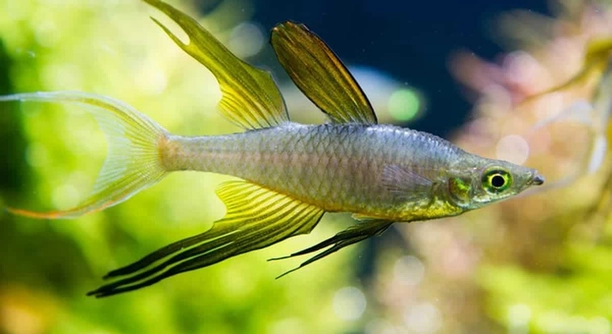
Are your threadfins swimming in a tank filled with too many decorations, plants, or ornaments that make it hard for them to move freely and comfortably each day?
Threadfins face several challenges in overdecorated tanks, including restricted swimming space, poor water circulation, and increased stress levels. Overcrowded environments can lead to territorial disputes, difficulty accessing food, and higher waste buildup, ultimately affecting their health, behavior, and overall well-being.
Learning about these challenges will help you create a balanced environment where your threadfins can thrive with comfort, space, and ease.
Limited Swimming Space
When a tank becomes overcrowded with decorations, threadfins struggle to find enough room to swim freely. These fish are naturally active and graceful swimmers that thrive in open spaces. When their movement is restricted, they often become stressed or disoriented. Large ornaments, dense plants, or stacked rocks can block their usual routes and reduce the amount of oxygen circulating through the tank. Over time, this lack of freedom can cause physical issues such as fin damage and sluggish behavior. Maintaining an open, balanced layout allows threadfins to glide naturally, keeping them calm and physically active.
A cluttered tank may seem decorative, but it limits threadfins from showing their natural behaviors and interacting comfortably with their surroundings.
Creating a layout with minimal yet functional decor helps maintain a healthy flow of water and provides your threadfins with the space they need. Focus on giving them an open area for swimming, with decorations placed along the edges. Rocks and plants can be arranged strategically to create hiding spots without blocking movement. This balance between design and practicality keeps their environment stress-free. Threadfins appreciate tanks that feel spacious, allowing them to swim in schools smoothly while displaying their vibrant fins. Keeping their tank open and airy ensures they stay active, social, and healthy.
Poor Water Circulation
Too many decorations can disrupt the flow of water, causing uneven filtration and poor oxygen levels. Threadfins rely on steady water movement to stay healthy and comfortable.
When decorations block the path of your filter’s output, stagnant areas can form in the tank. These dead zones trap debris, leading to rising ammonia levels and decreased water quality. Over time, poor circulation causes stress, weak immune systems, and dull coloration in threadfins. Rearranging or reducing tank decor allows water to flow evenly throughout the tank, ensuring oxygen reaches all areas. It’s best to check your filter’s efficiency regularly and avoid heavy ornament placement near water intakes or outlets. A clear flow path supports better filtration and a cleaner environment overall. Maintaining consistent movement not only improves the tank’s health but also gives threadfins a more natural and comfortable space to swim through each day.
Increased Stress Levels
Overdecorated tanks can make threadfins anxious, especially when they can’t swim freely or find clear areas to rest. Excess clutter can cause them to hide constantly, which leads to irregular swimming patterns and a noticeable decrease in appetite.
Stress in threadfins is often linked to overstimulation caused by bright colors, constant reflections, and limited open space. Decorations that crowd the tank can create confusion, making it hard for them to navigate or establish territories. Over time, prolonged stress weakens their immune system, making them more vulnerable to diseases. To prevent this, keeping the environment calm and open helps maintain their natural behavior. Using soft-colored plants and fewer ornaments gives them comfort and security.
Monitoring their reactions to changes in the tank is essential. If they appear restless or withdrawn, simplifying the layout can restore balance. A peaceful environment helps them remain active, display natural colors, and interact comfortably with others.
Difficulty Accessing Food
Too many decorations often block food from reaching all areas of the tank. Threadfins may struggle to find pellets or flakes that fall between objects, leading to uneven feeding and potential competition among tank mates.
Decorations can trap food particles, which encourages aggressive feeding behavior and increases waste buildup. This can make feeding time stressful for threadfins that prefer to feed mid-water. To fix this, maintain open feeding zones by clearing clutter from the center of the tank. Using floating or slow-sinking foods helps ensure even distribution. Regularly cleaning trapped food prevents ammonia spikes and bacterial growth. Providing consistent feeding conditions allows every threadfin to eat peacefully and remain healthy without tension or imbalance in the group.
Territorial Disputes
When space becomes limited, threadfins can become territorial, especially males competing for dominance. Overcrowded decorations often create hidden zones that trigger these conflicts. This constant tension leads to nipped fins, aggressive chases, and elevated stress levels among the group.
Simplifying the layout helps reduce territorial behavior by providing open swimming areas. Threadfins thrive when they can establish gentle social hierarchies without feeling confined. Keeping decorations to a minimum allows natural schooling and reduces unnecessary aggression, promoting a more peaceful tank environment.
Higher Waste Buildup
Excess decorations trap debris and leftover food, causing poor water quality over time. Hidden waste increases ammonia and nitrate levels, putting threadfins at risk of infections and gill irritation. Regular cleaning becomes harder, making maintenance more demanding and time-consuming for you.
Reduced Oxygen Levels
Too many objects block water flow and reduce surface agitation, leading to lower oxygen levels in the tank. Threadfins may start gasping near the surface or showing signs of fatigue. Maintaining fewer obstructions ensures steady oxygen exchange and keeps them active and healthy.
FAQ
Why do threadfins get stressed in tanks with too many decorations?
Threadfins are naturally active swimmers that need space to move freely. When the tank is filled with decorations, they feel trapped and struggle to navigate around obstacles. The clutter blocks their paths, limits open swimming zones, and creates dark, confined areas where they feel uncomfortable. This leads to constant stress, irregular swimming patterns, and even hiding behavior. Over time, stress weakens their immune system, making them more prone to diseases. Simplifying the tank and giving them room to glide reduces anxiety and helps them stay healthy and calm.
Can too many decorations affect threadfin health?
Yes, overdecorated tanks can impact both the physical and mental health of threadfins. When they can’t move freely, their fins may tear or become damaged from bumping into hard or sharp objects. Limited swimming space also reduces exercise, leading to sluggish behavior and a weakened body. In addition, poor water circulation caused by too many decorations increases waste buildup, affecting gill function and water quality. A balanced setup with open swimming areas and minimal decorations is best for keeping threadfins active and stress-free.
How can I tell if my threadfins are stressed?
Signs of stress include erratic swimming, fading colors, hiding for long periods, or losing interest in food. Some threadfins may stay near the surface or corners, showing they feel uneasy. You might also notice faster breathing or chasing among tank mates. When you see these behaviors, it usually means the environment feels overcrowded or uncomfortable. Adjusting decorations, improving water flow, and keeping lighting moderate can quickly help them recover and return to normal behavior.
What types of decorations are safe for threadfins?
Smooth, non-abrasive decorations are ideal. Avoid sharp-edged rocks, dense artificial plants, or rough ornaments that could injure their fins. Use natural elements like driftwood or silk plants placed around the edges of the tank to create light coverage and hiding spots. Threadfins prefer gentle environments with plenty of open swimming space. Also, ensure that any decorations you use are aquarium-safe and won’t affect water chemistry. A minimal, clean layout not only looks elegant but also keeps your threadfins healthy and stress-free.
How can I maintain good water flow in a decorated tank?
Keep decorations away from the filter’s intake and output areas. Cluttered decorations can block water movement, leading to stagnant zones and uneven oxygen levels. Rearranging items to allow open pathways for circulation helps keep the water cleaner. You can also add a small powerhead or adjust your filter’s position to improve flow. Consistent water movement distributes oxygen evenly and prevents harmful waste buildup, creating a healthier environment for threadfins to swim in comfortably.
Do threadfins need hiding spots even in a minimal setup?
Yes, threadfins still benefit from having a few hiding areas. The goal is balance—provide light cover without blocking open space. A few plants, driftwood pieces, or small caves placed along the edges are enough to make them feel safe. Avoid filling the center of the tank, as they need that area for swimming. Properly arranged hiding spots reduce anxiety while still maintaining good visibility and water circulation throughout the tank.
How often should I clean decorations in a threadfin tank?
It’s best to clean decorations once every two to three weeks, depending on tank size and stocking levels. Over time, algae, waste, and uneaten food can build up around decorations, affecting water quality. Remove and rinse them with aquarium water, never with soap or chemicals. During cleaning, check for hidden debris or trapped dirt under rocks or plants. Regular cleaning prevents ammonia buildup and keeps the tank safe for your threadfins, allowing them to swim in a cleaner, healthier environment.
What size tank works best for threadfins?
Threadfins thrive in spacious tanks, ideally 30 gallons or larger for small groups. They are schooling fish and need room to move together without crowding. A longer tank is better than a tall one because it gives them horizontal swimming space. When decorating, focus on open mid-sections while keeping heavier items near the back or corners. This setup gives them freedom of movement and allows for efficient filtration and stable water conditions.
Can threadfins live peacefully with other fish in decorated tanks?
Yes, threadfins are peaceful by nature and can coexist with calm species that share similar water preferences. However, when tanks are overdecorated, visibility and swimming space decrease, which can cause misunderstandings or small territorial disputes. Keeping the tank open with a few hiding spots helps maintain harmony. Ensure that all fish have enough room and access to food during feeding time. This prevents unnecessary stress and promotes a balanced, peaceful community tank where threadfins can flourish.
Final Thoughts
Threadfins are graceful and sensitive fish that rely on open space, balance, and stability in their environment. When tanks become overdecorated, their natural rhythm is interrupted. What may look beautiful to us can easily become a source of stress for them. Decorations that fill every corner or block water flow create challenges that affect their health and happiness. Over time, restricted movement and poor water conditions can weaken their immune system and dull their vibrant appearance. These effects may not be immediate, but they build up gradually, making the tank less suitable for them to thrive in. A clean, open layout helps them move freely, display natural behaviors, and stay energetic. It allows them to feel secure without feeling trapped, maintaining the calm balance they need.
Keeping a tank simple is not about removing beauty—it’s about creating harmony. Every decoration should serve a purpose, whether it’s to provide light cover, support plant growth, or enhance water quality. Excessive objects or crowded arrangements might look appealing at first, but they disrupt the peaceful environment threadfins require. By focusing on minimal, thoughtful decoration, you create a space that is both visually appealing and functional. Good water circulation, stable oxygen levels, and enough swimming space are far more valuable to your fish than unnecessary ornaments. Regular cleaning and proper placement of decor also play an important role in maintaining balance. Even small adjustments, like moving plants away from filters or clearing pathways, can make a noticeable difference in how your threadfins behave and feel.
Understanding the link between design and well-being is key to keeping threadfins healthy. Their delicate nature means they respond quickly to environmental changes. Paying attention to how they move, eat, and interact can tell you a lot about whether their tank feels comfortable. If they swim freely and display bright colors, it’s a good sign they feel at ease. Simplicity, in this case, promotes vitality. By choosing a clean and balanced layout, you help your threadfins live longer, healthier lives. The goal is to create a habitat that mirrors the calm flow of their natural waters—open, clear, and full of gentle movement. A well-planned tank not only benefits them but also provides a more peaceful and enjoyable experience for you as the keeper.

Hello,
If you enjoy the content that we create, please consider saying a "Thank You!" by leaving a tip.
Every little bit helps us continue crafting quality advice that supports the health, happiness, and well-being of pets around the world, for pets of all shapes, sizes, and species.
We really appreciate the kindness and support that you show us!