
Do you enjoy keeping freshwater fish but sometimes worry about the well-being of your Threadfin Rainbowfish school? Observing them carefully can help you ensure they are safe, healthy, and thriving in their environment every day.
A safe Threadfin Rainbowfish school can be identified by clear, active swimming patterns, consistent coloration, and minimal signs of stress or aggression. Schools that display cohesion, balanced feeding behavior, and a calm environment indicate proper care and safety.
Recognizing these subtle indicators helps maintain a healthy aquatic habitat for your rainbowfish. Understanding their behaviors can make your fishkeeping experience more rewarding and enjoyable.
Consistent Swimming Patterns
Threadfin Rainbowfish that swim in a coordinated, synchronized manner usually indicate a healthy and safe school. When each fish maintains its position without frequent sudden darting or collisions, it shows low stress and good group cohesion. Erratic swimming often signals discomfort, illness, or aggression within the tank. Observing their movement over time helps identify changes that may require attention. Strong leaders often emerge naturally, guiding the school while keeping weaker or smaller fish protected. Water quality, tank size, and hiding spaces all contribute to maintaining consistent swimming behavior. A tank with appropriate lighting, temperature, and filtration allows fish to move confidently and predictably. Active schooling is more than a sign of health—it also reflects their comfort in the environment. Fish that dart frantically or isolate themselves may be experiencing stress, poor water conditions, or insufficient companions. Maintaining balance in the tank reduces anxiety and encourages normal schooling behavior, which is vital for their long-term survival.
Coordinated swimming is a simple but reliable way to monitor the safety of your rainbowfish.
Watching the school’s movements regularly helps you spot unusual patterns quickly. Minor changes, like slower swimming or hesitation, may indicate water imbalance, illness, or aggression. Regular observation allows timely intervention and promotes a stable, healthy tank for all the fish.
Vibrant Coloration
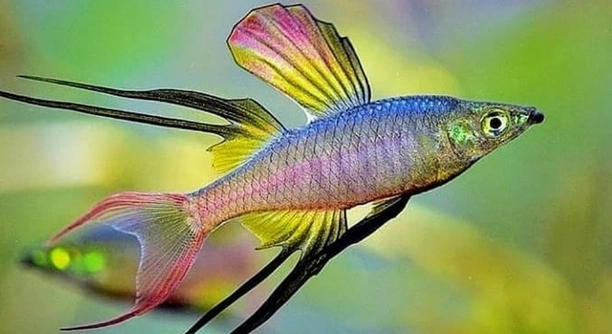
Healthy Threadfin Rainbowfish exhibit bright, even coloration across their body.
Fading colors or blotches may indicate stress, poor diet, or disease.
Color vibrancy is often the first visual sign of well-being. Proper nutrition, clean water, and low-stress environments help maintain vivid colors. Fish that are stressed, overcrowded, or exposed to fluctuating water parameters may lose their natural sheen. Observing the school over time allows you to detect subtle shifts in coloration. Younger fish may show different tones as they grow, but overall consistency in a group reflects good health. Providing a balanced diet with appropriate proteins, vitamins, and minerals supports their natural pigments, while regular water changes prevent the accumulation of toxins that can dull their appearance. Tank decorations and plants can also reduce stress by offering safe hiding spots, helping the fish display brighter colors confidently. Maintaining ideal water temperature, pH levels, and filtration ensures fish remain active, resilient, and visually vibrant, making your school both healthy and appealing.
Low Stress Behavior
A calm Threadfin Rainbowfish school indicates safety. Fish that swim steadily, hover around plants, and avoid rapid darting show they feel secure in their tank environment.
Low stress behavior reflects good water quality, proper tank mates, and adequate hiding spots. Fish under constant stress may display erratic swimming, fin clamping, or aggression. Providing a balanced environment with stable temperature and pH reduces tension and helps maintain harmony within the school. Monitoring interactions between individuals ensures no fish is bullied or isolated, which could compromise their health. A peaceful school often leads to stronger immunity, better feeding habits, and more vibrant coloration over time. When the fish appear relaxed and predictable in movement, it is a strong indicator that the tank setup meets their physical and psychological needs.
Stress-free fish are more likely to adapt quickly to minor changes in the tank and exhibit normal schooling patterns consistently. Observing this behavior regularly helps maintain a safe environment.
Proper Feeding Behavior
Threadfin Rainbowfish that feed together without excessive competition show safety and stability. Healthy fish approach food calmly and return to schooling behavior quickly.
Feeding behavior is a critical indicator of the school’s well-being. When each fish gets adequate food without constant chasing or hiding, it reflects a balanced social hierarchy and proper nutrition. Fish that refuse to eat or dominate food sources may signal underlying issues such as illness, stress, or insufficient space. Providing a varied diet that includes high-quality flakes, live or frozen foods, and occasional plant matter encourages uniform feeding and reduces conflicts. Scheduling regular feeding times helps the fish anticipate meals and reinforces a stable routine. Observing how they interact during feeding can reveal subtle signs of stress or disease before they escalate. Maintaining proper feeding behavior supports growth, coloration, and overall health, keeping the school safe and thriving.
Cohesion and Grouping
Threadfin Rainbowfish that stay close together show a safe and healthy school. Tight grouping reduces stress, helps with predator awareness, and indicates strong social bonds among the fish.
Loose or scattered swimming can be a sign of stress, illness, or poor tank conditions. Maintaining cohesion supports overall stability.
Minimal Aggression
A school with minimal aggression is a clear indicator of safety. Fish rarely nip fins, chase each other aggressively, or display dominance constantly.
Low aggression levels result from balanced tank populations, adequate space, and compatible species. Aggressive behavior often emerges from overcrowding, insufficient hiding spots, or incompatible tank mates. Healthy Threadfin Rainbowfish schools have calm interactions, with brief disputes quickly resolved. Observing these dynamics helps ensure no fish is constantly bullied or stressed, which could affect growth, feeding, and coloration. Providing plants, decorations, and open swimming areas encourages natural behavior and reduces tension. Regularly monitoring aggression ensures long-term stability, helping the school remain safe, cohesive, and vibrant in the aquarium.
Regular Health Indicators
Consistent physical condition shows a safe school. No visible wounds, fungus, or fin damage means proper care.
Active Exploration
Threadfin Rainbowfish that explore plants, surfaces, and tank corners demonstrate curiosity and confidence in their environment, reflecting a secure habitat.
FAQ
How do I know if my Threadfin Rainbowfish school is safe?
A safe school shows coordinated swimming, consistent coloration, minimal aggression, and calm feeding behavior. Fish remain close together, explore their environment confidently, and show no signs of stress like darting, clamped fins, or hiding excessively. Regular observation helps detect early problems.
What should I do if I notice stress in my fish?
First, check water quality including temperature, pH, and ammonia levels. Ensure the tank is not overcrowded and that hiding spaces are available. Adjust diet to provide balanced nutrition and observe interactions between fish to prevent bullying. Small changes can restore calm behavior quickly.
Can water changes improve school safety?
Yes, regular water changes reduce toxins, stabilize water parameters, and prevent diseases. Threadfin Rainbowfish respond well to clean water and consistent maintenance. Aim for partial water changes weekly or biweekly, depending on tank size and population, to maintain a healthy environment.
Is tank size important for safety?
Absolutely. A tank that is too small can increase stress, aggression, and competition for food. A larger tank allows proper schooling, swimming, and territory establishment. For a small school, 20-30 gallons is usually sufficient, but larger groups require more space.
How does diet affect school behavior?
A balanced diet promotes health, reduces stress, and supports vibrant coloration. Feeding a variety of flakes, frozen or live foods, and occasional plant matter ensures every fish gets nutrients. Inconsistent or poor-quality food can lead to aggression, weakened immunity, and dull colors.
Are hiding spots necessary for a safe school?
Yes. Plants, rocks, and decorations provide security and reduce stress. Fish use them to escape aggression or retreat when resting. A tank without hiding spaces may increase tension, leading to constant darting, fin nipping, or illness over time.
Can I mix other species with Threadfin Rainbowfish?
Mixing is possible, but choose calm, similarly sized species. Avoid aggressive or territorial fish, as they can stress your school. Observe interactions carefully, especially in the first few weeks. Properly chosen companions can coexist safely and even reduce loneliness for your rainbowfish.
How often should I monitor my school?
Daily observation is best. Watch swimming patterns, feeding behavior, and coloration. Noticing subtle changes early allows quick intervention, preventing illness or aggression from escalating. Even a short visual check during feeding can reveal a lot about their overall well-being.
What signs indicate illness in the school?
Look for lethargy, clamped fins, faded colors, labored breathing, or unusual swimming. Early detection is key to preventing disease from spreading. Quarantining affected fish and treating the tank promptly can save the school from serious health problems.
Can environmental changes affect safety?
Yes, sudden temperature shifts, new decorations, or tank rearrangements can stress the fish. Introduce changes gradually and monitor behavior closely. A stable, predictable environment ensures calm, cohesive schooling and minimizes the risk of aggression or illness.
How do I encourage natural schooling behavior?
Provide sufficient space, a balanced diet, and hiding spots. Keep water parameters stable and avoid overcrowding. Observing the fish and allowing them to establish natural hierarchies encourages coordinated swimming, active exploration, and social harmony, which are indicators of a safe school.
What role does lighting play in school safety?
Moderate lighting helps maintain normal behavior and coloration. Too bright or inconsistent lighting may stress the fish, causing hiding or erratic swimming. A balanced day-night cycle encourages natural activity, healthy feeding, and proper rest for the school.
Can I prevent aggression completely?
Aggression can’t be eliminated entirely but can be minimized. Proper tank size, compatible tank mates, sufficient hiding spots, and regular feeding reduce conflicts. Observing interactions and intervening when bullying occurs ensures the school remains calm and safe.
How important is water testing for school safety?
Regular testing is critical. Ammonia, nitrite, nitrate, and pH imbalances stress fish and increase disease risk. Testing weekly or biweekly allows timely corrections, supporting a healthy, cohesive school where fish thrive without unnecessary tension.
Do all fish in the school need to eat at the same time?
Not necessarily. Some fish may be shy or slower eaters. Ensure food is distributed evenly and all fish get their share. Monitoring feeding behavior ensures no one is left out, reducing stress and maintaining a peaceful school dynamic.
How long does it take for a school to show signs of being safe?
Signs like consistent swimming, calm feeding, and vibrant coloration may appear within a few weeks of proper care. Patience is important, as adjusting to a new tank or environment can take time. Continuous observation and maintenance reinforce long-term safety and stability.
What should I do if I notice aggression suddenly increase?
Check for overcrowding, illness, or stressors such as sudden environmental changes. Ensure hiding spots are available and adjust diet if necessary. Temporary separation of aggressive fish may help restore balance. Monitoring the school closely prevents further conflict and maintains safety.
Can water temperature swings affect schooling behavior?
Yes, Threadfin Rainbowfish are sensitive to temperature changes. Sudden drops or spikes can increase stress, reduce feeding, and cause erratic swimming. Maintaining a stable temperature suitable for the species supports calm, coordinated schooling and overall health.
How do I maintain long-term safety for my school?
Consistent observation, water maintenance, balanced diet, adequate space, and monitoring social interactions are key. Address issues promptly and provide environmental enrichment. A stable, supportive tank environment ensures the school remains safe, healthy, and visually vibrant for years.
What is the most reliable overall indicator of a safe school?
A combination of coordinated swimming, minimal aggression, consistent coloration, calm feeding, and active exploration signals a safe Threadfin Rainbowfish school. Observing these behaviors together provides confidence in their health and well-being.
Caring for a Threadfin Rainbowfish school takes attention, patience, and consistency. Observing your fish regularly helps you understand their habits and recognize signs of stress, illness, or aggression early. A safe school is not just about avoiding problems—it is about creating an environment where your fish feel comfortable, confident, and secure. Coordinated swimming, vibrant coloration, calm feeding, and low aggression are all signs that your tank conditions support their well-being. Maintaining proper water parameters, providing hiding spots, and ensuring enough space are essential steps for a thriving school. Each fish in the group contributes to the overall harmony, and by monitoring them carefully, you can address small issues before they develop into larger problems. A well-maintained tank allows your fish to display natural behavior, which is not only a sign of safety but also a rewarding aspect of fishkeeping.
Proper nutrition is another key factor in maintaining a safe Threadfin Rainbowfish school. Offering a balanced diet that includes high-quality flakes, frozen or live foods, and occasional plant matter ensures each fish receives essential nutrients. Unequal feeding or poor-quality food can lead to stress, weakened immunity, and increased aggression. Feeding your school at regular times also encourages routine and reduces competition, helping fish remain calm during mealtimes. Observing how your fish interact during feeding provides valuable insight into social hierarchies and any potential conflicts. By paying attention to these subtle behaviors, you can maintain a peaceful, cohesive school that thrives over time. Even minor adjustments, such as adding new plants or rearranging decorations for more hiding spaces, can significantly improve the overall environment, promoting long-term safety and stability for your fish.
Long-term care of a Threadfin Rainbowfish school requires a combination of careful observation, consistent maintenance, and thoughtful adjustments. Ensuring water quality remains stable, monitoring fish interactions, and providing a balanced diet are ongoing responsibilities that directly impact the safety and health of your school. Small changes, such as addressing a sudden increase in aggression or noticing a subtle color change, can prevent major issues and maintain harmony. Encouraging natural behaviors like active exploration, coordinated swimming, and calm feeding strengthens the school’s overall well-being. Over time, these practices help create a peaceful, secure environment where each fish can thrive. By prioritizing these elements, your school will not only remain safe but also display the vibrant colors, lively movement, and social cohesion that make keeping Threadfin Rainbowfish a satisfying and enjoyable experience. Regular care and careful attention ensure that your fish continue to flourish, allowing you to enjoy a healthy, lively, and balanced aquatic environment.

Hello,
If you enjoy the content that we create, please consider saying a "Thank You!" by leaving a tip.
Every little bit helps us continue crafting quality advice that supports the health, happiness, and well-being of pets around the world, for pets of all shapes, sizes, and species.
We really appreciate the kindness and support that you show us!