
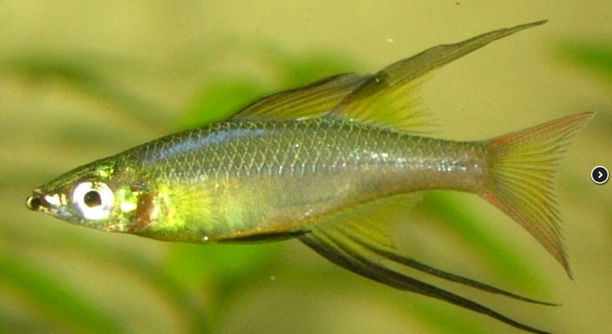
Threadfins are graceful fish often seen gliding through coastal waters in schools. They spend much of their time searching for food, and their interactions around feeding can be surprisingly lively and sometimes aggressive.
When threadfins compete for food, they display a series of rapid movements and physical interactions. These confrontations can include chasing, nudging, and occasional biting. Such behaviors help establish feeding order and ensure that dominant individuals gain access first.
Observing these interactions reveals more than simple feeding habits; it uncovers social hierarchies and survival strategies among these fish in their natural habitat.
How Threadfins Compete for Food
Threadfins often feed in groups, which can create tension when food is limited. Their long, slender bodies allow them to move quickly, giving some individuals an advantage. During feeding, they may swim rapidly toward a food source, using their fins and body movements to jostle others aside. These interactions are not just about eating; they are a display of strength and dominance. Subtle behaviors, like slight nudges or faster swimming, can help a fish claim its share without a full confrontation. Sometimes, smaller threadfins will wait patiently for larger individuals to eat first, minimizing risk of injury. In more crowded conditions, physical contact becomes more frequent, and the intensity of the competition increases. Observing this behavior shows how these fish balance aggression with strategy to survive and thrive while feeding in a shared environment.
Even minor differences in size or speed can determine which threadfins secure food first, highlighting the importance of agility.
These interactions reflect a natural system of hierarchy. Dominant threadfins usually have first access, while others learn to adapt by waiting or taking smaller portions. Over time, fish establish patterns that reduce constant conflict, but sudden changes, like a new food source, can reignite competition. Each feeding session is a mix of timing, positioning, and awareness, which allows threadfins to coexist in a shared space. Their behaviors provide insight into social structure, showing that even in feeding, order and survival instincts are tightly linked.
Dominance and Feeding Order
Dominant threadfins tend to control the best feeding spots, ensuring their needs are met first.
Hierarchy plays a critical role in group feeding. When threadfins gather, a pecking order quickly forms, with larger or more aggressive individuals asserting control. Subordinate fish adapt by staying on the edges, waiting for scraps, or choosing alternative food sources. The dominant ones often eat calmly, while others must time their movements carefully to avoid conflict. These patterns are learned and reinforced through repeated interactions. Interestingly, dominance is not solely determined by size; speed, awareness, and boldness also influence which fish consistently reaches food first. Over time, these interactions stabilize, creating a predictable order that reduces chaos and injury, allowing the group to feed more efficiently. Even small disruptions, like the arrival of new individuals, can temporarily challenge this balance, prompting a series of swift interactions until the hierarchy is reestablished. Understanding these dynamics helps explain why threadfins appear both aggressive and coordinated during feeding, balancing competition with survival instincts effectively.
Feeding Techniques
Threadfins use their long, sensitive fins to detect small prey and guide it toward their mouths. They often stir the water gently to uncover hidden food, combining precision with speed to catch meals efficiently.
This careful technique allows threadfins to access food others might miss. By sensing vibrations and movements in the water, they locate crustaceans, small fish, and plankton. Their fins act almost like tools, sweeping the seabed or water column to flush out prey. Some fish coordinate movements, indirectly benefiting from others’ efforts, though direct sharing is rare. The combination of sensitivity, agility, and patience makes threadfins effective foragers, even in competitive conditions where multiple fish vie for the same resources.
Their approach shows a balance between caution and assertiveness. They rarely rush blindly, instead using careful sweeps and sudden lunges. This strategy minimizes wasted energy and risk of injury, ensuring consistent access to food over time. Observing these techniques highlights their adaptability and refined instincts, which are essential for thriving in dynamic feeding environments with limited resources.
Social Impact of Feeding
Feeding competition shapes social behavior and interactions among threadfins, reinforcing hierarchies and respect for dominant individuals.
When threadfins gather, feeding becomes a social exercise. Dominant fish assert themselves through physical presence and movement, while subordinate fish learn to anticipate and react to others’ actions. Repeated feeding sessions teach individuals their place in the group, reducing unnecessary conflict over time. Fish adjust their behavior based on previous experiences, remembering which individuals are most assertive. The subtle cues—slight nudges, swift turns, or position changes—communicate status and intentions. This social structure ensures that even in competitive situations, chaos is minimized and most fish access at least some food.
Group feeding also strengthens cohesion and awareness. Subordinate threadfins develop patience, timing, and quick reflexes to capitalize on openings. Dominant fish reinforce their position through consistent, controlled assertiveness, shaping the behavior of the entire school. Feeding becomes both a survival strategy and a social exercise, balancing competition and cooperation. Observing these interactions highlights how threadfins maintain order while managing limited resources, showcasing the link between feeding behavior and social stability in their environment.
Aggression Levels
Threadfins show varying aggression depending on food availability. When resources are scarce, they become more assertive, often chasing others away to secure their share.
Even small increases in competition can trigger sharper responses. Fish that are usually calm may suddenly display nudging, quick lunges, or short bursts of chasing, all to protect access to food.
Feeding Adaptations
Threadfins have evolved specialized fins and keen eyesight to locate prey quickly. Their streamlined bodies allow rapid movement in schools, reducing risk of injury during competition. These adaptations improve feeding efficiency, helping them secure enough food even in crowded or challenging conditions.
Environmental Influence
Water clarity, currents, and habitat complexity impact how threadfins compete. Clearer water allows faster detection, while strong currents can favor more agile individuals, shaping feeding interactions.
FAQ
How aggressive are threadfins when food is scarce?
Threadfins can become noticeably more aggressive when food is limited. They use quick movements, nudges, and short chases to establish priority access. While most aggression is non-injurious, the intensity rises when several individuals target the same food source, showing their need to protect resources.
Do smaller threadfins ever get to eat?
Yes, smaller threadfins adapt by waiting on the edges or timing their approach carefully. They often feed on leftovers or follow the movements of larger fish, taking advantage of gaps created during the dominant fish’s feeding. Patience and timing are key survival strategies.
Can feeding behavior affect the social hierarchy?
Absolutely. Repeated feeding interactions reinforce social rankings. Dominant individuals consistently gain first access, while subordinate fish adjust their behavior based on previous experiences. Over time, this reduces constant conflict and creates a predictable order within the group.
Do threadfins share food?
Direct sharing is rare. Threadfins are competitive, prioritizing their own access. However, indirect benefits occur when fish feed near each other; smaller fish can pick up disturbed prey or scraps, benefiting from the actions of more assertive individuals.
What role do fins play in feeding?
Threadfins use long, sensitive fins to detect and manipulate prey. They sweep the water or seabed to uncover hidden food, guiding it toward their mouths. These fins act like tools, combining precision and speed to improve feeding efficiency.
How does environment influence feeding behavior?
Water clarity, currents, and habitat structure significantly impact feeding. Clear water allows faster detection of prey, while strong currents favor agile individuals. Complex habitats provide hiding spots for both prey and smaller threadfins, shaping interactions and reducing the risk of injury during competition.
Do threadfins get injured during fights over food?
Injuries are uncommon. Most competition involves nudges, quick chases, or positioning rather than direct attacks. Physical adaptations and cautious strategies minimize harm, allowing fish to feed efficiently while maintaining social balance.
How long do feeding competitions last?
Feeding interactions are usually brief, lasting a few minutes to ensure food is consumed quickly. Prolonged conflicts are rare because fish adapt their behavior to minimize wasted energy and reduce risk, maintaining an efficient and relatively calm feeding process.
Does size always determine feeding priority?
Not always. While larger fish often dominate, speed, awareness, and boldness also play a role. Smaller or faster individuals can sometimes access food before bigger fish, showing that agility and timing can outweigh pure size in certain situations.
Can new threadfins disrupt established feeding order?
Yes. The arrival of new individuals can temporarily disturb the hierarchy, prompting a series of interactions until the group reestablishes order. This shows that threadfin social dynamics are flexible and responsive to changes in group composition.
How do threadfins balance competition and survival?
They combine assertiveness with caution. Dominant fish secure food while others adapt by observing, waiting, or using agility. This balance allows all fish to survive, maintain energy, and reduce unnecessary injury, demonstrating a sophisticated approach to feeding and social organization.
Do threadfins show learning behavior during feeding?
Yes. Fish remember previous encounters and adjust future behavior. Subordinates learn which individuals are more aggressive, and all fish refine their timing and positioning, showing that experience plays a critical role in feeding efficiency and social interactions.
Why is observing feeding behavior important?
Watching threadfins feed reveals social hierarchies, survival strategies, and adaptability. It highlights how competition, cooperation, and instinct work together, providing insight into their natural behavior and interactions within a shared environment.
How do dominant threadfins assert control?
Dominant individuals use body positioning, subtle nudges, and controlled movements to maintain priority. These actions signal strength without excessive conflict, allowing others to understand their place and reducing unnecessary fights while maintaining access to food.
Are feeding patterns consistent over time?
Feeding patterns are relatively stable but adaptable. Dominant fish usually maintain priority, while subordinates follow predictable strategies. Changes in food availability, group composition, or environmental conditions can temporarily shift these patterns, demonstrating flexibility in behavior.
Can threadfins eat in groups without conflict?
Some feeding can occur with minimal competition, especially when food is abundant. Fish spread out and feed calmly, reducing aggressive interactions. However, limited resources almost always trigger competitive behaviors, making occasional conflict a normal part of group feeding.
Do threadfins respond to human presence while feeding?
They may be cautious but usually continue feeding if humans remain at a distance. Sudden movements or attempts to disturb them can trigger defensive responses, showing that their awareness extends beyond other fish to potential threats in their environment.
What strategies help subordinate threadfins survive during feeding?
Subordinate fish rely on patience, observation, and timing. They wait for openings, follow dominant individuals’ actions, or focus on smaller prey. These strategies reduce risk while ensuring they still gain enough food to survive.
Is feeding behavior similar across all threadfin species?
Most species show similar patterns of competition, hierarchy, and adaptive strategies. Differences may arise due to habitat, prey type, or social structure, but the basic behaviors of asserting dominance, using fins for detection, and balancing risk with survival are common across the group.
How do threadfins handle sudden changes in food availability?
Rapid increases or decreases in food provoke immediate adjustments. Dominant fish assert control quickly, while others adapt by shifting positions or timing their approach. Flexibility ensures that all individuals maintain some level of feeding efficiency despite fluctuating conditions.
Does repeated competition affect health?
Moderate competition generally does not harm threadfins. It strengthens agility, timing, and awareness. Only extreme or prolonged scarcity may cause stress, but under normal conditions, competitive feeding is part of their natural survival strategy, maintaining both physical and social health.
Can observing feeding behavior inform conservation efforts?
Yes. Understanding feeding strategies, competition, and social structure helps in managing habitats, ensuring sufficient resources, and designing conservation plans that support natural behavior while reducing stress and conflict.
How long does it take for a new social hierarchy to stabilize?
It depends on group size and individual behavior. Typically, a few feeding sessions are enough for fish to establish positions. Newcomers trigger temporary shifts, but repeated interactions quickly reestablish a stable feeding order within the school.
Do threadfins ever form cooperative feeding strategies?
While direct cooperation is rare, indirect benefits occur. Fish feeding near each other may stir up prey that others can catch. This creates subtle advantages, showing that even competitive species can benefit from proximity without overt collaboration.
What is the most surprising aspect of threadfin feeding behavior?
The balance between competition and adaptability is striking. Despite frequent skirmishes, fish rarely get injured, and subordinate individuals consistently find ways to feed. Their behavior reflects a mix of instinct, learning, and social understanding that ensures survival in shared environments.
Final Thoughts
Observing threadfins during feeding shows just how carefully these fish balance survival with social interaction. Even though they can be competitive, much of their behavior is structured and purposeful rather than chaotic. Each fish seems to understand its role in the group, whether dominant or subordinate, and adjusts its actions accordingly. Larger or more assertive threadfins often take the lead, accessing food first, while smaller individuals wait or approach strategically. This balance allows the group to feed efficiently without constant injury or extreme conflict. The way threadfins position themselves, use their fins, and time their movements demonstrates a combination of instinct, awareness, and learned behavior. By watching them, it becomes clear that feeding is not just about eating; it is a carefully managed social activity that helps maintain order within the school.
The competition over food also highlights the adaptability of threadfins. They adjust quickly to changes in the environment or in group composition. For example, when new fish join a feeding area, interactions may become more intense for a short period, but the group quickly reestablishes a hierarchy. Subordinate fish often learn to navigate around dominant individuals, finding small opportunities to feed while avoiding conflict. Even small differences, such as speed or alertness, can make a big difference in who gets to eat first. These adaptations show that threadfins are not just passive followers of instinct; they respond to their surroundings in ways that maximize their survival. Over time, these behaviors become predictable within a group, reducing energy waste and creating a stable feeding environment. Understanding these patterns gives insight into how fish maintain order, even in situations that could easily lead to chaos.
Finally, the feeding habits of threadfins reflect a larger theme in nature: the balance between competition and cooperation. While direct sharing of food is rare, the presence of multiple fish feeding together can create indirect benefits. Fish may benefit from disturbances made by others or from openings created by a dominant fish moving through the area. Their behavior shows that even in competitive situations, there is room for subtle cooperation and adaptation. Watching threadfins teaches a lot about natural social systems, survival strategies, and the importance of hierarchy and timing. These observations are not just interesting; they also remind us that balance, awareness, and adaptability are key to thriving in any environment, whether in water or elsewhere. Threadfins manage this balance gracefully, making their feeding behavior a fascinating example of nature’s efficiency and social intelligence.

Hello,
If you enjoy the content that we create, please consider saying a "Thank You!" by leaving a tip.
Every little bit helps us continue crafting quality advice that supports the health, happiness, and well-being of pets around the world, for pets of all shapes, sizes, and species.
We really appreciate the kindness and support that you show us!