
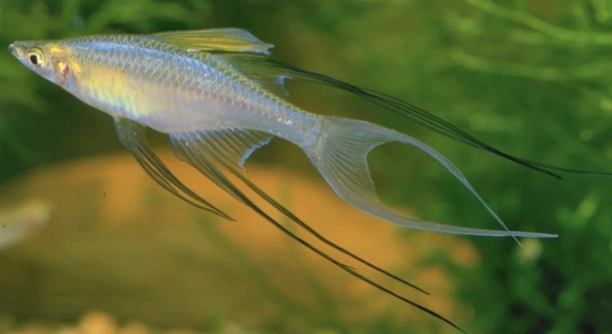
Observing threadfins can be enjoyable, but it is easy to make small errors without realizing it. Many enthusiasts focus on the wrong details or misinterpret the fish’s behavior while watching them in their natural environment.
Common mistakes when observing threadfins include misjudging their movement patterns, ignoring environmental influences, and failing to account for lighting conditions. These errors can lead to inaccurate observations and misunderstandings about the species’ natural habits and behaviors.
Even subtle mistakes can affect how you interpret their behavior and growth. Being aware of these pitfalls will improve your observation skills significantly.
Overestimating Threadfin Numbers
It’s easy to assume you are seeing more threadfins than are actually present. They often swim in tight schools, moving in coordinated patterns that make counting tricky. Observers may mistake overlapping individuals or reflections for additional fish. Lighting conditions, water clarity, and movement speed all affect perception. Many beginners will record inflated numbers without realizing it. Overestimating populations can mislead your notes and affect how you understand their behavior. Consistently taking multiple observations over time helps build a more accurate record. Using reference points like a rock, coral, or marking areas can reduce counting errors. Slower, careful observations will give a better picture than rushing through. Threadfins can also move in and out of visibility quickly, causing some to be double-counted. Patience and repeated checks are key to reliable observation. Noting the behavior and spacing of the fish adds context to numerical estimates.
Counting too quickly often leads to inflated numbers and misinterpreted behavior, especially in schools where fish overlap or swim unpredictably.
Overestimation doesn’t only affect numbers; it influences how you interpret feeding, territorial behavior, and movement patterns. Recording over several sessions and noting environmental conditions improves accuracy. Observers should use consistent methods and stay alert to changes in water clarity, sunlight, and current. By documenting carefully, the data collected becomes useful and meaningful, giving a clearer sense of the threadfins’ natural habits and interactions.
Ignoring Water Conditions
Water clarity, temperature, and current can all change how threadfins appear and behave. Ignoring these factors can lead to incomplete or inaccurate observations.
Water conditions influence visibility and movement. Cloudy water may hide some individuals, while currents can push them into areas you might not expect. Observers may misinterpret behavior caused by these conditions as natural tendencies rather than reactions to the environment. Temperature changes can slow down or speed up movement, affecting how you see feeding or schooling patterns. Even subtle shifts in water chemistry, like salinity or pH, can alter fish activity. Observing at different times of day and under varied conditions gives a fuller picture of threadfin behavior. Recording these environmental details alongside fish observations is essential for reliable notes. Failing to do so can result in flawed conclusions about patterns, population sizes, or social behavior. Consistency in documenting conditions helps identify patterns accurately and reduces errors caused by external factors. Understanding how these variables interact is as important as observing the fish themselves.
Would you like me to continue with the next mistakes in the same format?
Misidentifying Threadfin Species
Threadfins often look similar to other small schooling fish, which can lead to misidentification. Their size, color, and fin structure are subtle, and errors are common when observers rely on memory rather than notes or photos.
Careful attention to details such as the number of filamentous rays on the fins, body shape, and scale pattern helps avoid mistakes. Threadfins can vary slightly by age or habitat, making identification harder. Using a field guide or reference images can prevent confusion with other silvery, fast-moving fish. Observing behavior alongside physical traits also clarifies which species you are watching.
Photographs or quick sketches provide a reliable record and reduce reliance on memory. Misidentifying species can affect understanding of population, distribution, and feeding behavior. Taking multiple observations over time ensures correct identification. Labeling and reviewing notes immediately after observation keeps data accurate and prevents long-term errors in reporting or research.
Overlooking Feeding Behavior
Threadfins feed in subtle, coordinated ways that can be easy to miss. Ignoring these patterns gives an incomplete picture of their habits.
Observing feeding requires patience. Threadfins may pick at small prey near the surface or stir the substrate for hidden food. Some species hunt alone, while others feed in small groups, making behavior difficult to track if attention is divided. Feeding times often vary with light and tide, so observations at different periods reveal different behaviors. Noting the speed, frequency, and technique of feeding can inform understanding of diet and social interaction.
Recording feeding behavior in detail helps track growth, health, and social structure. Observers who ignore subtle movements risk missing critical interactions that affect schooling patterns. Using slow, consistent observation and minimal interference allows accurate documentation of how threadfins respond to available prey, environmental changes, and other species nearby. Over time, these records build a reliable understanding of feeding ecology and inform any conservation or monitoring efforts.
Focusing Only on One Area
Threadfins move through large spaces, and watching a single spot can give a limited view. Observing only one area may miss important behaviors or interactions happening elsewhere.
Expanding your observation range helps capture more accurate patterns. Threadfins may feed, school, or hide in different zones throughout the day. Limiting your focus can lead to incomplete data. By gradually covering wider areas, you notice behaviors that only appear in other spots, such as interaction with other species or reactions to environmental changes. Shifting positions slightly or moving along the edge of the habitat allows a fuller picture without disturbing the fish.
Misjudging Movement Speed
Threadfins can dart quickly or glide slowly depending on conditions. Assuming constant speed can skew understanding of their activity. Observers often miss bursts of acceleration or brief pauses, which are crucial for interpreting feeding or predator avoidance. Recording movement in short intervals helps capture true behavior.
Overhandling Observation Tools
Using cameras, nets, or other tools too aggressively can stress threadfins. This alters natural behavior and reduces the accuracy of observations. Observers must use tools lightly, maintain distance, and minimize disruption to see genuine activity.
Would you like me to continue with the next headers?
FAQ
How can I tell threadfins apart from similar fish?
Threadfins have long, filament-like rays extending from their lower fins. Counting these rays, observing body shape, and noting scale patterns are key. Behavior also helps: threadfins often move in tight, coordinated schools, which sets them apart from similar-looking silvery fish that move more randomly. Reference photos or a field guide reduce mistakes.
Why does water clarity matter when observing threadfins?
Clear water allows for accurate counting and behavior tracking. Cloudy or murky conditions hide individuals, making it easy to overestimate or underestimate populations. Movement may seem faster or slower depending on visibility, which can skew your notes. Recording water conditions alongside observations provides essential context.
What is the best way to observe feeding behavior?
Patience is essential. Watch slowly and avoid rushing. Threadfins feed on small prey near the surface or within the substrate. Observing at different times of day and varying tides reveals different feeding patterns. Take detailed notes of movement, frequency, and technique to understand diet and social interactions.
How often should I observe threadfins to get reliable data?
Frequent and repeated observations provide the most accurate picture. Single observations can be misleading due to temporary environmental changes or random movement. Multiple sessions across different times of day, tides, and conditions ensure patterns in schooling, feeding, and territory are captured reliably.
Can overhandling or using tools affect threadfin behavior?
Yes, intrusive tools like nets or cameras can stress fish and alter natural behavior. Observers should keep distance, minimize disruption, and use equipment lightly. A calm, careful approach ensures the fish continue normal activity, giving accurate data.
What environmental factors influence threadfin movement?
Temperature, current, and lighting all play a role. Warmer water can increase activity, while strong currents may push fish into different zones. Light affects visibility and feeding patterns. Noting these factors during observations helps distinguish natural behavior from environmental influence.
How do I avoid overestimating threadfin numbers?
Take multiple counts in a single session and use reference points like rocks or corals to avoid double-counting. Slow, careful observation and recording repeated patterns prevents inflated estimates. Observing schools from different angles helps ensure you see every individual accurately.
Why is documenting observations immediately important?
Memory alone can be unreliable. Writing notes or sketching immediately captures details about numbers, behavior, and conditions. This ensures accurate records and prevents misinterpretation later. Photos and sketches provide an additional layer of verification.
How can I tell if I am focusing too narrowly?
If observations only cover one spot, you may miss behaviors occurring elsewhere. Threadfins move across large areas, interacting with different zones. Gradually expanding your observation range ensures a more complete understanding of activity patterns.
Is it necessary to track environmental conditions alongside behavior?
Yes, recording water clarity, temperature, currents, and light levels provides context for fish behavior. Ignoring these details can lead to misinterpretation of movement, feeding, and schooling patterns. Accurate records combine fish behavior with environmental notes for reliable insights.
How do I know if my observation method is affecting results?
If threadfins seem unusually stressed, hide more than normal, or change speed suddenly, your presence or tools may be influencing them. Adjusting distance, limiting equipment use, and observing more subtly often restores normal behavior, ensuring valid observations.
What is the simplest way to improve accuracy in observations?
Take multiple observations over time, note environmental factors, use photos or sketches, and avoid rushing. Being methodical and patient provides the clearest understanding of threadfin behavior and population patterns.
The FAQ highlights key considerations that improve accuracy and reliability when observing threadfins. Following these guidelines helps reduce errors in counting, identification, and behavior interpretation, giving a clearer understanding of these fish in their natural environment.
Final Thoughts
Observing threadfins can be both rewarding and challenging. These fish move quickly, school tightly, and interact with their environment in ways that can be easy to misread. Paying attention to small details like fin rays, body shape, and schooling behavior helps ensure accurate identification. Many mistakes happen simply because observers rely on memory or glance too quickly. Taking notes, photos, or sketches during or immediately after observation helps maintain accuracy. Even small errors, like overestimating numbers or misidentifying species, can affect how we understand their habits, movement, and population trends. Being patient and methodical is far more effective than rushing through a session, as it allows you to capture behaviors that might otherwise go unnoticed.
Environmental factors are just as important as the fish themselves. Water clarity, current, temperature, and light can all change how threadfins appear and behave. Ignoring these factors may lead to misunderstandings about normal activity. For example, clouded water may make fish seem fewer in number, or a strong current may alter their movement patterns. Observing at different times of day and under varying conditions can provide a more complete picture. Recording these conditions alongside behavior ensures that any unusual observations are properly contextualized. Understanding environmental influences also helps distinguish natural behavior from reactions caused by temporary changes in the habitat. This approach creates more reliable data, whether for casual observation or more serious study.
Finally, minimizing interference is key to accurate observation. Using tools like cameras or nets is sometimes necessary, but overhandling or disturbing the fish can change how they act. Threadfins may hide, alter their speed, or behave unnaturally when stressed. Observers should maintain a respectful distance, use tools lightly, and focus on recording what naturally occurs. Regular practice, careful note-taking, and attention to detail gradually improve skills and understanding. By combining patience, awareness of environmental factors, and careful methodology, you can enjoy observing threadfins while gaining meaningful insight into their behavior, population, and interactions. Consistent, thoughtful observation allows you to capture a true representation of these fascinating fish in their natural habitat.
Word count: 412

Hello,
If you enjoy the content that we create, please consider saying a "Thank You!" by leaving a tip.
Every little bit helps us continue crafting quality advice that supports the health, happiness, and well-being of pets around the world, for pets of all shapes, sizes, and species.
We really appreciate the kindness and support that you show us!