
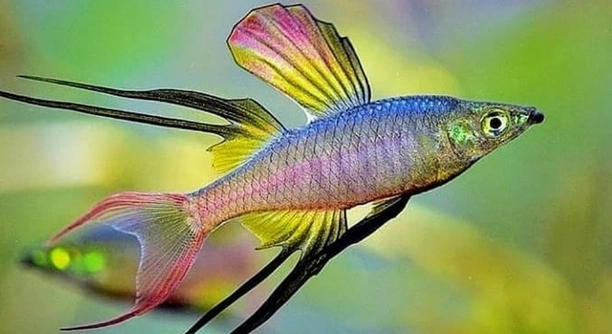
Threadfins are known for their delicate movements and sharp senses, making them sensitive to changes in their environment. Observing how they respond to unusual light patterns can reveal intriguing aspects of their behavior and daily routines.
Threadfins react to unusual light patterns by adjusting their swimming direction and depth. These changes are often immediate, suggesting a high level of visual sensitivity. Their behavior may include slower movements, avoidance, or alignment with the altered light, reflecting natural survival instincts.
Understanding these responses helps us learn more about threadfins’ natural behaviors and how environmental changes can influence their daily activity patterns.
Light Sensitivity in Threadfins
Threadfins rely heavily on their vision to navigate through water, making them highly sensitive to light variations. When exposed to unusual light patterns, such as flashes or changes in intensity, they often alter their swimming paths to avoid discomfort or disorientation. This response is linked to their natural instincts, which help them escape predators and find food efficiently. Light changes can also impact their schooling behavior, causing temporary scattering or tighter formations depending on the type of stimulus. In research settings, observing these reactions provides insight into how environmental factors affect their behavior. Even subtle shifts in light, such as reflections from nearby surfaces or filtered sunlight, can trigger noticeable changes. Over time, threadfins may adapt to consistent patterns, but sudden or erratic lighting often elicits immediate and cautious responses. This sensitivity shows how finely tuned their sensory systems are, allowing them to respond quickly to potential threats.
Their reactions are immediate and often visible, showing how acute their visual perception is.
Threadfins’ behavior under varying light can teach us about habitat preferences. Adjusting the environment to mimic natural lighting supports their health and reduces stress. By understanding these patterns, we can create safer spaces in aquaculture or research tanks. Sudden flashes or inconsistent lighting may provoke avoidance or slower swimming, while gradual changes can allow them to acclimate. Their schooling behavior may become tighter under stress, reflecting instincts for protection. Observing these responses over time shows how adaptable they are to repeated stimuli. Researchers can use this knowledge to design better experiments and improve living conditions, ensuring threadfins thrive. Practical applications include managing tank lighting, reducing reflections, and simulating natural cycles to support feeding, reproduction, and overall well-being. These measures not only aid in conservation but also provide a clearer picture of their natural behavior patterns in the wild.
Practical Implications of Light Reactions
Recognizing how threadfins respond to light helps in designing their environments more effectively.
Proper lighting strategies can enhance their comfort and safety. Adjusting brightness and consistency reduces stress and encourages natural swimming patterns. Controlled lighting supports feeding routines, reproduction, and overall activity. Sudden or inconsistent light can disrupt behavior, causing unnecessary stress. Implementing gradual changes allows them to acclimate naturally. Observing reactions ensures ongoing adjustments meet their needs. By applying these principles, threadfins in aquaculture or research can maintain healthy routines and display normal behaviors. Researchers gain more reliable results when environmental stressors are minimized, ensuring observations reflect natural tendencies rather than reactions to discomfort. Thoughtful lighting also contributes to long-term well-being, reducing illness and supporting growth. Considering these factors is essential for anyone managing threadfins in captivity, whether for study or conservation purposes.
Proper lighting management not only improves health but also encourages natural activity patterns. Creating consistent, gradual light changes reduces stress. Observing responses allows caretakers to refine settings and support thriving conditions. Consistent routines promote feeding, schooling, and comfort, ensuring long-term well-being. Effective management leads to healthier fish and more accurate behavioral observations.
Behavioral Patterns Under Fluctuating Light
Threadfins often swim more cautiously when light fluctuates rapidly. Sudden shifts can cause them to change direction or slow their pace, reflecting an instinctive response to potential danger in their surroundings.
These fish adjust their schooling and spacing according to light changes. Under erratic lighting, threadfins may cluster tightly or disperse, depending on perceived threats. Their movements can become less predictable, and some may even hide near structures for protection. Over time, they may show habituation to repetitive patterns, though unexpected flashes continue to trigger alert responses. Studying these patterns helps in understanding how environmental cues influence daily behaviors and stress levels in threadfins, giving insight into their natural instincts.
Light fluctuations also affect feeding and activity levels. When illumination is inconsistent, threadfins may delay feeding or show reduced exploratory behavior. Careful observation shows that consistent patterns support normal swimming, schooling, and interaction. Their sensitivity underscores the importance of managing environmental light to maintain health, reduce stress, and promote natural behavior. Adjustments in light timing and intensity allow them to remain active without unnecessary anxiety or disruption to their daily routines.
Responses to Artificial Lighting
Threadfins respond strongly to artificial light sources, often more than natural light changes. Bright or sudden artificial lights can cause abrupt directional changes and hesitation.
Artificial lighting can disrupt their internal rhythms and daily routines. Prolonged exposure to unnatural intensity may cause temporary disorientation, reduced feeding, or altered social interactions. Fish exposed to continuous bright lights may show signs of stress, while those given gradual transitions adapt better. Different wavelengths also produce varied responses; for instance, blue or white lights tend to trigger stronger movement adjustments, whereas softer or filtered lights are less disturbing. Understanding these reactions allows better design of tanks, research facilities, or aquaculture environments, ensuring that threadfins maintain natural behaviors and avoid unnecessary stress. Proper lighting schedules and careful monitoring can improve welfare, feeding efficiency, and overall activity levels, making the environment more supportive of their needs.
Adaptation Over Time
Threadfins can gradually adapt to repeated light changes. Regular exposure to consistent patterns helps reduce stress and allows more predictable swimming behaviors.
Over several days, they may become less reactive to moderate fluctuations. Their schooling and feeding routines often normalize, showing that gradual adaptation supports well-being in controlled environments.
Impact on Social Behavior
Light variations influence interactions within schools of threadfins. Sudden changes can cause temporary scattering, while gradual shifts tend to maintain cohesion. Observing these patterns provides insight into social structure, communication, and collective responses to environmental stimuli.
Recommendations for Lighting
Maintaining consistent light cycles supports natural activity and reduces stress. Gradual transitions between light and dark periods help threadfins remain comfortable and active.
FAQ
How do threadfins react to sudden flashes of light?
Threadfins typically respond immediately to sudden flashes by changing direction or slowing their movements. These reactions are instinctive, designed to help them avoid potential threats. The intensity and duration of the flash can influence how extreme their response is. Strong or prolonged flashes often cause more noticeable avoidance behaviors, such as diving closer to the bottom or moving toward shaded areas. Over time, repeated exposure to the same type of flash may lead to some habituation, though unexpected or irregular flashes continue to elicit strong responses. Monitoring these behaviors can help ensure that environmental lighting is appropriate for their health.
Do threadfins adjust their schooling when light changes?
Yes, schooling behavior is sensitive to light variations. Inconsistent or fluctuating light can cause threadfins to either cluster tightly for protection or temporarily disperse. Rapid changes often lead to short-term disorganization in the school, while gradual changes allow the group to maintain cohesion. Observing how they adjust can reveal information about stress levels and social dynamics. Consistent light cycles tend to support normal schooling and cooperative swimming, making social interactions more predictable and stable.
Can artificial lighting negatively impact threadfins?
Artificial lighting can disrupt natural rhythms and behavior if it is too intense or inconsistent. Bright or sudden lights often trigger avoidance, hesitation, or slower swimming. Wavelength matters too; blue or white lights produce stronger behavioral responses, while softer lighting tends to be less disruptive. Gradual transitions and controlled intensity are key to minimizing stress and maintaining normal activity patterns. Careful management of artificial lighting ensures threadfins can feed, swim, and interact naturally without unnecessary anxiety or disorientation.
How long does it take for threadfins to adapt to repeated light patterns?
Adaptation depends on the intensity, frequency, and predictability of the light changes. Moderate, consistent shifts may lead to noticeable acclimation within a few days. Over time, threadfins become less reactive to predictable patterns, normalizing swimming, feeding, and schooling behaviors. Sudden or erratic lighting, however, continues to provoke immediate responses, highlighting the importance of stability for their environment. Gradual adaptation supports well-being and reduces stress, allowing them to maintain normal daily activities.
What are the signs that light is stressing threadfins?
Signs include slowed swimming, abrupt directional changes, hiding near structures, reduced feeding, and tighter or disorganized schooling. Overexposure to strong or inconsistent light can lead to prolonged avoidance behavior. Consistently observing these responses allows caretakers to adjust lighting conditions to reduce stress and maintain normal activity levels. Monitoring both social and individual behaviors is crucial to ensure environmental light supports comfort and health.
Is there a preferred light intensity for threadfins?
Threadfins thrive under moderate light levels that mimic natural conditions. Gradual transitions between light and dark periods support normal activity, schooling, and feeding routines. Avoiding sudden bright flashes or overly intense lighting helps minimize stress. Consistent light cycles help maintain internal rhythms, making threadfins more predictable and comfortable in controlled environments.
Do threadfins react differently to various light colors?
Yes, color impacts behavior. Blue and white lights generally trigger more noticeable changes, including rapid movements or temporary hiding. Softer colors or filtered lights tend to produce milder responses. Understanding color sensitivity helps in designing tanks or research setups that reduce unnecessary stress while supporting natural behavior. Gradual exposure to new colors allows adaptation without disrupting routines.
Can controlling light improve threadfins’ feeding and activity?
Proper light management encourages normal feeding schedules and activity levels. Gradual, predictable light cycles reduce stress and promote natural exploration. When light is too strong, inconsistent, or abrupt, feeding may be delayed, and activity may decrease. Controlled lighting allows threadfins to engage fully with their environment, supporting overall health and well-being.
How do threadfins respond to seasonal changes in natural light?
Threadfins gradually adjust to seasonal shifts, aligning activity patterns with daylight availability. Slow, predictable changes allow them to maintain normal feeding and swimming behaviors. Sudden deviations, such as unexpected shading or reflection, may cause temporary disorientation, but overall, they adapt well to seasonal variations when changes are gradual and consistent.
What is the best way to monitor threadfins’ reactions to light?
Observation is key. Note swimming speed, direction changes, schooling behavior, feeding patterns, and hiding tendencies. Record reactions to both sudden and gradual changes, as well as to different colors and intensities. Continuous monitoring helps identify stress points, informs adjustments to light conditions, and ensures a comfortable and natural environment for threadfins.
Final Thoughts
Threadfins are highly sensitive to changes in light, which makes their behavior both fascinating and delicate to manage. Their reactions to unusual light patterns can range from subtle adjustments in swimming direction to more noticeable changes in speed, schooling, and feeding behavior. This sensitivity is not a flaw but an adaptation that helps them navigate, avoid predators, and respond quickly to environmental changes. Understanding these patterns is essential for anyone caring for threadfins in captivity or studying them in controlled settings. By observing how they respond to different intensities, colors, and durations of light, we can gain insight into their natural instincts and daily routines. Even minor fluctuations in light can affect their comfort and stress levels, which makes careful monitoring and thoughtful management crucial for maintaining their well-being.
Providing consistent and gradual light changes is key to supporting threadfins’ natural behavior. Sudden or erratic lighting can cause stress, disrupt schooling, and affect feeding patterns. Over time, repeated exposure to predictable light patterns allows threadfins to acclimate, resulting in smoother swimming, more stable social interactions, and normal feeding schedules. Artificial lighting must be managed with attention to intensity, color, and timing to prevent unnecessary disturbances. Blue and white lights tend to provoke stronger reactions, while softer, filtered lighting produces milder responses. Gradual transitions between light and dark periods mimic natural conditions and help maintain internal rhythms. Observing these behaviors over time provides valuable information that can guide improvements in tank setups, aquaculture environments, and research conditions, ensuring that threadfins remain active, healthy, and comfortable.
Ultimately, the way threadfins respond to light offers a window into their needs and preferences. By prioritizing consistent, gentle lighting and monitoring their reactions closely, caretakers can reduce stress and encourage natural behavior. Their sensitivity highlights the importance of thoughtful environmental design, whether in aquaculture, research, or controlled habitats. Small adjustments in lighting can have significant effects on activity, schooling, and overall well-being. Paying attention to these details allows threadfins to thrive while providing researchers and caretakers with clearer insights into their behavior. Maintaining a balance between adequate illumination and comfort ensures that these fish remain healthy, active, and responsive, reflecting the importance of environmental awareness and careful observation in their care.

Hello,
If you enjoy the content that we create, please consider saying a "Thank You!" by leaving a tip.
Every little bit helps us continue crafting quality advice that supports the health, happiness, and well-being of pets around the world, for pets of all shapes, sizes, and species.
We really appreciate the kindness and support that you show us!