
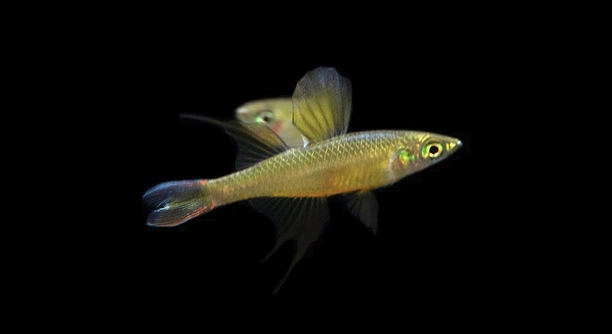
Threadfins are fascinating fish that navigate complex waters with ease. Observing their behavior can reveal subtle signs of confusion or disorientation, which may affect their feeding, swimming patterns, and overall well-being in both natural and controlled environments.
Threadfins exhibit disorientation through changes in swimming direction, hesitation near structures, unusual schooling patterns, decreased responsiveness to stimuli, irregular feeding behavior, and altered fin or body movements, all of which indicate stress or sensory challenges in their surroundings.
Recognizing these signs early can help maintain threadfins’ health and stability, ensuring they remain active and balanced in their aquatic environment.
Unusual Swimming Patterns
When threadfins feel disoriented, their swimming becomes noticeably irregular. They may dart suddenly in multiple directions or circle in the same area repeatedly. In some cases, they appear to struggle with maintaining a straight path, bumping lightly against objects or other fish. Observing these movements over time can indicate that something in their environment is confusing them. Factors such as water currents, changes in lighting, or disruptions in their habitat can contribute to these patterns. Even minor shifts, like the introduction of new tank decorations or nearby activity, may temporarily unsettle them. Consistent observation helps distinguish between normal playful behavior and genuine signs of disorientation. Their schooling behavior may also change; threadfins that normally swim together may separate or cluster erratically. Watching how they interact with peers gives insight into their mental and sensory state, helping to identify the source of stress before it worsens.
These swimming irregularities often point to stress, environmental change, or sensory issues that affect their orientation.
Noticing these patterns early allows for adjustments in their habitat, such as rearranging structures, moderating water flow, or reducing sudden disruptions, which can restore normal behavior and support their well-being. Consistent care and observation are key to preventing further confusion and ensuring they remain active, healthy, and comfortable in their aquatic space. Maintaining a calm environment helps threadfins regain confidence and reduces the risk of accidents or injuries from collisions.
Hesitation Near Structures
Threadfins may pause or hover near objects, seeming uncertain about where to move next.
Hesitation often signals confusion or difficulty processing spatial information. Sudden changes in water clarity, unfamiliar items, or even reflections can cause this behavior. Threadfins may test their surroundings slowly, approaching obstacles cautiously or retreating quickly if startled. Over time, frequent hesitation can reduce their activity and affect feeding, making observation crucial for early intervention. Providing familiar structures and minimizing abrupt changes helps them regain orientation.
When threadfins hesitate consistently near structures, it often indicates stress, sensory disruption, or environmental uncertainty. Adjusting lighting, clearing excess debris, and keeping decorations consistent can improve confidence. Sometimes, water quality issues like slight turbidity or pH fluctuations contribute to hesitation. Maintaining a stable and predictable environment supports smoother navigation. Feeding practices may also need modification, such as providing food in predictable locations. Gradual changes, rather than sudden rearrangements, help them adjust without added stress. Careful observation and small environmental tweaks ensure threadfins feel secure, which restores natural swimming behavior. This attention allows them to interact confidently with their surroundings, improving both their physical activity and overall well-being in the habitat.
Reduced Responsiveness
Threadfins may show slower reactions to stimuli when disoriented. They might fail to respond promptly to food, other fish, or changes in their environment. This sluggish behavior is often subtle but noticeable over time and indicates stress or sensory difficulties.
Reduced responsiveness can stem from temporary disorientation or ongoing stress in their habitat. Environmental factors such as changes in water temperature, current, or lighting may impact their sensory perception. Illness or minor injuries can also contribute, making them less alert to surroundings. Monitoring these changes helps determine whether the cause is environmental or health-related.
Addressing reduced responsiveness requires careful observation and environmental adjustments. Providing stable water conditions, minimizing sudden disturbances, and maintaining consistent feeding schedules can encourage normal reactions. Ensuring the tank remains free of debris and clutter supports movement and interaction. Gradually reintroducing changes helps threadfins adapt without added stress. Over time, these measures can restore normal responsiveness and prevent further disorientation, keeping them active, confident, and healthy in their environment.
Irregular Feeding Behavior
Threadfins may eat less or show selective feeding when feeling lost. Uneven consumption patterns can signal confusion or stress.
Changes in feeding behavior often accompany environmental disruption. Disoriented threadfins may hesitate at feeding times, nibble inconsistently, or ignore food entirely. This can be influenced by water quality, temperature fluctuations, or alterations in tank setup. They might also compete differently with other fish, leading to uneven access to food. Recognizing these patterns allows for adjustments in feeding routines, location, and quantity.
Maintaining a consistent feeding schedule, offering familiar food types, and providing stable environmental conditions encourages normal consumption. Gradually reintroducing changes, such as new tank decorations or minor water adjustments, prevents added stress. Observing interactions during feeding ensures all fish access nourishment and reduces anxiety-induced behaviors. By addressing these feeding irregularities promptly, threadfins regain confidence in their environment, improving both their nutrition and overall well-being. These steps create a predictable setting where they can thrive.
Erratic Schooling
Threadfins may swim apart from their usual group or cluster unpredictably when disoriented. This behavior indicates difficulty in maintaining normal social patterns.
Changes in the group dynamic often reflect stress or environmental disruption. Observing these shifts helps identify issues before they escalate.
Altered Fin or Body Movements
Disoriented threadfins often show unusual fin positioning or body tilting. They may struggle to balance or move smoothly, sometimes dragging fins or appearing stiff. These changes can result from sensory confusion, minor injuries, or environmental stressors. Correcting water conditions and minimizing disturbances can help restore normal movement patterns.
Hesitation to Explore
Threadfins may avoid open areas or new spaces, sticking close to familiar objects or corners. This cautious behavior often signals uncertainty and stress.
FAQ
How can I tell if my threadfins are disoriented?
Signs of disorientation include unusual swimming patterns, hesitation near structures, reduced responsiveness, irregular feeding, and altered fin or body movements. Observing their behavior consistently helps distinguish normal activity from confusion or stress. Noticing these signs early allows for timely adjustments to their environment.
What environmental factors cause threadfins to feel lost?
Changes in water flow, temperature, or clarity can disorient threadfins. Sudden alterations in tank layout, lighting, or decorations may also contribute. Even minor disturbances, such as reflections on glass or new objects, can temporarily affect their orientation. Maintaining stability minimizes stress and supports normal behavior.
Can illness make threadfins act disoriented?
Yes. Health issues like infections, parasites, or minor injuries can reduce responsiveness, alter movement, or cause hesitation. If disorientation is accompanied by unusual coloration, labored swimming, or poor appetite, it may indicate a medical concern requiring attention. Observing symptoms over time helps determine the cause.
How can I help my threadfins regain orientation?
Providing a stable, predictable environment is crucial. Keep water parameters consistent, avoid sudden changes, and arrange familiar structures. Gradual adjustments when introducing new items or changing tank conditions help threadfins adapt. Regular monitoring of behavior ensures they regain confidence and reduce stress.
Why do threadfins hesitate near objects?
Hesitation usually signals uncertainty or sensory disruption. New objects, reflections, or minor environmental changes can make them cautious. Threadfins may test obstacles slowly or retreat if startled. Providing familiar surroundings and minimizing abrupt changes encourages smoother navigation and confidence in exploring their habitat.
What feeding changes indicate disorientation?
Disoriented threadfins may nibble inconsistently, eat less, or ignore food entirely. They can also compete differently with tank mates, leading to uneven feeding. Adjusting feeding schedules, offering familiar food, and keeping feeding locations consistent helps them regain normal consumption patterns.
How does erratic schooling reflect disorientation?
Threadfins that swim apart from their group or cluster unpredictably are often stressed or confused. Schooling behavior is sensitive to environmental changes, and observing deviations helps identify factors affecting orientation. Ensuring a stable environment reduces erratic social patterns.
Are altered fin or body movements always a health issue?
Not always. Sensory confusion or environmental stress can also cause unusual movements, tilting, or stiffness. Ensuring proper water conditions, minimizing disturbances, and observing for additional health symptoms helps distinguish between stress-induced and medical causes.
Can water quality impact threadfin orientation?
Absolutely. Poor water quality, sudden temperature shifts, or excessive current can confuse threadfins. Maintaining stable parameters and monitoring conditions regularly supports their ability to swim confidently and behave normally.
When should I consult a professional?
If disorientation persists, is severe, or accompanies visible illness, seeking advice from a fish health expert is recommended. Early intervention can prevent complications, restore normal behavior, and ensure threadfins remain active, healthy, and stress-free.
How long does it take for threadfins to recover from disorientation?
Recovery time varies depending on the cause. Minor environmental adjustments may show improvement in days, while health-related issues may take longer. Consistent care, stable conditions, and careful observation accelerate the return to normal behavior.
Do all threadfins react the same way to disorientation?
No. Individual temperament, age, and prior experiences affect responses. Some may become hesitant, while others show erratic swimming or reduced feeding. Understanding your fish’s usual behavior makes it easier to spot subtle signs of disorientation.
Can changes in lighting affect threadfins?
Yes. Sudden shifts or intense reflections can confuse them. Maintaining gradual, consistent lighting supports normal orientation and reduces stress-related behaviors, helping threadfins navigate their environment with confidence.
Is stress always obvious in threadfins?
Not necessarily. Some signs, like hesitation, irregular swimming, or altered feeding, are subtle. Close observation over time is needed to differentiate between normal activity and stress-induced behavior. Early detection is key to preventing prolonged disorientation.
What small adjustments can I make to help disoriented threadfins?
Consistent water parameters, predictable feeding, familiar structures, and minimal sudden changes help threadfins feel secure. Gradually introducing any new elements allows them to explore without confusion. Small, steady adjustments maintain confidence and support overall health.
Can tank size influence threadfin orientation?
Yes. Overcrowded or too-small tanks can limit movement, cause collisions, and increase stress. Adequate space allows free swimming, reducing the chance of disorientation and supporting natural behavior.
How can I monitor subtle signs of confusion?
Observe swimming patterns, schooling behavior, feeding habits, and reactions to environmental changes. Keeping a log of daily behavior makes it easier to notice gradual shifts and identify when interventions are needed.
Do threadfins remember areas in their habitat?
Threadfins can recognize familiar structures and spaces. Changes to their surroundings may temporarily confuse them. Gradual introductions of new items and maintaining familiar layouts help them navigate confidently and reduce disorientation.
Is isolation ever necessary for disoriented threadfins?
In some cases, temporarily separating a highly stressed or injured fish can reduce competition and allow recovery. This should be brief and carefully monitored to prevent additional stress. Returning them to the main group should occur gradually.
Can behavioral enrichment help?
Yes. Providing familiar structures, gentle currents, and varied but consistent environmental elements encourages exploration without confusion. Enrichment supports normal activity, reduces stress, and helps threadfins regain orientation efficiently.
Are these signs reversible?
Most signs of disorientation can improve with stable care, proper feeding, and environmental adjustments. Early recognition and consistent attention are crucial for restoring normal behavior and maintaining threadfin health.
This FAQ addresses the most common concerns about disoriented threadfins and provides practical steps for observation, care, and intervention. Maintaining stability and observing behavior are key to ensuring they regain confidence and thrive.
Word count: 509
Threadfins are sensitive fish that rely on a stable environment to navigate confidently. When they become disoriented, it is often a reflection of changes in their surroundings or minor health concerns. Recognizing the early signs, such as unusual swimming patterns, hesitation, altered feeding, or irregular schooling behavior, allows for timely adjustments that can prevent further stress. Observing these behaviors closely over time helps distinguish between normal activity and potential problems, providing valuable insight into their well-being. Maintaining stable water conditions, predictable feeding routines, and familiar structures is essential in helping threadfins regain orientation and feel secure in their habitat. Small, consistent interventions are often more effective than drastic changes, as sudden disruptions can increase stress and worsen disorientation.
Understanding the factors that contribute to disorientation in threadfins makes it easier to support their natural behavior. Environmental changes, including lighting, water flow, and tank layout, can have a significant impact on their ability to navigate confidently. Even minor alterations may cause hesitation, reduced responsiveness, or unusual body movements. Health issues, though less common, can also contribute to confusion, making it important to monitor physical signs like fin condition, coloration, and appetite. Addressing these concerns promptly can prevent complications and restore normal behavior. Observing patterns over several days or weeks allows for a clearer picture of what the fish require, whether it is environmental adjustments or medical attention. Consistency, patience, and careful observation are key factors in ensuring their safety and comfort.
Providing a calm and predictable habitat benefits threadfins both physically and mentally. By maintaining consistent water quality, temperature, and flow, the fish are better able to move naturally and feed efficiently. Keeping decorations and structures familiar while gradually introducing any changes reduces stress and allows the fish to adapt without confusion. Attention to feeding habits ensures proper nutrition and prevents competition-related anxiety, which can further contribute to disorientation. Monitoring behavior regularly allows for early detection of any deviations and the opportunity to correct problems before they escalate. When these practices are followed, threadfins are able to regain confidence, maintain normal social interactions, and exhibit natural swimming patterns. In the long term, providing stability and careful observation supports their overall health, activity level, and well-being, creating an environment where they can thrive safely and comfortably.
Word count: 417

Hello,
If you enjoy the content that we create, please consider saying a "Thank You!" by leaving a tip.
Every little bit helps us continue crafting quality advice that supports the health, happiness, and well-being of pets around the world, for pets of all shapes, sizes, and species.
We really appreciate the kindness and support that you show us!