
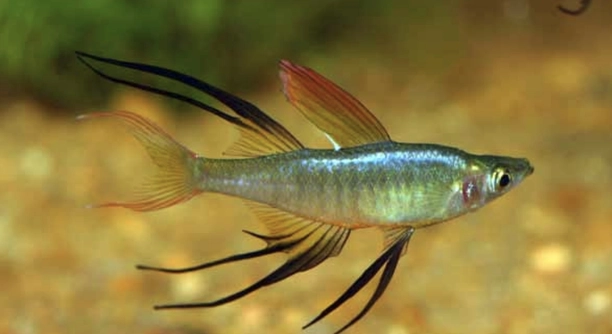
Have you ever noticed how threadfins seem to move in perfect harmony, gliding together through the water as if guided by an unspoken connection?
Threadfins often display group bonding through synchronized swimming, protective circling, and shared feeding behavior. These coordinated actions help maintain unity, reduce stress, and improve survival. Observing these patterns reveals how strongly social dynamics influence their everyday interactions and communication.
Their subtle signals and collective habits show how deeply connected these fish truly are beneath the surface.
Swimming in Sync
Threadfins are known for their graceful, coordinated movements, often gliding in tight formations that display a deep sense of unity. This synchronized swimming is not just a visual spectacle—it’s a key sign of group bonding. By maintaining rhythm and direction together, threadfins can better navigate their environment and avoid potential threats. When one fish shifts direction, the others instantly adjust, creating a fluid, unified motion that reflects trust and mutual awareness. These patterns are often seen in stable groups, where members grow accustomed to each other’s signals and movements. Through this collective coordination, threadfins demonstrate their ability to communicate without words, using motion and proximity to express belonging.
The precision in their synchronized swimming helps them conserve energy, making their movements more efficient and controlled as they travel through changing currents.
Threadfins rely on subtle body language to maintain their rhythm. Every flick of a fin carries meaning, reinforcing their bond as a cohesive group.
Protective Circling Behavior
Threadfins often form protective circles when sensing potential danger. This defensive behavior helps shield weaker members, particularly juveniles, from predators. By tightening their formation, they create a barrier that confuses attackers and ensures the safety of the group’s center.
This circling pattern shows a high level of awareness and cooperation. Each threadfin takes on a role, moving with purpose to strengthen the group’s defense. Scientists have observed that during these moments, communication becomes more refined—threadfins adjust their spacing and angle to stay aligned with one another. This cooperative act not only deters predators but also reinforces the trust within the group. The more they engage in such collective protection, the stronger their social ties become. Over time, this behavior becomes instinctive, shaping how they respond to danger as a unified, dependable team beneath the surface.
Shared Feeding Patterns
Threadfins often display bonding during feeding sessions, gathering closely to share food sources. They feed in calm, coordinated movements, ensuring that each member has access without aggressive competition, showing mutual respect within their established group structure.
When threadfins locate a rich feeding area, they naturally position themselves in a loose circle or line. This organized behavior reduces chaos and allows efficient access to plankton or small crustaceans. They move together in rhythmic motions, filtering food and adjusting spacing to maintain order. Such shared feeding moments build familiarity and reinforce their social hierarchy. Younger threadfins often mimic the movements of older members, learning feeding etiquette through observation.
This feeding unity also provides a safety advantage. While feeding, they remain alert to predators, relying on their synchronized awareness to sense threats quickly. This shared vigilance strengthens group survival instincts and deepens their mutual dependence during vulnerable moments.
Mutual Cleaning Behavior
Threadfins are known to engage in gentle cleaning rituals, where individuals remove parasites and debris from each other’s scales. This cooperative act promotes not only hygiene but also trust, creating a sense of closeness among group members that enhances their social stability.
During these cleaning interactions, one threadfin often positions itself slightly higher while another inspects and pecks delicately along its fins or sides. This exchange continues until both fish switch roles, showing mutual care and balance in the relationship. Such behavior minimizes health risks and reduces stress, especially in densely populated environments. The calmness they display during this process reflects a deep sense of comfort and security within the group. These rituals, often observed in established schools, highlight how threadfins rely on social cooperation not just for survival, but for maintaining harmony and well-being within their aquatic community.
Coordinated Resting Patterns
Threadfins often rest in close proximity, maintaining a balanced distance that reflects both comfort and awareness. Their resting groups form calm clusters, where movement slows, and each fish aligns gently with the flow of the current, ensuring collective stability.
This quiet alignment during rest strengthens their social connection. By resting together, they reduce vulnerability to predators and share the security of numbers. This calm synchronization shows how trust plays an essential role in their group behavior, fostering familiarity and emotional stability within the school.
Courtship Displays
During mating seasons, threadfins exhibit courtship behaviors that highlight group bonding and communication. Males often perform rhythmic swimming patterns, displaying bright fin movements to attract females. These synchronized displays involve multiple fish, creating a visually coordinated scene that reinforces unity even during competition.
Shelter-Seeking Behavior
When seeking shelter, threadfins often move as one, gliding toward shaded reefs or vegetation. Their unified motion during retreat reflects instinctive teamwork, showing how safety and cooperation intertwine naturally within their bonded group structure.
FAQ
Why do threadfins swim in tight formations?
Threadfins swim in tight formations as a way to maintain group cohesion and improve safety. Staying close allows them to respond quickly to threats and reduces the risk of individual fish being targeted by predators. This behavior also helps them navigate efficiently, conserving energy while moving through currents.
How does synchronized swimming benefit threadfins?
Synchronized swimming allows threadfins to maintain visual and physical contact, ensuring the group stays organized. It reduces collisions, distributes energy evenly, and strengthens social bonds. By moving together, they can better locate food sources and avoid danger, demonstrating a combination of instinct and learned behavior.
What is the purpose of protective circling?
Protective circling is a defensive strategy. Threadfins form circular formations around vulnerable members, like juveniles, to confuse predators and reduce attack chances. Each fish adjusts its position according to the movement of others, showing precise coordination and a shared understanding of group priorities.
Do threadfins show affection through mutual cleaning?
Yes, mutual cleaning is both practical and social. By removing parasites and debris from each other, threadfins maintain health and reinforce trust. The calm interactions during cleaning create a sense of security and strengthen social bonds, especially in stable groups where members are familiar with each other.
How do threadfins coordinate during feeding?
Threadfins feed collectively in a structured manner. They position themselves to reduce competition and allow access to food for all members. Younger fish learn by observing older fish, and the group maintains awareness of potential predators while feeding, combining survival instincts with social cooperation.
Why do threadfins rest close together?
Resting closely provides both safety and comfort. In tight clusters, fish can sense changes in the environment quickly, making it easier to respond to threats. This resting behavior also reinforces social bonds, as physical proximity encourages familiarity and a sense of belonging within the group.
What role do courtship displays play in bonding?
Courtship displays are both reproductive and social. By performing synchronized swimming patterns and showing off their fins, males signal strength and vitality. The coordination observed during these displays reflects the group’s ability to cooperate, even in competitive contexts, strengthening social cohesion while supporting mating opportunities.
How do threadfins find shelter together?
Threadfins move as a unit when seeking shelter, using instinctive teamwork to locate safe areas like reefs or dense vegetation. This coordinated behavior ensures that all members can retreat efficiently, minimizing exposure to predators and reinforcing the sense of collective security and group reliance.
Can observing threadfins teach us about social behavior in fish?
Observing threadfins offers valuable insights into social dynamics, communication, and cooperation in aquatic species. Their coordinated movements, protective strategies, and mutual care reflect complex social structures, showing that fish can maintain sophisticated group interactions that support survival, learning, and emotional well-being.
Are these bonding behaviors instinctive or learned?
Threadfin bonding behaviors are a mix of instinct and learning. Some actions, like protective circling, are instinctive survival strategies. Others, such as synchronized feeding and courtship patterns, are refined through observation and experience. Over time, these learned behaviors enhance group cohesion and reinforce long-term social stability.
Do environmental factors affect their bonding?
Yes, water conditions, predator presence, and food availability influence bonding behaviors. Stressful environments can increase vigilance and coordination, while abundant food and calm waters allow more relaxed interactions, like mutual cleaning or resting together. Environmental stability supports stronger social bonds and more effective group behaviors.
How long do these social bonds last?
Threadfin social bonds can last for months or even years within stable groups. Strong familiarity improves coordination, trust, and overall survival. Even temporary disturbances may not break these bonds, as the fish quickly resume synchronized behaviors and group routines once conditions stabilize.
Can threadfins bond with other fish species?
While threadfins primarily bond within their own species, they may interact with other species in shared habitats. These interactions are usually limited to coexistence, such as feeding in overlapping areas, rather than forming strong cooperative bonds. Social bonding remains strongest among familiar threadfin group members.
Do juveniles show the same bonding behaviors as adults?
Juvenile threadfins exhibit bonding behaviors, but they are often less coordinated. They learn by mimicking older members, gradually adopting synchronized swimming, feeding order, and protective routines. Over time, these learned behaviors help them integrate fully into the group and strengthen overall cohesion.
How can humans observe these behaviors responsibly?
Observing threadfins requires minimal interference. Maintaining distance, avoiding sudden movements, and watching quietly allows natural behaviors to continue. Recording patterns without disrupting their environment provides insights into their social dynamics while ensuring the fish remain safe and stress-free.
What is the most important sign of bonding in threadfins?
The clearest sign of bonding is coordinated group movement, whether swimming, feeding, or seeking shelter. Synchronized actions, mutual care, and protective formations all indicate trust, communication, and social cohesion, reflecting the strength and stability of their group connections.
Are there differences in bonding between small and large groups?
Yes, small groups often show more precise coordination and individual recognition, while large groups rely on general patterns and spacing to maintain cohesion. Both group sizes demonstrate bonding, but interactions in smaller groups tend to be more personal and observable, while larger schools focus on overall unity.
Do these behaviors have any long-term benefits?
Strong bonding improves survival, reduces stress, and increases feeding efficiency. Social cohesion allows threadfins to react effectively to threats, maintain health through mutual care, and support reproductive success. These benefits highlight how essential group bonding is to their daily life and long-term well-being.
How do predators influence bonding behaviors?
Predators trigger defensive coordination like protective circling and synchronized retreats. The presence of threats strengthens group vigilance, forcing threadfins to communicate quickly and maintain close proximity. These responses reinforce trust and cooperation, showing that bonding is critical for survival in potentially dangerous environments.
Are bonding behaviors visible year-round?
Many bonding behaviors are observed throughout the year, though some, like courtship displays, are seasonal. Synchronized swimming, feeding coordination, resting clusters, and mutual cleaning persist regularly, demonstrating that strong social connections are a consistent part of threadfin life.
Can bonding behaviors be measured scientifically?
Yes, researchers track movement patterns, spacing, and interaction frequency to quantify bonding. Video analysis and observation logs reveal synchronization levels, protective actions, and cooperative behaviors, providing measurable evidence of social cohesion and the importance of group relationships in threadfin populations.
Do all threadfins in a group bond equally?
Bond strength can vary. Some individuals, often older or more experienced, lead coordination, while others follow. Hierarchies may form subtly, but even less dominant members participate in collective behaviors, contributing to group cohesion and benefiting from the safety and support of bonded peers.
How do changes in habitat affect group bonding?
Habitat changes, like altered currents or reduced shelter, can disrupt coordination and social interactions. Threadfins adjust by reorganizing formations and redefining roles, but significant or sudden changes may temporarily reduce the effectiveness of their bonding behaviors until the group stabilizes in the new environment.
Are these bonding behaviors unique to threadfins?
While threadfins display distinct patterns, similar bonding behaviors are observed in other schooling fish. What makes threadfins notable is the combination of synchronized swimming, protective circling, mutual cleaning, and coordinated feeding, which together create a highly integrated social structure within their groups.
How do researchers study these behaviors in the wild?
Researchers use underwater observation, video recording, and tagging to monitor threadfin groups. By noting positions, movements, and interactions over time, they can analyze patterns, identify leadership roles, and understand the development of bonding behaviors without significantly disturbing the fish.
Do environmental threats increase group cohesion?
Yes, threats like predators or strong currents encourage tighter formations, more frequent communication, and collective vigilance. These pressures reinforce trust and coordination, demonstrating that bonding is not only social but also an adaptive survival strategy that responds to changing conditions.
What lessons can humans learn from threadfin bonding?
Threadfin behaviors show the importance of cooperation, communication, and mutual care in achieving shared goals. Observing their coordinated efforts, protective instincts, and social support highlights how group cohesion can enhance safety, efficiency, and overall well-being in any collective setting.
How does group size impact social learning?
Larger groups provide more opportunities for younger threadfins to observe and mimic experienced members, promoting faster learning of feeding, swimming, and protective behaviors. Smaller groups allow closer observation of individual actions, creating a more personalized learning experience. Both scenarios strengthen social knowledge within the group.
Are there noticeable personality differences that affect bonding?
Some threadfins are more assertive or cautious, influencing how they interact within the group. Dominant or confident individuals often guide movements, while more cautious members adapt and follow. Despite differences, these personality variations contribute to overall cohesion by balancing leadership and cooperative roles within the school.
Do threadfins maintain bonds outside of immediate group interactions?
Yes, bonds extend beyond daily activities. Familiar members recognize each other in new contexts, such as different feeding areas or shelter locations. This recognition allows them to re-establish coordination quickly, showing that social memory plays a role in maintaining long-term relationships.
Can human activity disrupt bonding behaviors?
Human activity, like boating, pollution, or habitat destruction, can interfere with group coordination. Noise and water disturbance may scatter schools, increase stress, and reduce opportunities for synchronized behaviors. Protecting their environment helps preserve these natural bonding patterns and ensures the long-term health of threadfin populations.
Are bonding behaviors observable in captivity?
Yes, threadfins in controlled environments still exhibit synchronized swimming, feeding coordination, mutual cleaning, and protective behaviors. Captive observation allows detailed study of these interactions, but space, water quality, and group composition must be carefully maintained to ensure behaviors remain natural and stress-free.
Do threadfins respond to changes in group composition?
They adjust quickly to new members or the loss of familiar fish. Established patterns may shift temporarily, but over time, individuals integrate, and coordinated behaviors resume. This adaptability highlights the flexibility and resilience of their social bonds.
How can observing threadfins improve our understanding of marine ecosystems?
Studying bonding behaviors provides insight into communication, cooperation, and survival strategies in aquatic environments. These observations reveal how species interact, respond to threats, and maintain social stability, offering a broader understanding of ecological balance and species interdependence.
Are there any long-term studies on threadfin bonding?
Long-term studies track individual and group behaviors over months or years, documenting social hierarchies, feeding routines, and protective strategies. These studies highlight patterns of learning, adaptation, and trust development, confirming the significance of sustained bonding in threadfin populations.
Do threadfins ever break bonds intentionally?
Intentional bond-breaking is rare. Separation usually occurs due to environmental stress, predation, or individual health issues. Even when temporarily separated, fish often attempt to reunite with familiar members, showing that bonds are resilient and maintained through repeated social interactions.
How does age affect bonding behaviors?
Older, experienced threadfins often lead group coordination, while younger fish learn by observation. Age influences roles within the school, but all members contribute to group cohesion, ensuring that experience is shared and social stability is maintained across generations.
Can bonding behaviors be linked to reproductive success?
Yes, strong bonds improve mating efficiency and offspring survival. Coordinated movements, protective behaviors, and mutual care reduce stress, enhance feeding, and increase the chances that juveniles reach maturity safely, linking social cohesion directly to reproductive outcomes.
What is the most surprising aspect of threadfin bonding?
The most striking aspect is the complexity and consistency of their interactions. Despite being fish, threadfins demonstrate sophisticated social structures, balancing competition, cooperation, and communication seamlessly, which highlights the depth of social intelligence in aquatic species.
Do threadfins communicate vocally or visually during bonding?
Threadfins primarily rely on visual cues, body movements, and fin positioning to communicate. These subtle signals coordinate swimming, feeding, and defensive actions, allowing the group to function efficiently without vocalization. Visual communication is central to maintaining trust and alignment.
How quickly do new group members adapt to bonding behaviors?
Adaptation depends on age and experience. Younger fish adjust quickly by mimicking older members, while new adults take longer to synchronize fully. Regardless, the group encourages integration, and most newcomers adopt established patterns within days to weeks.
Are there seasonal variations in bonding behaviors?
Certain behaviors, like courtship displays, intensify during breeding seasons. Other activities, such as synchronized swimming, resting clusters, and mutual cleaning, continue year-round, demonstrating that bonding remains a consistent feature of threadfin life with some seasonal amplification.
Do threadfins recognize individual members visually?
Yes, threadfins can distinguish familiar members through size, markings, and swimming style. This recognition ensures smoother coordination and reinforces trust, especially during feeding, protection, and resting routines. Familiarity reduces conflict and improves overall group stability.
Can environmental enrichment enhance bonding in captivity?
Providing varied terrain, hiding spots, and ample space supports natural behaviors. Enrichment encourages synchronized swimming, coordinated feeding, and mutual cleaning, helping maintain strong social bonds and reducing stress, ensuring captive threadfins display behaviors similar to those in the wild.
What is the role of juveniles in group bonding?
Juveniles contribute by learning social cues, mimicking older members, and gradually taking part in coordinated activities. Their integration ensures knowledge transfer and long-term cohesion, reinforcing the continuity of bonding behaviors across generations and supporting group stability.
Do threadfins ever compete aggressively despite bonding?
Competition is minimal and typically related to food or mating. Even in these situations, cooperative behaviors dominate, and aggression rarely disrupts group cohesion. Social structure prioritizes mutual benefit and survival over conflict, allowing the school to maintain harmony effectively.
How do threadfins recover bonds after disruption?
If a group is scattered by predators or environmental change, threadfins quickly regroup. Fish adjust spacing, synchronize swimming, and resume shared behaviors. Recovery is aided by recognition of familiar individuals and instinctive drive to maintain unity, demonstrating resilience in their social structure.
Are there any notable differences in bonding between male and female threadfins?
Males often lead during courtship displays and occasionally in coordinated feeding, while females focus on group stability and vigilance. Both sexes participate in protective and mutual care behaviors, contributing equally to overall cohesion despite slight role differences.
Do threadfins use chemical cues in bonding?
While visual cues dominate, chemical signals may supplement bonding, especially in recognizing stressed or injured members. These subtle chemical communications can trigger protective responses or alert the group to environmental changes, enhancing coordination and trust.
How does predation pressure influence group structure?
Higher predation pressure encourages tighter formations, more synchronized movement, and increased protective behaviors. Threadfins adapt by emphasizing group cohesion and collective vigilance, ensuring individual survival and reinforcing social bonds through cooperative responses.
Are bonding behaviors consistent across different habitats?
Yes, while minor adjustments occur depending on water clarity, depth, and predator presence, core bonding behaviors—synchronized swimming, feeding coordination, mutual cleaning, and protective formations—remain consistent, showing that these behaviors are fundamental to their social life.
Can human observation affect natural bonding behaviors?
Observing threadfins carefully and unobtrusively generally does not disturb them. Sudden movements or close proximity may temporarily alter behavior, but maintaining distance allows researchers to record natural patterns without interfering with group cohesion.
What is the long-term significance of bonding for threadfins?
Bonding ensures survival, reduces stress, and improves feeding efficiency. It strengthens reproductive success, transfers social knowledge to juveniles, and allows the school to adapt to environmental changes, highlighting the critical role of social cohesion in maintaining healthy populations.
Do environmental disturbances like storms disrupt bonding?
Storms can temporarily scatter schools and disrupt coordination. After disturbances, threadfins reunite, reestablishing synchronized swimming, feeding, and protective behaviors. Their ability to recover quickly demonstrates resilience and the importance of maintaining bonds for survival.
How important is trust in threadfin bonding?
Trust underpins all cooperative behaviors. Fish rely on each other to maintain formation, share food, and provide protection. Without trust, coordination breaks down, making bonding weaker and reducing the group’s ability to respond effectively to threats or environmental changes.
Do threadfins communicate with other species?
Interactions with other species are limited to coexistence rather than bonding. While threadfins may share space and resources, strong cooperative behaviors are primarily reserved for members of their own species, ensuring cohesion and survival within familiar groups.
Are there observable signs of stress affecting bonding?
Stress can lead to tighter formations, erratic swimming, or reduced mutual care. Environmental pressures like predators, poor water quality, or overcrowding amplify stress responses, temporarily altering normal bonding behaviors until conditions stabilize.
How do researchers differentiate between bonding and instinctive survival behaviors?
Researchers analyze frequency, context, and reciprocity of interactions. Coordinated swimming, mutual cleaning, and protective actions beyond immediate threats indicate bonding. Instinctive behaviors focus strictly on survival, while bonding reflects ongoing social cooperation and communication.
Can threadfins adapt bonding behaviors over generations?
Yes, learning and environmental adaptation allow subtle changes in coordination, feeding, and protection patterns. Younger generations adopt both inherited instincts and observed behaviors, ensuring that bonding evolves alongside ecological and social demands.
Are bonding behaviors more pronounced in certain times of the day?
Feeding, resting, and courtship routines can influence bonding visibility. Early mornings and late afternoons often show more synchronized swimming and feeding coordination, while midday resting emphasizes calm clusters and mutual proximity. These patterns reflect daily cycles in social behavior.
Do threadfins show loyalty to specific group members?
While all members contribute to cohesion, familiar individuals often form stronger associations, staying closer during feeding, resting, or protective formations. These selective bonds enhance trust and coordination, allowing smoother group interactions and efficient collective responses.
How can understanding threadfin bonding benefit conservation efforts?
Recognizing social structures helps identify critical habitats, predict responses to environmental changes, and design protective measures. Conservation strategies that preserve group cohesion, access to food, and shelter ensure that threadfins can maintain natural behaviors essential for survival.
Are there observable differences in bonding across threadfin species?
Yes, different species exhibit variations in schooling density, feeding coordination, and mutual care behaviors. However, all display key signs of bonding, showing that social cohesion is an essential trait across the threadfin family despite species-specific adaptations.
Do threadfins exhibit leadership roles within the group?
Certain individuals often lead swimming formations, feeding positions, and protective maneuvers. Leadership is flexible, shifting based on experience, age, or environmental conditions. Leaders help guide the group while others follow, maintaining overall cohesion and enhancing survival.
How resilient are threadfin bonds under stress?
Bonds are remarkably resilient. Even when groups are disrupted by predators or habitat changes, threadfins quickly regroup, restore synchronization, and resume coordinated behaviors. This resilience ensures the long-term stability of social structures and group survival.
**Are there any
Final Thoughts
Observing threadfins reveals how social bonds are central to their daily life. Their synchronized swimming, coordinated feeding, protective circling, and mutual cleaning show that these fish are not just individuals moving independently. Every movement, position, and interaction reflects a level of cooperation that ensures the safety, survival, and well-being of the group. Threadfins rely on each other to respond to threats, find food, and maintain order within their environment. This constant awareness of one another and the careful adjustment of movements and spacing highlight how deeply ingrained social behavior is in their species. Even resting or seeking shelter becomes a shared experience that strengthens trust and comfort among group members. By watching threadfins, it becomes clear that social cohesion is more than a survival mechanism; it is a fundamental part of their existence, shaping their behavior in almost every aspect of life.
The bonds threadfins form are both instinctive and learned. Some behaviors, such as protective circling or moving together to avoid predators, are instinctual, ensuring that even newly born or inexperienced fish participate in group survival. Other behaviors, like feeding coordination, courtship displays, or mutual cleaning, require observation and experience. Younger fish often learn by following older members, gradually adopting the techniques and timing that make the group function efficiently. Over time, these learned behaviors reinforce trust and strengthen the social network within the school. Even when environmental conditions change or threats arise, threadfins demonstrate remarkable adaptability, adjusting their positions and roles to maintain cohesion. These patterns of learning, adaptation, and cooperation show that bonding is not only about immediate survival but also about maintaining long-term stability and resilience within the group.
The insights gained from threadfin behavior extend beyond the species itself. Their social structure shows how communication, coordination, and mutual care are vital for the success of a collective group. Observing these fish helps us understand the importance of trust, cooperation, and shared responsibility in maintaining harmony and stability. Whether it is resting together, feeding efficiently, or responding to danger, threadfins rely on their connections to thrive. These patterns illustrate the complexity of social life in aquatic species and provide a window into how animals use group dynamics to solve problems and enhance survival. Recognizing these behaviors also emphasizes the value of preserving their natural habitats, as disruption can affect the delicate balance that supports these bonds. In all, threadfins offer a clear example of how social cohesion shapes behavior, survival, and interaction, reminding us that even in the smallest creatures, relationships play a critical role in everyday life.

Hello,
If you enjoy the content that we create, please consider saying a "Thank You!" by leaving a tip.
Every little bit helps us continue crafting quality advice that supports the health, happiness, and well-being of pets around the world, for pets of all shapes, sizes, and species.
We really appreciate the kindness and support that you show us!