
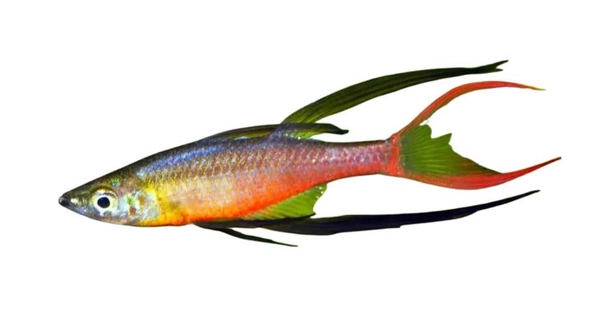
Environmental changes can have a big impact on fish behavior, especially for threadfins. These fish respond to subtle cues in their surroundings that help them maintain calmness and reduce stress naturally in their environment.
Threadfins use a combination of water temperature, light intensity, water flow, presence of hiding spaces, social interactions, chemical signals, and background noise levels to regulate stress and maintain a state of calmness, ensuring survival and optimal functioning in their habitats.
Understanding these cues can improve how we care for threadfins and manage their environments for long-term well-being and stability.
Water Temperature
Threadfins are very sensitive to changes in water temperature. Sudden shifts can increase stress levels, while stable temperatures help them remain calm and active. In controlled environments, maintaining a consistent range is crucial. Too cold or too warm water can slow metabolism or trigger rapid movement, which indicates discomfort. Observing their behavior during seasonal changes or tank maintenance can provide insight into how temperature impacts them. Even small adjustments, such as gradual heating or cooling, can make a noticeable difference in reducing anxiety. Temperature stability also affects their feeding habits and overall health. Natural habitats offer layers of temperature variations, which threadfins use to regulate body functions and stress responses. Replicating these conditions in captivity helps mimic natural stress-reduction cues, ensuring they adapt well. In essence, temperature acts as a silent guide, influencing their calmness and daily routines in subtle but important ways.
Maintaining a consistent temperature creates a stable environment, helping threadfins stay calm and minimizing sudden stress responses effectively.
Even in natural waters, threadfins select zones with ideal temperature ranges. By moving to slightly cooler or warmer areas, they can regulate metabolism and reduce unnecessary energy expenditure. Controlled environments should replicate this variability without sudden shifts, as abrupt changes can trigger erratic behavior. Using heaters, chillers, or gradual adjustments allows caretakers to maintain a balance similar to natural conditions. Observing their movement patterns can indicate comfort levels, guiding proper temperature management. Stable water conditions not only reduce stress but also enhance immunity, feeding efficiency, and overall longevity. By understanding and respecting these temperature cues, it becomes possible to support threadfins’ natural coping mechanisms and ensure a healthier, calmer life.
Light Intensity
Proper lighting is essential for threadfins’ calm behavior. Harsh or inconsistent light can trigger stress reactions, while gentle and stable illumination promotes relaxation and natural activity.
Threadfins respond to both natural and artificial light cues, which influence feeding, schooling, and rest behaviors significantly.
In their natural habitats, threadfins often navigate shaded areas or deeper waters to avoid sudden glare and bright sunlight. Sudden exposure to strong light can startle them, causing rapid swimming or hiding. Gradually increasing light intensity in controlled environments can help them acclimate and maintain calmness. The light-dark cycle also regulates biological rhythms, including feeding and rest patterns, which are critical for stress reduction. Using dimmers or adjustable lighting setups can replicate these natural fluctuations, creating a more stable and soothing environment. Threadfins are particularly sensitive to reflections or sudden changes in brightness, so ensuring even illumination and avoiding glare supports their behavioral stability. Respecting their natural preference for moderate, consistent light can improve their overall well-being and maintain calm behavior daily.
Water Flow
Threadfins prefer gentle and consistent water flow. Strong currents can increase stress, while calm water allows them to navigate and feed naturally. Flow patterns influence schooling and resting behavior significantly.
In areas with slow-moving water, threadfins show calmer swimming and more predictable movement. Rapid currents force them to expend extra energy, which can elevate stress hormone levels. Providing moderate flow in tanks or controlled habitats helps simulate their natural conditions. Flow direction and speed also guide how they position themselves in groups, maintain spacing, and interact socially. Proper water movement encourages natural foraging behavior without causing panic or erratic swimming, supporting overall health and stability. Careful placement of pumps or flow devices can create microcurrents that mimic natural water conditions, ensuring comfort and reducing stress. Observing their behavior in response to adjustments allows fine-tuning of flow patterns for optimal calmness.
Gentle, consistent water movement ensures threadfins can swim efficiently and maintain calm behavior, preventing unnecessary stress or fatigue.
Moderate flow also helps with oxygen distribution and waste management. Threadfins use current cues to coordinate movements, avoid obstacles, and seek food effectively. Abrupt or uneven flows may disrupt these behaviors, causing hiding or frantic swimming. In natural habitats, flow variability provides zones for resting and feeding. Replicating these patterns in controlled environments requires careful observation and adjustment of pumps, baffles, or water entry points. Maintaining a balance between movement and calm zones allows threadfins to adapt naturally, reducing stress while promoting healthy interactions and feeding patterns. Proper water flow management supports both physiological needs and behavioral stability.
Hiding Spaces
Threadfins rely on hiding spaces to feel secure and reduce stress. Without adequate cover, they may display nervous or erratic behavior frequently.
Providing shelters like plants, rocks, or artificial structures allows threadfins to retreat when stressed or resting.
Hiding spots serve as safe zones where threadfins can regulate interactions, avoid aggression, and recover from disturbances. In nature, these spaces are essential for avoiding predators and managing social hierarchy. Even small structures in controlled environments offer comfort and reduce overall stress levels. Placement of these shelters should consider accessibility, water flow, and light exposure, allowing fish to choose based on preference and perceived safety. Consistent availability of cover supports natural behavior patterns, encourages exploration, and enhances feeding efficiency. Threadfins with adequate hiding spaces show more calm, consistent activity and better overall health, highlighting the importance of thoughtful habitat design.
Social Interactions
Threadfins benefit from calm and predictable social groups. Crowded or aggressive environments increase stress, while stable companions encourage relaxed behavior.
Observing their interactions helps identify dominant or anxious individuals. Consistent group composition supports natural schooling and reduces unnecessary tension among fish.
Chemical Signals
Threadfins rely on chemical cues in water to detect stress, predators, and feeding opportunities. These signals influence behavior, alertness, and overall calmness in both natural and controlled environments.
Background Noise
Excessive vibrations or sudden sounds can startle threadfins, raising stress levels. Maintaining a quiet, stable environment allows them to swim and feed without unnecessary disturbances.
FAQ
How can I tell if my threadfins are stressed?
Stress in threadfins often shows through changes in swimming patterns, loss of appetite, or frequent hiding. Rapid gill movement, erratic schooling, or staying near the surface can also indicate discomfort. Observing their daily routines carefully helps identify these subtle signs.
What is the ideal water temperature for threadfins?
Threadfins thrive in stable water temperatures, typically between 24°C and 28°C. Sudden fluctuations can trigger stress responses, so maintaining a consistent range using heaters or chillers is important. Gradual adjustments are safer than abrupt changes to ensure calm behavior.
How much light do threadfins need?
Moderate and consistent lighting works best. Bright, sudden light can startle them, while dim or uneven illumination may disrupt activity patterns. Replicating natural light cycles with gradual changes supports feeding, schooling, and resting behaviors. Adjustable lighting helps achieve this balance in controlled environments.
Why is water flow important for threadfins?
Gentle, steady water movement allows threadfins to swim comfortably and reduces stress. Strong currents can exhaust them and interfere with natural behaviors. Creating microcurrents and calm zones mimics natural habitats and supports foraging, social interaction, and overall well-being.
How do hiding spaces help threadfins stay calm?
Shelters like plants, rocks, or artificial structures provide security and reduce stress. Threadfins retreat to these areas to rest, recover from disturbances, and regulate social interactions. Consistent access to hiding spots encourages natural behavior and prevents nervous or erratic swimming.
Can social interactions affect threadfin stress levels?
Yes. Threadfins do best in stable, calm groups. Overcrowding or aggressive companions increases stress, while predictable social structures encourage relaxed behavior and natural schooling patterns. Observing interactions helps maintain a balanced environment.
What role do chemical signals play in threadfin behavior?
Threadfins detect stress, predators, and feeding opportunities through waterborne chemical cues. These signals guide their movements, alertness, and interactions with other fish. Maintaining clean water while preserving natural chemical cues supports calmer, more predictable behavior.
Does background noise impact threadfins?
Excessive vibrations or sudden loud sounds can startle threadfins, causing panic or rapid swimming. Quiet, stable environments allow them to explore, feed, and interact calmly. Minimizing noise near tanks or habitats promotes long-term well-being and reduces stress-related behavior.
How often should I monitor my threadfins?
Daily observation is ideal. Checking for changes in swimming patterns, feeding habits, or social behavior helps detect stress early. Regular monitoring ensures that environmental cues like temperature, light, flow, and shelter remain optimal for calm and healthy fish.
Can environmental changes improve threadfin health?
Yes. Gradual adjustments in temperature, light, water flow, or habitat structures support natural coping mechanisms. Respecting their behavioral cues reduces stress, enhances feeding efficiency, and promotes longevity. Consistent care and attention create a stable, calming environment essential for their overall health.
Are there signs that hiding spaces are insufficient?
Threadfins may swim nervously, cluster near tank edges, or avoid open areas when hiding spots are limited. Adding additional shelters, plants, or cover encourages natural resting and reduces tension within the group. Proper spacing and accessibility are key to their comfort.
How do I balance water flow and hiding spaces?
Position shelters in calmer areas where currents are mild. This allows threadfins to retreat from strong flow while still benefiting from gentle water movement. Observing their preferences ensures a balance between physical activity and safe resting zones.
Can threadfins adapt to minor environmental changes?
Gradual adjustments are usually tolerated well. Sudden shifts in temperature, light, or water flow may cause stress. Introducing changes slowly allows them to acclimate while maintaining calm behavior, ensuring their health and well-being remain stable over time.
How can I encourage natural schooling behavior?
Maintaining consistent group composition, gentle water flow, and adequate hiding spaces promotes coordinated swimming. Stable lighting and reduced noise also help. Observing interactions helps identify any anxious or aggressive individuals that may disrupt the group’s calm.
What are long-term benefits of maintaining environmental cues?
Consistent temperature, lighting, flow, hiding spaces, and social stability reduce chronic stress. Threadfins demonstrate improved feeding efficiency, stronger immunity, predictable behavior, and overall longevity when their environment aligns with natural preferences. Careful attention ensures sustained well-being.
This FAQ covers the main aspects of environmental cues for threadfins, providing practical guidance for maintaining calm, healthy, and natural behavior in both natural and controlled settings.
Final Thoughts
Threadfins are highly sensitive to their surroundings, and understanding the environmental cues that help them stay calm is essential for their well-being. Factors like water temperature, light intensity, and flow patterns play a crucial role in regulating their stress levels. Even small fluctuations in temperature can disrupt metabolism and activity, while consistent lighting and gentle currents support natural behavior. Observing threadfins closely allows caretakers to identify subtle signs of stress, such as erratic swimming, hiding, or loss of appetite. By providing stable conditions, it is possible to reduce stress and encourage healthy, predictable behaviors that reflect their natural patterns. Attention to these details ensures threadfins can thrive, whether in controlled habitats or in areas where humans manage their environment.
Providing hiding spaces and managing social interactions are equally important. Threadfins feel secure when they have places to retreat, whether it is plants, rocks, or artificial structures. These spaces allow them to rest, recover, and regulate their social behavior without unnecessary tension. Group composition should also be monitored carefully, as overcrowding or aggressive companions can lead to heightened stress and disrupted schooling patterns. By maintaining calm, predictable social environments, threadfins are more likely to display natural swimming behaviors, feed efficiently, and interact calmly with others. Balancing environmental factors with social stability ensures threadfins can use their instincts and coping mechanisms effectively. Chemical signals in water further support these behaviors, as they alert threadfins to changes in their surroundings and help them adjust appropriately.
Finally, attention to noise levels and overall habitat stability cannot be overlooked. Sudden vibrations, loud sounds, or inconsistent water conditions can startle threadfins, causing unnecessary stress that affects feeding, rest, and social behavior. Gradual changes and consistent care help them adapt while maintaining calmness. Long-term benefits of respecting these environmental cues include better immunity, increased longevity, and overall healthier behavior. Threadfins respond positively to stable, thoughtfully designed habitats where temperature, light, flow, and shelter are managed carefully. By observing their responses and making necessary adjustments, caretakers can create an environment that supports both their physical health and emotional calm. Understanding and maintaining these cues ultimately ensures that threadfins live a stable, stress-free life, reflecting their natural behavior patterns and promoting overall well-being.

Hello,
If you enjoy the content that we create, please consider saying a "Thank You!" by leaving a tip.
Every little bit helps us continue crafting quality advice that supports the health, happiness, and well-being of pets around the world, for pets of all shapes, sizes, and species.
We really appreciate the kindness and support that you show us!