
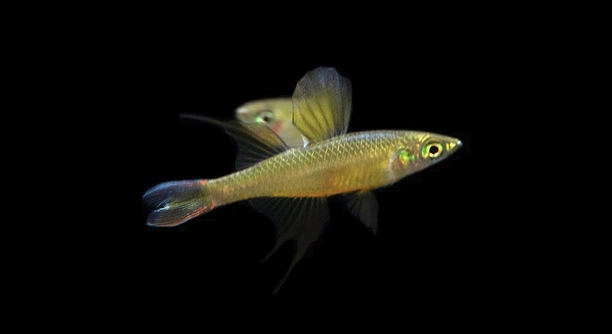
Is your threadfin acting restless or spending more time hiding instead of swimming gracefully in the tank’s gentle flow? Subtle behavior changes like these often hint at underlying discomfort caused by water movement or environmental stress.
A threadfin fish may struggle with strong currents due to its delicate fins and slender body, which make it sensitive to excessive water flow. Continuous stress from overpowering currents can lead to fatigue, loss of appetite, and even fin damage over time.
Recognizing these early signs helps prevent further stress and supports your threadfin’s well-being, ensuring a balanced and peaceful environment for your graceful swimmer.
1. Erratic Swimming and Restlessness
When your threadfin starts darting around or swimming unevenly, it may be struggling against a current that is too strong. These fish prefer calm, steady water and often tire quickly when exposed to excessive flow. Constant swimming against the current can exhaust them, leading to visible signs of stress such as rapid gill movement or hiding near the bottom. Over time, this behavior can weaken their immune system, making them prone to infections and fin tears. Creating an environment that mimics their natural slow-moving habitats allows them to swim effortlessly and display their graceful fins without strain or fear. A gentle, controlled flow helps restore their natural rhythm, reduces anxiety, and encourages healthy activity levels, ensuring your threadfin remains energetic and vibrant in its surroundings. Adjusting your filtration setup or repositioning water outlets often provides immediate relief and noticeable improvement in their behavior.
If you notice constant pacing or aimless movement, the current may need softening. Lowering flow strength allows your threadfin to settle into its environment and regain comfort.
Observation is essential when identifying stress behaviors. Each threadfin reacts differently, but consistent restlessness often means it’s time to evaluate your aquarium’s flow. With proper adjustments, your fish can return to its calm, graceful swimming patterns.
2. Loss of Appetite
A threadfin refusing food is often reacting to environmental stress, not hunger. When the current is too strong, feeding becomes difficult, and the fish may expend more energy chasing food than eating it.
Threadfins rely on calm water to locate and capture their meals. Excessive water movement scatters food quickly, causing frustration and missed feeding opportunities. Over time, this stress leads to noticeable weight loss and lethargy. Adjusting the flow near feeding zones helps reduce this issue. You can redirect water outlets or lower pump intensity during feeding to make the process easier. Observing your threadfin during mealtime also provides insight into its comfort level. If it avoids open areas or seems disinterested in food, it may be signaling distress from water movement. A gentle, balanced current allows them to feed calmly, maintain energy, and regain strength. Prioritizing stable flow ensures consistent eating habits and supports their long-term health.
3. Torn or Frayed Fins
Strong currents can easily damage a threadfin’s delicate fins. When the water flow is too forceful, the constant movement causes friction, leading to tearing, fraying, and even infection if left unchecked.
Torn fins are one of the clearest signs your threadfin is struggling. They often result from swimming against a current that’s too strong or being pulled toward filter intakes. Over time, this damages tissue and slows regeneration. To prevent further harm, reduce water speed, add plants or decorations to buffer the flow, and check filter placement. These adjustments provide calmer zones where your threadfin can rest.
Maintaining clean water also supports healing. A gentle current improves circulation without straining the fins. Adding stress-reducing aquarium salt in small amounts may also help recovery. Regular monitoring ensures any fin damage is addressed early, keeping your threadfin healthy, balanced, and displaying its natural beauty once again.
4. Hiding More Often
When a threadfin spends most of its time hiding, it’s often avoiding an uncomfortable current. These fish prefer gentle movement, and excessive flow can make them retreat behind rocks, plants, or decorations for relief.
Constant hiding indicates physical and emotional stress. Threadfins exposed to overpowering currents often lose confidence and energy, choosing shelter over swimming freely. This behavior limits their activity, weakens muscles, and affects feeding habits. Creating quiet zones within the tank using driftwood, broad plants, or flow diverters helps them regain comfort. It allows the fish to explore without fear of exhaustion. Gentle currents mimic their natural environment, encouraging a more relaxed and visible presence.
By adjusting the tank’s layout and observing their behavior, you can identify areas causing distress. Once the flow is balanced, your threadfin becomes more active, feeding regularly and showing its natural grace. Consistent comfort restores both its health and vibrant appearance.
5. Rapid Gill Movement
Fast gill movement is a clear sign of exhaustion. When the current is too strong, a threadfin must work harder to stay steady, which increases oxygen demand and leads to quicker breathing patterns.
If this continues, the fish may become fatigued and less active. Reducing water flow and ensuring stable oxygen levels can help the gills return to a normal rhythm. Balanced circulation supports calm breathing and overall comfort.
6. Faded or Dull Colors
Prolonged stress from harsh water movement can cause color fading. A threadfin’s vibrant tones often dull when it’s struggling to adapt. Gentle, consistent currents reduce tension, allowing the fish to regain its natural shine and maintain healthy pigmentation.
7. Lethargy and Lack of Energy
A threadfin that stops exploring and drifts aimlessly may be exhausted from constant swimming against the current. This fatigue affects feeding, balance, and immunity. Adjusting flow direction, adding calm zones, and ensuring proper rest periods can help restore its energy and bring back its graceful, active behavior.
Extra Sensitivity to Changes
Threadfins are delicate and respond quickly to even small water changes. Strong currents amplify this sensitivity, making them more prone to stress. Consistent flow strength and stable conditions help them remain peaceful and adapt comfortably without losing balance or energy.
FAQ
How can I tell if my threadfin is struggling with the current?
You can usually tell by observing its swimming behavior. If your threadfin appears restless, hides frequently, or moves in short bursts rather than smooth glides, it’s likely dealing with excessive water flow. Torn fins, rapid gill movement, or faded colors also indicate stress. Threadfins thrive in gentle water, so constant resistance against the current can wear them down. When you notice these signs, observe how the water moves in your tank. Areas with strong ripples or turbulent flow should be softened using plants, rocks, or repositioned filters. Subtle adjustments often help the fish regain stability and comfort.
What kind of water flow is best for threadfins?
Threadfins do best in slow-moving water with minimal turbulence. The current should be light enough for them to swim effortlessly without being pushed around. A calm flow helps maintain their energy and prevents unnecessary stress. If you use a strong filter, try angling the output toward a wall or adding a spray bar to distribute flow evenly. You can also include live plants or driftwood to naturally break the current. Testing different flow settings and observing your fish’s reaction ensures the right balance. The goal is steady circulation without overwhelming force.
Can strong currents affect my threadfin’s appetite?
Yes, strong currents often make feeding difficult. The movement scatters food quickly, forcing the fish to chase it around. This wastes energy and discourages consistent eating. Over time, poor feeding habits can lead to weight loss and lethargy. To help, slow the water movement during mealtime. Turn off the filter temporarily or feed near calmer areas so your threadfin can eat comfortably. Using sinking or slow-releasing foods also prevents waste and ensures the fish gets enough nutrition. Consistent feeding in gentle water keeps them healthy and active.
How do I reduce water flow in my aquarium?
Reducing water flow is simple. You can start by lowering the filter’s output power or redirecting its outflow toward a tank wall. Adding plants, rocks, or driftwood also helps slow down water movement naturally. Some aquarists use sponge filters for threadfins since they produce minimal current. If your setup uses a strong powerhead, consider installing a flow controller or diffuser. The aim is to create calm sections where your threadfin can rest without struggling. Monitor the flow after adjustments to make sure water still circulates evenly for proper oxygenation and cleanliness.
Why does my threadfin hide even when the current seems calm?
Sometimes hiding is a lingering behavior after stress. If your threadfin spent time in strong currents before, it may still seek cover until it feels secure again. Check for other factors such as lighting, tankmates, or sudden movements that could be startling it. Keep lighting soft and ensure other fish aren’t causing tension. Over time, your threadfin will begin to trust the environment again. Providing quiet areas with plants and shaded spots helps it relax. Gradually, you’ll see it swim more confidently in open water.
Can poor tank design make the current worse?
Yes, layout plays a big role in how water moves. A poorly arranged tank can create uneven flow, with strong currents in some areas and stagnant zones in others. Large decorations placed near filter outlets often intensify turbulence. Rearranging items to redirect water or create barriers can balance circulation. Using tall plants or wide ornaments to deflect the flow allows threadfins to enjoy calmer spaces. When the design encourages gentle movement, your fish will appear more active and less stressed.
What are the long-term effects of strong currents on threadfins?
Extended exposure to powerful water movement causes physical and mental strain. Threadfins may develop torn fins, reduced appetite, slower growth, and weakened immunity. Constant stress also affects their coloring, causing them to lose vibrancy. In severe cases, chronic fatigue can shorten their lifespan. Maintaining a balanced flow supports long-term health and prevents these issues. A peaceful environment encourages natural behavior, proper feeding, and steady energy levels. Regular checks on your filter setup and observing your fish’s posture and activity help prevent recurring problems.
Should I change my filtration system for threadfins?
It depends on your current setup. If your filter produces strong jets or turbulence, switching to a gentler model may help. Canister filters with adjustable outputs or sponge filters are ideal for threadfins. These options provide effective cleaning without excessive movement. Before replacing anything, try repositioning or modifying your existing filter. Sometimes a simple adjustment, like adding a spray bar, is enough to reduce the flow. The key is finding a system that maintains clean water while keeping your threadfin calm and stress-free.
Can tankmates affect how my threadfin reacts to the current?
Yes, tankmates can influence behavior. Active or larger fish may thrive in faster water, leaving threadfins overwhelmed. When paired with such species, threadfins may retreat to hiding places or avoid swimming altogether. Choose calm, peaceful companions that share similar water preferences. Ideal tankmates include smaller, slow-swimming fish that won’t compete for space or food. This balance ensures every fish feels comfortable in the same current strength. Compatibility in behavior and flow tolerance creates a stable, peaceful environment.
How can I keep my threadfin comfortable after adjusting the current?
After lowering the water flow, give your threadfin time to adapt. Watch how it swims and interacts with the environment. Gradual improvements in movement, color, and appetite show recovery. Keep feeding consistent and maintain stable water parameters. Regular cleaning and minimal disturbance promote continued well-being. Balanced lighting and shaded areas also enhance comfort. Over time, your threadfin will display natural confidence, exploring the tank freely. Consistency is key—small, steady changes always lead to a calmer and healthier fish.
Final Thoughts
Caring for threadfins requires a patient and observant approach. These delicate fish rely heavily on calm, steady water to maintain their health and natural behavior. Strong currents, while beneficial for oxygenation, can quickly overwhelm them if not controlled. Every threadfin reacts differently, but most prefer slow-moving conditions that allow them to glide effortlessly through the tank. Their long, graceful fins are built for display rather than endurance, making them particularly sensitive to forceful flow. Adjusting the environment to suit their needs often means taking small, mindful steps—rearranging decorations, fine-tuning the filter, or adding plants that break up movement. These details may seem minor, but for threadfins, they make the difference between stress and comfort.
Maintaining a proper balance in current not only reduces stress but also promotes natural activity and stable feeding patterns. Threadfins thrive in setups that resemble gentle streams or still backwaters. When they feel comfortable, they explore more, display brighter colors, and eat regularly. Observation remains one of the most effective tools in keeping them healthy. Noticing early signs—like erratic swimming, dull coloring, or loss of appetite—helps prevent more serious issues later. Once the current is adjusted correctly, these signs often fade, and your threadfin regains energy and confidence. A peaceful environment also benefits the entire tank, as calm fish interact more naturally and maintain better overall health. Subtle adjustments can create lasting improvements without the need for major changes.
Ensuring the well-being of a threadfin comes down to consistency and awareness. A stable current, clean water, and balanced surroundings form the foundation of their care. Regular monitoring ensures that any changes in behavior or water conditions are addressed quickly. When the flow is gentle and steady, your threadfin can move gracefully, display its vivid beauty, and live a stress-free life. It’s easy to underestimate how much water movement impacts a fish’s comfort, but understanding this connection builds a better aquarium environment. Each decision you make—from equipment choice to layout design—affects their peace and stability. With consistent care and attention, your threadfin will continue to thrive, rewarding you with its elegant movements and serene presence. The goal is simple: create a space that allows your fish to live naturally, without unnecessary strain or disruption, and it will show its appreciation through vibrant health and quiet beauty every day.

Hello,
If you enjoy the content that we create, please consider saying a "Thank You!" by leaving a tip.
Every little bit helps us continue crafting quality advice that supports the health, happiness, and well-being of pets around the world, for pets of all shapes, sizes, and species.
We really appreciate the kindness and support that you show us!