
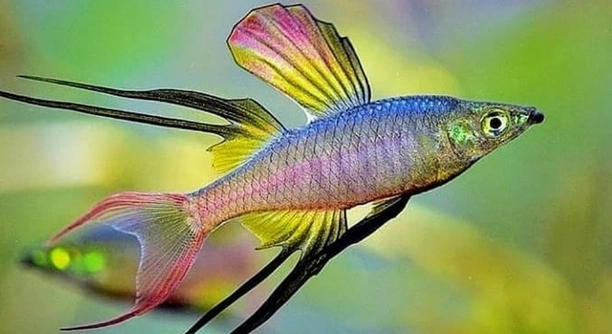
Have you ever watched your threadfins swim quickly across the tank, chasing after every morsel you drop? These fish are active feeders and will often move with surprising speed when food is introduced into their environment.
Threadfins show a clear preference for protein-rich and easily digestible foods. Common items they actively pursue include small live fish, shrimp, worms, insects, fish pellets, and other high-protein options. Offering these foods ensures proper nutrition and encourages natural hunting behavior.
Knowing which foods trigger their enthusiasm helps maintain a lively and healthy tank. These feeding habits can also improve your connection with your aquatic pets.
Small Live Fish
Threadfins are natural predators, and small live fish are among their favorite meals. I’ve noticed my threadfins respond instantly when a tiny fish enters the tank, darting with precision to catch it. Live fish provide not only protein but also movement that stimulates their hunting instincts. Feeding them live fish occasionally keeps them active and engaged. It’s important to select fish that are healthy and appropriately sized to prevent stress or injury. Overfeeding live fish can also lead to water quality issues, so moderation is key. Some hobbyists raise feeder fish specifically for this purpose, but it’s vital to ensure these fish are disease-free. Threadfins tend to chase vigorously, which keeps them agile and encourages natural behaviors. Watching them hunt can be rewarding because it reflects their instinctual drive. While live fish are effective, balancing them with other foods ensures they receive a complete diet and reduces reliance on live prey.
Feeding live fish stimulates natural hunting instincts and supports protein needs. It also keeps threadfins active and engaged in the tank.
I usually rotate live fish with frozen or pellet options to prevent monotony. Over time, I’ve noticed my threadfins become more alert during feeding times, darting and circling as they track movement. This activity improves their overall health and helps them burn energy, which is important for maintaining proper weight. Feeding live fish can be stressful if not done correctly, so monitoring the tank carefully is essential. Using a small net or container to introduce the fish safely prevents injuries to both the threadfins and the feeder fish. Regular observation also helps detect any aggression or dominance behaviors, ensuring all fish remain safe.
Shrimp
Threadfins are drawn to shrimp due to their high protein content and lively movement. I often see my fish swarm as soon as a piece is dropped in.
Shrimp provide essential nutrients while encouraging active feeding behavior. They can be offered fresh, frozen, or occasionally live to maintain variety. Proper portioning ensures water quality remains stable.
When introducing shrimp, I usually start with small pieces that my threadfins can handle easily. Larger shrimp may need to be cut into manageable portions to prevent choking or overeating. Frozen shrimp can be thawed before feeding, which prevents sudden temperature changes in the tank. Live shrimp, on the other hand, trigger natural hunting instincts, making feeding more stimulating. I’ve observed that my threadfins often chase each piece aggressively, which strengthens their swimming muscles and keeps them agile. Alternating shrimp with other high-protein foods like worms or pellets ensures a balanced diet. Over time, consistent feeding practices help maintain their health, reduce stress, and encourage natural behavior. Tracking how much each fish consumes also prevents overfeeding and helps maintain optimal tank conditions.
Worms
Worms are a favorite of threadfins because of their high protein content and soft texture. I usually feed them earthworms or bloodworms, which my fish chase eagerly across the tank, encouraging active movement.
Feeding worms is straightforward, but I always make sure they are fresh and clean. I typically rinse earthworms before offering them, removing any soil or debris that could affect water quality. Bloodworms can be offered live or frozen, but I thaw frozen ones carefully to avoid temperature shock. Threadfins respond quickly, often darting and circling as they hunt each piece. This feeding method keeps them alert and engaged, and it mimics the natural motion of prey in their environment. I’ve noticed that including worms in their diet improves both energy levels and overall vitality. Rotating with other high-protein foods ensures a balanced diet without over-reliance on one type.
When feeding worms, I monitor my threadfins closely to ensure no individual fish dominates the meal. This prevents stress and guarantees all fish get a fair share. I’ve found that small portions work best, reducing leftover waste and maintaining clean water. The movement of the worms keeps them entertained and promotes natural hunting instincts, making feeding time a lively and beneficial experience.
Insects
Threadfins chase insects because they move quickly and are packed with nutrients. I often use crickets or small flying insects, which my fish catch with precision and energy.
Insects provide both protein and stimulation, encouraging threadfins to actively forage. I usually cut larger insects into smaller pieces to make them manageable. Live insects create movement that triggers hunting behavior, while frozen or dried options are convenient for regular feeding. Watching threadfins respond to these foods shows their natural agility and sharp reflexes. I rotate insects with shrimp, worms, and pellets to maintain variety and ensure a balanced diet. Careful portioning prevents overfeeding and preserves water quality, which is essential for a healthy tank. Feeding insects also allows observation of each fish’s behavior, helping detect any signs of stress or aggression. Regularly incorporating insects into their diet supports growth, maintains energy levels, and promotes natural activity patterns in the tank.
Fish Pellets
High-quality fish pellets are a staple in my threadfins’ diet. They float or sink slowly, allowing the fish to chase them naturally across the tank.
Pellets are convenient and nutritionally balanced. I always choose ones designed for carnivorous fish to ensure adequate protein intake and support their active lifestyle.
Insect Larvae
Insect larvae, like mosquito or midge larvae, are highly attractive to threadfins. They move in the water, prompting immediate hunting behavior. Feeding larvae encourages agility and provides essential nutrients, keeping the fish healthy and active throughout the day.
Frozen Krill
Frozen krill is easy to store and offers a protein-rich meal. I thaw small portions before feeding to prevent temperature shock and maintain water quality. Threadfins eagerly chase krill pieces, improving activity levels while ensuring a balanced diet with essential vitamins and minerals.
What is the best type of food for threadfins?
Threadfins thrive on high-protein foods that mimic their natural diet. Live fish, shrimp, worms, and insect larvae are excellent choices. I usually rotate these with high-quality pellets or frozen options to provide balanced nutrition. Using a variety prevents dietary deficiencies and keeps the fish active and alert.
How often should I feed threadfins?
I feed my threadfins two to three times a day in small portions. Overfeeding can pollute the tank and lead to obesity. Watching their behavior during feeding helps determine whether they’ve had enough. Adjusting the portions based on activity levels keeps them healthy and energetic.
Can threadfins eat frozen foods?
Yes, frozen foods like krill, shrimp, and bloodworms are perfectly suitable. I thaw them before feeding to avoid shocking the fish. Frozen foods are convenient and retain most nutrients, making them an excellent alternative to live prey without compromising quality.
Are live foods necessary for threadfins?
Live foods are not strictly necessary but highly recommended. They stimulate natural hunting instincts and encourage activity. I use live fish or worms occasionally, which keeps my threadfins engaged and reduces boredom. Live foods also provide enrichment, making feeding more than just a meal.
Can threadfins eat vegetables or plant matter?
Threadfins are primarily carnivorous, so plant matter is not essential. Occasionally, small amounts of vegetable-based flakes can be offered, but they won’t chase or actively seek them out. I focus on protein-rich options to meet their nutritional needs effectively.
What portion size is safe for threadfins?
Portion size depends on the number of fish and their size. I feed only what they can finish in a few minutes to prevent leftover food from fouling the tank. Observing how quickly they eat helps adjust portions accurately. Small, frequent feedings work best.
How do I prevent aggression during feeding?
Threadfins can compete for food, especially when multiple fish are present. I distribute food evenly across the tank, giving each fish a chance to eat. Rotating types of food and using feeding tools like tongs or nets also reduces dominance and ensures all fish receive proper nutrition.
Can threadfins eat feeder fish safely?
Feeder fish can be offered, but only if they are disease-free and appropriately sized. I monitor closely to prevent injuries or stress. Feeder fish provide movement that stimulates hunting instincts, but moderation is key to avoid dependency and maintain balanced nutrition.
How does feeding affect tank cleanliness?
Feeding impacts water quality significantly. Uneaten food decomposes, increasing ammonia and nitrite levels. I always remove leftovers and clean the tank regularly. Using smaller portions and rotating foods like pellets and frozen options helps maintain a clean, healthy environment for threadfins.
What signs indicate overfeeding?
Overfed threadfins may become lethargic or develop bloating. Uneaten food accumulating at the bottom of the tank is another sign. I adjust portion sizes accordingly and observe behavior to ensure they remain active and healthy. Keeping feeding consistent prevents these issues and maintains tank stability.
Are there foods to avoid for threadfins?
I avoid processed human foods, bread, or low-protein items. These can harm digestion and water quality. Sticking to protein-rich live, frozen, or pellet foods ensures optimal health. Foods that disintegrate quickly or release excessive waste are also avoided to protect tank conditions.
Can juvenile threadfins eat the same foods as adults?
Juvenile threadfins require smaller, easily digestible foods like finely chopped worms or small larvae. I gradually introduce larger items as they grow. Proper feeding at a young age promotes healthy development and prevents growth issues or malnutrition later.
How do I introduce new foods to threadfins?
I introduce new foods gradually to avoid stress. Starting with small amounts mixed with familiar items helps acceptance. Observing their response ensures they consume the food and remain healthy. Gradual introduction prevents digestive upset and maintains consistent feeding behavior.
Does the time of day matter for feeding threadfins?
Threadfins are most active during daylight hours. I usually feed them in the morning and late afternoon when they naturally hunt. Feeding during these times promotes natural behavior and ensures they are alert and energetic, improving overall health and activity.
How can I tell if my threadfins are receiving balanced nutrition?
Healthy threadfins show bright coloration, active swimming, and regular feeding behavior. I monitor growth, energy levels, and overall appearance. A varied diet of protein-rich foods with occasional pellets or frozen options keeps them balanced and thriving. Nutritional balance prevents disease and supports longevity.
This FAQ section covers key feeding concerns, practical tips, and insights from personal experience, helping ensure threadfins remain active, healthy, and properly nourished.
Feeding threadfins properly is essential for their health and happiness. Over time, I’ve learned that variety is key. Offering different types of protein-rich foods like live fish, shrimp, worms, insect larvae, and high-quality pellets ensures they get the nutrients they need. Each food has its benefits: live foods stimulate hunting instincts, frozen options are convenient and maintain nutritional value, and pellets provide balanced daily nutrition. Rotating these foods not only prevents boredom but also helps reduce the risk of dietary deficiencies. I usually observe how my fish react to each type, noting which ones they chase the most eagerly, and adjust the feeding schedule accordingly. Over the years, I’ve noticed that threadfins are most active and alert when their diet includes a mix of live, frozen, and pellet foods. It keeps their behavior natural, their energy high, and their swimming strong. Maintaining balance is important, as feeding only one type of food can lead to uneven nutrition or water quality issues.
Portion control is another critical aspect of feeding threadfins. I have found that small, frequent meals work best. Overfeeding can lead to leftover food that pollutes the tank, increasing ammonia and nitrite levels, which can stress the fish or lead to illness. Watching the fish during feeding helps me determine if they are getting enough. If they finish their food quickly and seem eager for more, I know the portion was appropriate. If food is left uneaten, I reduce the next feeding. Feeding schedules also matter; threadfins tend to be more active during the day, so feeding in the morning and late afternoon aligns with their natural behavior. By combining careful portioning, timing, and a variety of foods, I ensure the tank remains clean and the fish remain healthy. These small adjustments make a noticeable difference in the overall well-being of the fish. Over time, maintaining a balanced approach to feeding creates a more harmonious environment in the tank, where the threadfins can thrive physically and mentally.
Watching threadfins chase their food is always rewarding. Their speed, precision, and alertness reflect their natural instincts, and feeding them correctly supports these behaviors. Providing a mix of live, frozen, and pellet foods encourages activity, prevents stress, and promotes growth. I have seen firsthand how a well-planned feeding routine improves their vitality and overall appearance. Consistency is also important. Feeding at regular intervals helps establish a routine that reduces stress and keeps the fish confident in their environment. Clean water, proper portions, and a varied diet work together to maintain health, prevent illness, and allow threadfins to reach their full potential. The process does require attention and observation, but the results are worth it. Threadfins are energetic, intelligent fish, and seeing them thrive makes the effort meaningful. By focusing on quality foods, careful monitoring, and a structured feeding plan, I can provide a stable, healthy habitat that supports both physical health and natural behavior, creating a positive environment for these lively fish.
Word count: 409

Hello,
If you enjoy the content that we create, please consider saying a "Thank You!" by leaving a tip.
Every little bit helps us continue crafting quality advice that supports the health, happiness, and well-being of pets around the world, for pets of all shapes, sizes, and species.
We really appreciate the kindness and support that you show us!