
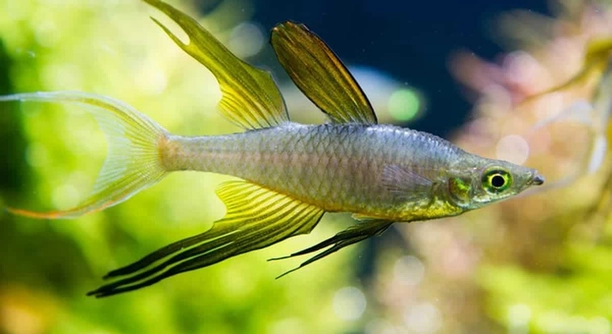
Have you ever noticed your threadfins spending more time near the heater guard and wondered if it means something about their comfort or health?
Threadfins often rest near the heater guard because it provides consistent warmth and security. The gentle heat helps regulate their body temperature, while the solid surface offers a sense of safety within the aquarium environment, reducing stress and promoting calm behavior.
Understanding this simple habit can help you create a more comfortable and balanced space for your threadfins to thrive peacefully.
Understanding Threadfin Behavior
Threadfins are gentle fish that prefer calm and stable environments. When they rest near the heater guard, it often reflects their need for comfort and consistency. The area around the heater provides a steady water temperature, something threadfins appreciate since they are sensitive to fluctuations. Warmth helps them maintain proper metabolic function, supporting digestion and immune health. Beyond the temperature, the heater guard itself creates a sheltered space that feels safe. In a busy tank with active fish, this small area offers a quiet retreat. It is natural for threadfins to seek security, especially when adjusting to a new setup or after feeding. Observing this behavior helps you understand their stress levels and comfort. If they spend most of their time near the heater, it might indicate a preference for warmth or slight discomfort in cooler areas of the tank.
This small habit tells a lot about their needs and overall well-being.
By paying attention to these subtle behaviors, you can adjust your aquarium’s environment for balance. Providing gentle water flow, stable temperature, and peaceful tank mates encourages threadfins to explore more confidently. This attention helps create a thriving, comfortable aquarium where they feel secure and active.
Maintaining Ideal Conditions
Threadfins rely on stable water quality and consistent heat to remain healthy and active. Frequent temperature changes can stress them, causing fatigue or dull coloring.
Maintaining the right environment means balancing temperature, lighting, and tank setup. The ideal water temperature for threadfins ranges between 75°F and 82°F. Using a reliable heater ensures this stability, while a thermometer helps monitor fluctuations. Avoid placing the tank near windows or vents, as external heat or cold can cause sudden shifts. Clean water is equally vital—regular partial water changes keep ammonia and nitrate levels in check. Adding plants or gentle décor gives them shelter and encourages natural behavior. When the environment mimics their natural habitat, threadfins show brighter colors and livelier movement. If they still linger near the heater, check for drafts, filter flow, or lighting that may affect their comfort. Small adjustments often make a big difference in helping them feel secure.
Signs of Comfort and Stress
When threadfins feel comfortable, they swim smoothly, show bright colors, and eat regularly. A relaxed threadfin may hover calmly near plants or glide through open water without hesitation or sudden darting.
If your threadfins spend too much time near the heater, it can indicate discomfort or minor stress. Cold spots in the tank, poor water circulation, or high ammonia levels might cause this behavior. Watch for faded colors, clamped fins, or rapid gill movement, as these signs often show unease. Adjusting the temperature or improving filtration can help correct these issues quickly. Balanced conditions bring back their natural liveliness.
Creating a peaceful environment supports healthy behavior. Adding soft lighting, hiding spots, and smooth décor can make them feel safe. Consistency is key—avoid sudden changes in feeding, tank layout, or maintenance. When your threadfins feel secure, their swimming becomes graceful and calm, reflecting their true gentle nature.
Adjusting Your Tank Setup
A balanced tank setup helps prevent threadfins from relying too much on the heater area. Consistent warmth, gentle flow, and hiding spaces reduce stress while promoting natural swimming patterns throughout the tank.
Start by checking your heater’s position and flow direction. Ensure the water circulates evenly, reaching all corners. Use a thermometer at different points to confirm uniform warmth. Place plants or driftwood near the middle to attract your threadfins away from the heater. This helps them explore freely. Keeping soft lighting and steady feeding times also improves comfort. When every section of the tank feels stable, your threadfins naturally spread out and thrive in their calm rhythm.
Observing Temperature Patterns
Regularly checking the tank temperature helps you notice patterns in your threadfins’ behavior. Slight drops or rises can influence where they rest, especially near the heater. Stable warmth encourages balanced activity and prevents them from clustering in one spot.
Use a reliable thermometer to track consistency. If one area stays cooler, adjust the heater placement or improve water circulation. These small checks ensure comfort throughout the tank, helping your threadfins remain active and evenly spread across their space.
The Role of Water Movement
Gentle water flow is important for threadfins. It keeps oxygen levels steady and distributes warmth evenly. Strong currents can tire them, while still water can lead to poor circulation and uneven temperatures. Using adjustable filters or air stones helps maintain a balanced flow that suits their calm swimming style.
When to Reassess Conditions
If your threadfins continue to stay near the heater, even after adjustments, it may signal other issues. Recheck your water quality, lighting, and tank placement to ensure everything supports a stable, peaceful environment.
FAQ
Why do my threadfins always stay near the heater?
Threadfins often stay near the heater because it provides steady warmth and a sense of safety. The consistent temperature helps them regulate their metabolism, and the solid surface offers a calm spot away from strong water flow. In some cases, they may also gather there if the rest of the tank is slightly cooler. This behavior is common, especially in newly set up aquariums or during colder months. Ensuring balanced heat distribution and stable water conditions can help them explore more of the tank comfortably.
Is it normal for threadfins to rest near the heater guard at night?
Yes, it is quite normal. During the night, many fish become less active and seek areas that feel secure and warm. The heater guard provides both. It mimics natural sheltered spots they would find in the wild, such as shallow, warmer areas near rocks or vegetation. As long as they remain healthy, eat regularly, and swim actively during the day, resting near the heater at night should not be a concern.
How can I tell if my heater is too warm for my threadfins?
You can usually tell by watching their behavior and color. If the water is too warm, threadfins may breathe faster, lose color vibrancy, or avoid the heater area altogether. The ideal temperature range for threadfins is 75°F to 82°F. Use a reliable digital thermometer to confirm accuracy. If the reading is high, lower the heater’s setting gradually to avoid shocking the fish. Small changes of one degree at a time are safest.
What should I do if my threadfins stay near the heater all day?
First, check your tank’s overall temperature and water circulation. Uneven heating can make cooler spots uncomfortable. Move the heater slightly or add a small water pump to improve flow. Next, test the water quality. High ammonia or nitrate levels can cause stress, leading fish to stay where they feel most stable. Performing a partial water change and cleaning the filter can often fix this issue. If your threadfins still remain near the heater, ensure lighting and decorations are arranged to encourage movement throughout the tank.
Can the heater guard cause any harm to my threadfins?
Heater guards are generally safe and help protect fish from direct contact with the heater’s surface. However, if the guard becomes coated with algae or debris, it can restrict water flow and cause uneven heat distribution. Cleaning it gently during regular tank maintenance keeps it working properly. Avoid sharp-edged guards or metal ones that could scratch delicate fins. A smooth, plastic guard is best for threadfins, as it offers protection without risk.
How can I create a more balanced environment to reduce this behavior?
Start by ensuring even water temperature in every area of the tank. Place the heater and filter so the current spreads warmth gently. Add live plants and hiding spots to make your threadfins feel more at ease. Use a dim light during nighttime to mimic natural conditions. Maintain water quality with regular partial changes and avoid sudden environmental shifts. When the setup feels stable, your threadfins will naturally explore and rest in different parts of the aquarium instead of staying close to the heater.
Do threadfins rest more when they feel stressed?
Yes, they do. Stress can cause threadfins to rest more often or stay in one area. Common causes include temperature swings, bright lights, poor water quality, or aggressive tank mates. Reducing noise, maintaining steady heat, and keeping gentle tank companions help them recover. Once conditions improve, you will notice them swimming more actively again.
What other signs show that my threadfins are unhappy?
Threadfins that are unhappy may show dull colors, torn fins, reduced appetite, or jittery swimming. They might hide excessively or breathe heavily near the surface. Observing these signs early helps prevent health issues. Testing water parameters and ensuring proper temperature balance are key first steps to improving their condition.
Can other fish cause my threadfins to stay near the heater?
Yes, more dominant or active fish can push threadfins to the edges of the tank. They might use the heater guard area as a safe zone. To help, create more hiding spaces with plants or rocks. Spreading food during feeding time also prevents competition and helps shy threadfins eat comfortably.
How long does it take for threadfins to adjust to new conditions?
It usually takes a few days to a week for them to adapt after temperature or layout changes. During this time, it’s normal for them to stay near familiar spots like the heater. Avoid making multiple changes too quickly. Patience and gentle adjustments help threadfins settle peacefully into their new environment.
Final Thoughts
Caring for threadfins is about understanding their small habits and what those habits reveal about their comfort. When they rest near the heater guard, it is rarely just a random choice. It usually reflects their sensitivity to temperature or their search for security within the tank. These gentle fish thrive in calm, stable surroundings, where the warmth feels even and the water stays clean. Every movement, every resting spot, tells a story about how they are feeling in their environment. By taking the time to notice these details, you can better meet their needs and help them feel safe and balanced. Observing and adjusting go hand in hand, especially with sensitive species like threadfins that respond quickly to even small changes.
Creating a comfortable habitat does not require complicated equipment or constant intervention. It’s mostly about consistency. Keeping a steady temperature, maintaining clear water, and providing enough space for them to move freely are all simple steps that make a big difference. Threadfins appreciate gentle lighting, moderate flow, and areas where they can hide when they want to rest. If the heater becomes a preferred resting spot, it might be a subtle signal to review how heat and circulation are distributed. Sometimes, a small adjustment—like shifting the heater’s position or rearranging plants—can improve the entire balance of the tank. These changes help spread comfort evenly, allowing your threadfins to explore more and rely less on one specific area for warmth or safety.
Ultimately, keeping threadfins content is about creating a sense of calm that mirrors their natural behavior. They are peaceful fish, and when their surroundings feel steady, they show it through relaxed swimming, bright colors, and steady appetites. The time you spend learning their patterns is valuable—it helps you recognize what feels right for them and what doesn’t. Over time, you’ll notice that they begin to move with more confidence, exploring areas they once avoided. That’s when you know your efforts are paying off. A balanced environment not only supports their physical health but also brings quiet satisfaction to you as a caretaker. Seeing them thrive in a space you’ve carefully shaped is a reminder that small, thoughtful care always leads to lasting stability in any aquarium.

Hello,
If you enjoy the content that we create, please consider saying a "Thank You!" by leaving a tip.
Every little bit helps us continue crafting quality advice that supports the health, happiness, and well-being of pets around the world, for pets of all shapes, sizes, and species.
We really appreciate the kindness and support that you show us!