
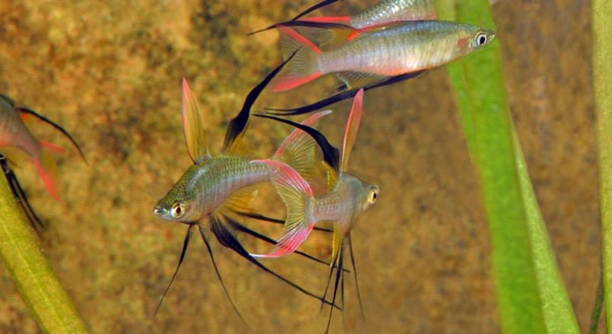
Have you ever found yourself watching your threadfin rainbowfish and wondering if they’re truly comfortable in their new home? These delicate, shimmering fish can be sensitive to change, making their adjustment period quite noticeable.
Threadfin rainbowfish show they are adjusting well through consistent swimming behavior, bright coloration, active feeding, and calm social interactions. These signs indicate stable health, proper acclimation, and overall comfort in their aquarium environment.
From their graceful movements to subtle behavioral cues, understanding these signs can help ensure your rainbowfish thrive happily in your care.
1. Active Swimming and Exploration
When threadfin rainbowfish begin to explore their surroundings with confidence, it’s a strong sign they feel secure. They’ll move gracefully across the tank, weaving through plants and decorations without hesitation. Their swimming will look effortless—neither frantic nor sluggish. Active exploration means they recognize the tank as their territory and are comfortable within it. You may notice them inspecting new spaces or following one another calmly, which reflects both curiosity and comfort. If they spend time at different tank levels instead of hiding in corners, that’s another indicator they’ve adapted well to their new environment. Balanced, steady movements are key.
Consistent swimming is more than just a sign of good health—it’s proof your rainbowfish are adjusting emotionally to their surroundings. When they’re active and calm, it means they’re not stressed or threatened, allowing them to display their natural behaviors with ease.
Healthy swimming patterns promote better digestion and stronger immune systems. By maintaining stable water conditions, gentle lighting, and enough space, you’ll encourage your threadfins to stay active. Avoid overcrowding, as it can cause tension and limit movement. Observing how they glide and interact daily gives valuable insight into their overall well-being. Calm, rhythmic swimming not only looks beautiful but shows your fish feel safe and at home.
2. Bright and Consistent Coloration
Vibrant coloration is one of the clearest signs your threadfin rainbowfish are adjusting well. When they feel safe, their bodies display a natural sheen that reflects light beautifully, especially the males during feeding or interaction periods.
Threadfin rainbowfish rely heavily on their coloring to communicate and express health. When stress levels drop, their hues intensify, showing rich tones of gold, blue, or silver depending on the lighting and diet. A balanced, high-quality diet rich in protein and natural pigments helps maintain this radiance. Poor water quality or inconsistent temperatures can dull their colors quickly, signaling discomfort or illness. To keep them glowing, perform regular water changes, avoid sudden environmental shifts, and ensure proper filtration. Healthy, vibrant colors mean your fish are thriving—not merely surviving—and this visual cue is one of the most rewarding signs of a well-adjusted aquarium environment.
3. Steady Appetite and Feeding Behavior
A healthy appetite is a reliable sign your threadfin rainbowfish are adjusting well. When comfortable, they swim eagerly toward food and eat calmly without competing aggressively. Refusal to eat or erratic feeding often suggests stress or unsuitable water conditions.
Threadfins prefer a mix of fine flakes, small pellets, and live or frozen foods like daphnia or brine shrimp. Offering variety keeps them engaged and supports vibrant coloration. Feeding should be consistent, ideally twice a day in small portions they can finish within minutes. Overfeeding can cloud the water and harm their health. Observing how they eat helps you notice early changes in behavior, appetite, or confidence, which can prevent bigger issues later. A steady feeding rhythm means they recognize the environment as safe and stable.
Their feeding interactions also reveal social balance in the group. Peaceful feeding without chasing or hiding shows comfort and trust among tankmates. If one fish isolates or hesitates to eat, it might need extra observation. Adjust lighting, feeding zones, or the number of hiding spots to make them feel secure. The goal is to create a calm atmosphere where all fish participate confidently during mealtime, reinforcing their sense of routine and safety.
4. Calm Social Interactions
Threadfin rainbowfish are naturally social and thrive in small groups. When they’re comfortable, they swim together in smooth formations, maintaining gentle coordination without aggression. This harmony shows they’ve established social stability within the aquarium.
Peaceful interaction among males and females signals healthy adjustment. Males may display mild fin flaring or color flashes, especially during breeding season, but it should never turn into persistent chasing or stress. Providing enough space and visual barriers, like plants or driftwood, helps reduce tension and keeps behavior balanced. When threadfins interact calmly, it reflects both physical health and emotional comfort. Stable group dynamics prevent dominance issues, allowing each fish to exhibit natural movement and feeding habits. Observing these moments of quiet synchronization can be one of the most rewarding parts of keeping threadfin rainbowfish.
5. Smooth Breathing and Relaxed Movement
When threadfin rainbowfish breathe steadily without rapid gill movement, it means they’re comfortable and stress-free. Smooth, rhythmic breathing shows the water quality is suitable and oxygen levels are balanced, both essential for their overall well-being.
Relaxed movements are another sign of proper adjustment. If they hover calmly, glide effortlessly, and rest occasionally without darting or hiding, it reflects a stable environment. Any sudden jerks or gasping could indicate poor conditions or anxiety, so gentle observation helps maintain their comfort and health.
6. Balanced Response to Light
Threadfin rainbowfish that adjust well respond naturally to lighting changes, becoming active when the lights turn on and resting quietly when dimmed. Sudden brightness can startle them, so gradual lighting transitions encourage calm behavior and reduce unnecessary stress.
A consistent light schedule helps regulate their feeding and social habits. Proper illumination also enhances their color and allows plants in the aquarium to thrive. If their behavior remains steady despite daily light changes, it’s a strong indication that they feel secure and adapted to their surroundings.
7. Use of Space and Hiding Spots
Comfortable threadfin rainbowfish explore all areas of the tank, not just the corners or surface. When they swim through plants, decorations, and open water with ease, it shows they trust their environment and feel safe within it.
FAQ
How do I know if my threadfin rainbowfish are stressed?
Stress in threadfin rainbowfish can show in several ways. They may hide excessively, swim erratically, or stay near the bottom of the tank. Loss of appetite, faded colors, and clamped fins are also common signs. Regular observation and maintaining stable water conditions help prevent stress and promote natural behavior.
What is the ideal water temperature for threadfin rainbowfish?
Threadfin rainbowfish thrive in water temperatures between 24°C and 28°C (75°F–82°F). Sudden fluctuations outside this range can cause stress and illness. Using a reliable heater and thermometer ensures stable temperatures, which support both their physical health and vibrant coloration.
How often should I feed my rainbowfish?
Feeding twice a day is sufficient for threadfin rainbowfish. Provide small portions that they can finish in a few minutes. Overfeeding can cloud the water and harm their health. Including live, frozen, or high-quality flake foods ensures a balanced diet that promotes color and energy.
Do threadfin rainbowfish need tank mates?
Yes, they are schooling fish and feel more secure in groups of at least six. Properly sized tanks with ample space allow them to swim freely while maintaining social balance. Peaceful tank mates are ideal, as aggressive species can intimidate or stress them.
How can I maintain their color?
Bright coloration depends on diet, lighting, and water quality. Feed a mix of protein-rich flakes, frozen foods, and natural pigments. Moderate lighting and regular water changes support their vibrancy. Dull colors often indicate stress, poor nutrition, or inadequate water conditions.
What tank size is suitable for threadfin rainbowfish?
A minimum tank size of 30 gallons is recommended for a small school. Larger tanks allow more swimming space and help reduce territorial disputes. Proper filtration, regular water changes, and hiding spots contribute to their comfort and overall adjustment.
How do I handle aggressive behavior in males?
Mild fin flaring is natural, but persistent chasing indicates territorial stress. Adding plants or décor for visual breaks reduces tension. Ensuring a proper male-to-female ratio and adequate swimming space helps balance behavior. Remove any overly aggressive individuals if necessary to protect the group.
How often should I perform water changes?
Weekly water changes of 20–25% help maintain stable water conditions. Removing debris, testing water parameters, and refilling with dechlorinated water keeps nitrate and ammonia levels low, supporting healthy fish behavior and reducing stress in threadfin rainbowfish.
Can threadfin rainbowfish breed in home aquariums?
Yes, they can breed if the environment is stable. Provide fine-leaved plants or spawning mops for egg laying. Keep water clean and slightly warmer to encourage spawning. Removing adults after eggs are laid prevents predation. Fry need very small live foods to grow successfully.
What signs indicate my rainbowfish are fully adjusted?
Fully adjusted rainbowfish display bright colors, active swimming, steady feeding, and calm social interactions. They explore all tank areas without hiding, breathe evenly, and interact peacefully with tank mates. Observing these behaviors consistently confirms that they feel safe and comfortable in their aquarium.
How do I reduce stress during acclimation?
Acclimate slowly by floating the bag in the tank to match temperature. Gradually mix tank water over 30–60 minutes before release. Avoid sudden movements, loud noises, or bright lights during the first days. Providing hiding spots and minimal disruption encourages confidence and reduces shock.
Can water hardness affect their health?
Yes, threadfin rainbowfish prefer moderately soft to slightly hard water. Extreme hardness or softness can stress the fish and affect coloration. Regular testing and minor adjustments with safe conditioners ensure stable mineral levels for their overall health and comfort.
Is lighting important for behavior?
Consistent, moderate lighting regulates activity and feeding patterns. Too bright or sudden lighting can startle them, while insufficient light may reduce color vibrancy. A balanced light schedule helps them feel secure, supports plant growth, and encourages natural rhythms in their daily behavior.
How can I tell if my rainbowfish are comfortable with tank mates?
Comfortable fish swim together without chasing, hiding, or aggressive posturing. Calm interactions, shared feeding, and peaceful schooling indicate positive social dynamics. Disruptions or isolation may signal incompatibility, requiring adjustments in tank composition, hiding spaces, or the number of fish in the group.
What should I do if a fish becomes sick?
Immediately isolate the affected fish to prevent spreading illness. Check water parameters, remove uneaten food, and consider quarantine treatment if necessary. Observing symptoms like lethargy, faded color, or unusual swimming behavior early increases the chances of successful recovery and reduces stress on the rest of the school.
This FAQ provides practical tips to ensure threadfin rainbowfish remain healthy, comfortable, and visually vibrant, helping maintain a stable, thriving aquarium environment for these delicate fish.
Final Thoughts
Threadfin rainbowfish are delicate and beautiful fish that bring life and movement to an aquarium. Observing them closely is the best way to understand how well they are adjusting to their environment. Signs like steady swimming, vibrant colors, calm social interactions, and a healthy appetite are all indicators that they are comfortable and thriving. These behaviors show that the fish are not just surviving but are at ease, which is essential for long-term health. Paying attention to small details, such as how they move through plants or react to light, can give you valuable insight into their comfort level. A well-adjusted fish will explore the tank confidently, interact peacefully with others, and maintain steady breathing and smooth movements, which all point to a stable, safe habitat.
Creating the right environment is crucial for helping threadfin rainbowfish settle in. Temperature, water quality, lighting, and tank space all play important roles in their adjustment. Stable water conditions prevent stress and disease, while proper lighting enhances natural coloration and supports plant growth in the aquarium. Providing enough hiding spots and open swimming areas allows the fish to feel secure while still exploring. Diet is equally important; a variety of high-quality flakes, pellets, and live or frozen foods ensures that they receive proper nutrition to maintain energy, growth, and vibrant colors. Overfeeding or inconsistent feeding schedules can lead to water problems or stress, so observing how much and how often they eat can help maintain a healthy balance. Taking these steps consistently creates an environment where threadfin rainbowfish can adapt confidently and show natural behaviors.
Regular observation and care remain the key to long-term success with threadfin rainbowfish. Even when the fish appear healthy and comfortable, small changes in behavior or appearance can indicate issues that need attention. Monitoring interactions, swimming patterns, coloration, and appetite allows you to respond quickly to any signs of stress or illness. Maintaining a calm, stable environment with predictable feeding and lighting routines reduces unnecessary stress and encourages them to thrive. Over time, you can enjoy the full spectrum of their natural behaviors, from graceful schooling to social interactions and playful exploration. Understanding their needs and recognizing adjustment cues makes keeping threadfin rainbowfish rewarding, as you watch them grow healthier, more confident, and visually vibrant. Consistent care, careful observation, and attention to detail create a positive habitat where these fish can flourish, giving both you and the fish a harmonious aquarium experience.

Hello,
If you enjoy the content that we create, please consider saying a "Thank You!" by leaving a tip.
Every little bit helps us continue crafting quality advice that supports the health, happiness, and well-being of pets around the world, for pets of all shapes, sizes, and species.
We really appreciate the kindness and support that you show us!