
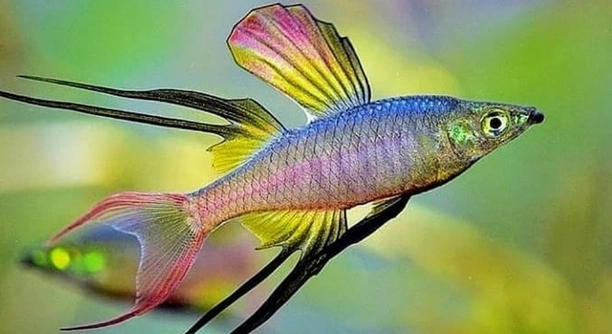
Threadfin rainbowfish are small, colorful freshwater fish often admired in home aquariums for their shimmering scales. Their delicate nature requires careful attention, as they respond quickly to changes in their surroundings and the behavior of other fish.
These fish observe their environment meticulously, monitoring tank mates, water conditions, feeding patterns, and potential threats. Their watchful nature ensures safety, reduces stress, and helps them adapt to changes. Understanding these behaviors is essential for maintaining their well-being in captivity.
Observing these subtle cues can enhance your care routine and promote a healthier, more harmonious aquarium environment for your rainbowfish.
Tank Mates Interaction
Threadfin rainbowfish pay close attention to other fish in the tank. They notice movements, behavior changes, and territorial disputes, which helps them decide how to react. Aggressive or overly dominant fish can stress them, while calm companions encourage natural schooling behavior. Observing their responses gives insight into social dynamics and hierarchy. When rainbowfish are comfortable, they swim actively, display vibrant colors, and interact harmoniously. Changes in behavior, such as hiding or sudden darting, often indicate tension or environmental stress. Monitoring these interactions allows for timely adjustments, such as rearranging tank decorations or separating incompatible species. Over time, recognizing patterns in their social behavior can lead to a healthier aquarium ecosystem.
Being mindful of tank mates ensures rainbowfish feel secure and reduces the risk of injuries caused by conflict or intimidation.
Rainbowfish observe their peers not just for safety but also for feeding opportunities. They learn where food is distributed and may mimic others’ movements. During breeding periods, males watch females and rivals closely, adjusting courtship displays accordingly. This vigilance helps maintain balance and reduces unnecessary stress, ultimately promoting longevity and overall health in the aquarium.
Feeding Behavior
Rainbowfish are highly attentive during feeding times, noting when and where food is offered. They quickly learn feeding schedules and locations.
They respond to visual and chemical cues, distinguishing between preferred food types. Overfeeding can disrupt their natural patterns, so maintaining consistency supports healthy growth. Observing their reactions during feeding provides insight into their dietary needs and ensures all fish receive proper nutrition. Adjusting feeding practices based on these observations encourages a calmer, more orderly tank environment and prevents waste accumulation. Regular attention to feeding behavior strengthens the connection between caretaker and fish while maintaining their well-being.
Water Quality Awareness
Threadfin rainbowfish are very sensitive to water conditions, noticing even small changes in temperature, pH, or clarity. They become restless or hide when conditions are unfavorable, making water monitoring essential.
They watch currents, bubbles, and filtration effects closely, adjusting their swimming patterns to avoid stress. Poor water quality can lead to illness, reduced coloration, and lethargy. By observing their responses, caretakers can detect subtle signs of ammonia, nitrite, or nitrate fluctuations early. Sudden behavior changes, like hovering near the surface or gasping, indicate potential oxygen deficiency or chemical imbalance. Maintaining a stable environment with regular testing and partial water changes supports their natural behavior and long-term health.
Rainbowfish also use visual and chemical cues to assess water cleanliness. Their gill movements, fin positions, and schooling patterns reflect comfort levels. A consistent routine of water testing, filtration checks, and gentle adjustments helps them thrive. Watching them closely allows for quick interventions before minor problems escalate, ensuring they remain active, colorful, and healthy. Understanding their sensitivity creates a calmer, safer aquarium atmosphere for all tank inhabitants.
Predatory Awareness
Threadfin rainbowfish remain alert to potential predators, scanning the tank continuously for sudden movements or shadows. Their survival instincts are sharp.
They watch larger fish or unfamiliar tank additions with caution, often seeking cover or schooling tightly. This vigilance prevents injuries and reduces stress in mixed-species aquariums. Recognizing threats early allows them to maintain confidence while navigating their environment.
These fish assess risks through movement, size, and proximity of others. Even non-aggressive species can trigger defensive reactions if perceived as a threat. By observing these responses, caretakers can manage tank composition, rearrange decorations for safe zones, and reduce conflict. Their alertness also extends to feeding moments, as sudden approaches or quick movements may cause hesitation or retreat. Consistent observation helps create a secure setting, allowing rainbowfish to exhibit natural behaviors without fear. Adjusting tank layout, adding hiding spots, and introducing new species gradually ensures a balanced environment where these fish can thrive safely.
Light and Shadow Sensitivity
Threadfin rainbowfish react noticeably to changes in lighting, often adjusting their position to avoid harsh brightness or sudden shadows. These shifts affect their mood and activity levels.
They prefer gradual changes in light and can become stressed if exposed to sudden flickers or overly bright illumination.
Breeding Observations
During breeding periods, males display vibrant colors and closely follow females, while females monitor potential suitors. Courtship involves careful positioning, chasing, and subtle fin movements. This attentiveness ensures successful mating and protects eggs from disturbance. Watching these interactions provides insight into their reproductive behavior and helps manage breeding efforts effectively.
Territorial Awareness
Rainbowfish notice when other fish encroach on their preferred swimming areas. They may chase intruders or temporarily relocate to maintain comfort and personal space.
FAQ
How can I tell if my threadfin rainbowfish is stressed?
Stress in threadfin rainbowfish often shows through unusual swimming patterns, hiding for long periods, or loss of color. They may also gasp near the surface or show sudden aggression toward tank mates. Monitoring these subtle behaviors helps identify environmental issues or health concerns before they escalate.
What is the ideal water temperature for threadfin rainbowfish?
They thrive in water between 24°C and 28°C (75°F–82°F). Maintaining this range supports proper metabolism, coloration, and activity levels. Sudden temperature fluctuations can trigger stress or illness, so using a reliable heater and thermometer is essential for stability.
How often should I feed threadfin rainbowfish?
Daily feeding with small amounts is recommended. They respond well to a variety of foods, including flakes, pellets, and live or frozen options. Overfeeding can pollute the water, causing health issues, so offering food they can consume within a few minutes ensures proper nutrition.
Can threadfin rainbowfish live with other species?
Yes, but compatibility matters. They do best with peaceful, similarly sized fish. Aggressive or very large species can intimidate them, causing stress. Observing interactions during the first days after introduction is critical to maintain harmony. Rearranging tank decorations may help reduce conflicts.
How do I know if my rainbowfish are breeding?
Males become more colorful and actively follow females. Females lay eggs among plants or substrate, and both sexes may show heightened activity. Observing these behaviors closely helps identify breeding readiness and provides an opportunity to protect eggs from other fish.
Why do threadfin rainbowfish school together?
Schooling is a natural defense mechanism and helps reduce stress. It also improves swimming efficiency and ensures better feeding opportunities. Keeping them in groups of at least six supports natural behaviors and enhances their visual appeal in the aquarium.
What signs indicate water quality issues?
Cloudy water, unusual odors, and fish hovering near the surface are clear indicators. Sudden changes in swimming patterns or fin clamping also suggest poor water conditions. Regular testing for pH, ammonia, nitrites, and nitrates is vital to catch problems early.
How can I encourage natural behavior in my rainbowfish?
Providing plants, hiding spots, and moderate currents allows them to explore and interact naturally. Maintaining consistent light cycles and stable water conditions further supports activity, reduces stress, and promotes overall well-being.
Do threadfin rainbowfish require a specific tank size?
Yes, a minimum of 30 gallons is recommended for a small school. Larger tanks provide more swimming space, reduce stress, and allow for better social interactions. Proper space is essential for maintaining vibrant coloration and active schooling patterns.
How do I introduce new fish safely?
Quarantine new additions for a few weeks to prevent disease. Introduce them gradually, monitoring interactions closely. Rearranging plants and decorations can prevent territorial disputes, ensuring a smoother integration with existing rainbowfish.
What should I do if a fish becomes sick?
Immediate isolation in a separate tank is advised. Observe symptoms carefully and consult aquatic health resources or a veterinarian. Adjusting water quality, providing appropriate medication, and maintaining stable conditions support recovery while preventing spread to other fish.
Can threadfin rainbowfish recognize their caretaker?
They may become familiar with routine movements, feeding times, and interactions. Recognition is subtle but can lead to more confident swimming near the front of the tank, especially during feeding, reflecting trust and adaptation to a stable environment.
How do I prevent fin damage or injury?
Avoid sharp decorations, overcrowding, and aggressive tank mates. Monitor interactions and maintain excellent water quality. Regular observation helps catch early signs of damage, allowing timely intervention and reducing stress-related injuries.
Why do my rainbowfish sometimes dart suddenly?
Sudden movements usually indicate a perceived threat or a reaction to rapid environmental changes. Observing patterns helps determine triggers, such as reflections, shadows, or disturbances, allowing adjustments to reduce stress.
How can I maintain their vibrant colors?
Proper diet, clean water, and low-stress conditions are key. Foods rich in carotenoids enhance coloration. Consistent lighting and stable tank conditions also contribute to maintaining their natural vibrancy over time.
Threadfin rainbowfish are fascinating and delicate creatures that respond to even small changes in their environment. Their careful observation of surroundings, tank mates, and feeding patterns demonstrates a natural attentiveness that is both intriguing and important for anyone caring for them. Understanding these behaviors helps maintain a healthier aquarium and reduces stress for the fish. By observing how they interact with each other, how they respond to light and water conditions, and how they behave during feeding and breeding, caretakers gain insight into their well-being and needs. Paying close attention to these cues allows timely adjustments that improve their overall health and longevity.
Creating the right environment for rainbowfish requires careful planning and consistent care. Stable water parameters, proper temperature, and good filtration are essential to avoid stress or illness. Attention to feeding routines ensures that all fish receive the right nutrition without overfeeding, which can degrade water quality. Tank size and decorations also matter, as rainbowfish need space to swim and hiding spots to feel secure. Observing their social interactions is just as important, as it helps identify any potential conflicts or stress caused by incompatible tank mates. By maintaining these conditions, caretakers support natural behaviors such as schooling, foraging, and courtship, which are indicators of a healthy and thriving aquarium.
Caring for threadfin rainbowfish is both rewarding and educational. Watching them move gracefully, display their vibrant colors, and respond to their environment can be a calming and satisfying experience. The responsibility of maintaining optimal conditions encourages attentiveness and patience, skills that are valuable for all aspects of aquarium keeping. Their subtle yet precise behaviors are a reminder of the importance of observation and adaptation in animal care. By understanding and respecting their needs, caretakers can foster an environment where rainbowfish not only survive but thrive. Observing them carefully over time allows for deeper appreciation of their natural instincts, leading to a more enjoyable and successful aquarium experience overall.

Hello,
If you enjoy the content that we create, please consider saying a "Thank You!" by leaving a tip.
Every little bit helps us continue crafting quality advice that supports the health, happiness, and well-being of pets around the world, for pets of all shapes, sizes, and species.
We really appreciate the kindness and support that you show us!