
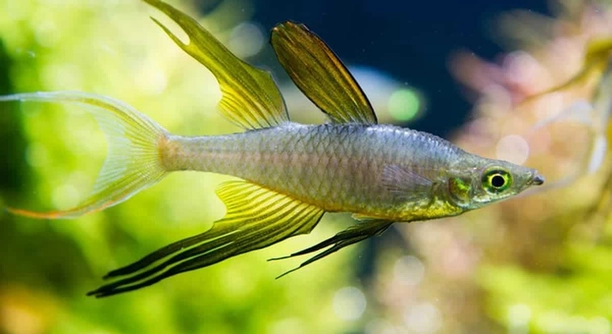
Do you ever enjoy watching Threadfin Rainbowfish swim gracefully in a well-planted tank? Their shimmering colors and lively movements can make any aquarium feel vibrant and full of life, capturing attention effortlessly.
Threadfin Rainbowfish display territorial behavior during mating, particularly males defending prime spawning areas. They establish and guard small territories to attract females and deter rivals, ensuring reproductive success while minimizing physical confrontations within their social structure.
Observing these behaviors can enhance your understanding of aquarium dynamics and help create a more harmonious environment for your fish.
Understanding Threadfin Rainbowfish Mating Behavior
Threadfin Rainbowfish exhibit unique behaviors during their mating period. Males become noticeably more vibrant, highlighting their fins and colors to attract females. This color intensification is not just for display—it signals fitness and health, making them more appealing to potential mates. Alongside this visual change, males begin to patrol specific areas in the tank, choosing locations with plants or other structures that provide hiding spots for eggs. These areas become temporary territories, which males defend vigorously from rivals. Observing closely, you might notice chasing or brief nips directed at other males who come too close. Females, on the other hand, are more selective and tend to explore these territories cautiously, deciding which male’s space seems safest for laying eggs. The behavior is subtle but noticeable, reflecting a combination of instinct and social hierarchy. Over time, consistent observation helps predict when and how these territorial patterns emerge, which is valuable for anyone keeping them.
Maintaining a calm tank environment supports these natural behaviors. Overcrowding can increase aggression, so spacing and hiding spots matter.
Understanding these mating patterns allows for better care and successful breeding. Observing interactions closely reveals how males balance attracting females while fending off competition. Proper tank conditions, such as stable water parameters and adequate plant cover, reduce stress and encourage natural territorial displays. Some males may dominate more than others, establishing a pecking order that influences which areas are most defended. Providing a larger tank with varied hiding spaces helps minimize excessive aggression. Female choices also impact the dynamics, as they prefer males demonstrating both vivid colors and successful territory defense. By replicating natural conditions, it is possible to witness these behaviors without harming the fish. Careful monitoring ensures that males do not injure each other, and females feel safe during egg-laying. Overall, understanding these behaviors improves breeding outcomes and strengthens the overall health of the aquarium ecosystem.
Managing Territorial Behavior
Male Threadfin Rainbowfish can become aggressive if territories overlap or space is limited.
Providing clear boundaries and adequate hiding spaces helps reduce conflicts. Observing interactions allows adjustments to tank layout to ensure peaceful coexistence. Maintaining a balanced male-to-female ratio prevents excessive stress and aggression. Consistent feeding and clean water also help.
Recognizing Aggression Signs
Aggression in Threadfin Rainbowfish is usually subtle at first. Males may chase others briefly or flare fins. Increased chasing, nipping, or constant hovering around a chosen area are clear signs of territorial tension.
Pay attention to changes in color and posture. A male showing darker fins or puffed-up body signals dominance and intent to defend territory. Repeated chasing of other males or blocking females from entering preferred spots can escalate if not addressed. Providing sufficient space and hiding spots reduces stress and prevents injury. Observing these early signs allows timely adjustments, maintaining balance in the tank.
Female behavior can also indicate male aggression. Hesitation to enter certain areas or frequent darting away from a dominant male suggests tension. Balancing male-to-female ratios and ensuring environmental complexity allows natural behavior without prolonged conflict. Over time, recognizing patterns helps anticipate peak aggression periods, making interventions more effective. Adjusting feeding schedules and tank layout can further mitigate tension, ensuring a healthier social dynamic among your fish.
Creating a Safe Mating Environment
Proper tank setup minimizes territorial disputes. Dense plants, rocks, and open swimming areas create clear zones for males and females.
Having multiple territories reduces direct confrontations between males. Females benefit from safe spots to lay eggs without constant harassment. A well-planned environment encourages natural behavior while minimizing stress. Consistent water quality and temperature stability support this dynamic, making the fish more comfortable and reducing aggression. Clear visual boundaries between male territories prevent repeated conflict and allow each male to display naturally without overwhelming rivals. Providing vertical and horizontal spaces ensures all fish can move freely, maintaining balance.
Feeding and Aggression
Proper feeding reduces competition among males. Providing small, frequent meals keeps aggression lower and prevents one male from dominating access to food.
Varied diet including live, frozen, and flake foods supports health. A well-fed fish is less likely to become overly territorial, allowing smoother interactions during mating periods.
Observation Tips
Observe fish quietly to avoid stress. Sudden movements or tapping can trigger defensive behavior. Watching patterns over several days provides insight into which males are dominant and which areas are most contested. Consistent observation helps prevent injuries and maintain harmony.
Adjusting Male-to-Female Ratios
Maintaining more females than males helps limit territorial disputes. A higher female ratio diffuses aggression, as males have less pressure competing directly for a single mate.
Tank Layout Considerations
Strategic placement of plants, rocks, and hiding spots allows natural territories. Proper layout prevents constant confrontations and promotes safer mating interactions.
Do Threadfin Rainbowfish only act territorial during mating?
Threadfin Rainbowfish show the strongest territorial behavior during mating, especially males defending prime spawning areas. Outside of this period, they are generally peaceful, interacting socially without intense chasing or flaring. Territorial displays are closely tied to reproductive instincts, so careful observation can help distinguish mating aggression from general social interactions.
How can I tell which male is the most dominant?
The dominant male usually displays the brightest colors, flares fins more frequently, and patrols a specific area more consistently than others. He often chases rival males away and blocks females from entering his chosen territory. Watching behavior over multiple days provides the clearest picture of hierarchy within the tank.
Do females ever show territorial behavior?
Females are less aggressive than males, but they may show mild territorial behavior around egg-laying sites. This is generally limited to choosing safe spots rather than actively chasing other fish. Their focus is on avoiding harassment and ensuring eggs have a safe environment to develop.
What are common signs of male aggression?
Signs include chasing other males, flaring fins, puffing up the body, and guarding a specific area intensely. In severe cases, males may nip at rivals or corner them, which can lead to stress or minor injuries. Early identification helps prevent long-term harm.
How many males and females should be kept together?
A recommended ratio is at least two to three females per male. This reduces competition and prevents one male from overwhelming a single female. Multiple females help diffuse aggression, making interactions more balanced and reducing stress across the tank.
Can tank size influence territorial behavior?
Yes. Small tanks increase competition and stress, intensifying aggression during mating. Larger tanks provide more space to establish separate territories, reduce overlap, and allow females safe areas to avoid confrontations. Open swimming space combined with plants and decorations helps maintain a calm environment.
What tank decorations help reduce aggression?
Dense plants, rocks, and driftwood create visual barriers, breaking line-of-sight between males. Vertical and horizontal hiding spots allow fish to retreat without constant chasing. This setup mimics natural conditions and helps prevent prolonged conflicts while encouraging healthy territorial behavior.
Does feeding frequency affect territorial displays?
Regular, small feedings reduce competition, as dominant males are less likely to guard food aggressively. Offering a mix of live, frozen, and flake foods keeps all fish healthy, minimizing stress-induced aggression and supporting natural behaviors during mating periods.
Should I separate aggressive males?
If aggression becomes intense or causes injury, temporary separation can protect fish. Using a divider or moving a male to a different tank allows him to calm down. After a few days, reintroducing males gradually helps maintain natural hierarchy without long-term harm.
How can I safely observe mating behavior?
Watch quietly from a distance to avoid stress. Avoid tapping or sudden movements, as this can trigger defensive reactions. Observing over several days provides insight into territorial patterns, dominant males, and female egg-laying choices without disrupting natural behaviors.
Are there environmental factors that increase aggression?
High stress from poor water quality, inconsistent temperature, or overcrowding can worsen aggression. Stable water parameters, adequate filtration, and proper spacing reduce territorial disputes and create a safer, healthier environment for mating and general interactions.
How long do territorial displays last during mating?
Territorial behavior is usually most intense for a few days to a week, coinciding with peak readiness of females to spawn. Once eggs are laid or mating activity declines, males generally return to calmer, more social behavior patterns.
Can males coexist peacefully if there is more than one dominant male?
Coexistence is possible if the tank is large enough and there are sufficient hiding spots. Males may establish separate territories with minimal overlap. Careful observation and environmental management are essential to prevent prolonged fights or injury, particularly during mating season.
Do territorial behaviors affect overall health?
Chronic stress from unresolved aggression can weaken the immune system, reduce appetite, and affect breeding success. Providing space, hiding spots, and stable water conditions helps maintain physical and behavioral health, ensuring natural territorial displays do not become harmful.
How does water quality influence behavior?
Poor water quality increases stress and can intensify aggression. Regular testing, partial water changes, and maintaining proper temperature and pH reduce tension. Healthy water conditions support natural mating behaviors while keeping fish calmer and more resilient to minor confrontations.
Can introducing new fish trigger aggression?
Yes. New additions may cause established males to become more defensive. Gradual introductions with visual separation at first help reduce conflicts. Providing extra hiding spots and monitoring closely allows newcomers to integrate safely without triggering extreme territorial responses.
Is it necessary to provide separate tanks for breeding?
It is not always necessary, but a breeding tank can reduce stress and aggression. Moving males and females to a dedicated space with ample hiding areas ensures safer egg-laying and higher survival rates for fry, while preventing dominant males from monopolizing females in the main tank.
Do males ever share territories?
Males rarely share territories during mating. Overlap can occur if the tank is spacious enough and territories are visually separated. Even so, minor chasing or displays may happen, but the risk of serious injury is reduced with adequate space and hiding spots.
How long should I monitor fish during mating?
Observation should be ongoing for several days to track dominance, territorial changes, and female responses. Monitoring ensures that aggression does not escalate and allows adjustments to tank setup or feeding routines to maintain harmony. Consistent observation is key to a healthy, balanced aquarium.
What behaviors indicate successful mating?
Males displaying bright colors and maintaining territories while females visit their chosen sites often precede spawning. Females laying eggs in plants or substrate without excessive harassment indicates successful courtship. Observing these behaviors helps confirm natural mating without interference.
Can stress-free environments reduce territorial intensity?
Yes. Calm, well-structured tanks with stable water, adequate space, and hiding spots lower stress, reducing the frequency and intensity of territorial displays. Fish exhibit natural mating behaviors more safely, and the risk of injury or prolonged aggression is minimized.
How do I know when intervention is needed?
Intervention is necessary if chasing or nipping causes injuries, fin damage, or constant stress. Adding hiding spots, adjusting male-to-female ratios, or temporary separation can restore balance. Observing behavior daily helps identify when proactive measures are required.
Does the number of plants influence territorial behavior?
A well-planted tank allows males to establish individual territories and provides females safe areas for egg-laying. Sparse environments increase conflicts, while dense planting encourages natural displays without constant stress or competition. Plants also break line-of-sight, reducing repeated confrontations.
What is the impact of lighting on mating aggression?
Moderate, consistent lighting supports natural behavior. Bright, harsh lighting can stress fish, increasing aggression, while dim, consistent light encourages calmer interactions. Proper lighting enhances coloration, helping males display without causing undue tension.
Can water flow affect aggression?
Strong currents may disrupt territory defense, causing males to chase rivals more aggressively to maintain position. Gentle, consistent water flow provides comfort and allows males to patrol their areas effectively without unnecessary exertion or stress.
How can I encourage peaceful coexistence post-mating?
After mating, continue providing hiding spots and maintain stable water conditions. Over time, males return to calmer interactions, but monitoring for lingering aggression ensures all fish coexist safely. Balanced feeding, adequate space, and structured territories support long-term harmony.
Are there differences in aggression among individual males?
Yes. Some males naturally assert dominance more strongly, while others are less confrontational. Observing individual tendencies allows targeted management, such as adjusting tank layout or temporarily separating overly aggressive individuals to maintain peace.
How does temperature stability influence behavior?
Sudden changes in temperature increase stress and can trigger heightened aggression. Stable temperatures support predictable behavior, reduce unnecessary chasing, and ensure males exhibit natural territorial patterns only during appropriate mating periods.
Can aggression impact egg survival?
Excessive chasing or harassment may cause females to abandon eggs or increase egg mortality. Providing safe areas for egg-laying, minimizing conflicts, and maintaining calm conditions improves reproductive success and ensures better fry survival.
Is it normal for some males to dominate multiple females?
Yes. Dominant males often attract multiple females by holding prime territories. As long as aggression is controlled and females can access safe zones, this behavior is natural and does not necessarily harm the tank dynamics.
What signs indicate the end of mating-related aggression?
Reduced chasing, calmer patrolling, and males returning to general swimming patterns indicate that the peak mating period is over. Females move freely, and interactions become more social rather than competitive. This shift signals a return to a balanced environment.
How frequently should tank adjustments be made during mating?
Adjustments should be made as needed based on observation. Adding plants, rearranging hiding spots, or separating aggressive males prevents injury and maintains natural behavior patterns. Frequent, small adjustments are more effective than major changes, which can cause stress.
Does tank lighting schedule affect territorial behavior?
Consistent day-night cycles support natural behavior. Irregular lighting can cause stress, triggering unnecessary aggression. Proper light schedules enhance male displays while keeping interactions balanced and predictable.
Can territorial males harm each other seriously?
If territories are crowded or hiding spots are limited, aggressive males may injure each other. Fin damage, scale loss, or stress can occur. Providing sufficient space, plants, and visual barriers reduces the risk of serious harm while allowing natural displays.
How important is water chemistry in managing aggression?
Stable pH, hardness, and temperature prevent stress-related aggression. Fluctuating conditions heighten tension, causing males to defend territories more aggressively. Regular monitoring ensures a healthy environment for both mating and daily interactions.
Do males show post-mating changes in behavior?
After mating, males often return to calmer, less territorial behavior. Color intensity may fade slightly, and chasing decreases. They maintain social order without constant defense, allowing females to recover from egg-laying stress.
Can territorial disputes influence overall tank harmony?
Unchecked aggression disrupts social balance, causing stress for all fish. Providing structured territories, hiding spots, and stable conditions ensures that natural behavior occurs without compromising overall harmony, promoting a healthier and more peaceful environment for the entire tank.
Threadfin Rainbowfish are fascinating to observe, particularly during mating when their natural behaviors become more pronounced. Male territoriality is an essential part of their reproductive process, allowing them to secure prime spots for courting females and protecting potential spawning areas. These behaviors, while sometimes mistaken for unnecessary aggression, are rooted in instinct and are crucial for maintaining a healthy social structure. By understanding how males establish and defend territories, fishkeepers can create environments that support these natural behaviors while minimizing stress and conflict. Proper observation over time helps identify patterns and ensures interventions, if necessary, are timely and effective.
Creating a balanced aquarium environment is key to reducing excessive aggression and ensuring all fish thrive. Adequate space, dense planting, and multiple hiding spots allow males to defend territories without constant confrontation. Females benefit from these safe zones, enabling them to explore freely and select suitable sites for egg-laying. A careful male-to-female ratio also reduces tension, preventing a single male from overwhelming a female or a particular area of the tank. Maintaining stable water conditions, consistent feeding schedules, and proper lighting further supports the fish’s well-being. Even small adjustments in tank layout or feeding routines can significantly reduce conflict, encouraging natural behaviors without compromising the health of the group.
Observing Threadfin Rainbowfish during mating can be both educational and rewarding. Noticing the subtle interactions between males and females, the defensive postures, and the choice of egg-laying sites gives insight into their complex social dynamics. Over time, these observations help fishkeepers make informed decisions about tank size, layout, and population management, promoting long-term harmony. While territorial displays can appear aggressive at first, understanding their purpose and implementing supportive measures creates a safer environment for all fish. Prioritizing calm conditions, structured territories, and attentive observation allows Threadfin Rainbowfish to exhibit their natural behaviors fully, making the aquarium a dynamic and balanced habitat for both daily activity and successful breeding.

Hello,
If you enjoy the content that we create, please consider saying a "Thank You!" by leaving a tip.
Every little bit helps us continue crafting quality advice that supports the health, happiness, and well-being of pets around the world, for pets of all shapes, sizes, and species.
We really appreciate the kindness and support that you show us!