
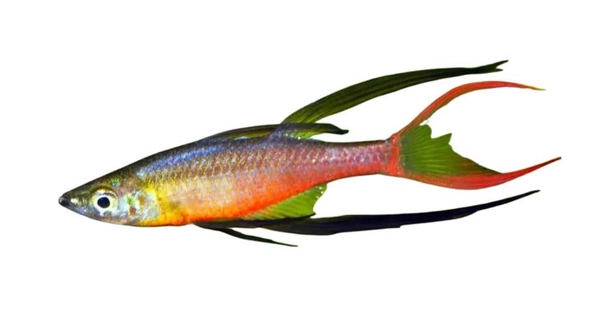
Do you enjoy decorating your home but sometimes notice your fish acting strangely when you rearrange things? Minor changes in the aquarium can unexpectedly affect the comfort of your threadfins, even if everything looks fine.
Threadfins are highly sensitive to changes in their environment. Small alterations in tank layout, decorations, or substrate can induce stress, disrupt established territories, and trigger nervous behavior. Maintaining consistency and gradual adjustments is essential for their well-being.
These subtle shifts may seem insignificant, yet they play a significant role in your threadfins’ daily comfort and behavior in the tank.
Rearranging Decorations Too Often
Frequent changes in tank decorations can make threadfins nervous. These fish rely on familiar landmarks to feel secure. Moving plants, rocks, or ornaments disrupts their mental map, causing stress and unusual swimming patterns. Even small shifts in the tank can lead to hiding behavior or sudden bursts of speed as they try to reestablish their surroundings. It’s best to keep a consistent layout and only introduce changes gradually, giving your fish time to adjust. Gradual rearrangements help threadfins maintain confidence in their environment, reducing stress. Observing their behavior during these adjustments can also indicate which areas or decorations are particularly important to their sense of security. Providing stable hiding spots and familiar textures ensures threadfins feel safe while allowing some variety in the tank. Over time, consistent yet subtle updates can enrich the tank environment without causing anxiety.
Small adjustments spaced over time prevent stress and help threadfins adapt to changes naturally.
Gradual changes in decor encourage exploration without overwhelming the fish. Even slight modifications in placement or the addition of new elements should be done slowly. Introducing one new object at a time allows threadfins to investigate and accept it, reducing fear responses. Sudden shifts can cause aggression or avoidance behaviors, as fish feel the environment is unstable. Observing their reactions after each change ensures their comfort and supports healthy routines. Over time, these measured updates can create a stimulating yet secure habitat, improving both their mental and physical well-being.
Lighting and Shadow Differences
Lighting that is too bright or uneven can unsettle threadfins.
Sudden shifts in light intensity or direction create unfamiliar shadows that may frighten fish. Threadfins use shadows for orientation, and dramatic changes can disrupt their sense of space, leading to skittish behavior or hiding. Maintaining consistent lighting schedules and using gradual transitions from bright to dim helps threadfins adapt more easily. Special attention should be given to new lamps, LEDs, or sunlight exposure that may cast unexpected shadows. Even temporary reflections or glare can cause nervous swimming patterns. Observing the tank at different times of day helps identify potential problem areas. Providing consistent, moderate lighting with gentle gradients allows threadfins to feel secure, while still highlighting the aesthetic aspects of the tank. This approach reduces stress while supporting natural activity levels and feeding behavior. Managing light carefully ensures your fish remain calm and predictable, contributing to a stable, healthy tank environment.
Sudden Changes in Water Flow
Threadfins are highly sensitive to water movement. Sudden increases in flow from pumps or filters can make them swim erratically or hide. Maintaining a steady current is crucial for their comfort and stability.
Abrupt shifts in water flow can confuse threadfins, as they rely on consistent currents to navigate the tank. Rapid surges may force them into corners or under decorations, causing stress and disrupting feeding routines. Adjusting pumps gradually and observing their reactions allows for smoother adaptation. Over time, maintaining predictable water movement ensures the fish feel secure, reducing anxiety-related behaviors and promoting natural swimming patterns.
Even minor variations, such as changing filter direction or adding new equipment, can impact threadfins. It is important to introduce any adjustments slowly and monitor their behavior closely. Sudden turbulence may lead to injuries or exhaustion if fish repeatedly struggle against currents. Using flow diffusers or repositioning objects to soften strong currents helps maintain a calm environment. Gradual changes not only protect their physical health but also encourage consistent activity levels, promoting both comfort and long-term well-being in the tank.
Introduction of New Tank Mates
Adding new fish can unsettle threadfins immediately. Their established territories and routines are disrupted, prompting nervous or defensive behavior.
New tank mates create social stress, as threadfins must reestablish hierarchies and boundaries. Even non-aggressive fish can trigger fear or hiding responses. Careful observation during the first few days is essential to ensure peaceful interactions and minimize tension. Gradual introductions, using a separate acclimation tank or barrier, help threadfins adjust without sudden confrontation.
Selecting compatible species and monitoring for signs of stress or aggression supports a calm environment. Providing multiple hiding spots and visual barriers allows threadfins to retreat when needed, reducing potential conflicts. Overlapping territories can be minimized by distributing decorations and plants evenly. Avoid introducing too many new fish at once, as crowding increases stress levels. Gradual social integration promotes natural behaviors, such as schooling or exploratory swimming, while maintaining overall tank harmony. Keeping introductions slow and controlled ensures threadfins remain confident and secure despite new additions.
Changing Substrate Type
Threadfins can react nervously to new substrate. The texture and color influence how they explore and feel safe in the tank.
Even slight changes from sand to gravel or introducing sharp textures may cause hiding or erratic swimming. Gradual transitions help them adapt without stress.
Overcrowding the Tank
Overcrowding creates stress by limiting swimming space and territorial boundaries. Threadfins require room to navigate freely, and too many fish can lead to competition for resources. This increases nervous behavior, aggression, and potential injuries. Managing population density and carefully monitoring social interactions ensures threadfins remain comfortable and secure, promoting overall health and predictable behavior within the tank.
Excessive Noise or Vibrations
Threadfins are sensitive to loud noises or vibrations near their tank. Sudden sounds can startle them and trigger hiding or rapid swimming. Maintaining a calm environment around the aquarium helps reduce stress.
FAQ
Why do my threadfins hide after I move decorations?
Threadfins rely on familiar landmarks to feel secure. Moving decorations suddenly can confuse them, making them feel vulnerable. They hide to assess the new environment and regain a sense of safety. Gradually introducing changes allows them to adapt without excessive stress and helps maintain normal activity levels.
Can lighting affect my threadfins’ behavior?
Yes. Bright or uneven lighting creates shadows that can startle threadfins. Sudden changes in intensity or direction may trigger nervous swimming or hiding. Consistent lighting schedules and gradual transitions help fish feel safe, maintain regular feeding, and prevent stress-related behaviors.
How do new tank mates impact threadfins?
Introducing new fish can disrupt established territories and routines. Even non-aggressive species may cause stress or hiding behaviors as threadfins assess social hierarchies. Using a separate acclimation tank or barrier and introducing one fish at a time reduces anxiety and encourages smoother social integration.
Does water flow really make a difference?
Yes, threadfins are sensitive to currents. Sudden increases or changes in water flow can make them swim erratically or hide. Maintaining a steady, gentle current helps them navigate comfortably, and gradual adjustments allow them to adapt safely.
Will changing the substrate stress my fish?
Changing substrate type, texture, or color can unsettle threadfins. Sharp or unfamiliar surfaces may cause hiding or unusual swimming patterns. Gradual transitions and careful selection of substrate help them explore the tank confidently without stress.
How can I tell if my threadfins are nervous?
Signs include hiding more than usual, darting suddenly, skimming along tank edges, or avoiding areas they previously frequented. Observing their daily behavior and reactions to environmental changes helps identify stress early.
Do excessive noises outside the tank affect them?
Yes. Loud or sudden sounds and vibrations can startle threadfins, triggering hiding or rapid swimming. Placing the aquarium in a calm area away from frequent disturbances reduces stress and helps maintain consistent behavior.
Is overcrowding a serious issue for threadfins?
Overcrowding limits swimming space and disrupts territorial boundaries. It increases competition for food and shelter, causing stress and nervous behavior. Monitoring population density and providing enough space and hiding spots maintains comfort and healthy interactions among fish.
Can I introduce new decorations safely?
Yes, by adding one new item at a time and monitoring reactions. Gradual introductions allow threadfins to explore and adapt without overwhelming them. Observing how they interact with new objects helps determine the best placement and prevents unnecessary stress.
How long does it take for threadfins to adjust to changes?
Adjustment time varies depending on the fish and the change type. Minor changes like lighting or small decorations may take a few days. Larger changes, such as new tank mates or substrate, may take weeks. Patience and gradual implementation ensure comfort and reduce nervous behavior.
Do threadfins need hiding spots?
Yes, hiding spots are essential for reducing stress. They provide refuge during sudden changes, social interactions, or water flow shifts. Strategically placed plants, rocks, or ornaments give threadfins control over their environment and help them feel secure.
Can stress affect their health?
Chronic stress from frequent changes, overcrowding, or environmental disruptions can weaken their immune system, slow growth, and reduce activity. Maintaining a stable tank environment with predictable conditions supports their long-term health and behavior.
How often should I rearrange the tank?
Frequent rearrangements increase nervousness. Minor changes can be made occasionally, but it’s best to limit major adjustments and introduce them gradually. This approach preserves a secure environment while still keeping the tank visually interesting.
Are threadfins sensitive to human activity near the tank?
Yes, rapid movements, tapping, or leaning over the tank can startle them. Keeping interactions calm and minimizing sudden disturbances near the aquarium promotes comfort and predictable behavior.
What is the best way to reduce nervous behavior overall?
Consistency is key. Maintaining stable decorations, lighting, water flow, and tank mates reduces stress. Gradual changes, sufficient hiding spots, and careful monitoring of behavior create a secure environment where threadfins can thrive naturally.
This FAQ addresses common sources of nervousness, offering practical steps to ensure threadfins remain calm, healthy, and confident in their environment.
Final Thoughts
Threadfins are naturally sensitive fish that respond strongly to changes in their environment. Even minor alterations in decorations, lighting, water flow, or tank mates can cause stress and nervous behavior. Understanding their reactions and providing a stable habitat is essential for their health and comfort. Observing them closely allows you to notice small signs of anxiety, such as hiding, erratic swimming, or avoiding specific areas of the tank. Consistent conditions and careful management of the tank environment create a sense of security, which helps threadfins maintain normal routines and reduces stress-related behavior. Over time, this stability supports their overall well-being and ensures they remain active, confident, and healthy.
Gradual changes are more effective than sudden ones when adjusting the tank. Introducing new decorations, adjusting water flow, or adding new fish should be done slowly, giving threadfins time to explore and adapt. This process reduces fear responses and promotes natural behavior. Providing multiple hiding spots, visual barriers, and stable territories further increases their comfort. Consistent lighting and gentle transitions between bright and dim areas also help threadfins feel secure. Even small considerations, like avoiding loud noises or vibrations near the aquarium, play a role in minimizing stress. Maintaining these practices ensures that your fish not only survive but thrive in a controlled and predictable environment.
Caring for threadfins requires attention to both their physical and behavioral needs. Their nervous reactions often reflect environmental factors rather than inherent fragility. By prioritizing stability, gradual adaptation, and thoughtful placement of tank elements, you create a space where they can confidently swim, explore, and interact. Overcrowding should be avoided, and population density should be carefully managed to prevent territorial disputes. Regular monitoring and observation allow you to adjust conditions before stress escalates. Ultimately, patience, consistency, and careful planning are key to keeping threadfins calm and healthy. This approach not only improves their daily comfort but also fosters long-term stability and well-being in the tank.

Hello,
If you enjoy the content that we create, please consider saying a "Thank You!" by leaving a tip.
Every little bit helps us continue crafting quality advice that supports the health, happiness, and well-being of pets around the world, for pets of all shapes, sizes, and species.
We really appreciate the kindness and support that you show us!