
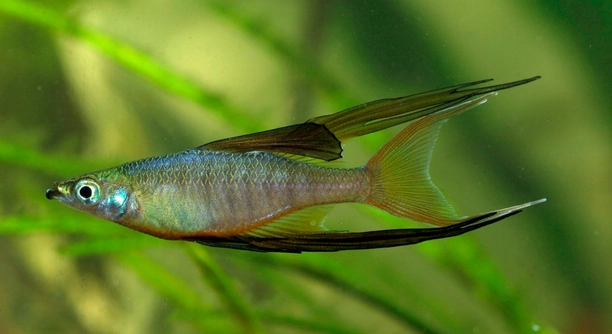
Threadfins are delicate fish known for their graceful swimming and sensitivity to changes in their environment. When faced with new or confusing situations, these fish often exhibit behaviors that signal stress or uncertainty in subtle ways.
When threadfins are confused or overwhelmed, they typically reduce movement, seek shelter, or hover near familiar structures. These responses minimize risk and help them regain orientation, reflecting an instinctive strategy for coping with environmental stressors.
Observing these patterns can help aquarists and researchers better understand threadfins’ needs. Recognizing these behaviors ensures their well-being and promotes a healthier, more stable habitat.
How Threadfins React to Sudden Changes
Threadfins are highly sensitive to shifts in their environment. When lights flicker, currents change, or new objects appear in their tank, they often react by freezing or darting briefly before returning to a safe area. These sudden changes can trigger instinctive behaviors aimed at self-preservation. They may group together tightly or move toward corners to feel protected. Observing these reactions can provide insight into how they process unfamiliar stimuli. Tank size, water quality, and the presence of hiding spots all influence the intensity of their response. Even minor disturbances, like tapping the glass, can cause visible stress. Recognizing these patterns early allows caretakers to adjust conditions and reduce unnecessary stress. Over time, consistent exposure to gentle changes can help threadfins adapt without prolonged anxiety. Their behaviors offer a window into their natural instincts, demonstrating how they balance curiosity and caution in new or unpredictable conditions.
Careful observation helps prevent long-term stress and maintains a stable, healthy environment for threadfins to thrive.
Stress responses vary by individual, but consistent patterns emerge that indicate when threadfins are uncomfortable or disoriented. Understanding these responses is key to supporting their well-being.
Signs of Overwhelm in Threadfins
Overwhelm often causes threadfins to hide or stop eating temporarily.
When threadfins experience sustained stress, their behavior becomes more pronounced. They may cluster near tank edges or under plants, avoiding open areas entirely. Swimming patterns can become erratic, and they might repeatedly dart between hiding spots. Over time, this can affect their appetite, growth, and overall health. Maintaining consistent water parameters and minimizing sudden changes helps mitigate these behaviors. Environmental enrichment, such as gentle currents and varied hiding areas, supports their natural instincts and reduces stress levels. Observing small changes in activity or coloration can signal the need for intervention. Even subtle adjustments, like gradually introducing new objects or adjusting lighting, can help threadfins regain comfort. Caretakers who monitor their behavior closely can identify patterns that indicate confusion or overwhelm. Proper tank design, stable conditions, and attentive observation are essential for helping threadfins manage environmental challenges and maintain a healthy, balanced lifestyle.
Common Stress Triggers
Sudden changes in lighting, temperature fluctuations, and strong water currents often unsettle threadfins. Even minor disturbances like tapping the tank or rearranging decorations can cause noticeable stress, prompting avoidance or hiding behaviors.
Threadfins rely on stable conditions to feel secure. Rapid shifts in water quality or tank layout can confuse them, making navigation and foraging difficult. Loud noises or nearby movement may trigger sudden darting or clustering near shelters. They are naturally cautious and sensitive, so even slight disruptions can create anxiety. Understanding these triggers allows caretakers to minimize stress and maintain a calm environment that encourages normal behavior.
Providing consistent water parameters, gradual adjustments, and well-placed hiding spots helps threadfins adapt without prolonged stress. Observing their responses closely reveals which environmental factors affect them most, allowing tailored care. Proper management supports healthy activity, feeding, and overall well-being.
Behavioral Adjustments
When stressed, threadfins often reduce movement or stay near protective structures. They may hover, cluster, or seek shelter rather than swim openly, conserving energy while assessing threats.
Extended periods of stress can alter daily routines. Threadfins may feed less, avoid open spaces, or show repetitive swimming patterns near corners and plants. They rely on familiar landmarks to navigate, so new objects or rearrangements can increase anxiety. Adjusting environmental factors gradually and ensuring stable conditions helps them regain confidence. Regular observation of swimming patterns, feeding habits, and social interactions provides insight into their coping mechanisms, highlighting when interventions are necessary to restore comfort.
Gradual exposure to mild changes, consistent water quality, and ample hiding areas encourage recovery. Tracking individual behaviors helps anticipate stress responses, making it easier to maintain their health and prevent long-term behavioral or physiological issues.
Coping Mechanisms
Threadfins often retreat to shaded areas or cluster near plants when feeling stressed. These actions reduce exposure and help them assess their surroundings safely.
Some may slow their movements or hover in one spot. This behavior conserves energy and minimizes risk while processing unfamiliar changes.
Interaction with Other Fish
Stressed threadfins may avoid active tank mates, maintaining distance to prevent confrontation. They often swim in tighter formations with others they trust, creating a sense of security. Observing these patterns can indicate their comfort level and help identify when the environment may need adjustments to reduce stress and support normal social behavior.
Environmental Adjustments
Adjusting water flow, lighting, and shelter placement can significantly reduce stress. Small, gradual changes are most effective in helping threadfins feel secure and maintain regular behavior patterns.
Feeding Behavior
Threadfins under stress may eat less or pick selectively at food. Monitoring feeding habits is crucial to detect early signs of confusion or overwhelm and ensure proper nutrition is maintained.
FAQ
What are the most common signs that threadfins are confused or overwhelmed?
Threadfins show stress through reduced movement, hiding, or erratic swimming. They may hover near familiar objects, cluster with other fish, or avoid open areas. Changes in appetite, color, or responsiveness can also signal that they are experiencing confusion or overwhelm.
How can I tell if environmental changes are affecting my threadfins?
Observe their behavior closely after altering water temperature, lighting, or tank layout. Sudden darting, clustering, or refusal to feed indicates they are unsettled. Minor adjustments over time allow them to adapt without prolonged stress.
Do threadfins recover quickly from stress?
Recovery depends on the severity of the stressor and the stability of their environment. Minor disturbances may only cause temporary hiding or reduced activity. Persistent stress requires gradual environmental stabilization, consistent feeding, and proper shelter to restore normal behavior.
Are there specific tank setups that reduce confusion for threadfins?
Yes. Threadfins benefit from stable water parameters, gentle currents, and well-placed shelters. Open swimming areas combined with shaded corners help them feel secure while exploring. Avoid sudden rearrangements or abrupt changes in decorations, as these can trigger stress.
Can overcrowding increase confusion in threadfins?
Overcrowding limits movement and can heighten stress, leading to hiding, erratic swimming, and aggression. Maintaining adequate space and compatible tank mates reduces competition and promotes calm behavior. Proper population density is essential for their well-being.
How does feeding schedule impact their stress levels?
Threadfins respond well to consistent feeding times. Irregular feeding may increase anxiety and confusion, causing them to hide or compete aggressively for food. Observing their eating habits ensures they receive sufficient nutrition and helps identify stress signs early.
Are threadfins sensitive to sudden noise or vibrations?
Yes. Loud sounds or vibrations near the tank can startle threadfins, triggering flight or hiding behavior. Minimizing external disturbances and placing tanks in quieter areas reduces stress and supports a stable environment.
How important is water quality for preventing confusion?
Water quality is critical. Poor water conditions, including incorrect temperature, pH, or oxygen levels, can overwhelm threadfins and affect their behavior. Regular monitoring, filtration, and partial water changes are necessary to maintain a healthy and stress-free habitat.
Can threadfins’ behavior indicate illness versus stress?
Behavioral changes such as lethargy, loss of appetite, or unusual swimming may result from stress or illness. Consistent observation is key. If behaviors persist despite stable conditions, consulting a veterinarian or aquatic specialist ensures proper diagnosis and treatment.
What can I do if threadfins are constantly stressed?
Gradually adjust the environment, provide additional shelters, and ensure stable water parameters. Reduce sudden movements near the tank and maintain a consistent feeding schedule. Close observation allows identification of persistent triggers and ensures interventions support long-term health and comfort.
Is it normal for threadfins to seek out hiding spots frequently?
Yes, particularly when they are overwhelmed or unsure. Providing multiple secure areas allows them to regulate stress naturally. Over time, as they adjust to the environment, they may explore more openly, showing confidence in their surroundings.
How do social interactions affect their stress levels?
Threadfins are influenced by tank mates. Aggressive or overly active companions can increase stress, while calm, compatible fish help them feel secure. Observing interactions and adjusting group composition improves overall tank harmony and reduces confusion.
Can visual clutter in the tank confuse threadfins?
Too many decorations or sudden changes in layout can overwhelm threadfins. They prefer predictable environments with clear swimming paths. Gradual introductions of new objects and organized tank layouts support natural exploration without causing confusion.
Do threadfins respond to gentle handling or movement around the tank?
Excessive tapping, rapid movements, or sudden approaches can startle threadfins, causing stress. Gentle, consistent interactions or minimal disturbance help them maintain calm behavior and reduce confusion. Over time, they may tolerate mild activity without signs of distress.
How can I monitor stress without interfering too much?
Use quiet observation, noting movement patterns, feeding habits, and interactions with shelter and tank mates. Minimal interference allows natural behaviors to appear while helping identify stress triggers. Consistent monitoring supports proactive care and environmental adjustments.
Are there behavioral signs that indicate threadfins are adapting?
Yes. Increased exploration, regular feeding, and comfortable swimming in open areas show adaptation. Reduced hiding and interaction with tank mates without signs of anxiety indicate they are adjusting well to their environment and managing previous stressors effectively.
What long-term effects can constant stress have on threadfins?
Chronic stress may reduce immunity, slow growth, and cause persistent behavioral issues such as hiding, erratic swimming, or aggression. Maintaining stable conditions, gradual adjustments, and consistent care are essential to prevent lasting negative effects on health and behavior.
Can environmental enrichment help reduce stress?
Providing varied hiding spots, gentle currents, and visual interest supports mental stimulation and reduces anxiety. Enrichment allows threadfins to exercise natural instincts safely and promotes confidence in navigating their tank, reducing signs of confusion and overwhelm.
How quickly should I respond to signs of confusion?
Immediate observation and adjustment are important. Early response prevents stress from escalating, ensures proper nutrition, and maintains normal social behaviors. Prompt intervention with stable water parameters and secure environments helps threadfins recover more effectively.
Do threadfins show differences in stress responses based on age or size?
Younger or smaller threadfins are often more sensitive to changes and may hide more frequently. Larger or older individuals may display stronger swimming responses. Understanding these differences helps tailor care and reduce stress for each fish.
How do I balance curiosity and safety for threadfins in a tank?
Provide open swimming areas alongside secure shelters. Gradual introduction of new objects or changes allows exploration while maintaining safety. Observing reactions and adjusting environmental factors ensures threadfins can satisfy natural curiosity without becoming overwhelmed.
Is it normal for threadfins to recover at different rates?
Yes. Individual temperament, past experiences, and environmental conditions affect recovery. Patience and consistent care allow each fish to regain confidence and return to normal behavior patterns safely.
Can temperature swings affect confusion or stress?
Sudden increases or decreases in water temperature can confuse threadfins and trigger hiding, reduced movement, or erratic swimming. Maintaining stable temperature within their preferred range is crucial to minimize stress and support consistent behavior.
Do threadfins communicate stress to each other?
Yes. Stress behaviors like clustering, rapid swimming, or hiding can influence other fish. Observing group dynamics helps identify overall tank stress and informs adjustments to reduce environmental pressures.
Are there warning signs before stress becomes severe?
Early signs include brief hiding, slight changes in swimming patterns, and temporary food avoidance. Recognizing these behaviors early allows for corrective actions before stress impacts long-term health or social dynamics.
How often should I check on their environment?
Daily monitoring of water parameters, tank layout, and fish behavior ensures stability. Frequent checks prevent small issues from escalating and support proactive management of stress and confusion in threadfins.
Can consistent routines help threadfins feel secure?
Yes. Predictable feeding, lighting, and maintenance routines reduce anxiety and support natural behavior. Stability fosters confidence and minimizes signs of confusion or overwhelm, promoting overall well-being.
Are there signs that a threadfin is too stressed to feed properly?
Refusal to eat, spitting out food, or feeding only at the edges of the tank indicate stress. Adjusting environmental conditions and providing secure spaces encourages normal feeding behavior.
Do seasonal changes impact threadfins’ stress levels?
Changes in light duration, temperature, or household activity patterns can affect their behavior. Gradual adaptation and monitoring help threadfins maintain stability through seasonal variations.
Can stress affect coloration or physical appearance?
Yes. Threadfins may show duller colors or slightly clamped fins when stressed. Monitoring physical changes alongside behavior provides a clear picture of their well-being and helps guide care adjustments.
How can I ensure long-term comfort for threadfins?
Maintain stable water conditions, provide shelters, monitor social interactions, and introduce environmental changes gradually. Consistent observation and care allow threadfins to remain confident, healthy, and less prone to confusion or overwhelm.
What immediate steps should I take if threadfins appear overwhelmed?
Minimize disturbances, check water parameters, and ensure accessible hiding spots. Gradual adjustments, gentle handling, and consistent feeding restore comfort and reduce stress efficiently.
Are there differences between species in stress responses?
Yes. Different threadfin species vary in sensitivity, social behavior, and activity levels. Researching species-specific needs ensures appropriate care, minimizing confusion and supporting natural behaviors in a shared or individual tank.
How do I track improvements in stress levels?
Observe activity, feeding, coloration, and interaction with shelter or tank mates over time. Gradual increases in exploration and normal behaviors indicate recovery and help refine care strategies for continued well-being.
Is it normal for some threadfins to remain cautious longer than others?
Individual temperament plays a role. Some fish take longer to adapt to changes or recover from stress. Patience and steady environmental stability are key to supporting all individuals.
Can improper tank lighting contribute to confusion?
Sudden shifts or overly bright lights can startle threadfins, causing hiding or erratic swimming. Gradual lighting adjustments and consistent schedules reduce stress and allow safe exploration of their environment.
How important is observation for preventing long-term stress?
Careful monitoring of behavior, social interactions, and feeding ensures early detection of stress. Prompt adjustments prevent chronic anxiety, supporting long-term health and stability in threadfins.
What signs indicate that threadfins are comfortable again?
Consistent feeding, normal swimming patterns, exploration of open areas, and relaxed interaction with tank mates demonstrate comfort. These behaviors signal successful adaptation to the environment and reduced confusion.
How can I minimize mistakes when changing the tank setup?
Introduce one change at a time, maintain stable water conditions, and monitor reactions. Gradual adjustments allow threadfins to adapt naturally without prolonged stress or confusion.
Can subtle water vibrations cause stress?
Yes. Even small vibrations from pumps, filters, or nearby movement can startle threadfins. Ensuring equipment is stable and minimizing external disturbances helps maintain calm behavior.
Are threadfins more stressed in newly established tanks?
New tanks present unfamiliar surroundings, which naturally increase stress. Providing hiding spots, stable conditions, and gentle introductions reduces confusion and helps them adapt to the new environment safely.
Does tank cleanliness affect their behavior?
Dirty or poorly maintained tanks can increase stress, leading to hiding, reduced feeding, or erratic swimming. Regular cleaning, filtration, and water testing are essential for maintaining comfort and supporting healthy behavior.
Can social hierarchies affect stress in threadfins?
Yes. Dominant individuals may intimidate others, causing increased hiding or avoidance. Observing interactions and providing ample space and shelters reduces social stress and promotes a more stable group dynamic.
How long should it take for threadfins to adapt after stress?
Adaptation time varies. Minor stress may resolve within hours or days, while prolonged disturbances require weeks. Patience, consistent care, and gradual environmental stabilization are essential for complete recovery.
Do threadfins react differently in community tanks versus single-species tanks?
Community tanks introduce more variables, such as other species’ activity levels and social interactions. Threadfins may be more cautious or reactive, requiring careful monitoring and tank management to minimize stress and confusion.
What role does diet play in stress management?
A consistent, balanced diet supports energy levels and resilience. Irregular feeding or poor nutrition can exacerbate stress and reduce their ability to cope with environmental changes. Ensuring proper food availability promotes recovery and healthy behavior.
Are threadfins affected by water flow patterns?
Strong currents can overwhelm them, leading to hiding or erratic swimming. Gentle, consistent flow supports natural behavior, while sudden shifts may increase confusion. Monitoring flow patterns ensures comfort and reduces unnecessary stress.
How can I tell if multiple threadfins are stressed simultaneously?
Group behaviors like clustering, synchronized hiding, or collective reduced movement indicate shared stress. Identifying these patterns allows for environmental adjustments that benefit all individuals in the tank.
Does tank size impact their stress levels?
Limited space restricts movement and can heighten anxiety. Providing adequate swimming areas and sufficient shelter reduces stress, promotes exploration, and supports overall health and behavior.
Are there tools to help monitor stress in threadfins?
Regular observation, video monitoring, and water testing are effective. Keeping records of behavior, feeding, and environmental conditions helps identify trends and prevent prolonged stress.
Can stress lead to physical health issues in threadfins?
Yes. Chronic stress can weaken immunity, reduce growth, and increase susceptibility to disease. Maintaining stable conditions, proper nutrition, and monitoring behavior prevent these long-term effects.
How often should I reassess tank conditions?
Daily observation with weekly checks of water parameters ensures early detection of stress triggers. Frequent assessment helps maintain stability and minimizes prolonged confusion or anxiety.
Do threadfins respond differently to stress at night?
Some may seek shelter more actively or reduce movement in low light. Ensuring consistent day-night cycles and minimal nighttime disturbances supports normal behavior and reduces nighttime stress.
Are there signs that threadfins are stressed even if they appear calm?
Subtle signs include reduced feeding, brief hiding, or slight changes in swimming. Close observation over time reveals patterns that indicate underlying stress, even if outward behavior seems normal.
Can stress responses be prevented entirely?
Complete prevention is unlikely, but careful tank management, stable conditions, and gradual introductions of changes minimize stress and confusion. Consistent care allows threadfins to adapt safely to new stimuli.
Is it normal for threadfins to have individual differences in stress tolerance?
Yes. Each fish has a unique temperament and sensitivity level. Recognizing these differences helps tailor care, providing support to individuals that are more prone to confusion or overwhelm.
Do threadfins remember stressful experiences?
They can associate certain areas, objects, or events with stress. Gradual reintroduction and stable conditions help them overcome previous negative experiences, fostering confidence in their environment.
What daily practices help reduce stress in threadfins?
Maintaining clean water, consistent feeding, stable lighting, secure hiding spots, and gentle observation all support calm behavior. Small, consistent actions prevent confusion and promote long-term well-being.
How do I balance activity and rest for threadfins?
Providing open swimming space alongside shelters ensures they can move freely while resting safely. Monitoring behavior and adjusting environment supports natural rhythms and reduces stress.
Can seasonal or household changes indirectly affect stress?
Yes. Changes in light, temperature, or household activity patterns can increase stress. Gradual adaptation and monitoring help threadfins remain comfortable despite external variations.
How should I react if a threadfin hides for extended periods?
Ensure water quality is stable, provide accessible shelters, and minimize disturbances. Extended hiding may indicate stress or environmental discomfort. Observing feeding and interaction helps determine if intervention is needed.
Are some hiding behaviors a sign of normal caution rather than stress?
Yes. Threadfins naturally seek shelter when assessing new surroundings. Distinguishing normal caution from stress requires observing feeding, activity, and recovery patterns over time.
Can overhandling or frequent observation cause stress?
Yes. Excessive tapping, moving decorations, or rapid observation can increase anxiety. Gentle, minimal interference allows natural behaviors and reduces confusion or prolonged stress.
Do threadfins have coping strategies for repeated stress?
They may cluster, reduce movement, or select favorite hiding spots. These behaviors are instinctive strategies to manage stress and regain a sense of safety in their environment.
How can I tell if threadfins are truly comfortable after a stressful event?
They resume normal swimming, explore open areas, feed regularly, and interact confidently with tank mates. Observing these behaviors confirms recovery and indicates the environment supports their well-being.
Can introducing enrichment too quickly cause stress?
Yes. Rapid addition of objects or decorations can overwhelm threadfins. Gradual introduction allows exploration while maintaining a sense of safety and minimizing confusion.
What role does observation timing play in detecting stress?
Observing during feeding, activity peaks, and low-activity periods provides a full picture of behavior. Consistent timing helps detect subtle changes and respond effectively to potential stressors.
How do I prioritize interventions when multiple stressors exist?
Address water quality first, followed by environmental adjustments and social factors. Gradual, consistent changes reduce confusion and support recovery without overwhelming threadfins further.
Are there indicators that stress is affecting reproductive behavior?
Reduced spawning, avoidance of mates, or decreased activity near breeding areas can signal stress. Stable conditions and reduced disturbances promote normal reproductive behavior.
Can threadfins experience stress even if water parameters are ideal?
Yes. Behavioral stress can result from social dynamics, sudden movements, or visual changes. Even optimal water quality cannot fully prevent stress caused by environmental or social factors.
How do I differentiate between temporary and chronic stress?
Temporary stress resolves within hours or days with stable conditions. Chronic stress persists, affecting feeding, growth, and social interactions. Monitoring over time identifies patterns and informs corrective measures.
Do threadfins benefit from gradual environmental exposure?
Yes. Slow introduction of new objects, tankmates, or changes allows them to adapt safely, reducing confusion and promoting confidence in their surroundings.
How can I create a stress-minimized environment long-term?
Maintain stable water parameters, consistent feeding routines, sufficient shelter, gentle observation, and gradual changes. Regular monitoring ensures threadfins remain healthy, comfortable, and less prone to confusion or overwhelm.
Are some threadfins naturally more anxious than others?
Yes. Individual temperament varies, influencing how quickly they adapt to changes or recover from stress. Understanding these differences helps tailor care and support long-term well-being.
Can observing subtle behaviors prevent serious health issues?
Yes. Early detection of hiding, reduced feeding, or erratic swimming allows interventions before stress causes illness, ensuring threadfins remain healthy and behaviorally stable.
Does tank placement affect stress levels?
Yes. High-traffic areas or proximity to loud appliances can startle threadfins. Quiet, stable locations support calm behavior and reduce confusion or overwhelm.
What are effective ways to track gradual improvements?
Record daily observations of movement, feeding, color, and interactions. Comparing patterns over weeks shows progress, indicating successful stress management and environmental stability.
Are there signs that threadfins are overcompensating for stress?
Excessive hiding, repeated darting, or constant clustering may indicate they are coping with persistent stress. Adjusting environmental factors and monitoring recovery supports normal behavior.
How important is consistency in care routines?
Consistency in feeding, lighting, water maintenance, and environmental stability minimizes confusion and helps threadfins maintain predictable, healthy behaviors. Gradual changes ensure comfort and reduce stress over time.
**Do threadfins adapt better in single-species
Final Thoughts
Threadfins are delicate and sensitive fish that respond strongly to changes in their environment. Their behavior is a reflection of how they perceive safety and stress. When faced with confusion or overwhelm, they often reduce movement, seek shelter, or stay close to familiar objects. These actions are instinctive strategies that help them cope with uncertainty and maintain a sense of security. Observing these behaviors closely provides valuable insight into their needs, and recognizing even subtle signs of stress can prevent long-term problems. A threadfin’s reaction to its surroundings is not random; it is a combination of instinct, past experiences, and environmental conditions. Understanding these factors is essential for anyone maintaining a tank with threadfins or similar sensitive species. Careful attention to their behavior allows caretakers to provide the proper support, ensuring that the fish can navigate their environment with confidence and minimal stress.
Maintaining a stable environment is the foundation of supporting threadfins’ well-being. Water quality, tank layout, and feeding schedules play a critical role in their comfort and behavior. Sudden changes in temperature, lighting, or tank structure can cause confusion and stress, while gradual adjustments allow them to adapt naturally. Providing hiding spots, gentle water currents, and predictable routines helps threadfins feel secure and encourages normal behavior. Social dynamics within the tank also influence stress levels, as aggressive or overly active tank mates can increase anxiety. Observing how threadfins interact with their companions and providing enough space to move freely reduces tension and promotes healthy social behavior. By creating a calm, stable, and supportive environment, caretakers can reduce the frequency and intensity of stress responses, making the tank a safe place for threadfins to thrive.
Monitoring threadfins regularly and responding to their needs is crucial for long-term health. Signs of stress, such as hiding, reduced feeding, or erratic swimming, should not be ignored, as prolonged stress can affect growth, immunity, and overall vitality. Gradual interventions, consistent care routines, and environmental enrichment support their natural behaviors and resilience. Each fish may respond differently, so patience and attention to individual temperament are important. Over time, threadfins can learn to adapt to minor changes and regain confidence in their surroundings, but this process requires careful observation and steady guidance. Ensuring that threadfins feel secure, supported, and well-cared-for creates a stable and harmonious tank environment, promoting not only their physical health but also their ability to express natural behaviors with minimal stress or confusion. A thoughtful approach to their care makes a meaningful difference in their overall quality of life.

Hello,
If you enjoy the content that we create, please consider saying a "Thank You!" by leaving a tip.
Every little bit helps us continue crafting quality advice that supports the health, happiness, and well-being of pets around the world, for pets of all shapes, sizes, and species.
We really appreciate the kindness and support that you show us!