
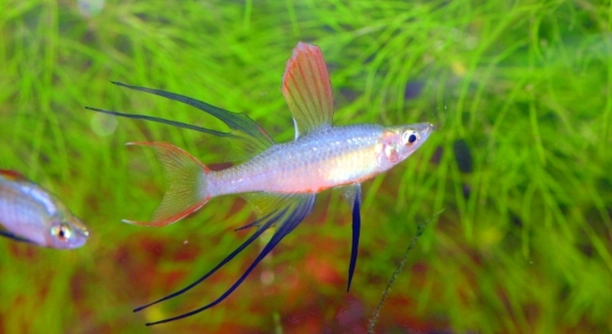
Do you enjoy keeping threadfins in your home aquarium but sometimes notice they ignore the live food you provide? Many hobbyists face this challenge, as threadfins can be surprisingly selective and unpredictable in their feeding habits.
Threadfins may refuse to eat live food due to factors such as stress, poor water quality, improper acclimation, dietary preferences, illness, overfeeding, or the size and type of the offered prey. Each factor can significantly impact feeding behavior.
Understanding why your threadfins avoid live food can help you improve their diet and overall health. Knowing these situations ensures a happier, more balanced aquatic environment for your fish.
Stress in the Aquarium
Stress is a common reason threadfins may refuse live food. Changes in water temperature, sudden movement near the tank, or overcrowding can all trigger stress responses. When stressed, threadfins often stop eating, focusing instead on survival instincts. Even minor disturbances, such as new tank decorations or nearby loud noises, can affect their behavior. Stress can also make them hide for long periods, making feeding times more challenging. Regular monitoring of tank conditions and maintaining a calm environment can reduce stress levels. It is also important to ensure the tank has adequate hiding spots and enough swimming space for each fish. Stress management is key to promoting healthy eating habits and preventing long-term health issues. A consistent feeding schedule and gentle handling further support a stable environment. Threadfins are sensitive, and even small adjustments in care routines can encourage them to resume normal feeding behaviors.
Creating a calm environment can greatly increase the likelihood that your threadfins will eat consistently.
Providing proper tank conditions, minimal disturbances, and a predictable routine helps threadfins regain confidence to eat. Regular checks of water quality, temperature, and oxygen levels ensure stress is minimized. Observing fish behavior daily allows early identification of stress triggers, helping prevent prolonged refusal to feed. Incorporating gentle handling and slow acclimation when introducing new fish or foods strengthens their comfort. Overcrowding should be avoided to reduce competition and tension. Offering live food in quiet, familiar locations of the tank encourages feeding. Sometimes, pairing live food with familiar scents or lightly moving prey can stimulate interest. Maintaining a stress-free environment supports overall fish health and encourages regular feeding patterns. Consistency and attentiveness in care routines often result in threadfins returning to normal eating habits.
Water Quality and Its Effects
Poor water quality can make threadfins refuse live food. Pollutants, high ammonia, or incorrect pH can cause discomfort and reduce appetite.
Maintaining clean water and stable parameters is essential for threadfins’ health. Regular testing and timely water changes support proper feeding behavior and long-term wellbeing.
Threadfins are extremely sensitive to water conditions. High ammonia, nitrite spikes, or fluctuating pH can irritate their gills and digestive system, leading to food refusal. Even small imbalances may cause stress, prompting them to hide and ignore live food. Routine water testing is vital to detect problems early. Filtration systems should be checked for efficiency, and water changes should be performed consistently to remove toxins. Temperature stability also plays a critical role, as sudden changes can shock their system. In addition, avoiding overcrowding and removing uneaten food promptly prevents water contamination. Clean, well-oxygenated water promotes normal feeding patterns, and fish are more likely to explore and consume live food when they feel safe and comfortable. Proper care ensures that threadfins remain healthy and maintain their appetite.
Improper Acclimation
Threadfins may refuse live food if they are not properly acclimated to a new tank. Sudden changes in environment or water conditions can make them hesitant to eat.
Gradual acclimation helps threadfins adjust to differences in temperature, pH, and hardness. Drip acclimation over several hours reduces stress and allows the fish to sense the new water chemistry slowly. Rapid transfer can shock their system, causing loss of appetite. Even after acclimation, monitoring their behavior is crucial, as some may take longer to feel secure enough to eat. Providing familiar live food during this period can encourage feeding while minimizing stress.
Consistency in feeding location and routine helps threadfins gain confidence. Avoid sudden changes in water flow or introducing other fish too quickly. Observing them closely during this time ensures they are adapting well. Patience is key, as some threadfins may require several days before fully accepting live food again. Using smaller or slower-moving prey can stimulate interest, and maintaining calm surroundings supports successful acclimation. Properly managing this transition increases the likelihood that your threadfins will feed regularly and maintain healthy growth.
Dietary Preferences
Threadfins can refuse live food simply because they prefer certain types of prey over others. Offering the wrong species or size may lead to disinterest.
Identifying preferred live food is essential for ensuring adequate nutrition. Some threadfins favor small crustaceans, while others may prefer insect larvae or tiny fish. Observing their natural behavior can indicate which prey is more appealing. Rotating different options and gradually introducing new types can help expand their diet. Ensuring live food is healthy and active increases the likelihood of consumption. Dead or sluggish prey often goes ignored.
Feeding techniques also influence acceptance. Presenting live food in small portions and allowing it to move naturally in the tank encourages hunting behavior. Over time, threadfins can develop preferences for certain prey sizes and types. Paying attention to these patterns and adjusting accordingly ensures they receive balanced nutrition. Additionally, combining live food with occasional high-quality prepared foods can support growth while accommodating their tastes. Properly matching prey to their dietary habits maximizes feeding success and overall fish health.
Illness or Parasites
Threadfins may refuse live food when they are sick or dealing with parasites. Loss of appetite is often one of the first signs of illness.
Monitoring for unusual behavior, lethargy, or physical changes can help detect health issues early. Prompt treatment improves recovery and feeding response.
Overfeeding
Frequent overfeeding can make threadfins ignore live food. When fish are full, they lose interest in hunting. Overfed threadfins may show sluggish behavior, reducing their activity during feeding times. Limiting portions and maintaining a consistent feeding schedule ensures they remain motivated to eat live prey, encouraging natural foraging instincts.
Prey Size and Activity
Threadfins may reject live food if the prey is too large or moves too slowly. Properly sized, active prey encourages natural hunting behavior and stimulates feeding response.
FAQ
Why are my threadfins refusing to eat live food even though they were eating before?
Changes in water quality, temperature, or tank setup can cause sudden feeding refusal. Even minor disturbances, such as new tank decorations or rearranged plants, can stress threadfins and make them cautious. Stress, illness, or dietary preferences may also be contributing factors. Monitoring behavior and environmental conditions can help identify the cause.
Can stress in the tank make threadfins stop eating live food?
Yes, stress is a major factor. Overcrowding, sudden movements near the tank, or inconsistent lighting can trigger stress responses. When stressed, threadfins prioritize survival over feeding. Providing hiding spots, stable water conditions, and calm surroundings encourages them to resume normal eating habits.
How long does it take for threadfins to start eating live food again after acclimation?
Acclimation periods vary depending on the individual fish and tank conditions. Some threadfins adjust within a few hours, while others may take several days. Gradual introduction of familiar live food and consistent routines help them regain appetite faster. Patience is essential.
Could overfeeding be the reason my threadfins refuse live food?
Yes, overfed threadfins often lose interest in hunting. When their stomachs are full, they ignore live prey. Reducing portion sizes and spacing out feedings encourages natural foraging behavior and maintains their appetite for live food.
Does the type of live food affect whether threadfins will eat?
Absolutely. Threadfins may prefer certain prey, such as small crustaceans or insect larvae, over others. Observing feeding behavior and experimenting with different types of live food helps determine preferences. Offering active and appropriately sized prey increases the likelihood of consumption.
Can illness or parasites cause a loss of appetite in threadfins?
Yes. Threadfins that are sick or have parasites often stop eating live food. Signs include lethargy, unusual swimming patterns, or visible physical changes. Early detection and treatment are critical to restoring appetite and preventing further health issues.
How important is water quality for live food acceptance?
Water quality is crucial. Poor conditions, including high ammonia, nitrite spikes, or fluctuating pH, can make threadfins uncomfortable and reduce feeding. Consistent testing, regular water changes, and proper filtration help maintain an environment where they are more likely to eat.
What role does prey size play in feeding behavior?
Threadfins may reject prey that is too large or too slow. Properly sized, active prey stimulates hunting instincts. Observing their attempts and adjusting prey size ensures they can capture and consume food easily, supporting both appetite and growth.
Should I try mixing live food with prepared foods to encourage feeding?
Yes. Occasionally offering high-quality prepared foods alongside live prey can help picky threadfins adjust. Gradually increasing the proportion of live food while maintaining familiar tastes can stimulate appetite and reinforce healthy eating habits.
How can I tell if refusal to eat is temporary or serious?
Temporary refusal is often linked to minor stress, acclimation, or dietary experimentation and resolves within a few days. Persistent refusal accompanied by lethargy, physical changes, or abnormal swimming indicates a more serious issue, such as illness or poor water conditions, requiring intervention.
Is it normal for some threadfins to be selective eaters?
Yes. Individual threadfins have preferences based on size, type, and movement of prey. Observing behavior and adjusting food offerings to match these preferences encourages feeding while supporting balanced nutrition.
How can I encourage hesitant threadfins to start eating live food again?
Offer smaller, more active prey and feed in calm, familiar locations. Maintain optimal water conditions, limit disturbances, and use consistent feeding times. Gradual exposure and patience help them regain confidence to hunt and eat naturally.
Can changing the tank setup improve live food acceptance?
Yes. Providing adequate hiding spots, sufficient swimming space, and a stable environment reduces stress and encourages feeding. Sudden rearrangements should be avoided until threadfins are eating regularly. Observation helps identify what adjustments improve appetite.
Are there long-term consequences if threadfins refuse live food regularly?
Yes. Prolonged refusal can lead to malnutrition, weakened immune systems, and stunted growth. Addressing underlying causes, such as stress, water quality, or illness, is essential to maintain health and ensure consistent feeding behavior over time.
Is it possible for threadfins to completely refuse live food and only eat prepared foods?
Some individuals may develop strong preferences for prepared foods if live food is consistently ignored or unavailable. Gradual reintroduction of appropriate live prey and mixing it with prepared foods can help restore natural feeding instincts.
Can environmental enrichment influence live food acceptance?
Yes. Natural movement and hiding spots stimulate hunting behavior. Adding plants, rocks, or safe structures encourages activity and exploration, making threadfins more likely to pursue live prey during feeding sessions.
How often should I offer live food to maintain appetite?
Feeding live food a few times per week, combined with a balanced diet, supports appetite and encourages natural foraging behavior. Overfeeding or too frequent changes can reduce interest, while consistency maintains healthy feeding habits.
What precautions should I take when introducing new live food?
Ensure live food is clean, free from disease, and appropriately sized. Quarantine unfamiliar prey if possible. Introduce new food gradually to avoid shocking the fish’s system and monitor acceptance closely. Proper handling ensures safety and encourages feeding.
Does tank size affect live food consumption?
Yes. Overcrowded or undersized tanks increase stress and competition, which may reduce feeding. Adequate space for swimming and hunting ensures threadfins can pursue prey without interference, supporting consistent feeding patterns.
Are there seasonal changes that affect feeding behavior?
Environmental factors like temperature fluctuations or light changes may temporarily affect appetite. Maintaining stable conditions year-round helps minimize disruptions and keeps threadfins interested in live food consistently.
Can mixing multiple types of live food improve acceptance?
Yes. Offering a variety of prey types encourages feeding and prevents boredom. Observing preferences allows for targeted feeding strategies while ensuring a balanced and nutritious diet for threadfins.
How do I know if my threadfins are getting enough nutrition from live food?
Monitor growth, coloration, activity levels, and overall health. Healthy threadfins with consistent feeding patterns typically receive adequate nutrition. Adjust portions and variety as needed to meet dietary requirements.
Is patience the most important factor when trying to reintroduce live food?
Yes. Threadfins may take time to adapt to changes, recover from stress, or accept new prey. Consistency, observation, and gentle encouragement are key to restoring regular feeding habits and maintaining health.
Threadfins are fascinating fish, but their feeding habits can be unpredictable. Even experienced keepers sometimes face challenges when threadfins refuse live food. Understanding the reasons behind this behavior is essential for maintaining their health. Stress, water quality, dietary preferences, illness, overfeeding, prey size, and acclimation all influence whether threadfins will accept live food. By observing their behavior closely and paying attention to these factors, owners can often identify the cause of feeding problems. Maintaining a calm environment, consistent routines, and proper water conditions provides a foundation for threadfins to feel secure enough to eat regularly. While it may seem frustrating when threadfins ignore live food, patience and careful adjustments usually yield positive results.
Proper care and attention can prevent most issues that lead to food refusal. For example, monitoring water parameters and performing regular water changes reduces stress caused by poor water quality. Gradual acclimation when introducing new fish or food types prevents sudden shocks that might discourage feeding. Offering live prey that is appropriately sized and active helps stimulate natural hunting instincts, encouraging them to feed. In cases of illness or parasites, early detection and treatment are critical for restoring appetite. Keeping an eye on portion sizes and avoiding overfeeding also ensures that threadfins remain motivated to eat. By combining these approaches, feeding problems can be addressed proactively, reducing the risk of long-term nutritional deficiencies.
Feeding threadfins successfully requires consistency, observation, and a willingness to adjust care routines. Each fish is unique, and what works for one threadfin may not work for another. Paying attention to their preferences and natural behaviors helps guide feeding strategies. Offering a variety of live prey while maintaining stable tank conditions encourages healthy eating habits. Even temporary food refusal can often be resolved with small, thoughtful changes to the environment or feeding routine. The key is to remain patient, monitor health closely, and provide conditions that support their natural instincts. With careful attention and consistent care, threadfins can thrive and enjoy a balanced diet, ensuring their long-term health and well-being in the aquarium.

Hello,
If you enjoy the content that we create, please consider saying a "Thank You!" by leaving a tip.
Every little bit helps us continue crafting quality advice that supports the health, happiness, and well-being of pets around the world, for pets of all shapes, sizes, and species.
We really appreciate the kindness and support that you show us!