
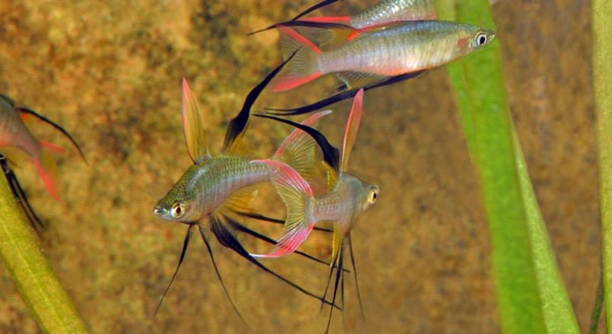
Are your threadfins acting differently lately, swimming in odd patterns or refusing food? Subtle behavior changes like these can reveal more than you think about their well-being.
Threadfins often show early signs of stress through slight behavioral and physical changes before visible symptoms appear. Observing alterations in activity, feeding habits, color, or positioning within the tank can help identify underlying stress factors and prevent serious health issues.
Recognizing these signs early ensures your threadfins remain healthy and active, allowing you to address problems before they worsen.
1. Reduced Activity and Lethargy
When threadfins begin feeling stressed, their energy levels drop noticeably. They may spend long periods hovering near the bottom or hiding behind decorations. This change in behavior often appears before any visible signs of illness. A healthy threadfin typically swims gracefully, displaying consistent motion and interaction with its surroundings. However, stress interferes with their comfort, leading to sluggish movement and longer resting times. Environmental triggers such as sudden temperature changes, poor water quality, or overcrowding can contribute to this behavior. Maintaining a stable, clean environment and ensuring enough space for each fish are crucial for preventing these early signs of distress.
If your threadfins remain inactive for several days, it’s important to act quickly. Testing water parameters and checking filtration efficiency should be your first steps to restore stability and comfort in the tank.
Early recognition of reduced movement allows you to correct conditions before stress progresses into physical illness or disease.
2. Loss of Appetite
A loss of appetite is one of the clearest behavioral signs of stress in threadfins. When they refuse food or eat significantly less than usual, it’s a warning that something in their environment isn’t right. Appetite loss can result from water contamination, overcrowding, or sudden changes in feeding routine. It can also occur when tank mates are too aggressive or dominate feeding times, leaving threadfins anxious and withdrawn.
Addressing this issue involves evaluating the feeding setup and observing how your fish behave during meals. If certain individuals show dominance, consider feeding in separate areas or providing additional feeding spots. Check ammonia, nitrite, and nitrate levels to ensure they are within safe ranges. Clean the substrate regularly and maintain stable temperatures. Once the environment is balanced, threadfins usually regain their appetite and return to their regular eating habits, showing visible improvement in energy and movement.
3. Faded or Dull Coloration
When threadfins experience stress, their colors often fade, appearing pale or washed out. This change usually happens gradually and can indicate that their immune system is weakening due to environmental pressure or poor water conditions.
Color loss can occur from several factors, including low oxygen levels, poor diet, or unstable pH. Threadfins rely on consistent water quality to maintain their vibrant hues, and any imbalance can cause pigment reduction. Regular water testing, along with nutrient-rich food, helps preserve their natural shine. Keeping lighting moderate and avoiding frequent tank rearrangements also reduces unnecessary stress that affects coloration.
Monitoring color changes daily can help detect problems before they worsen. If your threadfins begin showing faded patterns or uneven tones, inspect water quality immediately. Restoring balance through gradual water changes and ensuring a calm, stable environment often helps colors return naturally over time.
4. Erratic Swimming Patterns
Erratic swimming is a common behavioral sign of distress in threadfins. They may dart around suddenly, swim against the glass, or appear disoriented. These actions often suggest discomfort caused by environmental or social stressors in the tank.
Such behavior can stem from temperature fluctuations, strong water currents, or aggressive tank mates. Threadfins are sensitive and require a calm, balanced environment to move naturally. If they exhibit frantic or repetitive movements, check the filtration flow and ensure the temperature remains stable. Reducing bright lighting or rearranging tank elements to create safe zones can also help ease anxiety. Addressing these stressors early prevents long-term health problems. Consistent observation and gradual adjustments allow threadfins to regain their natural rhythm and return to smooth, graceful swimming behavior that reflects comfort and security in their surroundings.
5. Gasping Near the Surface
Threadfins gasping near the surface often indicate a lack of oxygen or poor water quality. This behavior shows that they are struggling to breathe comfortably, usually due to low oxygen levels, high ammonia, or inadequate aeration in the tank.
Improving aeration with air stones or adjusting filtration flow can help stabilize oxygen levels. Performing small, frequent water changes and keeping plants trimmed enhances circulation. Avoid overfeeding, as decomposing food lowers oxygen. Once proper balance is restored, threadfins typically stop gasping and return to their normal swimming patterns.
6. Hiding More Frequently
When threadfins hide excessively, it’s a strong sign of stress or fear. They may retreat behind plants or decor for long periods instead of swimming openly. This behavior often appears when tank mates are aggressive, lighting is too bright, or water parameters fluctuate suddenly.
7. Clamped Fins
Clamped fins are another subtle sign of stress. Threadfins keep their fins close to their bodies instead of spreading them naturally. This indicates discomfort, poor water quality, or an early stage of illness. Observing fin position daily helps detect stress before more serious health issues develop.
FAQ
What causes stress in threadfins?
Stress in threadfins usually arises from environmental factors. Sudden temperature changes, poor water quality, overcrowding, or aggressive tank mates are the most common causes. Even minor fluctuations in pH or oxygen levels can trigger subtle stress responses. Providing stable water conditions and a calm environment helps reduce stress.
How can I tell if my threadfins are stressed?
Stress signs often appear before visible illness. Look for faded colors, reduced activity, hiding, clamped fins, erratic swimming, loss of appetite, and gasping near the surface. Monitoring daily behavior allows early detection, helping prevent long-term health issues. Behavioral changes are usually the first indicators.
What should I do if my threadfins show stress signs?
Start by testing water parameters, including ammonia, nitrite, nitrate, and pH. Perform partial water changes to improve quality and ensure proper aeration. Adjust tank lighting, remove aggressive fish, and provide hiding spaces. A balanced diet with nutrient-rich food supports recovery. Gradual changes are more effective than sudden adjustments.
Can diet impact stress levels?
Yes, a poor diet can increase stress. Threadfins need a varied diet with high-quality proteins and occasional supplements to maintain health. Overfeeding or underfeeding disrupts digestion and energy levels, contributing to stress. Feeding smaller amounts multiple times a day helps maintain stability and supports immune function.
Is overcrowding a serious stress factor?
Overcrowding increases competition for space, food, and oxygen, causing chronic stress. Threadfins require sufficient swimming space and hiding areas. Reducing tank density or splitting the group into separate tanks often alleviates tension and restores natural behavior. Monitoring interactions helps identify aggressive individuals that may need isolation.
How important is water temperature?
Threadfins are sensitive to temperature fluctuations. Sudden drops or spikes can weaken their immune system and trigger stress behaviors. Maintaining a stable temperature within the recommended range is crucial. Using a reliable heater and thermometer ensures consistency, which helps threadfins stay healthy and active.
Do tank decorations affect stress?
Yes, decorations can reduce or increase stress depending on placement. Plants, rocks, and hiding spots provide security and reduce anxiety. Overcrowding with decor, however, can limit swimming space and increase tension. Arranging the tank to balance open areas and shelter spots allows threadfins to feel safe while moving freely.
How often should I monitor water quality?
Daily or every other day monitoring is ideal, especially for sensitive threadfins. Checking ammonia, nitrite, nitrate, pH, and oxygen levels allows early intervention before stress escalates. Frequent observation ensures any minor issues are corrected promptly, preventing long-term damage to fish health.
Can stress lead to disease?
Yes, prolonged stress suppresses the immune system, making threadfins more susceptible to infections and parasites. Early recognition and correction of stress factors prevent illness. Maintaining clean water, a balanced diet, and stable tank conditions significantly reduces the risk of disease.
Are there behavioral changes I should watch closely?
Watch for lethargy, hiding, clamped fins, erratic swimming, or unusual aggression. Appetite loss and color fading are also key indicators. Consistent observation of routine behavior allows detection of even subtle signs of stress, enabling timely corrective measures.
How long does it take for threadfins to recover from stress?
Recovery depends on the severity and duration of stress. Minor stress may resolve within days after correcting water quality and diet, while prolonged exposure may take weeks. Continuous observation and supportive care, including gentle handling and consistent environmental conditions, promote full recovery.
Can multiple stress factors occur simultaneously?
Yes, threadfins often face more than one stressor at a time, such as poor water quality combined with aggressive tank mates. Addressing all contributing factors is essential. A holistic approach, including water management, diet, and tank setup, ensures the best chance for reducing stress effectively.
Is it possible to prevent stress entirely?
Complete prevention is unlikely, but minimizing risk is achievable. Stable water parameters, proper tank size, compatible tank mates, consistent diet, and routine monitoring create a low-stress environment. Being proactive in observing and addressing early signs ensures threadfins remain healthy and resilient.
How can I make my threadfins feel secure?
Provide hiding spaces, moderate lighting, and calm surroundings. Avoid sudden movements near the tank and maintain a predictable feeding schedule. Consistency and a carefully arranged environment reduce anxiety, helping threadfins thrive and exhibit natural, confident behaviors.
Can stress affect breeding?
Yes, stressed threadfins may refuse to breed or produce weaker offspring. Reducing environmental stressors and providing a stable, nutrient-rich environment supports reproductive health. Stress-free conditions encourage normal mating behavior and increase the likelihood of successful spawning.
What is the first step when noticing stress signs?
Immediately check water quality and tank conditions. Correcting temperature, oxygen levels, pH, and cleanliness often resolves stress quickly. Observing behavior during and after adjustments helps confirm that interventions are effective and threadfins are returning to normal.
Are threadfins more sensitive than other fish?
Threadfins are particularly sensitive to environmental changes compared to many other species. Even small fluctuations in water quality, temperature, or tank dynamics can trigger stress. Extra attention to stability and daily monitoring is essential to maintain their health and well-being.
How do I know if my interventions are working?
Improvement in color, appetite, activity, and normal swimming indicates recovery. Gradual positive changes show that water quality, diet, and environmental adjustments are effective. Continuous observation helps track progress and ensures long-term health.
What if stress persists despite adjustments?
Persistent stress may indicate hidden issues, such as disease, incompatible tank mates, or underlying water chemistry problems. Consulting a specialist or experienced aquarist may be necessary. Advanced water testing and medical evaluation can help identify less obvious causes to restore fish health.
How can I reduce sudden stress triggers?
Introduce changes gradually, avoid abrupt lighting or temperature shifts, and maintain a consistent feeding routine. Limiting sudden disturbances, such as frequent handling or tank relocation, allows threadfins to adjust without stress, maintaining stability in their environment.
Can stress affect lifespan?
Chronic stress can shorten threadfins’ lifespan by weakening the immune system and increasing susceptibility to disease. Long-term maintenance of stable conditions, proper diet, and careful monitoring enhances overall longevity and quality of life.
Are there specific signs unique to threadfins?
While many stress indicators are common across species, threadfins often display pronounced surface gasping and subtle fin clamping early. Recognizing these unique behaviors allows for quicker intervention before other health issues develop.
How often should I feed stressed threadfins?
Offer small, frequent meals to encourage eating without overloading their digestive system. Balanced nutrition supports energy, immune function, and recovery from stress, helping them regain strength and normal behavior more quickly.
Is observation more important than treatment?
Yes, careful observation is the first step in detecting stress. Understanding behavior and identifying triggers allows for precise interventions. Immediate treatment without understanding the cause may not address underlying issues, making observation critical to successful stress management.
How can I support recovery in the long term?
Maintain stable water conditions, provide a nutrient-rich diet, create safe tank zones, and monitor behavior daily. Consistency and patience ensure threadfins adapt comfortably, minimizing the chance of recurring stress and promoting overall well-being.
What role does tank size play in stress?
Adequate space reduces competition, improves swimming freedom, and lowers aggression. Overcrowded tanks increase tension, stress, and the risk of disease. Ensuring enough room for all threadfins is a simple but essential step in promoting a healthy environment.
Are there signs of recovery to watch for?
Threadfins that regain color, resume normal swimming, eat regularly, and explore their environment demonstrate successful recovery. Observing these improvements confirms that interventions are effective and stress levels are decreasing.
Can lighting affect stress?
Harsh or inconsistent lighting can trigger hiding and erratic behavior. Moderate, consistent lighting provides comfort, reduces anxiety, and allows threadfins to display natural colors and movements without unnecessary stress.
What should I avoid when managing stress?
Avoid sudden water changes, overfeeding, abrupt tank rearrangements, and introducing aggressive fish. These actions can worsen stress and prolong recovery, making careful, gradual adjustments the most effective approach.
How do I maintain long-term stress prevention?
Regular water testing, consistent feeding schedules, stable temperature, and compatible tank mates create a low-stress environment. Observation and timely adjustments prevent minor issues from escalating, ensuring threadfins remain healthy and active over time.
Is it normal for threadfins to show occasional stress?
Occasional stress can happen, especially during minor environmental changes. What matters is how quickly they recover. Frequent or prolonged stress requires intervention to prevent health deterioration and maintain overall well-being.
How important is compatibility with other fish?
Tank mate compatibility significantly affects stress levels. Aggressive or territorial species can cause chronic anxiety. Selecting peaceful companions and monitoring interactions ensures a harmonious environment, reducing the risk of behavioral or health issues.
What small changes can make a big difference?
Adding hiding spaces, adjusting lighting, maintaining water quality, and feeding consistently can greatly reduce stress. Even minor improvements in tank conditions help threadfins feel secure, promoting normal behavior and overall health.
How do I handle stress during maintenance?
Perform gradual water changes, avoid sudden temperature shifts, and limit handling. Minimizing disturbance during routine care helps prevent temporary stress spikes, keeping threadfins comfortable and calm.
Are there signs of severe stress?
Severe stress manifests as prolonged hiding, refusal to eat, extreme lethargy, or persistent erratic swimming. Early detection and immediate corrective action are crucial to prevent serious health complications.
Can environmental enrichment reduce stress?
Yes, adding plants, rocks, and safe spaces allows threadfins to explore, hide, and feel secure. Enrichment reduces anxiety, encourages natural behaviors, and supports mental and physical well-being over time.
How do I balance water flow and stress?
Strong currents can exhaust threadfins, while stagnant water reduces oxygen. Adjust filtration and aeration to create gentle circulation that supports comfort, health, and natural swimming patterns without adding stress.
Is quarantine necessary for stressed or new fish?
Quarantine prevents disease transmission and reduces additional stress to established fish. Introducing new or recovering individuals in a separate tank ensures controlled acclimation and protection for the main group.
Can stress cause long-term behavioral changes?
Yes, prolonged stress may lead to persistent hiding, aggression, or reduced feeding. Consistent care, stable conditions, and gradual acclimation are essential to restore normal behaviors and prevent lasting effects.
How do I track stress over time?
Keep a log of water parameters, feeding, and behavior. Recording patterns helps identify recurring triggers and evaluate the effectiveness of interventions. Long-term tracking supports proactive management and healthier threadfins.
Are there signs that indicate stress is resolving?
Increased activity, brightened colors, normal feeding, and consistent swimming patterns indicate recovery. Noticing gradual improvements confirms interventions are working and stress levels are returning to normal.
Can stress affect social behavior?
Stressed threadfins may become withdrawn or avoid interaction with tank mates. Observing social patterns helps detect discomfort early, allowing adjustments to improve harmony and reduce tension within the group.
Is prevention easier than treatment?
Yes, maintaining stable conditions and monitoring behavior prevents stress more effectively than correcting it after onset. Consistent care minimizes risk and supports long-term health.
How can I encourage natural behavior?
Provide adequate space, hiding spots, gentle currents, and consistent lighting. A balanced diet and calm environment allow threadfins to swim freely, feed normally, and display natural social interactions.
What role does observation play in long-term care?
Observation is critical for early detection of stress, illness, or environmental issues. Regular monitoring enables timely interventions, ensuring threadfins remain healthy, active, and resilient over time.
Can small water changes reduce stress quickly?
Yes, partial water changes improve water quality, reduce toxins, and stabilize conditions, helping threadfins recover from short-term stress effectively without drastic alterations.
How do I create a low-stress feeding environment?
Feed in multiple spots to prevent competition, use appropriate amounts, and maintain a routine. This ensures all threadfins get proper nutrition while reducing anxiety and aggression during meals.
Are there subtle stress signs I might miss?
Yes, minor color fading, slight fin clamping, or brief hiding can indicate early stress. Careful daily observation helps catch these subtle changes before they develop into serious issues.
How do I know if stress is environmental or health-related?
Observe the tank conditions and behavior closely. If water parameters are stable and changes persist, health issues may be present. Consulting a specialist or testing for disease helps distinguish causes.
Can stress trigger aggression in threadfins?
Yes, stressed individuals may act more defensively or aggressively toward tank mates. Reducing stressors and providing sufficient space usually restores calm behavior and social balance.
How does lighting schedule affect stress?
Consistent lighting helps regulate natural rhythms. Sudden or extreme changes in light intensity can trigger hiding, erratic swimming, or lethargy. Maintaining a regular day-night cycle reduces stress and promotes well-being.
Are temperature fluctuations more harmful than other stressors?
Sudden temperature changes are highly stressful, impacting metabolism, immune response, and behavior. Keeping the water stable within the ideal range is critical for preventing both short- and long-term stress effects.
What’s the simplest way to reduce stress immediately?
Check water quality, remove aggressive tank mates if needed, provide hiding spots, and ensure stable temperature and aeration. These steps often produce noticeable improvement within hours.
Can overcrowding cause permanent damage?
Chronic overcrowding may lead to stunted growth, weakened immunity, and behavioral changes. Addressing tank density early prevents long-term harm and promotes healthy development.
How do I differentiate stress from illness?
Stress often presents with behavioral changes first, while illness may include visible physical symptoms like sores or fungus. Consistent observation and monitoring water quality help distinguish the two.
Are some threadfins more sensitive than others?
Yes, individual temperament and past experiences influence stress response. Younger or more timid fish are often more affected by environmental changes or aggressive tank mates.
How important is tank maintenance for stress prevention?
Regular cleaning, partial water changes, and monitoring equipment reduce stress significantly. Consistent care prevents sudden changes in water quality, ensuring a stable, comfortable environment for threadfins.
Can I use supplements to reduce stress?
Certain vitamins and minerals can support immune function, but environmental stability is more important. Supplements help overall health but cannot replace proper water quality, tank size, and compatible companions.
Is acclimation important for new threadfins?
Yes, slow acclimation reduces shock and stress. Gradually introducing temperature and water chemistry changes allows threadfins to adjust comfortably, promoting a smooth transition into the tank.
How often should I observe stressed fish?
Daily monitoring is ideal. Frequent checks help detect subtle behavior changes early, allowing prompt corrective action before stress escalates into serious health issues.
Can stress affect color permanently?
Prolonged stress can cause long-term dulling of colors. Correcting environmental factors and providing proper nutrition can restore pigmentation, though recovery may take time depending on severity.
What is the most overlooked cause of stress?
Minor water chemistry fluctuations, such as pH swings or low oxygen, are often missed. Even slight instability can affect threadfins significantly, emphasizing the importance of regular testing and careful maintenance.
How do I handle multiple stress signs at once?
Prioritize water quality, temperature stability, and safe spaces. Observe behavior closely and address each factor systematically. Gradual, consistent adjustments reduce stress effectively without overwhelming the fish.
Can stress affect reproduction long-term?
Yes, prolonged stress can reduce fertility, disrupt spawning cycles, and result in weaker offspring. Minimizing environmental stressors supports reproductive health and ensures successful breeding.
What is the safest way to introduce new fish?
Quarantine first, adjust water parameters gradually, and monitor interactions with existing fish. This reduces stress and prevents disease transmission, ensuring a smoother integration into the tank.
How do I track subtle changes over time?
Keep a log of behavior, water quality, and feeding patterns. Comparing daily notes helps identify trends, triggers, and early warning signs of stress before they become critical.
Can stress lead to rapid health decline?
Yes, prolonged or severe stress can weaken the immune system quickly, making threadfins vulnerable to infections. Early detection and intervention are essential to prevent rapid deterioration.
What preventive steps have the biggest impact?
Stable water parameters, adequate space, compatible tank mates, consistent feeding, and careful observation are the most effective measures. These practices minimize stress and support overall health consistently.
Is stress recovery always visible immediately?
No, some improvements, like regained color or activity, take days or weeks. Patience and consistent care are essential to support complete recovery and restore normal behavior.
How can I tell if my tank setup contributes to stress?
Observe fish behavior in relation to tank layout. Frequent hiding, erratic swimming, or fin clamping may indicate environmental stress. Adjust decorations, lighting, or water flow to provide a more comfortable habitat.
Are there signs that stress is recurring?
Repeated hiding, color fading, or appetite loss indicates persistent stressors. Continuous observation and adjustments are necessary to address recurring issues and prevent long-term health effects.
Can stress be fully reversed?
Many stress effects are reversible with proper intervention, including stable water, diet, and environment. Severe or prolonged stress may leave lasting behavioral or color changes, but overall health can improve with careful management.
How do I balance multiple factors to reduce stress?
Address water quality, temperature, lighting, tank mates, space, and diet simultaneously. Holistic management ensures threadfins experience minimal stress and maintain stable health, behavior, and coloration.
Are there stress signs unique to juveniles?
Juvenile threadfins often hide more, eat less, or display timid swimming. Early intervention ensures proper growth and reduces the risk of stress-related developmental issues.
Can stress affect long-term growth?
Chronic stress may stunt growth by disrupting feeding and weakening the immune system. Ensuring a stable, supportive environment promotes healthy development and size progression over time.
How important is consistency in care?
Consistency in feeding, water changes, and observation reduces unexpected stress triggers. Threadfins thrive when routines are predictable and environmental conditions remain stable, supporting long-term well-being.
Can stress be transferred between fish?
Aggressive or panicked behavior can cause stress in other tank mates. Maintaining compatible companions and minimizing disturbances helps prevent stress from spreading through the group.
How do I manage stress in a community tank?
Ensure enough space, hiding spots, and balanced feeding for all species. Monitor interactions and remove aggressive fish if necessary. Proper management reduces tension and allows all inhabitants to thrive
Final Thoughts
Threadfins are delicate fish that show stress in subtle ways before it becomes visibly serious. Paying close attention to their behavior is the key to maintaining their health. Changes in activity, appetite, color, or fin position often appear first, signaling that something in their environment may need attention. Observing these early indicators allows you to take corrective measures before stress develops into illness. Consistent monitoring is important, as even minor fluctuations in water quality, temperature, or social dynamics can impact their comfort. By noticing these small cues, you ensure that your threadfins remain active and vibrant, reducing the chances of long-term health problems and supporting their overall well-being.
Creating a stable and comfortable environment is central to minimizing stress. Maintaining clean water with proper filtration, stable temperature, and balanced oxygen levels provides a foundation for healthy living. Offering adequate space and arranging the tank with plants, rocks, or other hiding spots helps threadfins feel secure. Feeding a nutrient-rich, varied diet on a consistent schedule further supports their immune system and energy levels. Avoiding sudden changes, such as aggressive tank mates or abrupt lighting shifts, is equally important. Every small adjustment contributes to a low-stress environment, allowing threadfins to display natural swimming patterns, vibrant colors, and normal social behaviors. Thoughtful attention to both physical conditions and daily care practices ensures that stress is minimized before it becomes a serious issue.
Understanding stress in threadfins also involves being proactive rather than reactive. Early intervention is far more effective than trying to correct severe problems later. Regular observation helps identify subtle signs such as fin clamping, erratic swimming, or gasping at the surface, which often go unnoticed in busy tank maintenance routines. Addressing these indicators quickly by checking water quality, adjusting tank setup, or modifying feeding routines can prevent escalation. Over time, these practices create a resilient and healthy environment where threadfins thrive. The goal is to combine consistent monitoring, environmental stability, and attentive care to promote long-term health, comfort, and natural behavior in your fish, ensuring they remain lively and vibrant throughout their lives.

Hello,
If you enjoy the content that we create, please consider saying a "Thank You!" by leaving a tip.
Every little bit helps us continue crafting quality advice that supports the health, happiness, and well-being of pets around the world, for pets of all shapes, sizes, and species.
We really appreciate the kindness and support that you show us!