
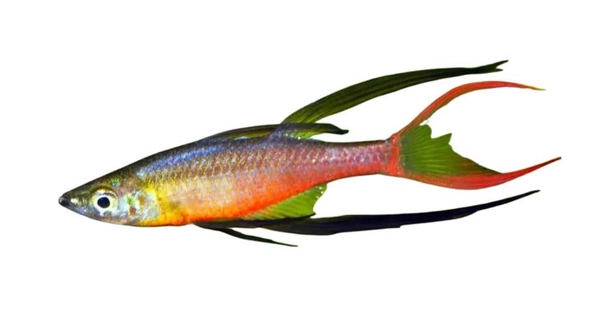
Threadfins are known for their graceful swimming and synchronized schooling behavior. Observing them separate from the group can be surprising, especially when they usually move together in harmony within their aquatic environment.
Threadfins may refuse to join the school due to factors such as stress, illness, age differences, territorial behavior, lack of socialization, water quality issues, or sudden changes in their environment. Each factor can influence their willingness to integrate.
Recognizing these causes can help maintain a healthy and cohesive school of threadfins in your tank or natural habitat. Understanding their behavior is key to supporting their well-being.
Stress and Environmental Changes
Threadfins are sensitive to changes in their environment. Sudden shifts in water temperature, pH levels, or lighting can cause them to feel unsafe, leading them to avoid the school. Even small disturbances, like new tank decorations or increased human activity near their habitat, can trigger stress responses. Over time, continuous stress may affect their appetite, energy, and overall behavior. Observing their daily routines closely can help identify stress triggers. Maintaining stable conditions and minimizing abrupt changes allows threadfins to feel secure and gradually return to normal schooling patterns. Gentle acclimation to any new environmental elements is essential for reducing anxiety. Stress reduction isn’t just about avoiding harm; it encourages natural social behavior and strengthens the school’s cohesion. Offering hiding spots and quiet areas in the tank can also give threadfins the space they need to feel comfortable. Their health and social integration often improve once stressors are minimized.
Maintaining stable water conditions and a calm environment supports schooling behavior. Threadfins respond quickly to predictable surroundings.
Creating consistency in their habitat helps threadfins regain confidence. Avoid sudden changes, monitor water quality, and provide quiet spaces to encourage them to rejoin the school.
Illness or Weakness
When threadfins are sick or weak, they often separate from the group to recover. Physical ailments like fin damage, parasites, or internal infections can reduce their swimming ability and make it harder to keep up with the school. Nutritional deficiencies may also cause fatigue or sluggish movement. Early detection is key because untreated health issues can worsen quickly, affecting the entire school. Regular observation of swimming patterns, appetite, and appearance can help identify problems before they become severe. Quarantining affected fish while addressing their health needs prevents the spread of illness and helps the weak individuals regain strength. In addition to medical care, providing a low-stress environment with proper nutrition accelerates recovery. Consistent feeding schedules and high-quality food sources improve energy levels, allowing the fish to resume normal schooling behavior. Healthy threadfins are more confident and social, which naturally encourages them to integrate back into the group without hesitation.
Recognizing early signs of illness prevents long-term health problems. Acting quickly ensures the school stays strong.
Providing proper nutrition, regular monitoring, and timely care allows sick or weak threadfins to recover fully. This supports a healthy, cohesive school and encourages normal social interactions.
Age and Size Differences
Older or larger threadfins sometimes separate from younger or smaller fish. Their size and experience can make them less inclined to follow the school, preferring to swim independently while still staying nearby.
Age and size differences can influence schooling behavior significantly. Smaller fish may feel intimidated by larger, more dominant members, causing hesitation to swim closely together. Conversely, older or larger threadfins may have established routines that differ from younger fish, creating natural separation. These differences do not always indicate aggression but reflect varied energy levels and swimming capabilities. Providing an environment with adequate space and visual barriers helps reduce tension and allows all fish to coexist comfortably. Over time, natural adjustments often occur as younger fish grow and older fish maintain their health.
Managing mixed-age groups requires observation and care. Avoid overcrowding, monitor interactions, and ensure all fish have enough space to swim comfortably without stress or conflict.
Territorial Behavior
Threadfins can exhibit territorial tendencies, especially around feeding areas or preferred spots in the tank. Dominant fish may prevent others from entering specific zones, causing temporary separation.
Territorial behavior can disrupt schooling if individual fish claim space or resources. These areas may include hiding spots, corners of the tank, or regions with optimal water flow. Less dominant threadfins often yield to more assertive fish, keeping a safe distance until opportunities arise. Observing patterns of movement can reveal which fish are dominant and which avoid confrontation. Rearranging the tank layout or adding additional hiding places can reduce territorial conflicts, encouraging more inclusive schooling. Understanding each fish’s behavior helps create a balanced environment where both dominant and subordinate threadfins can coexist peacefully while maintaining social bonds.
Monitoring territory use and adjusting tank layout ensures all threadfins have access to space and resources. This reduces conflicts and supports group cohesion over time.
Lack of Socialization
Threadfins that are newly introduced or have spent time isolated may struggle to integrate with the school. They often need time to observe and adjust to the group’s movement and hierarchy.
Gradual exposure to the school while providing safe spaces helps reduce anxiety. Patience is key.
Water Quality Issues
Poor water quality can make threadfins feel unsafe and lethargic, causing them to avoid the school. Factors like high ammonia, nitrite levels, or low oxygen reduce their energy and willingness to swim with others. Maintaining clean water with proper filtration and regular monitoring encourages healthy schooling behavior. Proper water parameters create a stable environment where fish feel secure, supporting both social interaction and overall health. Even minor changes can affect behavior, so consistent maintenance is essential. Threadfins respond quickly to improvements, gradually returning to group swimming once conditions stabilize.
Sudden Changes in Environment
Unexpected changes, such as new tankmates or rearranged decorations, can make threadfins hesitant to join the school. They often need time to adjust and regain confidence.
FAQ
Why are my threadfins refusing to join the school?
Threadfins may stay apart due to stress, illness, age or size differences, territorial behavior, poor water quality, lack of socialization, or sudden changes in their environment. Each factor affects their comfort and safety, which influences whether they choose to swim with the group or alone.
How can I tell if stress is causing separation?
Signs of stress include rapid gill movement, clamped fins, hiding, reduced appetite, and erratic swimming. If these behaviors appear after environmental changes or disturbances, stress is likely the reason for their reluctance to join the school.
Can illness cause threadfins to isolate themselves?
Yes. Sick or weak threadfins often separate from the school to recover. Look for visible injuries, parasites, or sluggish movement. Early detection and treatment improve recovery and help the fish rejoin the school safely.
Does age affect schooling behavior?
Older or larger threadfins may swim independently while smaller or younger fish stick together. Differences in energy, size, or experience can influence whether they integrate smoothly into the school. Providing adequate space allows both groups to coexist comfortably.
How does territorial behavior impact schooling?
Dominant threadfins may claim certain areas or resources, causing others to avoid these zones. Adding hiding spots and rearranging tank layouts reduces conflicts and encourages more inclusive social behavior.
Can water quality make threadfins avoid the school?
Yes. Poor water quality, including high ammonia or nitrite levels, low oxygen, or inconsistent temperature, can make threadfins lethargic or anxious. Maintaining stable water conditions encourages them to swim actively and rejoin the school naturally.
How long does it take for isolated threadfins to integrate?
Integration time varies depending on the cause. Fish recovering from illness, adjusting to new social dynamics, or adapting to environmental changes may take several days to weeks. Patience, proper care, and a stress-free environment are key.
Should I separate aggressive or dominant fish?
In some cases, temporarily isolating dominant or aggressive individuals reduces stress for others. Monitor interactions closely and provide enough space so all threadfins can access food, hiding spots, and swimming areas without conflict.
How can I encourage hesitant fish to join the school?
Maintain stable water conditions, reduce sudden disturbances, provide hiding areas, and ensure consistent feeding. Gradually introducing isolated fish near the school in a safe way allows them to observe and gain confidence before swimming together.
Are some threadfins naturally more independent?
Yes. Just like personalities in other animals, some threadfins prefer swimming alone or in small groups rather than with the main school. Respecting their nature while providing safe surroundings helps reduce stress and encourages interaction over time.
What role does nutrition play in schooling behavior?
Well-fed, healthy threadfins are more active and likely to swim with the school. Poor nutrition can reduce energy, making fish less inclined to participate in group movements. Providing balanced diets supports both health and social behavior.
How can I prevent separation in the future?
Maintain stable water conditions, avoid sudden environmental changes, monitor fish health regularly, and introduce new individuals gradually. Observing natural behaviors and adjusting care as needed helps maintain a cohesive and healthy school.
Are hiding spots important for schooling fish?
Yes. Hiding spots allow shy or stressed threadfins to feel safe while gradually observing the school. This reduces anxiety and encourages them to join the group at their own pace.
Can mixed-age groups cause long-term separation?
Sometimes. Differences in swimming ability and social experience can temporarily separate older or younger fish. Over time, natural adjustments usually occur as younger fish grow and older fish maintain health, allowing better integration.
How do I know if my tank layout is affecting schooling?
If threadfins consistently avoid certain areas or one section of the tank, the layout may create stress or territorial conflicts. Rearranging decorations and ensuring open swimming spaces can promote smoother schooling behavior.
Is it normal for threadfins to occasionally swim alone?
Yes. Even healthy fish may swim independently for short periods. Occasional solo swimming is natural and not always a sign of stress or illness. The key is monitoring consistency and overall group cohesion.
Can adding more fish help isolated threadfins join the school?
Adding new fish can sometimes improve social interaction, but it may also increase stress. Introduce additional fish slowly, ensuring the tank has enough space and hiding spots to reduce conflicts.
How important is routine for threadfins?
Consistency in feeding, water maintenance, and environment reduces stress and supports normal schooling behavior. Predictable routines give fish a sense of security and encourage social interaction.
Should I change the water more often if fish are separating?
Regular water changes help maintain quality, but abrupt or excessive changes can increase stress. Gradual, consistent maintenance is more effective for encouraging schooling behavior.
Can stress from humans affect threadfins?
Yes. Frequent tapping, sudden movements, or loud noises near the tank can increase stress. Minimizing disturbances supports a calm environment and encourages fish to swim together naturally.
Are some causes reversible, and which ones require long-term attention?
Environmental stress, poor water quality, and temporary social dynamics are often reversible with proper care. Illness, injury, or severe behavioral issues may require long-term monitoring and intervention to maintain a cohesive school.
How can I monitor progress in rejoining the school?
Observe swimming patterns, feeding behavior, and interaction with other fish. Gradual improvement, consistent participation, and reduced stress signs indicate successful reintegration. Recording changes helps track progress over time.
Does tank size influence schooling behavior?
Yes. Crowded or overly small tanks increase stress and territorial conflicts, causing separation. Adequate space allows threadfins to swim freely, maintain social bonds, and reduce avoidance behaviors.
Can seasonal changes affect schooling?
Temperature fluctuations, changes in daylight, or other environmental shifts can temporarily influence activity levels. Maintaining stable conditions reduces the impact of seasonal variations on schooling behavior.
What is the most effective way to support isolated threadfins?
Combine stable water quality, balanced nutrition, stress reduction, gradual exposure to the school, and adequate space. This comprehensive approach encourages healthy reintegration while respecting individual fish behavior.
Are threadfins more likely to separate in newly established tanks?
Yes. New tanks may have incomplete ecosystems or unstable water parameters, increasing stress. Patience, proper cycling, and careful monitoring help fish feel safe and integrate smoothly over time.
How long should I monitor isolated fish before intervening?
Monitor daily for consistent patterns in behavior. If separation persists beyond a week, review water quality, health, and social dynamics to determine necessary interventions.
Can enrichment activities help with reintegration?
Yes. Gentle currents, hiding spots, and varied feeding locations provide stimulation, reduce boredom, and encourage natural movement patterns that support schooling behavior.
Is it normal for some fish to never fully integrate?
Some individuals may always prefer solitude due to personality, age, or health. Ensuring they are safe, healthy, and have enough space is more important than forcing full integration.
Can introducing a mirror help isolated fish join the school?
A mirror can sometimes encourage movement and exercise, but it does not replace social interaction. Observing the mirror effect helps gauge readiness for joining the group.
What signs show successful reintegration?
Consistent swimming with the group, active feeding, normal fin and body posture, and reduced hiding indicate successful reintegration and reduced stress levels.
Are behavioral changes permanent?
Most behavioral changes due to environmental stress, poor water quality, or temporary illness are reversible. Long-term health issues or injuries may require ongoing care to maintain normal behavior.
Should I track each fish individually?
Tracking individual fish helps identify patterns, monitor recovery, and adjust care strategies. This ensures that isolated or weaker fish receive the attention they need without affecting the school.
How often should I check water parameters?
Weekly testing for ammonia, nitrite, nitrate, pH, and temperature is recommended. Consistent monitoring ensures a stable environment that promotes normal schooling behavior.
Can adding plants or decorations help integration?
Yes. Plants and decorations provide shelter, reduce stress, and create visual barriers that allow timid fish to gradually approach the school without feeling threatened.
How do I balance space for schooling and hiding spots?
Provide open swimming areas for the school and scattered hiding spots for shy or stressed fish. This balance supports both social behavior and individual comfort.
Is it normal for dominant fish to temporarily separate themselves?
Yes. Dominant fish may patrol or claim space independently but often rejoin the school once satisfied. Temporary separation is natural and does not indicate a problem.
Can diet changes affect schooling behavior?
Yes. Sudden changes in diet can stress fish or reduce energy levels. Gradual dietary adjustments and high-quality nutrition support active swimming and social integration.
How can I reduce aggression when introducing new fish?
Introduce new fish slowly, provide hiding spots, and monitor interactions. Separating overly aggressive individuals temporarily can prevent stress and maintain group cohesion.
Do threadfins remember past stressors?
Fish can associate negative experiences with specific areas or tankmates. Reducing repeated stressors helps build confidence and encourages rejoining the school.
Is there a risk of permanent social hierarchy issues?
Persistent dominance or territorial conflicts can create long-term social challenges. Adjusting tank layout, monitoring interactions, and providing sufficient space mitigates these risks.
How important is observation for maintaining a cohesive school?
Daily observation allows early detection of stress, illness, or behavioral changes. Timely intervention ensures all threadfins remain healthy and integrated, supporting overall tank harmony.
Can isolated fish lead to group-wide stress?
Yes. A visibly stressed or sick fish can influence others. Addressing individual issues promptly helps maintain overall school stability and prevents cascading stress effects.
Should I consult a specialist for persistent issues?
If isolation persists despite proper care, consulting an aquatic veterinarian or experienced fish keeper can provide targeted solutions and ensure long-term health and social integration.
How long does it take for a school to stabilize after changes?
Depending on the cause, stabilization can take days to weeks. Consistent care, minimal stress, and monitoring accelerate the process and promote long-term cohesion.
Are there natural behaviors I should accept?
Yes. Some threadfins naturally prefer solitude or limited interaction. Respecting these tendencies while ensuring safety and proper care helps maintain a healthy environment for all fish.
What is the best overall approach to prevent separation?
Maintain water quality, provide proper nutrition, reduce stress, monitor health, ensure adequate space, and gradually introduce changes. This holistic approach supports a strong, cohesive school of threadfins.
Threadfins are naturally social fish, but there are many reasons why some may choose to separate from the school. Factors like stress, illness, age differences, territorial behavior, water quality issues, lack of socialization, or sudden changes in their environment all play a role in how they behave. Observing the fish closely is important because subtle changes in swimming patterns, appetite, or appearance can signal why a fish is isolating itself. By paying attention to these signs, you can take steps to create a safer and more comfortable environment that encourages social behavior. Ensuring that the tank is clean, water parameters are stable, and all fish have enough space to swim freely helps reduce tension and promotes cohesion. Even small adjustments, such as adding hiding spots or rearranging decorations, can make a noticeable difference in the way threadfins interact with one another.
Maintaining proper care is essential to supporting a healthy and active school. Illness or weakness can make fish less willing to join the group, so monitoring their health and providing balanced nutrition is crucial. In addition, understanding individual differences in age, size, and personality can help you create an environment where all fish feel comfortable. Older or larger fish may naturally swim apart at times, and some fish may be more independent than others. These differences do not always indicate a problem but reflect natural behaviors. Reducing stressors, avoiding abrupt changes, and maintaining consistent feeding schedules give threadfins the confidence to rejoin the school when they are ready. Over time, careful observation and adjustments can help the fish develop stronger social bonds and improve overall activity levels, making the school appear more cohesive and dynamic.
Ultimately, supporting threadfins in their social behavior requires patience, attention, and consistency. Regular observation, proper water maintenance, and gradual exposure to environmental changes are all essential steps in helping isolated fish reintegrate. Providing adequate space, hiding spots, and balanced nutrition ensures that fish have the resources they need to thrive. Understanding and respecting natural behaviors, such as occasional solitary swimming or territorial tendencies, is equally important in creating a balanced and stress-free environment. By addressing potential causes of separation and fostering a stable and safe habitat, threadfins are more likely to engage with the school regularly. Careful monitoring and thoughtful adjustments help maintain both individual well-being and overall group harmony. With consistent effort, your threadfins can enjoy a healthy, active, and social life, and the school can function as a cohesive and lively group once again.

Hello,
If you enjoy the content that we create, please consider saying a "Thank You!" by leaving a tip.
Every little bit helps us continue crafting quality advice that supports the health, happiness, and well-being of pets around the world, for pets of all shapes, sizes, and species.
We really appreciate the kindness and support that you show us!