
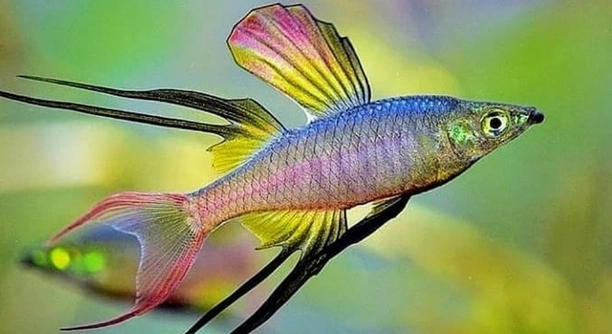
Have you ever noticed your threadfins swimming close to the surface after a water spill in their tank? These small, silvery fish often react quickly to changes in their environment, showing behaviors that are interesting to observe.
After a water spill, threadfins may exhibit several behaviors including increased swimming activity, schooling tightly, hiding among tank decorations, gulping air at the surface, exploring new areas, becoming more cautious, or temporarily reducing feeding. These reactions are natural responses to sudden environmental changes.
Observing these responses can give valuable insight into your threadfins’ health and comfort, helping you maintain a stable and safe environment for them.
Increased Swimming Activity
After a water spill, threadfins often react by swimming more actively than usual. They may dart around the tank or make sudden, short bursts of movement. This behavior can be their way of coping with the sudden change in their environment. The splash of new water, even if it is the same temperature, can create ripples and currents that the fish are not used to. They might also be checking for any shifts in water quality or debris that could have entered. During this time, it’s normal to see them moving faster, turning frequently, and exploring areas they usually avoid. It may seem chaotic, but this heightened activity is temporary. The threadfins are simply adjusting, trying to understand the new water conditions and ensure they remain safe. Observing this can help you notice if any long-term stress signs appear.
Swimming faster is a temporary adjustment to changes in the tank environment after water spills.
Watching them move can be fascinating. They explore corners, interact with other fish, and respond to new currents. This activity, while energetic, is a clear sign of adaptation. As the water stabilizes, their movement gradually becomes calmer. Understanding these behaviors helps maintain a stress-free environment, ensuring the fish stay healthy and comfortable. Paying attention to these details allows you to anticipate needs like water cleaning or tank rearrangements. It also offers reassurance that the threadfins are responding naturally, not showing signs of illness. Their bursts of energy are a reflection of instinct, curiosity, and the immediate response to sudden changes. Over time, recognizing these patterns helps you provide a more stable habitat that supports their wellbeing and growth. Threadfins adjust quickly but benefit greatly from consistent monitoring and gentle care.
Schooling Tightly
Threadfins may group together more closely after a water spill.
This schooling behavior is a natural defense mechanism.
When water is disturbed, threadfins instinctively stay close to each other. Tight groups help them feel safer and reduce perceived threats in the environment. They swim in synchronized patterns, often moving together along tank walls or around hiding spots. This behavior also allows them to share information about water conditions, detecting shifts or impurities faster. Schooling can persist for several hours until the fish feel comfortable again. You might notice them circling in loops or forming small clusters near plants or decorations. The tighter grouping is not a sign of illness but rather an adaptive response to sudden environmental changes. By providing a calm, stable tank afterward, the threadfins gradually resume their normal spacing and routines, showing that their instincts are closely tied to their sense of security.
Hiding Among Decorations
Threadfins often retreat to hiding spots after a water spill. They may stay under rocks, plants, or tank ornaments to feel secure while the water settles.
Finding these hiding spots is a natural response to sudden changes. Threadfins use covered areas to reduce stress and monitor their surroundings safely. Hiding helps them avoid potential threats, even if none exist. The behavior can last from a few minutes to several hours, depending on how sensitive each fish is. While they are hidden, they remain alert, occasionally peeking out to check the water. Providing plenty of plants or shelters allows threadfins to manage stress effectively and feel comfortable in a changing environment. Observing them quietly ensures they can return to normal activity naturally without being disturbed.
By allowing access to shaded areas and dense decorations, you help threadfins regulate stress naturally.
Maintaining stable tank conditions while they hide is important. Avoid sudden movements or loud noises, as these can prolong hiding behavior. Proper water temperature, clarity, and pH levels help the fish feel safe enough to emerge. Over time, they gradually explore more of the tank and resume normal swimming and feeding habits. Hiding behavior is temporary and indicates a healthy instinctive response, not illness.
Gulping Air at the Surface
Threadfins may swim to the surface and take quick breaths after a water spill. This is usually temporary and linked to oxygen levels.
Surface gulping occurs when fish sense minor changes in water quality or oxygen concentration. Threadfins rise and take shallow breaths at the top, often returning to mid-water after a few minutes. It can happen in small bursts, especially if water flow or aeration changed during the spill. This behavior is normal as they adjust to the new water conditions. It should not cause concern unless it becomes prolonged or excessive, which may indicate other water issues. Providing gentle aeration and avoiding drastic temperature shifts reduces the frequency of surface gulping. Observing their recovery helps confirm that they are adapting as expected.
Ensuring proper oxygenation and minimal stress supports their return to regular swimming patterns.
By maintaining consistent water quality and avoiding sudden disturbances, threadfins recover quickly. Regular checks on dissolved oxygen and tank filtration help prevent recurring surface gulping. Over time, they regain confidence in the water, swimming at all levels without frequent surface visits. Keeping decorations stable and avoiding additional sudden water changes reassures the fish, reducing stress-induced gulping. This behavior reflects their natural adaptability, and attentive care allows them to thrive safely in the tank environment.
Exploring New Areas
Threadfins may swim to parts of the tank they usually avoid after a water spill. This allows them to assess changes in their environment.
They carefully investigate corners, decorations, and open spaces, often moving in small, cautious groups. Their movements are deliberate, balancing curiosity with caution.
Becoming More Cautious
After a spill, threadfins often slow their movements and respond carefully to stimuli. Sudden motions or shadows can make them pause, showing increased awareness.
This cautious behavior helps them avoid perceived dangers while adjusting to changes in water currents or quality. Slower swimming, brief stops, and hesitation near new surfaces are common. Even during feeding, they may take longer to approach food or retreat quickly if startled. Monitoring their cautiousness can help ensure that the tank remains safe and stable. Over time, as conditions stabilize, threadfins regain confidence and return to normal activity, indicating healthy adaptation.
Reducing Feeding Temporarily
Threadfins may eat less or skip meals immediately after a water spill. This is a normal stress response.
FAQ
Why do threadfins swim faster after a water spill?
Threadfins often increase their swimming speed after a water spill as an instinctive response to sudden environmental changes. The movement of the water creates currents and disturbances, signaling potential danger. Swimming faster allows them to assess the tank, check for debris, and reorient themselves safely.
Is it normal for threadfins to hide after a water spill?
Yes, hiding is a natural stress response. Threadfins use plants, rocks, or tank ornaments to feel safe while the water stabilizes. Hiding temporarily reduces stress and gives them a sense of security until they feel comfortable exploring the tank again.
Why are threadfins gulping air at the surface?
Gulping air is usually linked to minor changes in oxygen levels or water quality. After a water spill, water movement may alter oxygen distribution temporarily. Threadfins swim to the surface to take shallow breaths and return to normal levels once conditions stabilize.
Do threadfins eat less after a water spill?
Yes, reduced feeding is common immediately after a water spill. Stress can make them hesitant to approach food. Over time, as they adjust to the environment and feel secure, feeding habits typically return to normal. Providing consistent feeding schedules helps them regain appetite.
Why do threadfins school tightly after a water spill?
Schooling tightly is a defensive instinct. Grouping together helps them feel safer and reduces perceived threats in the tank. Tight formations also allow them to detect changes in water conditions collectively, which helps them adapt more quickly.
How long do these behaviors usually last?
Most stress-related behaviors, including hiding, gulping air, and increased swimming, last a few hours to a day. Duration depends on the individual fish and the extent of the water spill. Providing stable conditions accelerates their return to normal behavior.
Can frequent water spills harm threadfins?
Repeated spills or sudden changes in water conditions can increase stress levels, potentially weakening their immune system. Ensuring careful water handling, gradual adjustments, and proper aeration helps prevent long-term harm and supports overall health.
Should I adjust feeding after a spill?
It is best to wait until threadfins resume normal behavior. Offering smaller portions or feeding in familiar spots encourages eating without adding stress. Avoid overfeeding, as uneaten food can reduce water quality and worsen their adjustment period.
Do threadfins need more hiding spots after a spill?
Yes, having plants, rocks, or decorations provides secure areas where fish can retreat temporarily. Hiding spots help them feel safe and reduce stress while the water stabilizes, promoting quicker recovery and normal activity levels.
When should I worry about their behavior?
If unusual behaviors like constant surface gulping, extreme hiding, or lack of feeding persist for more than a day, water quality, oxygen levels, and tank temperature should be checked. Prolonged stress may indicate underlying issues requiring intervention.
Can tank design affect how threadfins respond to spills?
Absolutely. A tank with open spaces, secure hiding spots, and stable water flow helps threadfins adjust more calmly. Crowded or poorly arranged tanks can increase stress and make recovery slower after disturbances. Proper layout promotes natural behavior and a sense of safety.
How can I prevent stress after future spills?
Minimizing sudden water movement, using gentle water addition techniques, and keeping consistent water parameters help reduce stress. Preparing tanks with hiding areas and monitoring water quality ensures that threadfins respond naturally without prolonged disruption.
Do different threadfins react differently?
Individual differences affect response intensity. Some fish are bolder and explore quickly, while others are more cautious and hide longer. Understanding each fish’s personality helps you predict reactions and manage their environment more effectively.
Are these behaviors unique to threadfins?
No, many small schooling fish exhibit similar behaviors after sudden environmental changes. Increased swimming, hiding, schooling, and reduced feeding are common stress responses across species, reflecting natural survival instincts in reaction to disturbances.
How important is monitoring after a spill?
Close observation is essential. Watching swimming patterns, feeding habits, and interactions helps identify whether behaviors are temporary or indicate stress-related issues. Quick attention ensures a safe environment and allows adjustments to improve comfort and health.
What signs show they are fully recovered?
Threadfins are considered fully recovered when normal swimming, feeding, and social behaviors resume. They spread out in the tank, interact naturally, and approach food confidently. Recovery shows that the tank environment has stabilized and stress has subsided.
Can I speed up their adjustment?
Maintaining stable water parameters, limiting disturbances, and ensuring sufficient hiding spaces support faster adaptation. Gentle handling, gradual water changes, and predictable routines reduce stress, allowing threadfins to return to normal behavior more quickly.
Is occasional schooling or hiding after minor spills concerning?
Not usually. Small, temporary adjustments are natural and indicate instinctive protective behavior. Persistent or extreme behaviors, however, may point to water quality issues or chronic stress, which require attention.
What role does tank size play in recovery?
Larger tanks with adequate space allow threadfins to move freely and select hiding spots, reducing stress after a spill. Crowded or small tanks can intensify reactions, making them feel trapped and delaying recovery.
Do temperature changes matter after a spill?
Yes, sudden temperature fluctuations can increase stress. Maintaining consistent temperature helps threadfins feel secure, supports normal metabolism, and prevents additional stress-related behaviors like reduced feeding or erratic swimming.
Can threadfins permanently change behavior after repeated spills?
Frequent disturbances may lead to increased caution, slower feeding, or persistent hiding tendencies. While they usually adapt, repeated stress can affect overall behavior patterns, making stability and careful water handling essential for their wellbeing.
Are there any supplements to help them recover?
High-quality food and maintaining proper water parameters are usually sufficient. In some cases, adding stress-reducing supplements or natural remedies, like plants that improve oxygenation, can support recovery, but consistent tank care remains the most effective solution.
How can I tell if they are stressed or sick?
Temporary hiding, surface gulping, or slower feeding is usually stress. Persistent lethargy, discoloration, or unusual behavior may indicate illness. Regular monitoring, water testing, and observing interactions help distinguish between stress and health issues.
Is it necessary to rearrange the tank after a spill?
Not always. Disturbing the layout can increase stress. Minor adjustments for cleaning are fine, but keeping familiar structures and hiding spots intact helps threadfins regain confidence quickly.
Do juveniles react differently than adults?
Younger threadfins often show more vigorous swimming and quicker hiding. Adults may be more deliberate and cautious. Understanding age differences helps anticipate responses and provide suitable tank conditions for all life stages.
How long should I monitor them after a spill?
Monitoring for 24–48 hours is usually sufficient. Most behaviors return to normal within this period. Longer observation may be needed for sensitive individuals or larger spills that temporarily affect water quality or oxygenation.
What is the most important factor for recovery?
Stable water conditions, minimal disturbances, adequate hiding spots, and consistent feeding schedules are key. These factors support natural behavior, reduce stress, and help threadfins adjust safely and confidently after a water spill.
Can they adapt to frequent minor spills?
Over time, threadfins may become less reactive to minor disturbances, but frequent changes can still cause stress. Ensuring gentle handling and predictable routines minimizes negative effects and supports long-term health.
Are there environmental cues that calm them faster?
Calm water flow, proper lighting, and quiet surroundings help threadfins feel secure. Hiding spots, plants, and stable temperature further reduce stress, allowing them to resume normal behavior more quickly.
Is it normal for some to remain cautious longer?
Yes, individual personalities vary. Some threadfins take longer to explore or resume feeding. Patience and providing a stable, safe environment encourage gradual adjustment for all fish.
Does water quality testing help after a spill?
Regular testing ensures parameters like pH, ammonia, nitrite, and nitrate remain safe. Monitoring water quality after a spill helps prevent stress-related behaviors and supports overall fish health.
What should I do if surface gulping continues?
Check oxygen levels, aeration, and water temperature. If conditions are stable but gulping persists, consult a fish care guide or professional. Persistent surface breathing may indicate underlying water quality or health issues.
How do I prevent feeding disruption?
Feed small portions in familiar areas and avoid sudden changes in diet. Consistency helps threadfins regain appetite and reduces stress-related feeding interruptions.
Are there signs that indicate full adaptation?
Yes, normal swimming patterns, relaxed schooling, confident feeding, and exploration of the entire tank show they have adapted and stress has subsided.
Can I predict which fish will be more stressed?
Shyer or less dominant individuals often react more strongly. Observing personalities helps anticipate needs, such as extra hiding spots or gentle monitoring.
How often should I provide hiding spaces?
Hiding areas should be available at all times. Threadfins use them during stress and feel more secure in stable environments. Plants, rocks, and ornaments help create adequate coverage.
Does lighting affect their response?
Bright or sudden lighting changes can increase stress. Gradual transitions and stable lighting support calmer behavior, encouraging threadfins to resume normal swimming and feeding after a spill.
Are these behaviors the same in community tanks?
Community dynamics can amplify stress. Other fish may influence schooling, hiding, and feeding behavior. Providing adequate space, hiding spots, and monitoring interactions ensures threadfins adjust safely alongside other species.
Is observation enough to ensure recovery?
Observation is key, but it should be combined with proper water maintenance, aeration, feeding, and stable tank conditions. Together, these factors support full recovery and healthy long-term behavior.
Can stress affect their growth?
Prolonged stress can slow growth, reduce immunity, and impact overall health. Minimizing sudden disturbances and maintaining a stable environment supports normal development and long-term wellbeing.
Are there natural signs they are adjusting?
Yes, gradual exploration, relaxed swimming, resumed feeding, and spacing out after schooling indicate threadfins are adapting successfully to the environment.
Should water changes be adjusted after a spill?
Minor adjustments are acceptable, but avoid large or sudden changes. Gentle, gradual water changes maintain stability, supporting quick adaptation and reducing stress.
Is it normal for them to interact less initially?
Yes, temporary withdrawal or reduced interaction is common. As stress decreases, social behaviors, schooling, and feeding interactions return to normal, showing adaptation.
Do plants help reduce stress after a spill?
Yes, plants provide hiding spaces, improve oxygenation, and create a sense of security, helping threadfins feel safe and resume normal behavior more quickly.
Can a single spill have long-term effects?
Usually, no. Most behaviors are temporary, and fish recover fully with proper care. Long-term effects are more likely from repeated disturbances or poor water quality.
What is the best approach to care after a spill?
Maintain stable water, provide hiding spots, monitor oxygen, and offer consistent feeding. Gentle observation ensures threadfins adjust naturally and remain healthy.
Do some threadfins never fully return to normal behavior?
In rare cases, extreme stress or repeated disturbances may cause lasting cautious behavior. Most recover fully with consistent care, but sensitive individuals may remain slightly wary.
Is it necessary to separate stressed fish?
Separation is rarely needed unless aggressive behavior or health issues arise. Most threadfins benefit from staying with their group for security and normal social behavior.
How long before they resume normal schooling?
Schooling typically resumes within hours to a day after water stabilization. Individual differences may cause slight delays, but consistent conditions encourage full recovery.
Can water additives help calm them?
Certain natural additives may reduce stress, but maintaining stable parameters, hiding spaces, and careful handling is more effective for long-term adaptation and health.
Do threadfins show permanent memory of stress?
They may become more cautious in specific areas, but overall recovery is usually complete. Proper care minimizes lingering effects and helps them regain confidence throughout the tank.
How often should I check for stress signs?
Frequent observation, especially in the first 24–48 hours after a spill, ensures early detection of prolonged stress and allows timely interventions for water quality or feeding issues.
Is group size important for recovery?
Yes, having a moderate-sized group helps threadfins feel secure. Very small or overly large groups can increase stress, affecting schooling, feeding, and hiding behavior.
Can temperature changes worsen recovery?
Yes, sudden temperature drops or spikes add stress. Consistent temperature helps maintain metabolism, feeding, and overall wellbeing after a water spill.
Are juveniles more affected than adults?
Juveniles are often more sensitive, showing heightened activity, hiding, or surface gulping. Adults are usually steadier but still exhibit temporary stress behaviors.
Do threadfins need additional monitoring in winter?
Yes, cooler temperatures can reduce metabolism and oxygen levels. Close observation ensures recovery after a spill and prevents prolonged stress.
Is tank cleanliness critical after a spill?
Maintaining clean water prevents buildup of debris or ammonia, supporting recovery and reducing stress-related behaviors like hiding or reduced feeding.
What’s the most common mistake after a spill?
Overhandling or making sudden changes in water or decorations. Minimal interference allows threadfins to adjust naturally without additional stress.
Can other species influence recovery?
Yes, aggressive or curious tankmates may extend hiding or cautious behavior. Monitoring interactions ensures all species adapt safely.
How long does it take for feeding to return to normal?
Feeding usually resumes within hours to a day. Sensitive individuals may take longer, but consistent routines and minimal disturbances help restore appetite quickly.
Do threadfins remember stressful spills?
They may be more cautious in similar situations but generally return to normal behavior once the environment is stable.
Are there signs that indicate full comfort?
Yes, relaxed swimming, even spacing, normal feeding, and exploration of the tank show threadfins are fully comfortable after a spill.
Can water temperature adjustments help recovery?
Maintaining a stable, optimal temperature is more important than active adjustment. Sudden temperature changes can add stress, slowing recovery.
Do surface plants affect recovery?
Yes, surface plants can reduce light intensity, provide shelter, and help maintain oxygen levels, supporting calmer behavior.
Should I limit feeding immediately after a spill?
Yes, smaller portions and familiar feeding spots reduce stress. Gradually return to normal feeding amounts once fish resume typical behavior.
Is it okay if only some fish show stress behaviors?
Yes, individual differences mean some may hide, gulp air, or swim faster while others remain calm. All reactions can be normal.
Does water flow affect post-spill behavior?
Yes, gentle, consistent flow helps threadfins adjust. Sudden currents can prolong stress and increase hiding or erratic swimming.
Are temporary color changes normal?
Mild fading or darkening can occur due to stress. Colors usually return once the fish calm and resume normal activity.
How can I reduce stress in community tanks?
Provide hiding spots, maintain stable parameters, and monitor interactions. Adequate space and calm conditions help all species adapt after disturbances.
Should I monitor oxygen after a spill?
Yes, ensuring proper oxygenation supports normal swimming and reduces surface gulping, aiding faster recovery.
Is prolonged hiding a concern?
If hiding lasts more than a day, check water quality and tank conditions. Persistent hiding may indicate stress or environmental issues.
Do threadfins need more space after a spill?
Additional space isn’t usually required, but ensuring they have clear swimming areas and accessible hiding spots supports quicker adjustment and reduces stress.
Can diet changes improve recovery?
High-quality, easy-to-eat food helps regain appetite, but stability and minimal disturbances are more effective than diet changes alone.
Is observation enough to detect issues?
Observation combined with water testing and consistent tank care ensures threadfins recover fully and remain healthy.
Do all threadfins recover at the same rate?
No, personality, age, and health affect recovery time. Some adapt quickly, others need more time and gentle monitoring.
Can minor disturbances in the future trigger the same behaviors?
Yes, threadfins may react similarly but usually less intensely if tank conditions are stable and disturbances are minor.
Are stress responses linked to social hierarchy?
Yes, dominant fish may be bolder, while submissive fish hide or show cautious behavior. Understanding hierarchy helps manage recovery effectively.
Can frequent monitoring stress them further?
Excessive handling or tapping on the tank can increase stress. Observation should be quiet and minimal to allow natural adjustment.
Does water clarity affect behavior after a spill?
Cloudy or murky water can prolong hiding, cautious swimming, or schooling. Clear, stable water helps them regain normal activity faster.
Are temporary changes in swimming depth normal?
Yes, fish may stay near the surface, mid-water, or bottom while adjusting. Depth changes are part of natural stress responses.
Do they need extra aeration after a spill?
Extra aeration can help if water movement or oxygen levels are temporarily affected, supporting calmer swimming and quicker adaptation.
Is it normal for them to revisit hiding spots repeatedly?
Yes, repeated visits to familiar hiding spots provide reassurance until they fully adjust to the environment.
Can light intensity affect stress recovery?
Stable and moderate lighting reduces stress and supports calmer exploration and feeding after a spill.
Are minor injuries possible after a spill?
Yes, sudden currents can cause brief bumps or scrapes, but these are usually minor and heal quickly with proper tank care.
Do they show preference for certain hiding spots?
Yes, threadfins often return to the same secure locations repeatedly, reflecting personal comfort and security preferences.
How do I know if schooling behavior is normal?
Tight schooling after a spill is normal. Once water stabilizes, gradual loosening of groups and resumed normal spacing indicates adaptation.
Is occasional surface breathing after recovery concerning?
Occasional surface visits are normal for monitoring oxygen levels or food. Persistent gulping is the behavior to watch closely.
Can tankmates influence hiding duration?
Yes, curious or aggressive tankmates may extend hiding periods. Observing interactions ensures all fish recover comfortably.
Do threadfins respond differently to hot versus cold water spills?
Temperature extremes increase stress. Cooler or warmer water than usual can prolong hiding, reduced feeding, and surface gulping behaviors. Stable temperatures aid faster adjustment.
How important is consistency in feeding times?
Consistent feeding reduces stress, encourages appetite, and helps threadfins regain confidence in approaching food after a water disturbance.
Are surface reflections stressful?
Sudden reflections or shadows can startle fish. Minimizing abrupt changes in light or reflections helps reduce stress responses
Final Thoughts
Managing a tank with threadfins requires understanding their natural responses to changes, especially after a water spill. These small, active fish are sensitive to sudden disturbances, and their behaviors often reflect instinctive attempts to stay safe. Observing their reactions closely can help you recognize normal stress responses, such as increased swimming, hiding, surface gulping, or tighter schooling. Each of these behaviors serves a purpose, whether it is to protect themselves from perceived danger, assess their environment, or adjust to minor shifts in water quality. Over time, you will notice that threadfins begin to return to regular routines as they feel more secure. By providing a stable and well-maintained environment, their adjustment period is shorter, and they resume normal swimming, feeding, and social patterns with ease. Patience is key, as even slight changes can trigger temporary stress reactions.
Creating a calm and consistent habitat significantly reduces the intensity of these behaviors. Maintaining proper water parameters, ensuring sufficient hiding spots, and limiting sudden disturbances all help threadfins feel secure. Decorations, plants, and other forms of shelter allow them to manage stress naturally, giving them a place to retreat until they are ready to explore again. Feeding routines should be predictable, with smaller portions offered after a disturbance to encourage eating without overwhelming them. Gentle aeration and monitoring oxygen levels can also support recovery, especially if surface gulping occurs. Understanding that individual fish may respond differently helps you tailor care to each threadfin’s needs. Some may hide longer or swim faster, while others recover quickly. Recognizing these differences ensures that all fish feel supported and safe during recovery periods.
Long-term, the goal is to create a tank environment where threadfins can thrive with minimal stress. Frequent minor disturbances may gradually reduce sensitivity, but repeated or poorly managed events can increase stress levels over time. Monitoring their behavior after spills and other disturbances provides valuable insight into their health and wellbeing. By combining careful observation with consistent water quality, proper hiding areas, and predictable routines, you encourage natural, healthy behavior and faster adjustment. Threadfins are resilient and adaptive, but they rely on a supportive environment to maintain their comfort and confidence. Understanding these needs and responding with patience and care ensures that your threadfins remain healthy, active, and stress-free, even when small incidents like water spills occur. Over time, this careful attention fosters a harmonious tank where the fish can flourish naturally, showing their usual energetic and social behaviors with minimal worry or disruption.

Hello,
If you enjoy the content that we create, please consider saying a "Thank You!" by leaving a tip.
Every little bit helps us continue crafting quality advice that supports the health, happiness, and well-being of pets around the world, for pets of all shapes, sizes, and species.
We really appreciate the kindness and support that you show us!