
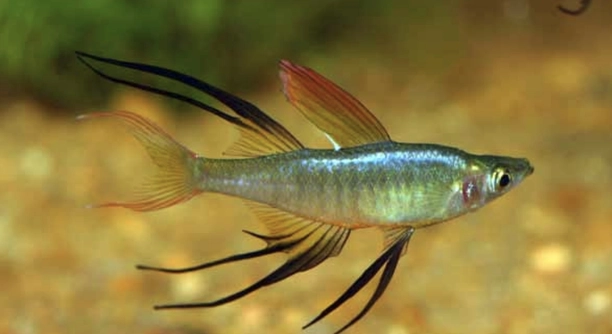
Threadfins are graceful fish often seen gliding through calm waters. They move quietly and seem to enjoy gentle spots near plants. Observing them can be calming, and many fishkeepers notice their peaceful resting habits in greenery.
Threadfins often rest among plant leaves for protection and comfort. This behavior provides shelter from predators, reduces stress, and supports natural resting patterns, ensuring the fish maintain optimal health and a stable environment in both natural and artificial habitats.
Learning about their leaf preferences can help enhance tank setups and improve the overall well-being of threadfins in home aquariums.
How Threadfins Use Plant Leaves for Resting
Threadfins often choose plant leaves as resting spots because the leaves give them a sense of safety. In aquariums, I noticed they linger under broad, floating leaves, moving very little during the day. The leaves provide shade, helping to reduce stress and keep them calm. In nature, these fish naturally gather around aquatic plants, where currents are gentler and predators are less likely to reach them. Watching them settle quietly under a leaf can feel soothing, and the fish seem to adjust quickly to new plants added to the tank. Some leaves are better than others; threadfins prefer sturdy leaves that support their small weight without moving too much in the water. I’ve tried soft, delicate leaves, but the fish often swim away from them. By providing the right leaves, threadfins can rest comfortably and regain energy while staying safe in their environment, which supports their long-term health and natural behavior.
Leaves act as natural hideouts, giving threadfins security and helping them rest peacefully during the day.
In addition to safety, resting under leaves offers other benefits. Leaves reduce light exposure, which can calm the fish and prevent stress-related health issues. They also create micro-currents in the water, giving threadfins gentle water movement that feels natural. Having leaves encourages resting behavior, which can improve growth and overall vitality. Some threadfins even interact with leaves, nudging them or hiding partially underneath. In aquariums, placing plants in varied positions allows fish to choose their preferred resting spot. Leaf selection matters; broad, strong leaves are ideal, while tiny or flimsy leaves don’t support the fish. Plants with roots or stems also provide extra areas for the fish to hover near or around, mimicking natural conditions. Regular maintenance of leaves keeps them clean, ensuring a safe environment. When the fish have reliable resting spots, they are calmer, more active when swimming, and more responsive during feeding times. Observing these behaviors shows just how important plant leaves are for threadfins.
Choosing the Right Plants for Threadfins
Not all plants suit threadfins’ resting habits. Some plants may be too soft or flimsy to support them properly.
Broad-leafed plants with sturdy stems are ideal for providing stability and shelter. Floating plants add shade and create quieter areas, while rooted plants give more options for movement. Avoid delicate or thin leaves that move excessively, as they may stress the fish. Placement is also important; arranging leaves at different heights lets threadfins choose where they feel safest. Rotating plants or adding new ones occasionally keeps the environment interesting and comfortable. By observing how threadfins interact with specific leaves, you can better understand their preferences and adjust the aquarium setup accordingly. Regular cleaning ensures leaves remain safe, preventing decay or algae buildup that could affect the fish. Proper plant choice and positioning directly influence resting behavior, stress levels, and overall health, making them essential for any threadfin habitat.
Timing and Patterns of Rest
Threadfins usually rest during the warmer parts of the day when activity slows down. They prefer calm water areas near plants and stay mostly still while maintaining awareness of their surroundings.
In my observation, threadfins have distinct resting patterns. They often settle under leaves mid-morning, remaining there for a few hours before moving to other parts of the tank. Some fish seem to favor certain leaves over others, returning to the same spots consistently. Their resting times can shift slightly with changes in light, feeding schedule, or water temperature. Providing multiple options ensures each fish finds a comfortable spot. Watching these patterns helped me adjust plant placement and tank layout to match their natural preferences. Threadfins resting under leaves often display subtle movements, flicking fins occasionally, indicating that while resting, they stay alert.
Resting behavior also relates to social interaction. Fish resting close together may feel safer, while solitary rest indicates personal preference. Leaf placement should allow both options, accommodating multiple fish with different habits.
Leaf Maintenance and Care
Keeping leaves clean is essential for threadfins’ health. Decaying leaves can release harmful substances into the water, affecting fish behavior and well-being.
Regular inspection and gentle cleaning of leaves prevent buildup of debris and algae. Removing damaged or decaying leaves ensures the fish have safe resting spots. In my experience, replacing some leaves periodically keeps the tank fresh and maintains a natural appearance. Floating leaves may need repositioning to prevent overcrowding, while rooted plants benefit from trimming to avoid obstructing swimming paths. Healthy leaves also enhance water quality by supporting beneficial bacteria growth, which stabilizes the environment. Threadfins interact more confidently with plants when the leaves are clean and sturdy, leading to more natural resting behavior. Proper leaf care encourages calmness, reduces stress, and supports overall health, making it an important part of aquarium management.
Leaf Positioning in the Aquarium
Threadfins respond well to leaves placed at different heights. Low leaves provide close-to-bottom shelter, while higher leaves give floating shade and resting options.
Leaves should not overcrowd the tank. Proper spacing allows free swimming and prevents territorial disputes among threadfins, helping them feel secure.
Light and Shade Effects
Shaded areas under leaves reduce stress and mimic natural conditions. Fish resting in dimmer zones often show calmer behavior. Maintaining varied light exposure helps threadfins adjust their activity levels naturally, balancing rest and swimming. Providing both bright and shaded areas encourages healthier routines.
Observation Tips for Leaf Use
Noticing where threadfins prefer to rest can guide leaf placement. Each fish may choose different spots depending on comfort and social dynamics.
Adjusting Plant Density
Dense plant arrangements create secure pockets, but too many leaves can restrict movement. Finding a balance ensures threadfins rest comfortably without limiting swimming space.
FAQ
Do threadfins prefer certain types of leaves over others?
Yes, threadfins tend to favor broad, sturdy leaves that provide enough support and shade. In my experience, delicate or thin leaves are often ignored because they move too much in the water or don’t feel stable. Floating plants also get attention since they offer overhead shelter, while rooted plants give options for hovering nearby. Observing your fish can help identify which leaves they truly prefer.
How often should leaves be cleaned or replaced?
Leaves should be checked weekly for debris, algae, or decay. Removing decaying leaves immediately prevents water contamination and maintains safe resting spots. I usually rinse or gently wipe healthy leaves during routine tank maintenance. Replacing some leaves periodically ensures freshness, keeps the environment stable, and encourages natural resting behavior.
Can too many leaves be harmful?
Yes, overcrowding the tank with leaves can limit swimming space and create stagnant areas. Threadfins need clear paths to move freely between resting spots. In my tank, I found that spacing leaves at different heights and distances prevents territorial disputes and keeps the fish calm while maintaining natural behavior.
Do threadfins rest more during certain times of the day?
Threadfins often rest during mid-morning to early afternoon when activity slows. Light intensity, feeding schedules, and water temperature can slightly shift their resting patterns. I noticed they return to favorite leaves repeatedly, showing that they prefer consistent, calm areas for daily rest.
Do all threadfins in a tank use leaves the same way?
Not always. Some fish like group resting under a single leaf, while others prefer solitary spots. Each fish develops personal preferences for height, leaf type, and position. Providing variety ensures all fish can find a comfortable resting spot suited to their habits.
Can resting under leaves improve threadfins’ health?
Yes, shaded resting spots reduce stress and promote calm behavior, which supports growth, immune function, and overall vitality. I observed that threadfins with reliable leaf cover swim more confidently, feed better, and show fewer signs of stress compared to fish in bare tanks.
Are floating and rooted plants equally effective?
Both have benefits. Floating leaves provide overhead shade and quiet zones, while rooted plants offer lower or mid-level resting areas. Threadfins use both depending on preference. I noticed rotating between floating and rooted plants keeps fish engaged and allows them to choose spots that match their comfort level.
What should I do if my fish ignore certain leaves?
This is normal. Some leaves may be too flimsy, too exposed, or placed in an area with too much light or current. Observing their behavior can guide adjustments in plant type or placement. I often move ignored leaves to new positions or replace them with sturdier options.
Do leaves affect social behavior among threadfins?
Yes, leaves can influence how fish interact. Dense clusters may encourage group resting, creating a sense of security, while open spaces allow solitary rest. I found that balancing leaf density helps reduce stress and allows both social and independent behavior.
Can artificial leaves work for resting purposes?
Artificial leaves can be effective if they are sturdy and wide enough to mimic natural plants. They are easier to clean and won’t decay. However, I prefer real plants because they add natural filtration benefits, improve water quality, and feel more authentic for the fish.
How can I tell if a leaf is safe for resting?
Safe leaves are firm, free from chemicals, and show no signs of rot. In my tank, I inspect new plants before introducing them. Avoid leaves that release discoloration or debris, as these can stress fish and reduce water quality.
Do threadfins use leaves for anything besides resting?
Yes, leaves can provide temporary hiding spots, exploration areas, and even play zones. I noticed fish sometimes hover around leaves, nudge them, or dart between them, using them for more than just rest while staying protected.
Can tank size influence leaf preference?
Absolutely. In smaller tanks, fewer leaves are needed, but spacing is crucial to avoid crowding. Larger tanks allow for multiple leaf types and heights, giving threadfins more choices. I found that adjusting leaf number and position according to tank size helps all fish rest comfortably.
Do water conditions affect how threadfins use leaves?
Yes, clean, stable water encourages natural resting behavior. Sudden changes in temperature, pH, or clarity can make fish hesitant to rest. I maintain regular water checks and observe resting patterns to ensure leaves remain attractive and safe for use.
How many leaves are ideal for a typical tank?
It depends on tank size and fish number. I generally provide enough leaves so each fish can choose a preferred spot without crowding. Multiple layers—floating and rooted—work best, creating options for both group and solitary resting while supporting natural behavior.
Can leaves reduce aggressive behavior in threadfins?
Yes, providing adequate resting spots and shaded areas can reduce stress-related aggression. Fish with personal spaces are less likely to compete for hiding areas. In my experience, balanced plant placement minimizes disputes and keeps the tank environment calm.
Are there seasonal changes in leaf use?
In natural settings, light and temperature fluctuations can change resting patterns. In aquariums, subtle seasonal adjustments in light intensity may influence which leaves are preferred. I adjust floating plants or reposition leaves slightly to accommodate these natural shifts and maintain comfort.
Do juvenile and adult threadfins use leaves differently?
Yes, juveniles often prefer smaller leaves or lower areas, while adults may choose larger leaves with more support. I noticed younger fish are more cautious and stick closer to dense plant areas, whereas adults explore higher or more open leaves.
How long do threadfins typically rest under a leaf?
Rest periods vary but often last one to three hours depending on light, water conditions, and activity levels. I observed repeated short rests throughout the day rather than one long nap, reflecting natural behavior and energy management.
Are there specific plant species that are best for threadfins?
Broad-leafed plants like Java fern or Anubias work well, along with floating plants such as duckweed for shade. In my tank, these species provide stability, shelter, and gentle currents that make resting more comfortable. Varying species gives fish multiple options to meet personal preferences.
Does leaf texture matter to threadfins?
Yes, firm and smooth textures are preferred. Rough or thin leaves may feel unstable or uncomfortable. I found that threadfins consistently choose the sturdiest leaves when given multiple options, showing that texture influences resting behavior significantly.
Can leaves affect feeding behavior?
Indirectly. Calm fish resting under safe leaves are more confident during feeding. I noticed that fish with reliable resting spots feed more actively and display healthier growth, demonstrating that proper resting areas support overall tank dynamics.
What is the best way to arrange leaves in a community tank?
Provide layers of leaves at different heights and densities, spacing them for free swimming paths. I often alternate floating and rooted plants, ensuring some areas are shaded for rest and others open for activity. This arrangement accommodates social and solitary preferences simultaneously.
Can leaves prevent stress in newly introduced threadfins?
Yes, new fish often hide under leaves to feel secure. In my experience, providing plenty of leaf cover during acclimation helps reduce stress, allowing fish to settle quickly and explore their surroundings confidently.
Do leaves need to be replaced often in heavily stocked tanks?
Yes, heavily stocked tanks may see faster wear and debris buildup on leaves. I replace or clean leaves more frequently to maintain safe resting spots, prevent water quality issues, and encourage healthy, natural behavior among all fish.
How do I monitor if threadfins are using leaves properly?
Observing resting spots, movement patterns, and stress signs helps determine if leaves meet their needs. I watch for repeated visits, calm resting, and reduced hiding elsewhere as indicators that the leaf setup is effective.
Can leaf arrangement influence breeding behavior?
Potentially. Leaves create sheltered areas that may encourage mating and egg-laying behavior. I noticed threadfins explore dense plant clusters when interacting socially, suggesting leaves can play a subtle role in reproductive activity while providing a sense of security.
Are there any risks with artificial plants as resting spots?
Artificial plants are generally safe if sturdy, but poor-quality materials can leach chemicals or have sharp edges. I only use smooth, non-toxic artificial leaves and inspect them regularly, ensuring fish can rest safely without injury.
Do threadfins ever avoid leaves entirely?
Some may prefer open areas if leaves feel unstable or crowded. In my tank, minor adjustments in leaf placement often encourage reluctant fish to use them. Personal observation is key to ensuring all fish benefit from available resting spots.
Can overgrown plants disrupt resting behavior?
Yes, excessive growth can block swimming paths and create stagnant water zones. I trim plants regularly to maintain balance between shelter and open space, ensuring threadfins rest comfortably while moving freely throughout the tank.
Do water currents affect how threadfins use leaves?
Strong currents may discourage resting under leaves. Threadfins prefer calm spots where leaves provide protection without excessive movement. Adjusting flow near resting areas helps maintain natural behavior and reduces stress.
Is leaf color important to threadfins?
Subtle differences may influence visibility and perceived safety. Darker leaves often feel more secure, while very bright leaves may be less attractive. I noticed that threadfins consistently choose darker, shaded leaves for resting.
Can leaves reduce disease risk?
Indirectly, yes. Healthy leaves create shaded, calm zones that reduce stress and support immunity. Clean leaves prevent bacteria buildup, which helps maintain overall tank health. Regular maintenance ensures leaves contribute positively rather than causing water quality issues.
Do leaves need to mimic natural environments exactly?
Not exactly, but resembling natural conditions improves comfort. Threadfins respond better to broad, sturdy leaves with gentle currents nearby. I focus on stability and shade rather than precise replication, which seems sufficient for natural resting behavior.
How do I balance leaf coverage and open swimming space?
Distribute leaves strategically, combining clusters with clear swimming paths. In my experience, this allows fish to rest safely while keeping activity areas open, supporting natural behavior, social interaction, and tank dynamics.
What signs indicate threadfins are stressed despite leaf availability?
Hiding excessively outside leaves, erratic swimming, or reduced appetite can indicate stress. I check water conditions, leaf placement, and tank layout to identify possible causes and make adjustments to ensure comfort.
Do leaf positions need seasonal adjustment?
Slight adjustments in light and placement may help match seasonal patterns. I shift floating leaves or trim growth to maintain optimal resting spots, keeping fish comfortable throughout the year.
How important is variety in leaf size and height?
Variety allows threadfins to choose preferred spots, catering to social and solitary behaviors. I place small, medium, and large leaves at different heights, ensuring each fish can find a resting area that meets its comfort needs.
Can improper leaf care cause aggression?
Yes, damaged or overcrowded leaves may lead to competition. I maintain healthy, spaced leaves to minimize disputes, keeping the tank peaceful and ensuring fish can rest without stress.
Do threadfins use leaves differently in tanks with other species?
Yes, interactions with other fish can change resting patterns. I noticed threadfins may choose more concealed leaves when other active species are present, indicating that leaf placement should consider tank mates’ behavior.
How long can a leaf remain in the tank safely?
Healthy leaves can last weeks to months, depending on species and conditions. I monitor for decay, algae, or damage and replace leaves as needed to maintain safe, comfortable resting spots.
Do leaves affect overall tank aesthetics while supporting fish behavior?
Yes, natural-looking leaves improve both visual appeal and fish comfort. I prefer varied leaf types, which enhance the tank’s look while providing safe resting areas that encourage calm, natural behavior.
Can leaves help during tank cleaning or maintenance?
Providing safe resting spots during partial water changes keeps threadfins calm. I move or adjust leaves temporarily to protect fish while maintaining access to clean water areas.
How do leaves impact energy conservation in threadfins?
Resting under leaves reduces unnecessary movement, allowing fish to conserve energy for feeding, growth, and activity. I observed that fish with secure resting spots display more vitality during swimming periods.
Are there long-term benefits of consistent leaf availability?
Yes, steady access to safe leaves supports stress reduction, natural behavior, social balance, and overall health. In my experience, threadfins with reliable resting spots show improved well-being and longer-term comfort in the aquarium.
Do leaves influence fish mood or activity level?
Indirectly, yes. Fish resting comfortably under leaves appear calmer, more confident, and engage more positively during feeding or exploration. Observing these behaviors confirms that proper leaf use supports emotional and physical well-being.
Can leaves affect feeding order or hierarchy?
Yes, leaves provide safe zones for subordinate fish, reducing stress during feeding. In my tank, shy fish often rest under leaves until confident enough to join active feeding areas, demonstrating that leaves indirectly support fair feeding dynamics.
Are there signs that leaves are not suitable for resting?
Leaves that move excessively, decay, or are too small can discourage use. I replace or reposition such leaves to ensure threadfins have stable, comfortable resting spots, promoting calm behavior and overall tank health.
Do leaves interact with other tank elements to affect resting?
Yes, rocks, driftwood, and decorations combined with leaves create layered resting areas. I arrange these elements thoughtfully to complement leaves, providing varied options that meet both shelter and movement needs.
How can I track resting patterns over time?
Regular observation during different times of day helps note preferred leaves, durations, and social behavior. I keep mental or written notes to adjust plant placement and maintain consistent, comfortable resting areas.
Can leaves help with acclimating new threadfins?
Yes, leaves offer immediate shelter, reducing stress and encouraging exploration at their own pace. I ensure new fish have multiple leaf options to settle quickly and feel secure in the tank.
Do environmental changes affect leaf use?
Yes, changes in water temperature, light, or current may alter resting spots. I monitor fish reactions and adjust leaf placement accordingly to maintain calm, safe areas.
Are there any behavioral cues that indicate leaf preference?
Frequent visits, repeated hovering, and calm resting show preferred leaves. In my observations, fish often return to the same spots, confirming comfort and suitability of the chosen leaves.
Do leaves support both resting and exploration simultaneously?
Yes, leaves create shaded zones for rest while leaving open areas for swimming and play. I design tank layouts with this balance in mind, encouraging natural behavior without restricting movement.
Can leaves help in multi-species tanks beyond threadfins?
Yes, other peaceful species may also benefit from shaded resting spots. Proper leaf placement ensures all fish have comfortable areas without overcrowding or conflict, promoting harmony throughout the tank.
Are there seasonal or light-related adjustments to leaf care?
Adjusting light exposure and trimming overgrown leaves seasonally maintains optimal resting areas. I monitor leaf growth and tank lighting to support natural fish behavior year-round.
Do leaves influence overall tank microclimate?
Yes, dense leaves create slight temperature and flow variations, offering calmer areas. I noticed that fish resting under leaves experience gentler currents and reduced direct light, which improves comfort and reduces stress.
Can leaves help prevent disease spread?
Indirectly, yes. Healthy leaves reduce stress and provide stable resting zones, supporting immune function. I maintain clean leaves to prevent algae or bacteria buildup that could compromise fish health.
How do I ensure leaves remain attractive over time?
Regular trimming, cleaning, and replacement of damaged leaves keeps them inviting. I observe fish behavior to confirm continued use, adjusting placement as needed to maintain preferred resting areas.
Do leaves play a role in breeding behavior?
Yes, sheltered leaf zones may encourage mating or egg-laying. I noticed fish explore clusters for privacy and security during reproductive activity, highlighting leaves’ subtle influence on natural behaviors.
Are certain leaf orientations better than others?
Horizontal leaves provide broad shade, while angled leaves may offer partial coverage. I experiment with both orientations to give threadfins options, observing which positions they favor for comfort and rest.
Do fish modify leaves during resting?
Occasionally, threadfins nudge or reposition leaves. I find that minor adjustments indicate interaction and selection, showing they actively engage with their environment rather than passively resting.
Can leaves impact nocturnal behavior?
Yes, shaded areas under leaves may encourage calmer night activity. I noticed fish resting in dim zones sleep more peacefully, reducing stress and conserving energy.
How do water flow and filtration affect leaf use?
Strong currents near leaves can discourage resting. I position filters to create gentle flow around preferred areas, ensuring leaves provide stable, comfortable zones without excessive movement.
Can multiple layers of leaves be beneficial?
Yes, layering floating and rooted plants creates vertical resting zones. I noticed fish select preferred heights, allowing both social and solitary behavior without overcrowding.
Do leaves interact with temperature zones in the tank?
Yes, shaded areas under leaves can be slightly cooler, creating comfortable microzones. I use this knowledge to place leaves in areas where fish naturally seek moderate temperatures.
Can leaves influence energy expenditure?
Resting under leaves reduces unnecessary swimming and stress. I observed fish conserving energy, which improves feeding efficiency, growth, and general activity during active periods.
Do leaf shapes matter for safety?
Yes, broad and smooth shapes provide secure resting platforms. I avoid sharp or jagged leaves that may injure fish, focusing on those that allow stable, comfortable resting.
Can leaves reduce stress during handling or water changes?
Yes, leaves provide hiding spots that calm fish during partial water changes. I temporarily adjust leaves to maintain security while completing maintenance tasks.
Are there behavioral signs that leaves are insufficient?
Frequent hiding in corners, erratic swimming, or avoidance of resting spots indicate a need for better leaf placement or additional options. I adjust plants accordingly to restore comfort.
Do leaf materials affect fish interaction?
Natural leaves are generally preferred, but smooth, sturdy artificial leaves can work. I avoid materials that release chemicals or have rough surfaces to ensure safe, consistent resting areas.
Can leaves support both adult and juvenile fish simultaneously?
Yes, layered placement allows juveniles to rest lower while adults use larger leaves above. I found this arrangement minimizes conflict and supports natural behaviors across age groups.
Are there signs of overuse of a single leaf?
Excessive crowding, small abrasions, or stressed fish suggest a leaf is overused. I add additional leaves or redistribute plants to reduce competition and ensure safe resting for all.
Can leaf positioning affect feeding routines?
Yes, safe resting areas let shy fish approach food confidently. I noticed that fish with secure leaf zones feed more actively and show improved overall growth.
Do leaves affect long-term tank stability?
Indirectly, yes. Healthy leaves reduce stress, support calm behavior, and encourage natural routines. I maintain regular care to ensure leaves contribute to long-term tank
Final Thoughts
Threadfins are peaceful fish that benefit greatly from having plants in their environment. Observing them rest under leaves shows how important shelter and shade are for their comfort. In aquariums, providing broad, sturdy leaves gives them safe areas to relax, reducing stress and encouraging natural behaviors. These resting spots allow threadfins to conserve energy, stay calm, and maintain their health. Leaves serve multiple purposes, from hiding and resting to creating gentle water currents and shaded zones that mimic natural conditions. I have noticed that when leaves are properly maintained and positioned, threadfins appear more confident, swim more freely, and show better overall activity during feeding and exploration periods.
Maintaining clean and healthy leaves is equally important. Decaying or damaged leaves can release harmful substances into the water and discourage fish from resting. In my experience, routine cleaning and occasional replacement keep the environment safe and appealing. Both floating and rooted plants play unique roles: floating leaves offer overhead shade, while rooted plants provide lower resting areas. Having a variety of leaf types and heights gives threadfins options, supporting both solitary and social resting habits. Careful observation helps determine which leaves are preferred, and adjusting plant placement over time can improve the fish’s comfort. Proper leaf care also benefits water quality, reduces algae growth, and supports the overall ecosystem in the tank.
Finally, understanding how threadfins use plant leaves can guide better aquarium design and fish care. Leaves are not just decorative; they are functional, providing shelter, calm, and security. By offering the right types of plants in suitable positions, fishkeepers can encourage natural resting behavior, reduce stress, and enhance long-term well-being. Observing these small behaviors, such as which leaves are favored or how the fish interact with plants, provides valuable insight into their needs. Over time, maintaining healthy leaves and arranging them thoughtfully creates a stable, comfortable environment where threadfins can thrive. Consistent attention to leaf care, spacing, and variety ensures that threadfins have reliable resting spots, promoting their health and making the aquarium more natural and engaging for both the fish and the observer.

Hello,
If you enjoy the content that we create, please consider saying a "Thank You!" by leaving a tip.
Every little bit helps us continue crafting quality advice that supports the health, happiness, and well-being of pets around the world, for pets of all shapes, sizes, and species.
We really appreciate the kindness and support that you show us!