
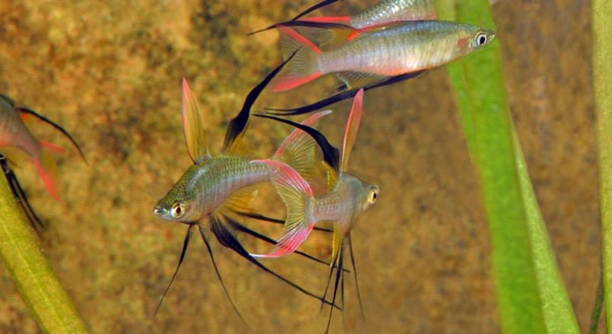
Keeping a threadfin rainbowfish display healthy takes more than just adding water and fish. Many hobbyists overlook subtle details, and these small mistakes can quickly disrupt the balance and beauty of the tank environment.
Poor water quality, incorrect tank setup, overcrowding, incompatible tank mates, inadequate lighting, insufficient hiding spots, and improper diet are the primary factors that ruin a threadfin rainbowfish display. Addressing each element ensures a stable, visually appealing aquarium.
Learning how each factor affects your fish can prevent common mistakes and maintain a thriving, colorful display for years to come.
Poor Water Quality
Keeping water clean is essential for threadfin rainbowfish. I’ve noticed that even small amounts of waste or leftover food can make water cloudy and stressful for the fish. Frequent water changes and proper filtration help maintain the right chemical balance. Testing for ammonia, nitrites, and nitrates regularly ensures levels stay safe. A sudden spike in any of these compounds can lead to illness or death. Temperature and pH also matter. These fish thrive in slightly acidic to neutral water, and fluctuations can shock them. Using a water conditioner to remove chlorine and chloramine is important. It took me a while to understand how quickly water quality could change if the tank is overcrowded or if feeding is inconsistent. A clean, stable environment helps the fish show their natural colors and behave normally.
Maintaining water quality involves regular testing, partial water changes, and avoiding overfeeding. Consistent care ensures threadfin rainbowfish remain healthy and visually vibrant.
Observing your fish daily helps catch water quality issues early. Cloudy water, unusual swimming patterns, or fading colors can indicate problems. Setting a schedule for testing and maintenance keeps the tank stable. Using live plants can improve oxygen levels and help absorb nitrates. Filters should be cleaned carefully to avoid disturbing beneficial bacteria. Even the type of substrate affects water chemistry. Sand or fine gravel reduces debris accumulation, while rough gravel traps waste. Proper aeration is also helpful, especially in smaller tanks where oxygen levels can fluctuate quickly. Over time, these small adjustments create a peaceful, thriving environment where your rainbowfish can grow and display their natural elegance.
Overcrowding
Overcrowding stresses threadfin rainbowfish, causing color loss and aggression. Too many fish in a small tank disrupts swimming space and water stability.
Keeping the correct number of fish per gallon maintains balance. This allows for healthy social behavior and reduces disease risk.
I learned that spacing matters more than I expected. Threadfin rainbowfish are active swimmers, so each fish needs enough room to glide and interact naturally. Overcrowding can also increase waste, which complicates water maintenance. Even if the fish seem fine at first, stress accumulates silently. Providing at least a 20-gallon tank for a small group gives them space to move freely. Adding vertical and horizontal swimming zones with plants and open areas encourages healthy activity. Observing behavior is key; when fish dart frantically or hide excessively, it’s a sign the tank is too crowded. By reducing numbers or upgrading the tank size, the fish regain calm, vibrant colors, and natural patterns. Proper stocking ensures a visually balanced, healthy display that feels lively without chaos.
Incompatible Tank Mates
Threadfin rainbowfish do best with peaceful, similar-sized fish. Aggressive or very active species can stress them and damage their fins.
I once added a fast-moving cichlid to my tank, and the rainbowfish started hiding constantly. Their colors dulled, and feeding became a challenge. Keeping them with calm schooling fish restored balance. Choosing compatible species prevents chasing, fin nipping, and stress-related illnesses. Planning tank mates carefully ensures a harmonious environment where all fish can swim freely, feed properly, and display natural behavior without constant threats or anxiety.
Over time, I noticed how tank harmony affects growth and coloration. Threadfin rainbowfish need both safety and enough space to school naturally. Adding shy or slow-moving fish can also create problems, as rainbowfish may dominate food or territory. Monitoring interactions and adjusting tank composition is essential. Sometimes rearranging plants or décor reduces conflicts, giving all fish their own zones. Observing daily behavior helps catch early signs of stress, letting me make changes before serious health issues appear. A compatible community allows rainbowfish to thrive and show full vibrancy.
Improper Diet
A varied diet is key for health and coloration. Feeding only flakes or pellets limits nutrients and dulls colors.
I found that supplementing with live or frozen foods improved my fish’s energy and appearance. Small insects, brine shrimp, and daphnia provide essential proteins and fats, encouraging natural behavior.
Feeding frequency also matters. Overfeeding creates excess waste, harming water quality, while underfeeding weakens fish. Offering small portions two to three times daily maintains health and reduces water contamination. Rotating between prepared foods and occasional treats keeps meals balanced. Some vegetables like blanched spinach or peas can add fiber, helping digestion. Observing feeding behavior reveals preferences and helps adjust portions. Proper nutrition supports immune function, reduces disease risk, and promotes vibrant scales. When I incorporated a balanced diet consistently, the rainbowfish became more active and colorful. Regular attention to diet ensures long-term vitality and a visually appealing display.
Inadequate Hiding Spots
Threadfin rainbowfish need places to retreat. Without hiding spots, they become stressed and skittish.
Adding plants, rocks, or driftwood gives them security. I noticed my fish swam more confidently once these areas were available. They rested and fed without constant anxiety, making the tank feel calmer and more natural.
Incorrect Lighting
Lighting affects both behavior and coloration. Too bright or too dim light can stress fish.
I experimented with LED lights on a timer to mimic natural day and night cycles. This balance encouraged activity during the day and rest at night, helping their colors appear richer. Consistent lighting also supports plant growth, which indirectly benefits fish.
Temperature Fluctuations
Threadfin rainbowfish are sensitive to sudden temperature changes. A stable environment prevents stress and disease.
Using a reliable heater and monitoring daily ensures water stays within the ideal 74–78°F range. Even small drops at night can make the fish lethargic or prone to illness.
How often should I change the water in my threadfin rainbowfish tank?
Changing water regularly is crucial for maintaining healthy fish. I usually do a 20–30% water change every week. This removes excess waste, uneaten food, and harmful chemicals. Skipping changes makes water cloudy, stresses the fish, and can lead to illness. Partial changes are better than full replacements, which can shock the fish. Using a siphon helps remove debris from the substrate. I also always treat tap water with a conditioner to remove chlorine and chloramine. Observing the water and fish helps determine if more frequent changes are needed, especially in smaller tanks or heavily stocked setups.
What is the best diet for threadfin rainbowfish?
Threadfin rainbowfish thrive on a varied diet. I feed a mix of high-quality flakes or pellets with frozen or live foods like brine shrimp, daphnia, and small insects. This variety ensures proper protein, fat, and essential nutrients. Occasionally, I add blanched vegetables like spinach or peas for fiber. Feeding small portions two to three times a day prevents overfeeding, which can foul the water. Watching how the fish respond shows which foods they prefer and helps adjust feeding. A balanced diet keeps them active, colorful, and resistant to disease, and it encourages natural schooling and foraging behavior.
Which tank mates are suitable for threadfin rainbowfish?
Peaceful, similarly sized fish are ideal. I avoid aggressive or fast-moving species, as they stress the rainbowfish. Other rainbowfish species, danios, and small tetras work well. Avoid large cichlids or fin-nipping fish. Observing interactions is important; even calm species can sometimes dominate feeding or territory. Creating a mixed community with careful spacing reduces stress and aggression. Adding plants and décor creates separate zones, giving each species space to feel secure. Compatibility ensures that the rainbowfish maintain vibrant colors and natural behavior without hiding constantly or becoming timid.
How many threadfin rainbowfish should I keep in one tank?
Threadfin rainbowfish are active schooling fish, so a group of at least six is ideal. I’ve noticed smaller numbers make them shy and less colorful. Overcrowding is harmful, leading to stress, water quality problems, and disease. Each fish needs enough swimming space. A minimum 20-gallon tank works for a small group, but larger tanks are better for bigger groups. Providing open swimming areas along with hiding spots reduces tension. Watching fish behavior helps determine if the tank is properly stocked. Proper group size encourages schooling, natural movement, and vibrant coloration.
How can I prevent stress in my rainbowfish?
Stress is caused by poor water quality, incompatible tank mates, or sudden changes. I maintain stable water parameters, avoid overcrowding, and keep lighting consistent. Hiding spots and plants help fish feel safe. Observing behavior daily, such as erratic swimming or loss of color, allows early intervention. Avoid tapping the glass or sudden loud noises. Feeding a balanced diet and keeping a routine helps fish feel secure. Stable conditions over time reduce susceptibility to disease and allow natural coloration to thrive.
What is the ideal water temperature and pH for threadfin rainbowfish?
The optimal temperature is 74–78°F, and the pH should be slightly acidic to neutral, around 6.5–7.5. I use a reliable heater and thermometer to monitor daily. Fluctuations can make fish lethargic, stressed, or prone to illness. Gradual adjustments are safer than sudden changes. Stable temperature supports immune function and natural behavior. Keeping pH consistent also prevents stress and promotes healthy breeding in some cases. Observing fish daily helps confirm they are comfortable; swimming freely, feeding well, and showing vibrant colors indicate stable conditions.
How do I maintain proper lighting for my tank?
Consistent, moderate lighting is best. I use LED lights on a timer to mimic a natural day-night cycle. Too bright lighting can stress fish, while too dim can dull their colors and limit plant growth. A regular schedule encourages activity during the day and rest at night. Plants benefit from consistent light, improving oxygen and water quality. Adjusting brightness and duration gradually prevents sudden changes that upset fish. Observing behavior helps determine if lighting is appropriate. Proper lighting enhances coloration and overall tank harmony.
What should I do if my fish start hiding constantly?
Frequent hiding usually indicates stress. I check water quality, tank mates, and environment. Sometimes rearranging plants or adding extra cover helps fish feel secure. Temperature and pH stability is also important. Overcrowding is another common cause, so reducing numbers or providing more space is necessary. I always observe feeding; if hiding fish are missing meals, adjustments are needed quickly. Stress reduction restores natural swimming, schooling, and vibrant coloration.
How do I prevent disease in my rainbowfish?
Healthy fish in stable conditions rarely get sick. I quarantine new fish before adding them to the main tank. Maintaining clean water, a balanced diet, and appropriate tank mates reduces risk. Observation helps detect early signs like fin rot, clamped fins, or unusual swimming. Quick intervention with proper treatment prevents spread. Avoiding sudden changes in temperature, pH, or lighting reduces susceptibility. A calm, balanced tank environment supports immunity, coloration, and long-term health.
How can I encourage my rainbowfish to display full colors?
Vibrant colors come from good nutrition, low stress, and proper water quality. I feed a mix of protein-rich foods and occasional vegetables, maintain clean water, and provide space and hiding spots. A stable environment allows natural behavior and schooling, enhancing appearance. Consistent care over time brings out bright fins and body colors. Stress-free, well-fed fish naturally show their best colors, reflecting both health and a well-maintained tank.
Caring for a threadfin rainbowfish display requires attention to several important details. Maintaining water quality is the foundation of a healthy tank. Clean water reduces stress, prevents disease, and allows fish to show their natural colors. Regular testing for ammonia, nitrites, and nitrates, along with partial water changes, keeps the tank stable. Using a reliable filter and treating tap water with a conditioner are small steps that make a big difference. Temperature and pH stability are equally important. Threadfin rainbowfish thrive in slightly acidic to neutral water and a temperature range of 74–78°F. Sudden changes in these conditions can shock the fish, affect their immune system, and make them more vulnerable to illness. Observing the tank daily helps identify early signs of problems before they become serious.
Equally important is tank setup and stocking. Threadfin rainbowfish are active schooling fish and need enough space to swim freely. Overcrowding leads to stress, dull colors, and aggressive behavior. Providing hiding spots with plants, driftwood, or rocks gives fish security and encourages natural behavior. Selecting compatible tank mates is essential to maintain a peaceful environment. Aggressive or fast-moving species can chase and stress the rainbowfish, while calm, similarly sized fish allow them to move comfortably and feed without anxiety. Paying attention to tank layout and community balance not only improves the well-being of the rainbowfish but also enhances the overall visual appeal of the display. The fish look livelier and behave naturally when their environment is thoughtfully arranged.
Nutrition and care routines also play a major role. A varied diet of high-quality flakes or pellets combined with live or frozen foods provides essential nutrients for growth and vibrant coloration. Overfeeding can pollute the water, while underfeeding weakens fish and slows color development. Establishing a consistent feeding schedule keeps the fish healthy and reduces stress. Lighting should be moderate and consistent to support both fish behavior and plant growth. Observing how the rainbowfish interact, feed, and swim helps determine if adjustments are needed. By carefully monitoring these factors—water quality, tank setup, compatible mates, nutrition, and lighting—your threadfin rainbowfish display can remain balanced, healthy, and visually striking over the long term. A well-maintained tank allows the fish to thrive, creating a calm and colorful environment that is rewarding to care for.

Hello,
If you enjoy the content that we create, please consider saying a "Thank You!" by leaving a tip.
Every little bit helps us continue crafting quality advice that supports the health, happiness, and well-being of pets around the world, for pets of all shapes, sizes, and species.
We really appreciate the kindness and support that you show us!