
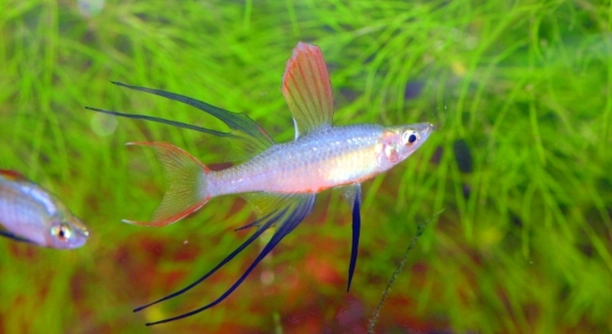
Do you keep threadfins in your aquarium and notice small changes in their daily habits? Observing their behavior closely can help spot early signs of health problems before they become serious concerns.
Threadfins often display subtle behavioral changes before illness, including decreased swimming activity, reduced appetite, erratic movements, clamped fins, unusual hiding, rapid gill movements, and surface gasping. Recognizing these behaviors early allows timely intervention and treatment.
Noticing these behaviors can make a big difference in your threadfins’ well-being. Paying attention to small signals ensures they stay healthy and active in your care.
Decreased Swimming Activity
When threadfins start swimming less than usual, it can be an early sign of illness. Normally, these fish are active and move gracefully across the tank. A sudden drop in activity may indicate stress, infection, or internal problems. You might notice them staying near the bottom, hovering in one spot, or avoiding interaction with tank mates. In some cases, they may only move when food is offered. Tracking their daily movement helps identify small changes before they escalate into serious health issues. Environmental factors such as water temperature, pH levels, and tank cleanliness also affect their activity. Ensuring stable conditions can reduce stress and prevent health complications. If decreased swimming persists despite proper tank care, it’s important to consult a veterinarian or fish specialist for advice. Early detection often leads to faster recovery and less risk of spreading illness to other fish. Observing these subtle cues makes a big difference in care.
Reduced swimming can signal illness, stress, or poor water conditions. Prompt observation and intervention improve fish health and prevent complications.
Slower movement in threadfins might also reflect fatigue or mild discomfort. Consistent monitoring and clean, stable water conditions help keep activity levels normal. Identifying changes early allows timely treatment and maintains overall tank balance.
Reduced Appetite
Threadfins losing interest in food is often a noticeable behavior before illness fully develops. Skipping meals or only nibbling at their usual food signals possible internal issues or stress. Appetite changes can be subtle at first, but over days, they may refuse feeding entirely. This reduction can stem from water quality problems, internal parasites, bacterial infections, or even overcrowding in the tank. Observing their reaction during feeding times gives insight into their condition. Offering varied food types can help determine if the problem is food-related or health-related.
When threadfins eat less, it’s important to act quickly to prevent weight loss or further health decline.
Tracking feeding habits allows for early detection of problems. Providing nutrient-rich foods, maintaining clean water, and minimizing stressors can encourage eating. If appetite does not return, diagnostic testing or veterinary advice may be necessary. By staying attentive, you can catch potential illnesses before they become severe, improving the chances of recovery and long-term health. Maintaining a detailed log of feeding behaviors and water parameters can help pinpoint patterns that contribute to appetite loss. Even small changes, like hesitating before eating or rejecting preferred food, are worth noting. These observations help guide treatment decisions and tank management adjustments. Over time, careful monitoring ensures threadfins remain strong, active, and healthy.
Erratic Movements
Erratic swimming, such as darting suddenly or spinning in circles, often signals stress or illness. These unusual movements can indicate gill problems, parasites, or neurological issues. Observing these behaviors early allows intervention before the condition worsens.
Sudden jerky movements, uncoordinated turns, or bumping into tank objects are signs threadfins may be unwell. This behavior can result from infections, parasites, or poor water conditions that irritate their sensory systems. Continuous observation helps differentiate between temporary reactions to the environment and genuine health concerns. Tank conditions like high ammonia, low oxygen, or improper temperature fluctuations can worsen erratic movement. Maintaining a stable and clean environment, combined with careful attention to behavior, is essential for spotting issues early. Promptly addressing erratic movements can prevent more severe complications.
Erratic behavior may also appear when threadfins compete for food or space. While some occasional quick movement is normal, persistent unusual patterns suggest a deeper problem. Providing proper nutrition, adequate hiding spaces, and stable water parameters reduces stress. Recording unusual behaviors daily can reveal trends that point to developing illness. Corrective measures like water changes, adjusting temperature, or isolating affected fish often restore normal swimming patterns. Observing and responding quickly increases chances of full recovery and keeps tank dynamics stable.
Clamped Fins
Clamped fins, where threadfins hold their fins close to their bodies, often indicate discomfort or illness. This behavior is frequently associated with stress, poor water quality, or internal infection.
Fins held tight against the body reduce mobility and may signal pain or weakness. Clamped fins are often accompanied by other signs such as lethargy, reduced appetite, or rapid gill movement. Environmental stressors like sudden temperature changes, high ammonia, or overcrowding can trigger this behavior. Monitoring tank conditions and maintaining stable parameters helps prevent and address fin clamping. Observing the fish during feeding or movement provides insight into their health. Persistent fin clamping warrants further attention.
Addressing clamped fins involves improving water quality and reducing stressors. Isolating the fish in a clean tank with stable conditions often aids recovery. Nutritional support and careful observation of other symptoms help identify the underlying issue. Prompt action can prevent secondary infections or worsening conditions. Daily monitoring and proper tank maintenance make it easier to detect early signs of illness, ensuring threadfins regain normal fin posture and movement. Paying attention to clamped fins is crucial for their long-term health and comfort in the aquarium.
Unusual Hiding
Threadfins hiding more than usual can indicate illness or stress. Normally active and visible, they may suddenly retreat to corners, behind decorations, or under plants. Increased hiding often signals discomfort, low energy, or a weakened immune system.
Frequent hiding may also result from changes in water quality or sudden disturbances. Observing their patterns helps determine if this is temporary or a sign of developing illness.
Rapid Gill Movements
Rapid gill movements often indicate oxygen stress, gill damage, or internal infection in threadfins. Healthy fish breathe steadily, but increased rate can signal difficulty extracting oxygen or irritation in the gills. Monitoring tank oxygen levels and water quality is crucial when these movements appear.
Surface Gasping
Surface gasping is a serious sign that threadfins struggle to get enough oxygen. Fish may linger at the water surface, opening their mouths frequently. Immediate attention to water quality and aeration is essential to prevent worsening health.
What are the first signs that a threadfin is getting sick?
The first signs are often subtle, including decreased swimming, reduced appetite, clamped fins, and unusual hiding. Small changes in behavior can signal stress or illness before visible symptoms appear. Observing daily habits helps detect problems early, especially when combined with consistent water monitoring.
How can I tell if reduced swimming is serious?
Reduced swimming becomes concerning when it persists for more than a day or two, especially if accompanied by lethargy, erratic movement, or loss of appetite. Sudden drops in activity often reflect internal issues or environmental stress, requiring attention to prevent worsening conditions.
Why are my threadfins hiding more than usual?
Increased hiding usually indicates stress, discomfort, or illness. Threadfins are naturally active, so when they retreat frequently, it may reflect poor water conditions, overcrowding, or early-stage disease. Monitoring tank parameters and observing other behaviors helps pinpoint the cause.
What causes clamped fins in threadfins?
Clamped fins are a reaction to stress, poor water quality, or internal infection. Fish hold their fins close to their bodies when uncomfortable or weak. Persistent clamping, especially alongside other symptoms, indicates the need for water quality checks and possibly medical intervention.
How do rapid gill movements affect threadfins?
Rapid gill movements signal difficulty breathing or oxygen stress. Low dissolved oxygen, high ammonia, or gill irritation can cause this. Ensuring proper aeration, clean water, and stable tank conditions helps reduce strain and supports recovery.
Is surface gasping always a sign of disease?
Surface gasping usually indicates insufficient oxygen or severe gill stress. While it can be triggered by temporary oxygen drops, persistent gasping points to underlying illness or poor tank conditions. Immediate action is required to restore oxygen levels and check for infection.
Can poor water quality trigger these behaviors?
Yes, most odd behaviors stem from environmental stressors. High ammonia, nitrites, temperature swings, or overcrowding can lead to lethargy, hiding, clamped fins, and erratic swimming. Maintaining stable water conditions is key to preventing illness and promoting normal behavior.
How can I help my threadfins recover from early illness?
Early recovery depends on prompt action. Improve water quality, reduce stress, and isolate affected fish if needed. Offering high-quality, nutrient-rich food supports immune function. Monitoring daily behaviors and adjusting tank conditions ensures faster recovery and minimizes risk to other fish.
When should I consult a veterinarian?
Consult a fish veterinarian if abnormal behaviors persist despite improved conditions. Severe lethargy, ongoing clamped fins, rapid gill movements, or loss of appetite require professional assessment. Early medical intervention can prevent complications and increase the chances of full recovery.
Are there preventive measures to keep threadfins healthy?
Yes, regular water changes, stable tank conditions, proper diet, and careful observation prevent many illnesses. Minimizing sudden changes, avoiding overcrowding, and quarantining new fish also reduce the risk of disease. Consistent care ensures threadfins remain active and healthy over time.
What foods support recovery for sick threadfins?
High-protein, easily digestible foods aid recovery. Frozen or live foods like brine shrimp or bloodworms encourage eating when appetite is low. Small, frequent feedings reduce stress and support immune function during illness.
How long does it take for threadfins to show improvement?
Improvement varies depending on the illness, water quality, and care provided. Some behavioral changes, like increased activity or resumed feeding, may appear within a few days. Full recovery may take one to two weeks, with consistent monitoring and stable tank conditions.
Can stress alone cause these odd behaviors?
Yes, stress from overcrowding, temperature fluctuations, or sudden changes can trigger lethargy, hiding, clamped fins, and erratic movements. Reducing environmental stressors often restores normal behavior without medical intervention. Observation and prevention are critical.
What is the most effective way to monitor threadfin health?
Daily observation of swimming patterns, appetite, fin posture, gill movement, and hiding behavior is essential. Keeping a log of changes and cross-checking with water parameters helps identify problems early, making treatment more effective.
How do I prevent the spread of illness in a multi-fish tank?
Quarantining sick fish, maintaining high water quality, and avoiding shared equipment reduce disease transmission. Isolating affected threadfins and treating the tank if necessary protects healthy fish and helps contain outbreaks efficiently.
Observing threadfins closely is essential for keeping them healthy. Small changes in their behavior often appear before visible signs of illness. Decreased swimming, reduced appetite, clamped fins, erratic movements, unusual hiding, rapid gill movements, and surface gasping are all behaviors that may indicate a problem. By watching for these behaviors daily, you can catch issues early. Early detection allows for timely action, which can prevent minor problems from becoming serious health concerns. Maintaining a clean, stable tank environment with proper water quality and temperature helps reduce stress and supports overall fish health. Even small improvements, such as adjusting aeration or removing overcrowding, can make a significant difference. Paying attention to your threadfins’ habits is a simple but effective way to ensure they remain active and strong.
Taking action when odd behaviors appear is equally important. Providing high-quality food and monitoring feeding patterns supports the immune system and helps fish recover if they are unwell. If a threadfin stops eating or shows persistent lethargy, isolation in a separate tank may prevent the spread of illness to other fish. Observing gill movement, fin posture, and swimming patterns while making adjustments to tank conditions can reveal the cause of the problem. In some cases, professional guidance from a veterinarian specializing in aquatic animals may be necessary. Prompt treatment and careful observation often lead to faster recovery and prevent more serious complications. By staying attentive, you reduce the risk of long-term health problems and improve the well-being of your threadfins.
Consistency and prevention are key to long-term fish care. Regular water changes, testing for ammonia, nitrite, and pH levels, and maintaining stable temperatures create a supportive environment for threadfins. Minimizing sudden changes and providing enough space and hiding spots can reduce stress, which is a common trigger for unusual behaviors. Recording behaviors and water parameters over time helps identify patterns and potential risks before they affect the fish’s health. A proactive approach ensures that threadfins remain active, eat well, and display normal swimming behavior. Overall, careful observation, timely action, and consistent tank management work together to maintain a healthy environment where threadfins can thrive. Paying attention to these small details makes it easier to support their long-term health and enjoy their natural, graceful movements in the aquarium.

Hello,
If you enjoy the content that we create, please consider saying a "Thank You!" by leaving a tip.
Every little bit helps us continue crafting quality advice that supports the health, happiness, and well-being of pets around the world, for pets of all shapes, sizes, and species.
We really appreciate the kindness and support that you show us!