
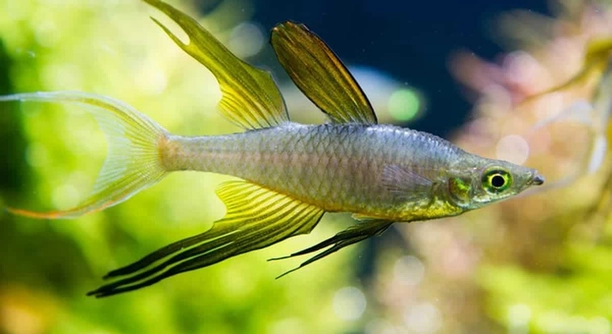
Have you ever noticed your threadfin rainbowfish acting differently, swimming frantically, or hiding more often than usual? Subtle changes like these can often reveal how your fish is truly feeling in its environment.
Threadfin rainbowfish show anxiety through erratic swimming, loss of color, and avoidance of other fish. These behaviors typically result from environmental stressors such as poor water quality, sudden movement, or incompatible tank mates that disturb their natural calm temperament.
Understanding these small behavioral cues will help you create a safer and more peaceful home for your delicate threadfin rainbowfish.
Common Signs of Anxiety in Threadfin Rainbowfish
An anxious threadfin rainbowfish often shows visible signs that something is not right. You might notice it darting around the tank or hovering in one spot for long periods. Some may lose their vibrant color, appearing pale or washed out. Others may refuse food, preferring to stay near the bottom or behind decorations. Fin clamping, where the fins are held close to the body, is another clear sign of distress. These fish are sensitive to their surroundings, so even slight changes in light, temperature, or water flow can cause stress. Observing these patterns helps identify the cause early before it leads to illness or long-term behavioral issues. Ensuring the tank is calm and predictable will make a big difference for them.
A threadfin rainbowfish’s body language is subtle, but paying close attention can help you spot stress early and protect its delicate balance.
When you notice anxious behavior, it’s best not to ignore it. These fish rely on stable conditions and consistent care to feel secure. Taking a closer look at your tank setup, feeding routine, and social interactions will help you find out what’s making your fish uneasy. With small changes, their behavior often improves quickly.
Causes of Anxiety in Threadfin Rainbowfish
Stress in threadfin rainbowfish is usually linked to their environment. Poor water quality, sudden temperature shifts, or bright lighting can easily unsettle them. Loud noises or frequent tank disturbances may also contribute to their anxiety.
Environmental stability is key for threadfin rainbowfish to thrive. Ammonia or nitrite spikes from infrequent water changes can be very harmful, leading to stress and health decline. The tank should be well-filtered with soft, clean water that mimics their natural habitat. Avoid overcrowding since too many fish increase competition and reduce swimming space. Aggressive tank mates can also make them nervous, so choose peaceful species that share similar temperaments. Feeding inconsistently or offering the wrong diet can add unnecessary tension. Maintaining a routine helps your fish know what to expect, reducing fear. Gentle lighting, hiding spots, and consistent water parameters are small adjustments that make a huge difference in keeping threadfin rainbowfish calm and confident.
How to Calm Anxious Threadfin Rainbowfish
Start by making the environment feel safe again. Dim the lights, reduce movement around the tank, and keep noise levels low. Give them time to relax by limiting feeding and avoiding sudden changes that might increase their stress.
Keeping the tank clean and consistent helps ease their anxiety. Perform small, regular water changes to prevent harmful buildup of toxins. Make sure the temperature stays between 75–82°F and the pH is stable. Adding floating plants or decorations can give them places to hide and feel secure. If they share the tank, ensure all fish are peaceful and non-aggressive. Avoid rearranging decorations too often, as this can make them nervous. The key is to maintain steady conditions and provide a familiar setting where they can swim freely without feeling threatened or startled.
Feeding a balanced diet also helps improve their mood and confidence. Offer high-quality flakes, live foods, or micro pellets that match their natural diet. Feed them small portions two to three times a day instead of one large meal. This consistent routine builds comfort and trust. Avoid overfeeding since leftover food can harm water quality. A healthy diet, paired with calm surroundings, allows your threadfin rainbowfish to regain their natural vibrant color and peaceful behavior.
Preventing Anxiety in the Future
Routine care and stability are essential for preventing future stress. Always test water parameters weekly and clean filters regularly. Keep tank lighting moderate and predictable, avoiding sudden brightness that can startle them. Balanced tank mates and stable feeding times reduce their overall stress.
To maintain long-term peace, think of their tank as a stable ecosystem rather than a decoration. Avoid overcrowding, as it limits swimming space and increases competition. Choose plants and hiding spots that mimic natural habitats, giving them shade and comfort. Try not to move decorations often, as threadfin rainbowfish value familiarity. Keep the water surface calm since strong currents can overwhelm their delicate fins. When introducing new fish, do so slowly to prevent tension. Consistent care, soft lighting, and a peaceful environment will keep them feeling secure, confident, and healthy for years to come.
When to Seek Professional Help
If your threadfin rainbowfish remains anxious despite all adjustments, it may be time to consult an aquatic specialist. Persistent symptoms like color fading, rapid breathing, or lack of appetite often point to deeper health issues that require professional care.
A professional can perform water tests, check for parasites, and review your tank setup. They might recommend medication, dietary changes, or improvements to filtration and oxygenation. Getting help early prevents long-term harm and ensures your fish recovers faster, restoring balance and comfort in the aquarium.
The Role of Tank Mates in Stress Levels
Tank mates have a big impact on threadfin rainbowfish behavior. Peaceful species like rasboras or small tetras help maintain calm surroundings, while aggressive fish can easily cause fear and territorial stress. Watching interactions closely helps identify if a tank mate is contributing to anxiety and allows for quick removal or separation.
Signs of Recovery
When your threadfin rainbowfish begins to swim gracefully again and shows brighter colors, it’s a good sign of recovery. Regular feeding, playful movements, and social interaction with other fish signal that they feel safe, balanced, and at ease in their environment once more.
FAQ
How can I tell if my threadfin rainbowfish is stressed or just resting?
A stressed threadfin rainbowfish will show signs like clamped fins, rapid breathing, loss of color, or hiding frequently. Resting fish stay in one spot but maintain normal breathing, normal coloration, and will resume activity when the environment is calm. Observing subtle behaviors over several hours helps differentiate stress from rest.
Can water quality really affect their anxiety?
Yes. Poor water quality is a major factor in threadfin rainbowfish stress. High ammonia or nitrite levels, sudden pH changes, and unfiltered debris can all cause anxiety. Maintaining clean, filtered water with regular testing keeps the fish healthy and reduces nervous behavior.
How often should I feed my threadfin rainbowfish?
Feeding small portions two to three times a day works best. Overfeeding leads to leftover food that can spoil and worsen water quality, increasing stress. A balanced diet of high-quality flakes, live foods, and micro pellets ensures they get the right nutrients.
Do tank decorations affect their comfort?
Yes, hiding spots and plants make a big difference. Threadfin rainbowfish feel safer with places to retreat. However, frequent rearrangement of decorations can cause anxiety. Stable, familiar surroundings help them feel secure and reduce nervous swimming or hiding.
Will aggressive tank mates stress them out?
Absolutely. Aggressive or overly active fish can frighten threadfin rainbowfish. Choose peaceful species that share similar swimming patterns. Monitor new additions closely to prevent fights or territorial disputes, which can lead to long-term anxiety.
How do lighting conditions affect them?
Bright or fluctuating lights can startle them. Moderate, consistent lighting helps maintain calm behavior. Adding floating plants can soften the light and provide shaded areas for retreat, which reduces stress.
Can temperature changes cause anxiety?
Yes. Threadfin rainbowfish thrive in stable temperatures between 75–82°F. Sudden shifts can trigger stress responses like erratic swimming or hiding. Using a reliable heater and monitoring temperature regularly keeps the environment consistent.
Is it normal for them to hide a lot?
Some hiding is natural, but excessive hiding indicates anxiety. Frequent retreats, especially combined with loss of color or fin clamping, suggest stress. Assess water quality, tank mates, and environmental conditions to find the cause.
How long does it take for anxious fish to recover?
Recovery time varies depending on the stress source and tank conditions. Minor environmental changes can improve behavior in days, while more serious issues may take weeks. Maintaining stable water, proper feeding, and a calm environment speeds up recovery.
Should I medicate anxious fish?
Medication is usually only necessary if stress is linked to illness or parasites. Treating the environment first—clean water, hiding spots, compatible tank mates—often resolves anxiety. Only use medications recommended by an aquatic specialist to avoid further harm.
Can handling them reduce or increase stress?
Handling is usually stressful and should be avoided unless absolutely necessary. Threadfin rainbowfish are delicate, and even brief netting can trigger panic responses. Focus on improving tank conditions instead of physical interaction to reduce anxiety.
What signs indicate they are fully comfortable again?
When your threadfin rainbowfish swims naturally, shows vibrant coloration, eats normally, and interacts peacefully with other fish, they have likely regained comfort. Consistent behavior and calm movements signal that the tank environment is suitable for their long-term well-being.
How often should I monitor their behavior?
Daily observation is best. Checking for changes in swimming patterns, coloration, or feeding habits helps catch stress early. Regular monitoring allows you to adjust conditions quickly, ensuring the fish remain healthy and content in their habitat.
Can stress affect their lifespan?
Yes. Chronic stress can weaken their immune system, making them prone to disease and shortening their lifespan. Providing stable water, peaceful tank mates, proper nutrition, and hiding spots is essential for long-term health.
Is it normal for them to lose color when anxious?
Yes. Loss of color is a common response to stress. Pale or dull colors signal nervousness or discomfort. Improving water quality, tank stability, and environment reduces stress and helps restore vibrant coloration.
How do I introduce new fish without causing anxiety?
Quarantine new fish first and introduce them slowly. Using a divider or floating cage initially allows your threadfin rainbowfish to observe without direct contact. Gradual introductions minimize stress and reduce the risk of aggressive encounters or sudden anxiety responses.
Final Thoughts
Caring for threadfin rainbowfish requires attention to detail and patience. These fish are sensitive to their surroundings and can quickly show signs of stress when conditions are not ideal. Observing their behavior carefully is key to understanding their needs. Small changes like swimming erratically, hiding behind decorations, or showing dull colors are signals that something in their environment is causing discomfort. Being attentive to these signals allows you to take action before anxiety becomes a serious problem. Maintaining a calm and predictable tank helps them feel secure. Simple steps like keeping the water clean, monitoring temperature and pH, and providing stable lighting can make a big difference. These measures create a comfortable habitat that encourages natural behaviors and reduces stress. It is also important to consider their social environment. Peaceful tank mates, enough space for swimming, and places to hide give threadfin rainbowfish a sense of safety and stability.
Feeding routines also play a significant role in their overall well-being. Providing a balanced diet of high-quality flakes, live foods, or micro pellets ensures they get the nutrients they need while keeping their energy levels stable. Overfeeding can be harmful, affecting both water quality and fish health, which may increase anxiety. Feeding small amounts two to three times daily is ideal for promoting normal behavior. Observing how they respond to feeding can also indicate their mental and physical health. An anxious fish may refuse food or eat erratically, while a healthy, comfortable fish will swim confidently and feed without hesitation. By combining proper feeding, consistent tank conditions, and appropriate social interactions, you can create a supportive environment that reduces stress and encourages natural, vibrant behaviors.
Finally, patience and observation are the most important tools in caring for threadfin rainbowfish. Recovery from anxiety can take time, and each fish reacts differently to changes in the environment. Keeping a close eye on their behavior and making gradual adjustments helps you understand what they need. Avoid sudden changes in water, lighting, or tank arrangement, as these can worsen anxiety. If stress persists, consulting an aquatic specialist ensures the fish receives proper care. Paying attention to these details allows you to support your threadfin rainbowfish’s long-term health, maintain a calm and peaceful tank, and enjoy the natural beauty and activity of these vibrant fish. With consistent care and observation, they can thrive and display their full range of color and behavior.

Hello,
If you enjoy the content that we create, please consider saying a "Thank You!" by leaving a tip.
Every little bit helps us continue crafting quality advice that supports the health, happiness, and well-being of pets around the world, for pets of all shapes, sizes, and species.
We really appreciate the kindness and support that you show us!