
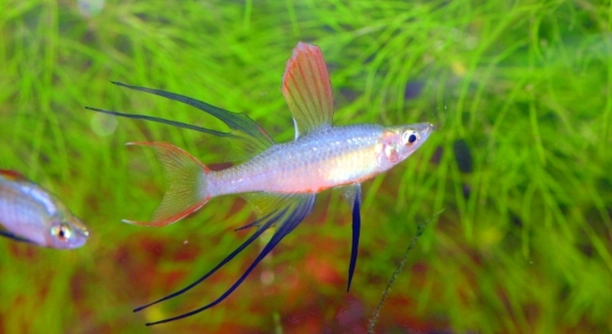
Have you ever watched threadfins interact and noticed how their calm swimming can suddenly turn into bursts of bold movement when others get too close? These subtle yet tense moments reveal much about how they protect their space.
Threadfins handle territory disputes through visual displays, posturing, and short chases meant to establish dominance without causing harm. These controlled actions maintain social order and prevent unnecessary injuries, allowing each fish to secure feeding and breeding areas efficiently.
Understanding these behaviors reveals how threadfins maintain balance in their environment and why their territorial nature is key to their survival.
How Threadfins Show Dominance
When two threadfins cross paths in overlapping territories, they rely on visual signals to make their intentions clear. A common display includes spreading their fins wide and swimming in short, sharp bursts around one another. These gestures are not random; they serve as warnings, showing strength without immediate aggression. During these moments, each fish observes the other’s movements carefully, waiting for signs of submission or retreat. The entire exchange happens quickly, often ending before any harm occurs. Such displays are vital for keeping peace in crowded habitats, where direct fighting could cause unnecessary stress and injuries.
After the initial display, one threadfin usually retreats, allowing the other to claim the space. The winner often resumes calm swimming, signaling that the matter is settled. This unspoken understanding keeps their environment balanced and organized, reducing ongoing tension among neighboring fish.
These subtle interactions reflect a quiet intelligence. Threadfins rely on instinct and communication rather than force. They understand that survival depends on conserving energy and avoiding constant battles. Their ability to maintain social boundaries through display instead of violence shows how refined their behavior truly is. Observing them can be fascinating, as every flick of the fin carries meaning and intent that defines their underwater relationships.
What Happens After the Dispute
Once the dispute ends, both threadfins quickly return to their usual routines. They do not hold grudges or seek revenge. Instead, they reestablish distance, making sure to respect each other’s territories moving forward.
During this calm phase, the dominant threadfin patrols its area with confidence. It reinforces boundaries by swimming predictable paths and using subtle fin movements to remind others of its claim. The submissive fish avoids direct contact and focuses on safer areas nearby. These patterns ensure food sources remain accessible to both, minimizing unnecessary stress. Over time, this behavior strengthens group structure and keeps aggression low. In larger groups, these brief confrontations create a natural hierarchy that benefits all members. Watching how smoothly threadfins return to order after conflict highlights the delicate balance that defines their daily lives.
Territorial Behavior in Different Conditions
Threadfins adjust their territorial behavior based on the environment around them. When space is limited or food is scarce, disputes become more frequent and intense. In wider areas with stable food sources, their interactions remain calm and controlled, with fewer displays of dominance.
Water quality and temperature also influence how threadfins behave. Poor water conditions or sudden changes can make them more defensive, increasing the chances of short chases or fin displays. In contrast, when the water is clean and oxygen levels are balanced, they appear more relaxed and less reactive. Light levels play a role too—dim lighting often reduces tension. These small details shape how often conflicts occur and how long they last. Observing these variations can reveal how environmental balance directly affects the way threadfins protect their territory and maintain peace in their habitat.
By adapting to their surroundings, threadfins show an impressive sense of awareness. Their ability to change behavior based on conditions helps them survive in unpredictable environments. Whether in a tank or the wild, they instinctively know when to display authority and when to conserve energy. This adaptability keeps their social structure intact and prevents unnecessary injuries, allowing them to thrive even when circumstances shift.
Communication Through Movement
Threadfins use precise body language to communicate during disputes. Each movement, from the angle of their fins to the speed of their swimming, sends a message. These gestures let them express warning, respect, or submission without making physical contact.
During tense moments, a dominant threadfin often positions itself higher in the water, showing control. It may circle or flash its fins to reinforce its stance. The submissive one responds by lowering its body or swimming away slowly. These exchanges are brief but meaningful, reducing the risk of harm. Threadfins rely on these cues daily, proving that even silent communication can maintain order and understanding among them. Watching their coordination feels like witnessing an unspoken language built purely on movement and instinct.
How Threadfins Protect Their Territory
Threadfins protect their chosen space by creating invisible boundaries. They use consistent swimming patterns to mark their area, making it clear to others where not to cross. This quiet method helps them avoid constant disputes and keeps their surroundings calm.
When another fish enters their zone, threadfins react quickly with short bursts of movement or fin flaring. These warning signals are usually enough to make the intruder leave. Physical fights are rare since both fish understand the unspoken rules that maintain order and balance in their shared environment.
Effects of Territory Loss
Losing territory can cause noticeable stress in threadfins. They may become restless, hide more often, or eat less. Without a secure area, their natural confidence fades, and it takes time for them to reestablish stability within a new space or social group.
The Role of Observation
Observing threadfins during these moments helps you understand their subtle yet expressive behavior. Every flick, pause, or glide tells a story of survival, balance, and quiet strength beneath the surface.
FAQ
How do threadfins recognize their territory?
Threadfins recognize their territory through familiar patterns, landmarks, and water flow. They memorize the space by repeatedly swimming around it, forming a clear mental map of boundaries. Their sense of awareness helps them detect even minor intrusions. This ability to remember details allows them to maintain consistent control over their chosen area without confusion or overlap with other fish.
Do threadfins fight often?
Threadfins rarely engage in full fights. They prefer displays of dominance like fin spreading, quick bursts of swimming, or chasing without contact. These brief acts are usually enough to settle disputes. Fighting is risky, and threadfins instinctively avoid injuries that could weaken them. Most conflicts end in seconds once one fish retreats, restoring peace almost immediately.
Can threadfins share a territory?
Yes, but only under specific conditions. When space is abundant and food is plentiful, threadfins may tolerate each other within overlapping zones. However, when resources are tight, their tolerance decreases, and they reestablish personal areas. The ability to share depends on the size of the environment and their comfort level with nearby fish.
How long do territory disputes last?
Territory disputes are usually brief, lasting less than a minute. They rely on quick body movements, not drawn-out battles. Once one fish accepts submission, the other immediately relaxes and resumes normal swimming. Their communication is efficient, and both sides understand when the interaction is over. This keeps energy use low and limits stress.
Do threadfins get aggressive during breeding season?
Yes, territorial behavior often increases during breeding. Males become more protective of their chosen spots, especially when guarding potential nesting areas. Their displays grow stronger, and they may chase away intruders more often. Despite this, their aggression remains controlled. They rely on display and posture more than physical attacks to ensure their breeding space stays safe.
What happens if two threadfins are equal in strength?
When both fish are equally matched, the dispute can last a little longer. They may repeat their displays several times, circling and flaring fins without direct contact. Eventually, one fish yields, allowing the other to take the area. This resolution avoids physical damage while still establishing clear dominance between the two.
Can environmental stress cause more disputes?
Yes, poor conditions like low oxygen, high temperature, or overcrowding can increase territorial tension. Threadfins under stress are more defensive and react faster to perceived threats. Regular maintenance of clean water and stable conditions helps reduce unnecessary conflict and keeps their behavior balanced.
Do threadfins remember past rivals?
Threadfins appear to recognize familiar fish. If two have had previous encounters, they may show more restraint or caution when meeting again. Memory helps them gauge whether another fish is a genuine threat or not, which reduces the frequency of repeated disputes.
Can female threadfins be territorial too?
Yes, although females are generally less defensive than males, they still protect their feeding zones. Females show similar signals—flaring fins, quick turns, or guarding specific areas—especially when resources are limited. Their actions play an important role in keeping order within the group and ensuring fair access to food.
How can aquarists reduce threadfin disputes in tanks?
Providing enough space, hiding spots, and stable water conditions helps greatly. Balanced lighting and gentle water flow create calm environments. Feeding them evenly prevents competition, while plants or decorations break sight lines and give each fish a sense of security. These adjustments reduce unnecessary confrontations and keep the group harmonious.
Do threadfins ever change territories?
Yes, they sometimes move if conditions shift. Changes in temperature, lighting, or food availability can cause them to seek new areas. When moving, they repeat their boundary-marking behavior to establish control. This adaptability ensures they can thrive even when their surroundings change over time.
Are territorial displays different in the wild and in aquariums?
Displays remain mostly the same, but intensity varies. In the wild, threadfins have more space to retreat, so conflicts are brief and spaced out. In aquariums, limited room may cause closer contact and more frequent displays. Providing sufficient space helps mimic natural patterns and keeps their interactions healthy.
Do threadfins ever form alliances?
Not exactly alliances, but they sometimes show tolerance toward familiar fish. When living in stable groups, they learn to coexist by respecting each other’s zones. This balance relies on routine and familiarity, not friendship. The result is a peaceful structure where each fish knows its place.
Can territory disputes affect feeding habits?
Yes, during disputes, threadfins may temporarily lose focus on feeding. The dominant fish often eats first, while others wait or move to less contested areas. Once peace is restored, feeding resumes normally. Prolonged tension, however, can lead to reduced appetite, so stable conditions are important for maintaining their health.
What does it mean when threadfins chase but don’t attack?
This behavior is a common warning. The chase serves as a display of authority rather than aggression. It reminds the other fish of boundaries. As soon as the intruder retreats, the dominant one stops pursuing. This quick exchange shows how efficiently they manage their social order through movement alone.
Final Thoughts
Threadfins are peaceful by nature, yet their behavior around territory shows how much thought and instinct exist beneath their calm surface. Watching them interact can reveal how even small fish manage order and balance in their space. They do not rely on constant aggression to protect what is theirs. Instead, they communicate through movement, posture, and subtle gestures that make their intentions clear. Every turn, flick, or pause is purposeful, built from generations of survival in shared environments. This quiet but efficient system allows them to coexist without exhausting energy or causing harm. Understanding this side of their behavior gives a deeper appreciation for their intelligence and the structure that guides their daily lives.
Their reactions during disputes also remind us of how adaptable they are. Threadfins adjust their behavior to their surroundings, responding calmly when conditions are stable and becoming more defensive when they sense change. Their actions are shaped by what is happening around them—light, water temperature, and space all influence how they react. When things are right, they swim confidently and show little tension. When things are off, they become alert, quick to defend their place. This awareness helps them survive in both aquariums and the wild, showing that even small changes can affect social balance. For aquarists, observing these signals is a useful way to understand when the environment needs attention or when a fish feels stressed.
In the end, threadfins teach an important lesson about calm control and quiet communication. They remind us that strength is not always shown through force but through awareness and restraint. Their territorial nature is not about domination—it is about maintaining balance and ensuring survival for all within their space. Watching them resolve conflicts with such precision and grace offers a peaceful rhythm that mirrors nature’s quiet efficiency. Each display, each retreat, and each return to calm movement is part of an unspoken system that keeps their world in order. Whether seen in an aquarium or their natural habitat, their behavior carries the same message: that harmony can exist even in moments of tension, and that understanding boundaries—both given and respected—is key to peaceful coexistence.

Hello,
If you enjoy the content that we create, please consider saying a "Thank You!" by leaving a tip.
Every little bit helps us continue crafting quality advice that supports the health, happiness, and well-being of pets around the world, for pets of all shapes, sizes, and species.
We really appreciate the kindness and support that you show us!