
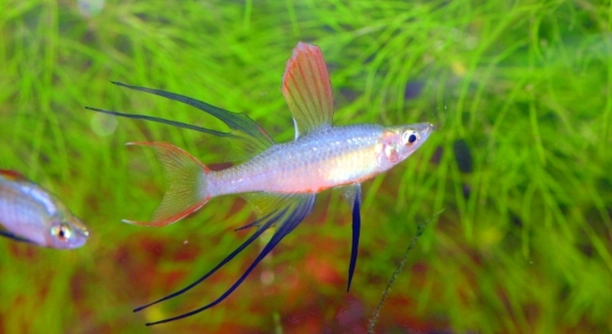
Have you ever noticed threadfins gliding effortlessly near the water’s surface while other fish explore deeper zones? These elegant swimmers seem to prefer the top layer, creating a distinctive presence in their aquatic habitats and routines.
Threadfins predominantly swim at the top level due to their specialized anatomy, including elongated pectoral fins and lateral line systems. These adaptations allow efficient surface feeding, predator awareness, and maneuverability, optimizing their survival in the upper water column.
Observing threadfins in their natural habitat reveals behaviors shaped by evolutionary needs and environmental factors, offering insights into their unique swimming patterns and lifestyle.
Anatomy That Keeps Them on Top
Threadfins have long, slender bodies with extended pectoral fins, giving them the ability to glide close to the surface with minimal effort. Their lateral line system is highly sensitive, allowing them to detect movements and vibrations in the water. These adaptations make top-level swimming efficient for feeding and avoiding predators. The surface water also offers higher oxygen levels, which suits their respiration needs better than deeper layers. Threadfins often rely on visual cues for hunting small insects, plankton, and crustaceans, and being near the top enhances their ability to spot prey. Their streamlined shape reduces drag, conserving energy during constant movement. These physical features are complemented by strong tail muscles, providing quick bursts of speed when necessary. Overall, the combination of fins, body shape, and sensory systems makes the surface their optimal environment for both survival and daily activities, showing that evolution has fine-tuned them for top-level swimming.
Their bodies are perfectly designed for efficiency, helping them remain agile and alert in the upper water layers.
Being at the top also reduces competition for food and allows threadfins to exploit resources unavailable to deeper-swimming species. They often feed during daylight, taking advantage of better visibility near the surface. Predators in mid and lower water columns rarely interfere, giving threadfins a safer zone to feed and rest. Their surface preference also aids in social interactions and schooling behaviors, as visibility enhances coordination among individuals. Temperature layers near the surface can be warmer, supporting faster digestion and overall metabolism. Additionally, being higher in the water lets them respond quickly to environmental changes, such as shifts in current or sudden threats. Their anatomical traits, combined with surface advantages, create a habitat choice that maximizes survival while minimizing energy expenditure. The upper water zone is thus not just a preference but a strategic adaptation that threadfins have refined over time.
Environmental Influence on Surface Swimming
Surface currents and water clarity play a significant role in threadfins’ swimming patterns.
Shallow coastal waters, estuaries, and clear river regions provide ideal conditions for threadfins. These environments offer abundant food sources near the surface and fewer obstacles, allowing smooth movement. High oxygen concentration in upper layers supports their metabolic needs, while sunlight penetration aids visual hunting. Predatory fish tend to inhabit lower or mid-level waters, so threadfins gain a relative safety advantage by staying near the top. Human activity, such as boating or fishing, can disturb their natural behavior, forcing adjustments in swimming height or schooling density. Seasonal changes also influence their surface activity, with warmer months encouraging more surface feeding. Observing these patterns shows that threadfins do not randomly stay at the top; instead, their position is a calculated response to environmental factors. By staying near the surface, they optimize feeding efficiency, energy conservation, and predator avoidance, which together support their survival and growth in varying habitats.
Water temperature, food availability, predator activity, and sunlight penetration all influence their choice, highlighting how the environment shapes daily behavior and long-term adaptations in threadfins.
Feeding Habits Near the Surface
Threadfins feed primarily on plankton, small crustaceans, and insects found near the water’s surface. This diet supports their high metabolism and requires constant movement to catch sufficient prey.
Their feeding strategy relies on visibility and water clarity. By staying near the top, threadfins can detect movements of small organisms more easily. They often swim in schools, which allows them to herd prey efficiently and avoid competition within their group. Surface feeding also reduces the effort needed to find food compared to hunting in deeper, murkier waters. By focusing on abundant surface prey, threadfins maximize energy intake while conserving effort, maintaining a balance essential for their survival and growth.
Surface feeding is complemented by short, quick bursts of speed to capture prey. Their elongated fins help stabilize them, allowing precise movements. The combination of agility, sensory detection, and schooling behavior ensures they efficiently exploit surface food resources without unnecessary energy loss.
Social Behavior and Schooling
Threadfins often form schools near the surface to improve protection from predators. Their social behavior is highly coordinated, allowing them to move as a unified group.
Schooling provides multiple advantages. First, it reduces individual risk by confusing predators with collective movement. Second, it improves feeding efficiency by concentrating prey within a shared area. Third, it allows faster communication of environmental changes, such as approaching threats or food sources. Threadfins rely on visual cues and lateral line detection to maintain formation, adjusting speed and direction seamlessly with other members. Surface schooling also facilitates mating behaviors, as proximity increases encounters with potential partners.
The upper water layer enhances these social interactions because it offers visibility, open space, and access to resources. By remaining near the surface, threadfins combine safety, feeding efficiency, and social coordination, demonstrating how behavior and habitat choice are deeply connected in their daily lives. Their schooling patterns are not random but a strategic adaptation shaped by environmental pressures and evolutionary advantage.
Predator Avoidance Strategies
Threadfins stay near the surface to better spot approaching predators. Their elevated position allows faster reaction and escape, reducing the risk of being caught.
Schools of threadfins also confuse predators, creating a collective defense. Movement synchronization makes it difficult for predators to single out one fish.
Seasonal Movement Patterns
Threadfins adjust their swimming height and location according to seasonal changes. Warmer months encourage surface activity, while cooler periods may push them slightly deeper. This flexibility helps maintain feeding efficiency, oxygen intake, and predator awareness. Their movement patterns are closely tied to water temperature, food availability, and environmental conditions, ensuring survival throughout the year.
Reproduction and Surface Preference
Spawning often occurs near the upper water layers, where visibility and temperature conditions are optimal. This positioning supports egg survival and early larval development, aligning reproductive success with their surface-oriented lifestyle.
FAQ
Why do threadfins mostly swim at the top level?
Threadfins swim near the surface because it provides easier access to food and better oxygen levels. Their body structure, including long pectoral fins and a sensitive lateral line, makes surface swimming efficient. Staying near the top also allows quick detection of predators and safer schooling behavior.
Do threadfins ever swim deeper?
Yes, threadfins can move to mid-level or slightly deeper waters, usually in response to changes in temperature, food availability, or predator presence. These movements are temporary and adaptive, but their primary preference remains the upper water layers due to feeding and social advantages.
What do threadfins eat near the surface?
They feed on small crustaceans, plankton, and surface-dwelling insects. Surface feeding allows them to see prey clearly and catch it efficiently with minimal energy expenditure. Schools help them concentrate food and reduce competition among individuals.
How does schooling help threadfins?
Schooling provides protection from predators, enhances feeding efficiency, and facilitates communication among group members. By moving as one unit, they confuse predators and reduce individual risk. It also allows quick coordination during feeding and spawning activities.
Do environmental factors influence their swimming height?
Yes, factors like water temperature, clarity, oxygen concentration, and seasonal changes affect their position. Warm, oxygen-rich surface layers encourage more activity, while colder or murkier conditions may prompt temporary descent. Threadfins respond flexibly to maximize survival and feeding efficiency.
How do threadfins avoid predators near the surface?
Their elevated position improves visibility, giving them time to escape. Quick bursts of speed, agility from elongated fins, and schooling behavior further reduce vulnerability. Confusing predators with collective movement increases safety while maintaining access to surface resources.
Does surface swimming affect their reproduction?
Yes, threadfins often spawn near the upper water layers. Sunlight, water temperature, and visibility favor egg survival and larval development. Surface proximity ensures better oxygenation for eggs and supports early life stages, aligning reproduction with their surface-oriented behavior.
Are threadfins affected by human activity?
Boating, fishing, and pollution can disturb their surface swimming patterns. Threadfins may shift depth or alter schooling behavior to avoid interference. Maintaining clean, undisturbed habitats supports their feeding, social, and reproductive routines effectively.
Can threadfins adapt to other environments?
They are adaptable to a degree, tolerating slight changes in water temperature, salinity, and habitat conditions. However, their anatomy and behavior are optimized for surface zones, making prolonged life in deeper or heavily shaded waters less efficient.
What role does surface water play in their energy management?
Swimming near the surface reduces energy expenditure. Higher oxygen levels, easier access to prey, and reduced effort in avoiding obstacles all contribute to conserving energy. Efficient energy use supports growth, reproduction, and overall survival in a competitive environment.
Do threadfins interact with other fish species at the surface?
Yes, they sometimes share surface zones with non-predatory fish. Interaction is minimal but can involve competition for food. Their schooling behavior and surface vigilance help them coexist while minimizing conflict and maintaining feeding efficiency.
How does sunlight affect threadfins’ behavior?
Sunlight improves visibility, aiding feeding and predator detection. Surface warmth also supports metabolism, making daytime activity more effective. Threadfins adjust their depth and schooling density based on light conditions to optimize energy use and safety.
Are threadfins sensitive to water currents?
Yes, surface currents influence their position and movement. They adjust swimming patterns to conserve energy, maintain schooling cohesion, and access food efficiently. Moderate currents often improve oxygen flow and food availability, benefiting their top-level lifestyle.
Do threadfins migrate seasonally?
They show local movement rather than long-distance migration. Seasonal changes in temperature and food supply cause shifts in surface activity and depth. These adjustments ensure optimal feeding, predator avoidance, and reproductive conditions throughout the year.
Can threadfins survive in artificial or confined habitats?
They can survive if surface conditions replicate natural environments, including oxygen levels, temperature, and food availability. However, lack of space or poor water quality can stress them, reducing feeding efficiency and overall health. Proper management is necessary to maintain their surface-oriented behavior.
Do threadfins have natural predators?
Yes, birds, larger fish, and some marine mammals prey on threadfins. Staying near the surface helps them detect threats early. Schooling, quick bursts of speed, and agility reduce predation risk, making the upper water layers both a feeding and safety zone.
How does temperature influence daily activity?
Warm surface waters encourage more feeding and social activity, while cooler conditions slow movement and reduce surface exposure. Threadfins respond dynamically to temperature, balancing energy needs, predator risk, and feeding efficiency.
Is schooling important during reproduction?
Yes, proximity in schools increases encounters between males and females, improving mating opportunities. Synchronized movement also provides protection during spawning, ensuring eggs and larvae have higher survival chances.
Do threadfins interact with humans in coastal areas?
They often avoid heavy human activity but may be observed in calmer, less disturbed waters. Boats, fishing, and pollution can force temporary changes in swimming height or location. Protecting surface habitats benefits their feeding, reproduction, and overall behavior.
How long can threadfins stay at the surface continuously?
They can remain near the top for extended periods, as long as oxygen, food, and water conditions are suitable. Short bursts of diving occur for safety or feeding adjustments, but the upper layer remains their preferred environment.
Does water clarity impact their feeding efficiency?
Yes, clear water allows better visibility, making prey detection faster and energy use more efficient. Murky or turbid water can reduce hunting success, forcing adjustments in swimming height or schooling behavior. Visibility is crucial for maintaining their top-level advantage.
Are juvenile threadfins also surface swimmers?
Juveniles stay near the top for feeding and predator avoidance, though they may be more cautious and stay closer to cover. Their schooling behavior develops gradually, reinforcing survival skills and adapting them to surface-oriented life early on.
How do threadfins communicate within schools?
They use body movements, fin adjustments, and lateral line signals to coordinate direction and speed. Communication ensures synchronized swimming, predator avoidance, and feeding efficiency. Surface conditions enhance visibility, making coordination easier and more effective.
Do surface conditions affect their health?
Yes, adequate oxygen, temperature, and food availability at the top directly impact growth, reproduction, and immune function. Poor surface conditions can stress threadfins, reducing feeding efficiency and survival. Maintaining healthy surface waters is essential for their well-being.
Can threadfins adjust quickly to sudden threats?
Their lateral line system and schooling behavior allow rapid response to predators or environmental changes. Quick bursts of speed and coordinated group movement help minimize risk while staying near the surface.
Are there differences between threadfin species in surface preference?
Most threadfin species favor the top layer, though some show minor variations based on habitat type, predator presence, and food availability. Adaptations are generally consistent, emphasizing the evolutionary advantage of surface swimming.
Do threadfins sleep near the surface?
They rest in shallow, calm areas, often in schools. Light surface activity continues to monitor predators, ensuring safety even during periods of low activity. Surface proximity allows them to remain alert while conserving energy.
How do threadfins handle low-oxygen events?
They may move slightly deeper or into areas with better oxygenation. Their surface preference remains, but flexibility ensures survival during temporary environmental stress, balancing feeding needs and safety.
What makes surface swimming evolutionarily advantageous?
It maximizes access to food, oxygen, and safety while supporting social behavior and reproduction. Anatomy, metabolism, and environmental interactions are aligned with this preference, showing a clear evolutionary benefit in their aquatic habitats.
Do they interact with other fish species socially?
Interactions are limited and mostly competitive for food. Surface awareness, schooling, and agility help threadfins coexist without significant conflict, maintaining efficient feeding and safety strategies.
Can human-induced changes permanently alter their behavior?
Significant habitat disruption, pollution, or overfishing can force long-term shifts. Surface activity, feeding, and schooling may be reduced, impacting growth and reproduction. Conservation of coastal and estuarine environments supports their natural surface-oriented lifestyle.
Are threadfins visible to predators from above?
Yes, but their speed, schooling, and agility reduce vulnerability. Staying near the surface increases visibility for both feeding and predator detection, creating a balance between risk and opportunity.
Do threadfins migrate for spawning?
They do not perform long migrations but adjust local movement based on season, water temperature, and food availability. Spawning occurs near the surface where conditions optimize egg and larval survival.
How long is their lifespan near the surface?
Threadfins can live several years in surface-preferred habitats if food, oxygen, and predator avoidance remain favorable. Lifespan is influenced by environmental quality, predation, and social conditions.
Does schooling density change with season?
Yes, higher density occurs during feeding peaks and spawning periods. Lower density may appear in cooler months or when food is scarce. Seasonal adjustment supports feeding efficiency, predator avoidance, and reproductive success.
Do threadfins benefit from surface vegetation?
Yes, vegetation provides shelter, aids hunting by attracting prey, and reduces exposure to predators. Surface plants complement their feeding and schooling strategies, enhancing overall survival in shallow habitats.
How do threadfins respond to sudden changes in water clarity?
They adjust swimming height, school tighter, or temporarily reduce feeding activity. Sensory systems allow rapid response, ensuring survival despite fluctuating environmental conditions.
Are juvenile and adult schooling behaviors different?
Juveniles form smaller, less coordinated groups, gradually developing full schooling behavior. Adults maintain tighter, more synchronized schools, maximizing feeding efficiency and predator avoidance near the surface.
Does temperature fluctuation affect schooling?
Yes, warmer surface layers encourage dense schooling for feeding and protection, while cooler conditions may spread schools and reduce activity. Temperature directly influences energy use and social behavior.
Do threadfins exhibit territorial behavior?
They are not strongly territorial but may defend immediate feeding zones within schools. Surface movement and coordination reduce conflict, allowing coexistence with conspecifics and other species.
How fast can threadfins react to predators?
They can respond almost instantly, using lateral line detection, visual cues, and tail bursts to escape. Schooling amplifies these reactions, providing collective protection near the surface.
Are threadfins affected by tides?
Tidal movements influence feeding patterns and water levels. Threadfins adjust surface swimming and schooling behavior to maintain optimal access to food, oxygen, and safe resting areas.
Do threadfins prefer specific surface temperatures?
Yes, moderately warm surface layers enhance metabolism, feeding, and reproductive activity. Extreme temperatures may push them slightly deeper but do not eliminate their preference for upper water zones.
Can threadfins survive in turbid waters?
They can survive, but feeding efficiency decreases. Reduced visibility forces more reliance on lateral line detection and school coordination, slightly increasing energy expenditure compared to clear water conditions.
How important is sunlight for their behavior?
Sunlight supports visibility for hunting, predator detection, and social coordination. Warmer, well-lit surfaces also promote metabolism and energy efficiency, reinforcing their preference for top-level swimming.
Do threadfins interact with other schooling species?
Interactions are minimal and mostly neutral. They maintain their own schooling formation while occasionally sharing surface space with other non-predatory fish, balancing feeding and safety needs.
What is the main reason threadfins stay at the surface?
The combination of feeding efficiency, predator awareness, oxygen availability, and social coordination makes surface swimming the most advantageous choice. Anatomy and behavior are optimized to exploit these benefits effectively.
Are there seasonal changes in surface swimming behavior?
Yes, warmer months see increased surface activity, feeding, and schooling. Cooler or turbulent periods may reduce surface time temporarily, but threadfins remain primarily surface-oriented throughout the year.
Do threadfins show any nocturnal activity?
Surface activity decreases at night, though schools may remain near the top for safety and residual feeding. Reduced light shifts behavior toward rest while maintaining alertness to predators.
How do threadfins handle limited food availability?
They increase schooling coordination, adjust swimming routes, and may temporarily explore slightly deeper areas. Surface preference remains, but flexibility allows survival when prey is scarce.
Can threadfins coexist with predatory species?
Yes, by maintaining vigilance, schooling, and quick surface reactions. Coexistence relies on their ability to detect threats early and exploit safe surface zones efficiently.
Do human-made structures affect their surface swimming?
Boats, piers, and pollution can alter natural patterns, forcing threadfins to adjust depth, location, or schooling behavior. Maintaining open, clean surfaces supports feeding, social interaction, and reproduction.
Are threadfins affected by water pollution?
Yes, reduced oxygen, toxins, or turbidity impact feeding, movement, and reproduction. Healthy surface conditions are essential for sustaining their natural behaviors.
How do threadfins maintain energy while swimming near the surface?
Elongated fins, streamlined bodies, and schooling reduce energy expenditure. Access to abundant surface prey and oxygen allows them to feed efficiently while conserving energy for growth and reproduction.
Do threadfins prefer calm or turbulent surface water?
Calm waters are ideal for feeding and schooling. Moderate currents can aid oxygenation and food availability, but extreme turbulence disrupts movement and coordination, forcing temporary adjustments in behavior.
Can threadfins survive in enclosed surface environments like ponds?
They can, if oxygen levels, food supply, and water quality mimic natural surface conditions. Lack of space or poor water management can stress them, impacting feeding, schooling, and reproduction.
Do threadfins communicate during predator encounters?
Yes, through body movements and lateral line signals. School members coordinate rapid turns, bursts of speed, and synchronized maneuvers to escape threats efficiently while staying near the surface.
Is surface swimming linked to lifespan?
Surface swimming supports efficient feeding, oxygen intake, and predator avoidance, all of which contribute to longer, healthier lives. Disruption of surface conditions can reduce lifespan and reproductive success.
Are there differences in surface behavior between males and females?
Differences are subtle. Males and females school together, feed similarly, and share predator avoidance strategies. Minor variations may appear during spawning when males actively pursue females near the surface.
Do threadfins need specific surface water chemistry?
Yes, appropriate salinity, oxygen, and pH levels are crucial. Surface water quality directly influences feeding efficiency, metabolism, and reproduction. Poor conditions reduce activity and survival.
Can threadfins adapt to climate change?
To a degree, through adjustments in swimming height, schooling, and seasonal movement. Extreme or rapid changes in temperature, oxygen, or food availability can challenge their survival and surface-oriented lifestyle.
How do threadfins find food efficiently at the surface?
Visual detection, lateral line sensing, and coordinated schooling allow them to locate prey quickly. Surface visibility and water clarity enhance success, making feeding efficient and energy-conserving.
Do threadfins show aggressive behavior at the surface?
Aggression is minimal, mostly limited to competition over immediate food. Schooling and social coordination reduce conflict, allowing peaceful coexistence and efficient feeding near the surface.
Are threadfins affected by noise pollution?
Yes, boats and machinery can disturb schooling, feeding, and predator awareness. Sudden sounds may trigger temporary shifts in swimming height or escape maneuvers, impacting normal surface behavior.
Do threadfins interact with human fishing activity?
They may temporarily move to avoid boats or nets. Overfishing can reduce food availability or disturb schooling behavior, highlighting the need for careful management of surface habitats.
Can threadfins recognize individual group members?
Recognition is limited. They rely on movement patterns, visual cues, and lateral line sensing for coordination within schools. Individual identification is less important than group cohesion and survival efficiency.
Do surface temperature changes influence reproduction timing?
Yes, warmer surface layers encourage spawning activity, while cooler periods delay reproductive behavior. Surface conditions ensure eggs and larvae develop in optimal oxygen and temperature ranges.
How do threadfins avoid being seen by aerial predators?
They rely on quick bursts of speed, schooling patterns, and shaded areas near vegetation or floating debris. Remaining agile and coordinated reduces visibility while maintaining surface access.
Are there differences in behavior between freshwater and coastal species?
Surface preference is consistent, but feeding, schooling, and predator interactions may vary based on habitat type, prey availability, and water conditions. Adaptations remain aligned with top-level swimming advantages.
Do threadfins need strong currents for surface swimming?
Not necessarily. Moderate currents support oxygenation and prey distribution, but strong turbulence can disrupt feeding and schooling. Calm or gently flowing water is ideal for maintaining energy efficiency and safety.
How important is daylight for their daily activity?
Daylight improves visibility, supporting feeding, predator detection, and schooling. Warmer, sunlit surfaces also enhance metabolism and energy use, reinforcing top-level swimming behavior.
Do threadfins ever feed at night?
Night feeding is limited. Reduced light slows hunting efficiency, so surface activity decreases. They may rely more on lateral line detection and schooling coordination when feeding in low-light conditions.
Are threadfins territorial during feeding?
Territorial behavior is minimal. They focus on group feeding and coordination, allowing multiple individuals to access surface prey efficiently without conflict.
How does water depth affect surface swimming?
Depth influences predator presence, temperature, and oxygen levels. Shallow areas are ideal, while very deep waters are less favorable. Threadfins remain near the top unless environmental factors necessitate temporary descent.
Do threadfins rely on smell for feeding?
Olfactory cues help but are secondary to visual detection and lateral line sensing. Surface swimming prioritizes sight-based hunting, with smell supplementing prey detection when needed.
Can threadfins survive sudden changes in salinity?
Moderate changes are tolerated, but extreme shifts can stress them, affecting feeding, swimming, and reproduction. Stable surface water chemistry is important for optimal performance.
How do threadfins respond to predators underwater versus aerial predators?
Underwater threats trigger quick dives or directional changes, while aerial predators provoke bursts of speed, schooling tightness, and use of shaded or protected surface zones. Adaptations address both types efficiently.
Do threadfins rely on social learning?
Yes, juveniles observe adults during schooling, feeding, and predator avoidance. Learning within groups helps maintain efficient surface behavior and survival skills.
Are threadfins more active during certain times of the day?
Morning and late afternoon are peak activity periods for feeding and schooling. Midday activity may decrease if sunlight or temperature becomes too intense, balancing energy use and predator avoidance.
Do threadfins compete with other fish at the surface?
Competition occurs mainly for food. Schooling, agility, and speed reduce direct conflict
Threadfins are remarkable fish, and their preference for swimming near the surface is not random. Their physical traits, including elongated pectoral fins and a streamlined body, make top-level swimming easier and more efficient. Staying near the surface allows them to feed on small crustaceans, plankton, and surface-dwelling insects while using minimal energy. Their lateral line system detects vibrations in the water, helping them spot both prey and predators. By gliding near the top, threadfins maximize their ability to survive and thrive in various environments, whether in coastal areas, estuaries, or shallow rivers. This behavior shows how anatomy, environmental conditions, and evolutionary adaptations work together to shape their daily life.
In addition to feeding advantages, surface swimming also supports social behavior and predator avoidance. Threadfins often form schools near the top of the water, moving as a coordinated group. Schooling reduces individual risk from predators while helping locate food efficiently. Being in a school also aids in reproduction by keeping potential mates nearby. Environmental factors, such as water clarity, temperature, and currents, further influence their surface activity. They respond dynamically to changes in conditions, moving slightly deeper or adjusting their schooling density when needed. Even seasonal variations affect their behavior, with warmer months encouraging more surface activity and cooler months prompting minor adjustments. These patterns highlight the flexibility and adaptability of threadfins, showing how closely their behavior is tied to survival needs.
Finally, understanding threadfins’ surface preference provides insight into their overall ecology and well-being. Maintaining healthy surface habitats is essential for supporting feeding efficiency, social interaction, reproduction, and predator awareness. Human activity, such as pollution or excessive boating, can disrupt these behaviors and force the fish to adjust, sometimes reducing their overall health and energy efficiency. Observing threadfins in their natural environment demonstrates how finely tuned their habits are, from feeding and schooling to reproduction and predator avoidance. Their consistent surface swimming reflects both evolutionary advantages and practical responses to environmental conditions. By studying these behaviors, it becomes clear that the top layer of the water is not just a preferred location—it is a crucial part of their survival strategy, ensuring that threadfins remain agile, healthy, and capable of thriving in the habitats they occupy.

Hello,
If you enjoy the content that we create, please consider saying a "Thank You!" by leaving a tip.
Every little bit helps us continue crafting quality advice that supports the health, happiness, and well-being of pets around the world, for pets of all shapes, sizes, and species.
We really appreciate the kindness and support that you show us!