
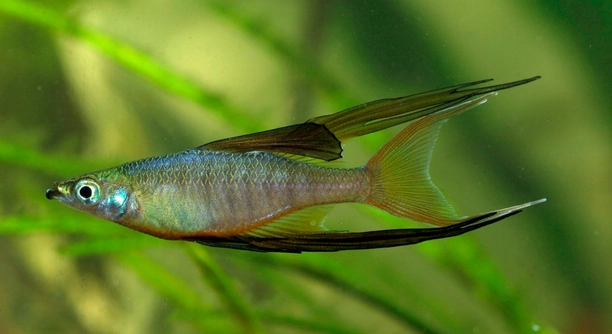
Do your threadfins seem restless or uncomfortable in their aquarium, despite having clean water and proper feeding routines? Poor tank flow might be the reason behind their unusual behavior and stress levels.
Threadfins react to poor tank flow by displaying erratic swimming, reduced activity, and difficulty maintaining balance. Inadequate circulation affects oxygen levels, waste removal, and food distribution, leading to stress, weakened immunity, and potential health issues over time.
Observing how these graceful fish respond to changes in water movement can help you create a more balanced and healthier aquatic environment for them.
Erratic Swimming Patterns
When tank flow weakens, threadfins often begin darting around unpredictably or swimming against invisible currents. This behavior stems from their instinct to seek consistent water movement, which helps them navigate and breathe efficiently. In aquariums with poor circulation, oxygen levels can drop unevenly, leaving certain areas stagnant and uncomfortable for them. Threadfins may swim rapidly near the filter or surface, trying to find zones with better oxygenation. Over time, this constant effort increases their stress and energy consumption, making them more prone to fatigue. The lack of consistent flow also disrupts waste removal, causing toxins to accumulate faster, which only worsens their restlessness and discomfort.
This erratic swimming may appear as playful movement at first, but it usually signals that your tank’s flow is uneven or insufficient. Watching how your threadfins behave can reveal early signs of circulation problems before they lead to more serious issues.
Adjusting your filtration system or adding a small water pump can restore balance, helping your threadfins move gracefully again. Proper water movement mimics their natural environment, reducing stress and supporting healthier, more natural behavior in your aquarium.
Lethargy and Reduced Activity
Poor tank flow can also make threadfins noticeably sluggish. Without steady circulation, oxygen and nutrients fail to spread evenly, leading to low-energy zones that leave your fish feeling drained.
When threadfins experience reduced water movement, they often remain near the bottom or cling to calmer corners, moving only when necessary. This inactivity is more than just relaxation—it’s a direct reaction to inadequate oxygenation and waste buildup. The lack of proper flow limits the supply of fresh, oxygen-rich water, slowing their metabolism and weakening their immune response. Over time, poor circulation creates a stagnant environment that encourages harmful bacteria growth, further stressing the fish. To prevent this, ensure your filter’s output covers all areas of the tank and avoid overcrowding. A gentle, continuous current promotes activity, healthier breathing, and better overall vitality for your threadfins.
Gasping Near the Surface
Threadfins gasping near the surface often indicate oxygen depletion caused by poor tank flow. Inadequate water movement prevents proper gas exchange, leaving lower areas of the tank oxygen-poor and forcing fish to seek air near the top.
This behavior may seem harmless, but prolonged surface gasping leads to fatigue and stress. Threadfins rely on dissolved oxygen to maintain energy and regulate metabolism, and stagnant water limits their ability to breathe efficiently. You might notice them hovering close to the surface for extended periods, occasionally gulping for air. Improving tank flow with an air stone or increased filter output enhances oxygen distribution, ensuring every part of the aquarium receives proper circulation. Consistent oxygen levels not only reduce gasping but also promote stronger coloration, better feeding response, and improved overall health.
Healthy water flow helps prevent this habit from recurring, keeping your threadfins comfortable and active throughout the tank.
Clamped Fins and Stress Indicators
Clamped fins are another clear sign of discomfort caused by insufficient water circulation. When threadfins hold their fins tightly against their bodies, it usually reflects tension, reduced energy, and weakened immune function from prolonged stress.
Poor tank flow leads to waste buildup and uneven temperature zones, both of which make the environment unstable. Threadfins are sensitive fish, and even small fluctuations in water quality can trigger stress responses like clamped fins or dull coloration. Continuous exposure to stagnant conditions can also make them more vulnerable to bacterial and fungal infections. Maintaining steady water flow ensures that oxygen, heat, and nutrients reach every corner of the tank evenly. Regularly cleaning filters, adjusting flow direction, and avoiding obstructions from plants or decorations can greatly reduce fin clamping. Creating a consistent, gentle current encourages relaxation, allowing your threadfins to display their natural, elegant fin movements freely once again.
Uneven Feeding Behavior
When tank flow is poor, food often settles in specific areas, causing threadfins to compete unevenly during feeding. Some may overeat while others struggle to find enough, leading to imbalanced nutrition and increased stress among the group.
Proper circulation ensures food particles move evenly, giving all fish equal access during feeding time. Without this balance, weaker threadfins may lose weight or become more susceptible to illness. Adjusting flow direction during feeding helps maintain fairness and supports overall tank harmony.
Accumulation of Waste
Insufficient water movement allows uneaten food and debris to settle in corners or behind decorations, creating pockets of waste. Over time, this buildup raises ammonia and nitrate levels, which can severely affect threadfins’ health and water clarity.
Maintaining steady tank flow helps prevent waste accumulation by keeping particles suspended long enough for filtration to remove them. Regularly checking filter strength and positioning it to cover hidden areas ensures proper circulation throughout the tank.
Loss of Color Vibrancy
Threadfins exposed to stagnant water often lose their natural shimmer due to stress and poor oxygenation. Consistent water flow enhances their color by improving blood circulation, reducing stress, and promoting a cleaner, healthier environment that supports their vibrant appearance.
FAQ
Why does poor tank flow affect threadfins so strongly?
Threadfins are sensitive, active fish that depend on consistent water movement to regulate breathing, feeding, and swimming patterns. When flow weakens, oxygen levels drop and waste accumulates, creating a stressful environment. Their delicate fins and streamlined bodies are adapted to flowing water, not stagnant conditions. Poor circulation also disrupts the even distribution of heat and nutrients, which can cause them to stay in one area of the tank and reduce activity. Over time, this imbalance weakens their immune system, making them more prone to illness. Consistent flow helps replicate their natural habitat, keeping them calm and healthy.
How can I tell if my threadfins are stressed due to weak water movement?
Signs of stress from poor flow include lethargy, gasping at the surface, clamped fins, and erratic swimming. You may also notice duller coloration or reduced feeding behavior. These changes indicate that oxygen is not circulating properly or that waste levels are increasing. If your fish frequently stay near the surface or cluster close to the filter, it’s a clear sign of uneven water distribution. Monitoring their daily behavior is the best way to detect early problems before they worsen. Subtle changes in activity often appear days before major health issues develop.
What are the ideal flow conditions for threadfins?
Threadfins thrive in moderate, steady currents that mimic their natural river or stream environments. The water should flow smoothly across the tank, avoiding overly strong pressure that might push them around. It’s important to create a balance—gentle enough for easy swimming but strong enough to prevent waste from settling. Using adjustable filters allows you to control speed and direction based on tank size and fish behavior. Aim for visible yet calm movement throughout the water column, with no dead spots where oxygen exchange is limited.
How often should I check and adjust the water flow?
You should observe your tank’s flow regularly, especially after cleaning, rearranging decorations, or adding new equipment. Filters can lose efficiency as debris builds up, so cleaning them every few weeks helps maintain consistent movement. Watch how the fish interact with the current—if they struggle or gather in still areas, it may be time to adjust flow direction. Small, gradual changes are best to avoid shocking your fish. Consistency is key; stable flow supports balanced oxygen levels, temperature, and waste removal throughout the aquarium.
Can poor tank flow cause long-term health problems?
Yes. Prolonged exposure to weak water movement can lead to chronic stress, poor appetite, and susceptibility to infections. Stagnant areas promote bacterial growth and reduced oxygen levels, which affect the fish’s gills and internal organs. Over time, these conditions can shorten their lifespan or lead to recurring illnesses. Maintaining strong yet gentle circulation helps prevent such problems and promotes steady growth and vibrant color. Healthy water movement ensures oxygen reaches every part of the tank, keeping your fish active and resilient.
What’s the best way to fix poor tank flow?
Start by cleaning the filter and checking that it’s operating at full capacity. Rearrange plants or decorations that may block water paths, and make sure your filter outlet or air stone reaches all parts of the tank. For larger setups, consider using an additional small pump or powerhead to improve circulation. The goal is even movement across every level of the aquarium without creating harsh turbulence. Testing oxygen levels and monitoring fish behavior afterward will confirm if your adjustments are effective.
Do threadfins need constant flow or occasional breaks?
Threadfins prefer consistent flow rather than sudden changes. While some fish enjoy resting in calmer zones, threadfins benefit from steady currents that match their natural environment. However, it’s still helpful to include areas with gentler movement for rest. Avoid extreme fluctuations in speed or direction, as these can stress the fish and disrupt their normal swimming rhythm. A balanced setup with both moderate flow and calm sections allows threadfins to remain active, comfortable, and less prone to exhaustion.
Can too much flow be harmful to threadfins?
Yes, excessive flow can tire them out and cause them to hide constantly. Their slender bodies are built for swimming in mild to moderate currents, not strong turbulence. If the water movement is too forceful, they may struggle to feed properly or maintain stable positions. You can spot this issue when they avoid open areas and cling to calmer spots. Adjusting your filter’s output or adding flow diffusers helps create a more suitable environment. Observing their swimming behavior is the best guide to determining whether your flow strength is appropriate.
Final Thoughts
Maintaining proper tank flow plays a major role in the overall health and comfort of your threadfins. These graceful fish depend on consistent water movement for breathing, feeding, and swimming. When the flow becomes too weak, oxygen levels drop, waste accumulates, and their natural behavior starts to change. Subtle signs like clamped fins, surface gasping, or loss of color can appear long before serious health issues occur. Paying attention to these early indicators helps prevent unnecessary stress and supports a stable aquatic environment. Even small changes, such as adjusting the filter output or cleaning it more frequently, can make a noticeable difference in how your threadfins move and behave. Maintaining balance in water flow ensures that every part of the tank remains oxygenated and free from harmful buildup.
A well-circulated tank is not just about aesthetics—it directly influences the quality of life for your fish. Threadfins thrive when their environment resembles the gentle, moving waters they are naturally accustomed to. Proper circulation helps distribute oxygen, temperature, and nutrients evenly, creating a balanced and healthy space. It also keeps the aquarium cleaner by reducing stagnant zones where debris and waste can collect. This not only benefits your threadfins but also helps maintain better water clarity and stability for all inhabitants. Regular observation is key. Watching how your threadfins swim, rest, and feed gives clear clues about whether the tank’s flow needs adjustment. By being attentive to these small details, you create conditions that help them stay active, vibrant, and stress-free.
Consistency is what truly matters when it comes to maintaining good flow. Sudden or extreme changes can be just as harmful as poor circulation, so it’s best to make gradual adjustments and keep a regular maintenance schedule. Cleaning filters, checking pump performance, and rearranging decorations when needed ensures that the current reaches every corner of the aquarium. A gentle yet steady current mimics their natural habitat and supports long-term health. The reward for maintaining proper flow is easy to see—your threadfins will swim gracefully, display brighter colors, and exhibit calm, natural behavior. Healthy water movement reflects a balanced tank, and a balanced tank means happy, thriving fish. With consistent care and attention, your threadfins can flourish beautifully in an environment that feels as natural and comfortable as possible.

Hello,
If you enjoy the content that we create, please consider saying a "Thank You!" by leaving a tip.
Every little bit helps us continue crafting quality advice that supports the health, happiness, and well-being of pets around the world, for pets of all shapes, sizes, and species.
We really appreciate the kindness and support that you show us!