
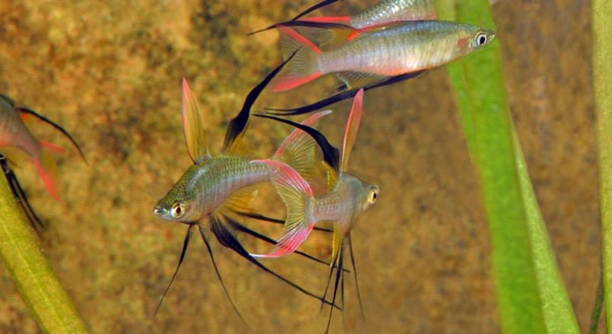
Have you ever noticed how your threadfin rainbowfish behave when you’re nearby, almost as if they know they’re being watched? Their shimmering colors and gentle movements can make any aquarium feel alive and fascinating.
Threadfin rainbowfish exhibit subtle behavioral changes when observed, often becoming more cautious and less active. Research suggests that visual attention from humans can influence their swimming patterns and social interactions, reflecting an awareness of environmental presence and potential perceived threats.
Understanding these behavioral shifts helps reveal how observation can affect aquatic life, offering insight into the delicate balance between natural instincts and environmental awareness.
Understanding Their Behavioral Shifts
Threadfin rainbowfish are known for their graceful swimming and peaceful nature, but when observed closely, their behavior can subtly change. They may slow down, cluster together, or retreat to shaded areas of the tank. These actions suggest they sense something different in their surroundings. This reaction often comes from an instinctive awareness developed in the wild, where movement or attention from larger beings could signal potential danger. Even in captivity, this awareness remains strong, guiding how they interact with their environment and with each other. When left undisturbed, their natural patterns—like exploring, displaying vibrant fins, and engaging with other fish—return quickly, showing how environment directly influences comfort and behavior.
Their awareness makes them unique among small freshwater species, showing that even gentle observation can alter their usual activity, much like other sensitive aquatic creatures adapting to attention or change in movement around them.
Recognizing these behavioral changes helps fish keepers provide a calmer, more stable environment where threadfin rainbowfish can display their natural beauty without fear or stress from human presence.
Why Observation Affects Them
Threadfin rainbowfish react to being watched because their vision and environmental sensitivity are highly developed. They detect light, shadows, and even subtle vibrations, which can signal potential threats or changes in their surroundings.
In home aquariums, direct observation often includes small vibrations from footsteps or the shift of light as someone approaches the tank. These signals are interpreted as possible disturbances, prompting cautious or defensive behavior. Over time, some fish may adjust, learning that observation does not pose harm, while others remain consistently alert. Studies suggest that constant human presence can influence feeding patterns and overall comfort levels, potentially leading to reduced social activity among groups. Creating a calm viewing environment—by minimizing sudden movement, keeping consistent lighting, and approaching gently—helps reduce stress responses. This balance allows threadfin rainbowfish to thrive and display their natural grace without sensing disruption or unease.
Creating a Comfortable Viewing Environment
Maintaining a calm setting helps reduce behavioral changes in threadfin rainbowfish. Sudden movements, shifting lights, or loud sounds can make them uneasy. Providing consistency in their surroundings encourages natural activity and prevents stress caused by external attention.
Keeping the tank in a quiet location with stable lighting helps threadfin rainbowfish feel secure. Avoid placing the aquarium in high-traffic areas where vibrations or frequent movements can occur. Adding floating plants or shaded zones allows them to retreat when feeling watched. Balanced water conditions and soft filtration also play a major role in maintaining their comfort. These small adjustments encourage steady swimming patterns, vibrant color displays, and natural feeding behaviors. Over time, they associate observation with calm rather than alarm, leading to a more relaxed atmosphere.
By offering a peaceful viewing space, you help your threadfin rainbowfish remain confident and expressive, maintaining their graceful movements without feeling exposed or disturbed.
Behavioral Signs to Look For
When threadfin rainbowfish feel observed, their reactions can be easy to miss at first. Subtle signs include shorter swimming paths, tighter group formations, or staying near plants and decorations more often than usual.
A noticeable drop in activity often means the fish sense a change in their environment. Threadfin rainbowfish may become less social or avoid open spaces when they feel watched. Some even reduce fin displays, which are usually part of normal interactions. Observing these patterns helps you understand their comfort levels and make necessary adjustments to reduce stress. Creating visual barriers, like background plants or hiding spaces, helps them regain confidence. When they feel safe, their bright colors intensify, and their natural curiosity returns. Recognizing and responding to these behavioral cues ensures a healthier and more content aquarium environment, where observation becomes a gentle presence instead of a source of discomfort.
The Role of Environment and Lighting
Lighting plays a major role in how threadfin rainbowfish react to observation. Bright or inconsistent lighting can make them feel exposed, while softer, evenly distributed light encourages calm movement and helps maintain their natural behavior patterns.
Natural light cycles that mimic day and night conditions help regulate their comfort. Avoid abrupt lighting changes or reflections, as these can startle them. Consistency supports their internal rhythm, allowing them to adjust naturally to the surrounding environment without unnecessary stress or agitation caused by visual disturbance.
How Human Interaction Influences Behavior
Frequent human presence can shape how threadfin rainbowfish behave over time. When approached calmly and consistently, they may grow used to observation, showing curiosity and openness. However, sudden gestures or vibrations can make them retreat or pause their activity. Developing gentle, predictable routines reduces anxiety and promotes trust. Over time, threadfin rainbowfish can differentiate between normal human movement and real environmental changes. This adaptation allows them to resume normal feeding and social behavior even under observation, proving that patience and consistency greatly improve their response to being watched.
Maintaining Consistent Conditions
Keeping stable water parameters ensures that threadfin rainbowfish stay relaxed and healthy. Temperature shifts, chemical imbalances, or noise can heighten stress responses, especially when paired with frequent observation. Balanced conditions help preserve their calm nature and promote continuous, natural interactions in their environment.
FAQ
Do threadfin rainbowfish notice when someone is watching them?
Yes, threadfin rainbowfish can sense when they are being watched. Their keen awareness of movement, light, and vibration helps them detect changes in their surroundings. Even subtle actions—like walking near the tank or leaning closer—can influence how they behave. When they notice consistent observation, they may become still or move more cautiously, especially if the watcher approaches quickly. Over time, they can grow accustomed to gentle human presence, especially if the environment stays calm and consistent. This adjustment reflects their intelligence and ability to adapt to controlled environments.
Why do my threadfin rainbowfish hide when I get close?
Hiding is a natural reaction to perceived threats or disturbances. Threadfin rainbowfish rely on instinctive caution, developed from living in open, predator-prone environments in the wild. Approaching the tank too quickly or making sudden movements can trigger that instinct, causing them to seek shelter. They usually hide among plants, behind decorations, or near shaded areas. Providing natural hiding spaces helps them feel secure and reduces stress when they sense movement outside the tank. As they become familiar with their keeper’s behavior, they often spend more time in open spaces, showing trust through relaxed swimming and vibrant coloration.
Can threadfin rainbowfish recognize their owners?
They cannot recognize humans the way mammals do, but they can learn to associate specific sights, movements, and routines with safety or feeding. Regular, gentle interaction—like feeding at the same time each day—helps them associate your presence with positive experiences. This type of recognition encourages curiosity and comfort, leading them to swim closer rather than hide. Threadfin rainbowfish thrive in predictable environments, so keeping consistent lighting, feeding, and maintenance schedules reinforces their sense of safety and familiarity with you. Over time, their reaction to your presence may shift from cautious observation to relaxed interest.
Do they become stressed from frequent observation?
Yes, frequent or intense observation can cause stress. If someone spends long periods near the tank or repeatedly moves around it, the fish may interpret this as a potential threat. Stress can appear through signs like fading colors, clumped fins, or reduced movement. To prevent this, create a calm viewing area where movements are limited, and lighting remains stable. Using plants or decorations to give them shelter options also helps. A relaxed fish will move gracefully, interact with others, and show brighter colors, indicating that observation is not disturbing their comfort.
How can I help them feel comfortable when being watched?
The key is consistency. Approach slowly, maintain even lighting, and avoid tapping the glass or making quick gestures. Ensure water conditions remain stable to support their overall calmness. Including floating plants and soft décor helps them feel less exposed. Threadfin rainbowfish adjust better when observation feels routine rather than abrupt. Some even become curious, swimming closer to observe you in return. Establishing a quiet atmosphere with gentle interaction supports both their natural behavior and their trust toward you.
Do threadfin rainbowfish behave differently in groups when observed?
Yes, group behavior can change under observation. Threadfin rainbowfish are social and rely on group cues for safety. When watched, they may tighten their formation, swim closer together, or reduce individual activity. This collective behavior serves as protection, similar to schooling habits in the wild. Once the perceived threat passes or observation lessens, they resume normal spacing and interactions. Watching how the group responds can reveal their comfort levels and overall social health. Balanced tank environments and calm observation help maintain natural group dynamics.
Can they get used to people watching them all the time?
They can adapt over time if the environment remains steady and non-threatening. Gradual exposure to human presence, with consistent behavior and no sudden disruptions, encourages familiarity. Many threadfin rainbowfish eventually become desensitized to observation, showing calm swimming and stable feeding routines even when watched closely. The key is predictability—maintaining the same approach, tone, and lighting conditions prevents stress from recurring. With patience, they learn that human observation poses no danger, and their natural beauty can be appreciated without affecting their comfort or well-being.
Final Thoughts
Observing threadfin rainbowfish offers a calm and fascinating look into how these gentle creatures respond to their surroundings. Their shimmering fins, graceful movements, and subtle awareness of what happens outside their tank show how deeply connected they are to every small change. Watching them can teach patience and respect for aquatic life, but it also reminds us that even quiet observation influences behavior. They are not passive decorations in an aquarium; they are living beings with instincts, perceptions, and reactions shaped by their environment and the energy around them. Recognizing this makes keeping them more meaningful and helps build a deeper understanding of their needs and comfort.
Providing them with a balanced environment, soft lighting, and minimal disturbances allows them to express their natural behavior without fear. Threadfin rainbowfish thrive best when their surroundings feel stable and predictable. Every action—whether adjusting the lights, approaching the tank, or feeding—can affect how secure they feel. Small choices, like creating shaded areas or reducing noise, help them remain calm and active. When they feel safe, their colors appear brighter, their movements become smoother, and their social interactions flourish. This balance between observation and respect allows them to live peacefully while offering a more genuine glimpse into their natural habits. Caring for them in this mindful way encourages a quiet connection built on understanding rather than control.
Appreciating threadfin rainbowfish for more than their appearance deepens the experience of keeping them. They teach how sensitivity and awareness play a role even in small creatures, reflecting how all living beings respond to attention and energy. When their environment is calm, they show confidence, curiosity, and gentle rhythm in every movement. Observing them mindfully, without disruption, transforms the act of watching into a peaceful exchange rather than a disturbance. It becomes a shared moment of trust between observer and observed. By respecting their boundaries and maintaining stability, their natural grace continues to shine, offering not only beauty but also a quiet reminder of how attentiveness shapes harmony in shared spaces. The more we understand their subtle responses, the more we realize that gentle observation is not about control but coexistence—creating a peaceful balance where both fish and keeper can thrive in calm connection.

Hello,
If you enjoy the content that we create, please consider saying a "Thank You!" by leaving a tip.
Every little bit helps us continue crafting quality advice that supports the health, happiness, and well-being of pets around the world, for pets of all shapes, sizes, and species.
We really appreciate the kindness and support that you show us!