
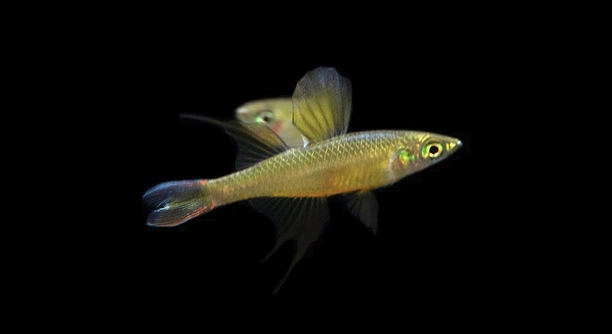
Threadfin Rainbowfish are small, vibrant freshwater fish that bring life to any aquarium. Their colors shimmer in different lights, making them a favorite for many fish enthusiasts looking to brighten their tanks naturally. These fish respond noticeably to lighting changes.
Threadfin Rainbowfish show the strongest responses to seven specific lighting colors: blue, green, red, white, yellow, purple, and orange. Each color influences their activity levels, coloration, and behavior, making lighting a key factor in maintaining their well-being.
Knowing which lighting colors affect these fish helps create a healthy and visually appealing environment in your aquarium for them to thrive comfortably.
Blue Lighting Effects
Blue lighting has a calming effect on Threadfin Rainbowfish. When exposed to blue light, their movements become smoother, and their vibrant colors appear deeper and more vivid. This light simulates natural twilight, which the fish often experience in their habitats. It can also encourage schooling behavior, as the fish feel more secure and coordinated under this tone. Over time, blue lighting helps reduce stress, especially for newly introduced fish. Many aquariums use dimmable blue LEDs to mimic dawn and dusk, helping maintain the fish’s natural rhythms. Observing them under blue light can reveal subtle patterns in their fins and scales that are less visible under harsher lighting. Careful timing and duration of blue light exposure are important, as too much can disrupt their natural cycles. For a balanced aquarium, combining blue with other lighting colors provides both visual appeal and behavioral stability.
Blue light makes the fish appear calmer and their colors richer, creating a peaceful and visually pleasing aquarium environment.
The intensity of blue light matters. Lower intensity creates soft shadows and gentle movements, while higher intensity can stress the fish. Pairing blue light with other lights, such as white or green, provides a natural gradient, helping Threadfin Rainbowfish adjust to daily light changes. Observing their reactions over several weeks allows you to fine-tune the lighting schedule. This approach supports both their health and display quality.
Green Lighting Effects
Green light tends to stimulate activity in Threadfin Rainbowfish.
Green lighting enhances their natural hues and promotes playful swimming patterns. It simulates underwater vegetation and gives the fish a comfortable environment. Unlike red or orange, green lighting is less stressful, making it ideal for community tanks. Consistent exposure to green light helps maintain alertness and supports feeding behavior. By adjusting brightness gradually, you can see a clear improvement in their overall activity. Many aquariums place green lights near plants to create a more natural and visually appealing layout. The combination of green with soft blue or white lighting can reduce sudden stress and make the fish more visible during daily observation. Regular monitoring ensures that the lighting remains suitable and avoids overexposure. Properly timed green light can also improve the fish’s coloration, making them stand out without causing agitation.
Green lighting not only boosts activity but also enhances coloration, supporting both health and the visual appeal of the aquarium.
Green light mimics plant-rich environments, encouraging the fish to explore and interact naturally. By integrating it with other colors, you create a balanced aquarium. It can reduce territorial aggression and help fish feel safer while swimming. Timing and intensity matter: too much can overwhelm, while too little may reduce benefits. Using green strategically enhances feeding behavior, display quality, and overall aquarium harmony, making it a reliable choice for maintaining a lively but stress-free habitat.
Red Lighting Effects
Red light can make Threadfin Rainbowfish more active, but it should be used sparingly. It highlights certain colors in their fins, making them appear brighter, but overexposure can cause stress and agitation in the tank environment.
Red lighting works best in short bursts, such as during feeding times. It stimulates activity and makes fish display more vivid colors temporarily. Unlike blue or green, constant red light may overwhelm their senses, so timing is essential. Observing the fish’s behavior helps determine the ideal duration. Combining red with softer lighting like white or blue balances the visual effect and reduces potential stress. This careful approach ensures the aquarium remains both lively and comfortable for the fish, enhancing their natural beauty without compromising health.
Using red strategically can draw attention to specific behaviors or features. Adjusting intensity gradually prevents sudden stress and keeps the fish comfortable while maintaining their natural patterns. Red light is effective for brief visual highlights in the aquarium.
White Lighting Effects
White lighting gives a natural, balanced view of the Threadfin Rainbowfish. It simulates daylight, making their colors more visible and helping them maintain regular activity. Consistent white light supports normal feeding, swimming, and social interactions.
White light can be adjusted in intensity to suit different times of day. High-intensity white light highlights colors and details, while lower intensity provides a softer, calming effect. It works well combined with other lighting colors to simulate dawn and dusk cycles, helping the fish feel secure. The even illumination reduces shadows that can cause stress, especially in newly set-up tanks. Using timers ensures a regular cycle, supporting healthy behavioral rhythms. This approach helps maintain overall tank harmony while showing off the fish’s natural beauty.
Balanced white lighting is essential for the fish’s daily routine. It enhances visibility and supports natural behaviors. Pairing white with subtle blues or greens creates a realistic aquatic environment. Consistent timing prevents stress, ensures regular activity, and maintains overall tank stability. White light helps keep the fish comfortable while allowing their colors to shine without overwhelming them, creating a lively but stable aquarium setting.
Yellow Lighting Effects
Yellow light can make Threadfin Rainbowfish appear warmer and more vibrant. It creates a soft, inviting glow in the aquarium, encouraging calm swimming and interaction among the fish.
Using yellow light in moderation helps highlight subtle color patterns on fins and scales. Overuse may reduce contrast with other lighting colors, so it’s best combined with blue or white lights for balance.
Purple Lighting Effects
Purple lighting emphasizes the fish’s bright markings and adds depth to the aquarium environment. It stimulates mild activity without causing stress, making the fish more visually striking. Purple light works best when used alongside softer tones, creating a gentle gradient that enhances natural coloration and maintains healthy behavior.
Orange Lighting Effects
Orange lighting brings out the warm hues in Threadfin Rainbowfish, enhancing their natural appearance. It encourages playful movement and social interaction, making the aquarium feel lively and visually appealing.
FAQ
How long should Threadfin Rainbowfish be exposed to colored lighting each day?
Threadfin Rainbowfish benefit from about 8 to 10 hours of light daily. Consistent exposure helps maintain natural behavior and coloration. Too much light can stress them, while too little may reduce activity and dull colors. Using a timer ensures a steady schedule without constant monitoring. Adjust lighting gradually when changing colors to avoid startling the fish. Combining colored lights with white or blue light can simulate natural day-night cycles, giving the fish both stimulation and rest. Observing their responses helps fine-tune the duration for a balanced aquarium environment.
Can colored lighting affect the health of Threadfin Rainbowfish?
Yes, colored lighting can impact both physical and mental health. Proper lighting enhances mood, encourages natural activity, and maintains vibrant coloration. Overexposure to intense colors like red or orange can cause stress, leading to erratic swimming or hiding. Dimmer, balanced lighting reduces aggression and prevents fatigue. Alternating colors in moderation and ensuring a natural light-dark cycle are key. Poor lighting can indirectly affect feeding habits and growth. Careful monitoring of the fish under different lights helps detect any signs of stress early. Creating a harmonious blend of colors ensures health is maintained without sacrificing visual appeal.
Which color is best for promoting calm behavior?
Blue and soft white lights are most effective for calming Threadfin Rainbowfish. These colors mimic natural underwater conditions, reducing stress and supporting smooth, gentle movements. Using blue light during the evening or low-intensity white during the day encourages rest while still highlighting natural colors. Avoid intense red or orange lighting for extended periods, as these can cause agitation. Pairing calm colors with gradual transitions helps the fish feel secure in their environment. Observing their schooling patterns and interactions under these lights confirms that the setup promotes a relaxed, healthy tank atmosphere.
How do different lighting colors affect feeding habits?
Certain colors can influence appetite and activity during feeding. Green and white lights tend to stimulate natural feeding behavior, encouraging the fish to explore the tank and search for food. Red light can temporarily excite the fish, making feeding more active but should be used briefly. Blue and purple lighting create a calmer setting, which can reduce frantic competition at feeding times. Using a combination of colors throughout the day ensures balanced activity and prevents stress-related feeding issues. Timing feedings to coincide with appropriate lighting can support both nutrition and overall tank harmony.
Is it necessary to switch between colors daily?
Switching colors daily is not required but can benefit the fish if done thoughtfully. Alternating colors gradually mimics natural light changes in the wild and keeps the fish visually stimulated. Avoid abrupt shifts, which may cause stress or hiding behavior. Consistent cycles of primary colors like blue, green, and white, with occasional highlights of red or orange, maintain a balanced environment. Timers and dimmers make transitions smoother. Monitoring how the fish react to different schedules helps create an effective, comfortable lighting routine that supports natural behaviors and keeps their coloration vivid.
Can lighting influence social behavior among Threadfin Rainbowfish?
Yes, lighting has a direct effect on schooling and interaction. Blue and green lights tend to encourage cohesive swimming and calm group behavior, while red or orange may trigger temporary bursts of activity or territorial displays. Purple lighting enhances visibility without causing agitation. A balanced lighting setup fosters healthy social interaction, reduces aggression, and allows the fish to display natural behaviors. Observing how the fish respond under different lighting helps refine the setup to encourage harmony while still making the aquarium visually appealing.
Should I combine multiple colors at once or use them individually?
Combining colors often works best when done carefully. Soft layers of blue, white, and green can create a natural gradient that enhances the fish’s appearance and supports normal behavior. Using strong colors like red or orange sparingly prevents overstimulation. Gradual transitions between lights are more effective than abrupt changes, maintaining both visual interest and behavioral stability. Layering colors strategically allows you to highlight the fish’s vibrant patterns without compromising their comfort. Regular observation ensures that the combination maintains health, calmness, and activity in the aquarium.
How can I tell if a lighting color is stressing my fish?
Signs of stress include hiding, rapid breathing, erratic swimming, or loss of color vibrancy. If the fish avoid certain areas or appear lethargic, the lighting may be too intense or the wrong color for prolonged exposure. Gradually adjusting intensity, duration, or switching to calmer tones usually helps. Observing feeding behavior and interactions with other fish provides additional clues. Healthy, unstressed fish will swim freely, feed reliably, and display bright coloration under suitable lighting conditions.
Does tank decoration interact with lighting effects?
Yes, decorations can enhance or diminish the impact of lighting. Plants, rocks, and backgrounds can diffuse light, creating shadows or reflections that affect the fish’s perception. Green plants combined with blue or white light often create a natural, calming environment. Bright decorations under intense colors may overstimulate the fish, while muted tones balance the visual impact. Positioning decorations strategically allows the fish to find comfortable spaces while highlighting colors effectively. Adjusting both lighting and decor together ensures a visually appealing and stress-free tank environment for Threadfin Rainbowfish.
Are there any long-term benefits to using multiple lighting colors?
Using multiple colors thoughtfully supports natural behavior, vibrant coloration, and reduced stress over time. Alternating colors can simulate natural light conditions, enhancing overall health and activity patterns. Balanced lighting prevents monotony and helps the fish adapt to gradual changes, supporting their long-term well-being. Properly managed, colored lighting contributes to a lively, visually rich aquarium without causing strain or fatigue. Observation and incremental adjustments maximize these benefits while keeping the environment safe and enjoyable for the fish.
Final Thoughts
Threadfin Rainbowfish are small but visually striking fish that respond clearly to lighting in their aquarium. Using the right colors can enhance their natural beauty and encourage healthy behavior. Each lighting color affects them differently, from calming blue tones to stimulating red or orange highlights. Observing the fish under these lights helps you understand which colors support their activity, feeding, and social interactions. By carefully planning your lighting setup, you can create an environment that allows the fish to feel comfortable while making your aquarium more visually appealing. Consistency and balance are key, as sudden changes or prolonged exposure to intense colors can cause stress or agitation.
It is important to combine colors thoughtfully rather than using just one light type. Blue and white lights help simulate natural daylight and calm the fish, while green encourages activity and exploration. Occasional use of red, orange, or purple can highlight their vibrant patterns, but these colors should not dominate the tank for long periods. Gradual transitions between lighting types help the fish adjust without experiencing stress. Timers and dimmers are useful tools for managing the schedule, ensuring the fish have predictable periods of light and darkness. This approach not only enhances the appearance of the aquarium but also supports the fish’s overall well-being. Monitoring their behavior regularly allows for adjustments, ensuring that the lighting remains both effective and comfortable.
Lighting is just one part of maintaining a healthy environment for Threadfin Rainbowfish. Along with proper water quality, feeding, and tank setup, the right lighting contributes to long-term health and vitality. Watching how they react to different colors provides valuable insight into their needs and preferences. Creating a balanced and visually appealing aquarium is a combination of science and observation. With careful planning, these fish can thrive while displaying their full range of colors and natural behaviors. Proper lighting enhances both their appearance and their quality of life, making the aquarium a pleasant and lively space for them to live in. Regular attention and thoughtful adjustments ensure that the Threadfin Rainbowfish remain active, healthy, and colorful over time.

Hello,
If you enjoy the content that we create, please consider saying a "Thank You!" by leaving a tip.
Every little bit helps us continue crafting quality advice that supports the health, happiness, and well-being of pets around the world, for pets of all shapes, sizes, and species.
We really appreciate the kindness and support that you show us!