
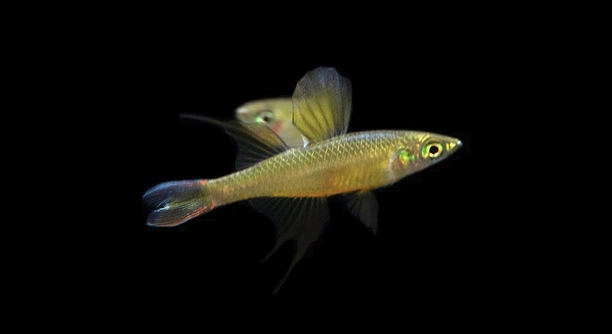
Have you ever noticed your Threadfin Rainbowfish swimming in loops or darting suddenly around the tank? These small, colorful fish often move in ways that make you wonder if they are expressing something beyond just swimming.
Threadfin Rainbowfish exhibit subtle behaviors that may indicate emotional states. Changes in swimming speed, fin position, and interactions with tank mates can reflect stress, curiosity, or contentment, suggesting a link between movement patterns and emotional expression in this species.
Observing these patterns can reveal more about their well-being and the ways they communicate without words. Understanding movement helps create a healthier environment for them.
How Threadfin Rainbowfish Move
Threadfin Rainbowfish are constantly on the move. They swim in small groups and adjust their speed depending on the situation. Quick dashes often happen when they feel startled or notice changes in their environment. Gentle, steady swimming usually occurs when they feel safe and comfortable. Observing their fin positions gives clues too—fins held high can show alertness, while relaxed fins indicate calmness. Their tails are expressive, moving more sharply when they react to something new or exciting in the tank. Even the way they interact with other fish shows emotion; a shy fish may avoid contact, while a confident one may swim closer. Lighting and tank layout affect their behavior as well. Shadows or new decorations can trigger brief bursts of speed or hiding. Regular observation helps notice patterns over time, allowing you to better understand your fish’s moods and reactions.
Swimming patterns often hint at stress or curiosity, depending on timing and consistency.
These subtle movements are more than random activity. Each change in speed, direction, or interaction can indicate how the fish is feeling. Recognizing these behaviors helps maintain a healthy environment. Tracking their routine can reveal stress triggers, comfort zones, and preferred swimming areas. Over time, these observations can improve tank design, feeding schedules, and social groupings, ensuring each fish remains balanced and engaged. Small details, like a sudden dash across the tank, can signal excitement or alarm. Noticing how fins flare or tails flick can further clarify reactions. While some fish are naturally more active, consistent patterns often reflect emotional states. Even minor changes, such as lingering near a favorite spot or avoiding certain areas, provide insight. Paying attention to these cues allows for adjustments that reduce stress, encourage natural behavior, and support overall health. A careful observer will find that movement is a silent language the fish uses every day.
Reading Emotional Cues
Tail flicks, sudden dashes, and slow gliding are primary indicators of mood.
Understanding these cues allows you to respond appropriately. Recognizing stress or contentment in Threadfin Rainbowfish improves care and interaction.
Observing your Threadfin Rainbowfish regularly reveals consistent patterns in their behavior. Sudden changes in swimming, hiding more than usual, or flaring fins can indicate discomfort, fear, or excitement. Conversely, relaxed swimming and social interaction show contentment. Their responses to feeding, tank changes, and other fish provide valuable clues. Emotional cues are often subtle, requiring patience to interpret accurately. Maintaining proper water conditions, lighting, and compatible tank mates supports positive emotional states. Social interactions within a group can reveal hierarchy, preference, and stress levels. By noting recurring behaviors, you can better predict reactions to environmental changes. Observations can also inform adjustments to tank layout or feeding schedules. Learning these patterns fosters a deeper understanding of the fish, allowing for tailored care that reduces stress and encourages natural behaviors. Recognizing emotional cues ultimately enhances the well-being of Threadfin Rainbowfish.
Signs of Stress in Threadfin Rainbowfish
Rapid darting, hiding, and clamped fins are common signs of stress. Changes in appetite or avoiding other fish also indicate discomfort, often caused by tank changes or poor water conditions.
Stress affects both physical health and behavior. Fish may lose color, swim erratically, or avoid usual resting spots. Overcrowding, sudden temperature shifts, or aggressive tank mates can trigger these responses. Observing their daily routines helps identify deviations that signal stress. Sometimes minor adjustments, like rearranging plants or providing hiding spaces, can reduce tension. Stress can be subtle, appearing as small changes in movement or social interaction. Maintaining clean water and consistent conditions is crucial.
Long-term stress can impact growth, immune response, and social behavior. Persistent stress may lead to illness or reduced lifespan. By recognizing early signs, you can intervene before problems escalate. Adjusting tank conditions, monitoring water parameters, and ensuring compatible groupings support emotional and physical health. Even minor changes, like adding a few decorations or rearranging hiding spots, can reduce stress. Attention to detail in daily observation ensures that the fish remain comfortable, balanced, and active. Understanding their signals strengthens care and promotes a stable environment.
Interpreting Curiosity and Play
Threadfin Rainbowfish often explore new areas or follow each other, showing curiosity and engagement.
Curiosity is displayed through slow, deliberate movements around new objects or unfamiliar sections of the tank. Fish may investigate plants, decorations, or even bubbles, often returning to the same spots repeatedly. Playful swimming, chasing, or gentle nudges between fish signals positive emotional states. Unlike stress-driven movements, these behaviors are relaxed, with fins spread and steady swimming patterns. Environmental enrichment encourages exploration and natural activity. Patterns of curiosity can reveal preferences, favorite areas, or compatible companions. Observing these behaviors over time helps identify what makes them feel comfortable and engaged in their surroundings.
Encouraging curiosity involves providing variety and challenges in the tank, such as safe hiding spots, plants, or floating objects. Watching how they interact with these elements reveals personality differences and social tendencies. Some fish may be bold, investigating new areas first, while others are cautious. Allowing this natural behavior supports mental stimulation, reducing boredom and promoting healthy activity. Tracking how fish respond to changes helps refine tank setup and interactions. Curiosity-driven exploration contributes to well-being, offering insight into mood, intelligence, and adaptability. A thoughtfully arranged environment makes observing these behaviors rewarding and informative.
Social Interactions
Threadfin Rainbowfish show emotion through how they interact with each other. Swimming close together or mirroring movements often signals comfort, while avoiding others can indicate stress or discomfort.
Aggressive or dominant behavior may occur in limited spaces. Observing how fish respond to each other helps identify social hierarchy and individual personalities.
Responses to Feeding
Fish often display excitement or anticipation when feeding time approaches. Faster swimming, circling, and active fin movements indicate alertness and positive engagement.
Not all fish react the same way; some may stay in calmer areas, showing preference or caution. Recognizing these responses allows better understanding of individual temperaments and ensures all fish get attention during feeding.
Environmental Influence
Tank layout, decorations, and hiding spots directly affect movement and emotional expression.
A well-structured environment promotes natural exploration, reduces stress, and encourages positive social behaviors among Threadfin Rainbowfish.
FAQ
How can I tell if my Threadfin Rainbowfish is stressed?
Stress in Threadfin Rainbowfish often shows in movement and behavior. Rapid darting, clamped fins, hiding, or avoiding other fish are common signs. Loss of color or reduced appetite can also indicate stress. Observing daily patterns helps spot changes early, allowing adjustments to improve comfort.
What are the signs of happiness in these fish?
Content Threadfin Rainbowfish swim steadily with relaxed fins, explore their environment, and interact positively with tank mates. Curiosity-driven behaviors, such as investigating plants or decorations, also suggest they feel safe and comfortable. Regular social interactions without aggression are a good indicator of well-being.
Do Threadfin Rainbowfish respond to tank changes?
Yes, they are sensitive to environmental changes. Adding new decorations, rearranging plants, or introducing tank mates can trigger exploratory or cautious behavior. Sudden shifts in temperature, lighting, or water parameters may cause stress, reflected in erratic swimming or hiding. Gradual adjustments help minimize stress responses.
Can movement indicate illness?
Abnormal swimming, lethargy, or repeated rubbing against surfaces may suggest health issues. Persistent clamped fins, gasping at the surface, or unsteady movement can also signal disease. Monitoring behavior closely and checking water quality is essential to address problems early.
How does group size affect behavior?
Threadfin Rainbowfish prefer small groups. Being alone or in overcrowded tanks can impact movement and emotional expression. Proper group sizes encourage natural social behavior, reduce stress, and allow individual fish to interact comfortably, showing clear patterns of curiosity and play.
Is tail and fin movement meaningful?
Yes, tail flicks, fin spreading, and body posture often indicate emotional states. Sharp tail movements can reflect alertness or excitement, while relaxed fins signal comfort. Observing these movements over time helps understand individual moods and overall tank dynamics.
Do feeding habits show emotion?
Feeding time often triggers visible excitement, such as fast swimming, circling, or approaching the food quickly. Some fish may act more cautious, revealing personality differences. Watching reactions to food provides insight into temperament and helps ensure all fish receive proper attention.
How can I encourage positive behavior?
Providing a structured tank with hiding spots, plants, and safe decorations promotes natural exploration. Stable water conditions, compatible tank mates, and consistent feeding routines support emotional well-being. Observing and adjusting to preferences helps fish feel secure and engaged.
Can these fish bond with each other?
Threadfin Rainbowfish show social bonding through coordinated swimming, mirroring movements, and staying close to favored tank mates. Avoidance or separation may indicate stress, illness, or incompatibility. Group dynamics influence overall emotional expression and movement patterns.
How often should I observe behavior?
Daily observation is ideal. Short, consistent monitoring sessions reveal patterns, deviations, and emotional states. Noting subtle changes in swimming, interactions, and responses to the environment ensures timely interventions and maintains a healthy, engaging tank.
Do environmental enrichments make a difference?
Yes, plants, decorations, and hiding spots encourage exploration and reduce boredom. Curiosity-driven behaviors become more frequent, and fish display more natural swimming patterns. Enrichments help maintain both emotional and physical health, promoting a balanced and active tank environment.
Can I tell individual personalities?
Over time, repeated observation reveals differences. Some fish are bold and curious, while others are cautious or shy. Personality differences influence swimming, social interactions, and reactions to environmental changes. Understanding these traits allows tailored care for each fish.
What role does water quality play in movement?
Poor water quality often causes stress, lethargy, or erratic swimming. Maintaining proper temperature, pH, and cleanliness directly affects both health and emotional expression. Regular testing and adjustments help fish remain comfortable and active.
Are there signs of excitement beyond feeding?
Yes, sudden dashes, exploring new areas, or interacting more with tank mates can indicate excitement. Positive environmental changes, gentle disturbances, or safe enrichment activities often trigger these behaviors, showing the fish are engaged and emotionally stimulated.
How can I reduce stress effectively?
Gradual environmental changes, consistent water parameters, proper tank size, and compatible groupings reduce stress. Observing responses to minor adjustments, like adding a hiding spot or changing lighting slowly, helps ensure comfort. Attention to detail in daily care supports both physical and emotional health.
Do these fish communicate emotions to each other?
Movement and social interactions serve as a form of communication. Following, mirroring, or subtle nudges convey comfort, curiosity, or dominance. Observing these interactions helps understand group dynamics and emotional states within the tank.
Can long-term observation improve care?
Yes, tracking behavior over weeks reveals patterns, preferences, and triggers. Understanding these details allows proactive adjustments to tank setup, feeding routines, and social arrangements, improving the overall quality of life for the fish.
Are sudden movements always negative?
Not always. Quick dashes can indicate excitement, curiosity, or alertness, not just stress. Context, frequency, and accompanying behaviors help interpret meaning. Observing the full range of movements is key to understanding emotional expression.
How do I balance curiosity and safety?
Provide enrichment that encourages exploration while ensuring safe hiding spaces. Avoid overcrowding and monitor reactions to changes. Supporting natural curiosity without causing stress promotes healthy, emotionally balanced behavior in Threadfin Rainbowfish.
Do they show preferences for specific tank areas?
Yes, fish often have favorite spots or routes. Repeated visits to certain areas suggest comfort, safety, or interest. Observing these preferences helps optimize tank layout, ensuring both mental stimulation and security.
Can observing emotions help prevent illness?
Behavioral changes often appear before physical symptoms. Noticing stress, lethargy, or abnormal interactions early allows timely interventions. Combining careful observation with proper water maintenance and diet supports long-term health and well-being.
Is it normal for some fish to be more active than others?
Yes, individual differences are common. Some fish naturally swim more or explore more extensively. Recognizing these patterns helps understand personalities and ensures all fish receive proper care and engagement.
Do environmental changes affect group dynamics?
Yes, introducing new decorations, plants, or tank mates can shift social behavior. Observing interactions helps manage compatibility, reduce stress, and maintain balanced movement patterns within the group.
How do I interpret hiding behavior?
Frequent hiding can indicate stress, fear, or illness, while occasional use of shelters is normal and comforting. Noting patterns helps differentiate between natural behavior and potential problems.
Can observing emotional expression enhance my connection with the fish?
Yes, recognizing moods and personalities makes care more responsive. Understanding how they express stress, curiosity, or contentment builds a more informed and attentive environment, improving both fish health and enjoyment in keeping them.
What is the best way to start observing behaviors?
Begin with short, regular observation sessions. Note swimming patterns, interactions, feeding responses, and use of tank space. Gradually build a record to detect changes and understand emotional expression accurately.
How much does tank design impact movement?
Tank layout directly influences swimming, hiding, and social interactions. Plants, open spaces, and decorations allow natural exploration and reduce stress. Thoughtful design supports emotional and physical well-being by encouraging positive behaviors and minimizing conflict.
Is it possible to misinterpret behavior?
Yes, context matters. Sudden movement, hiding, or chasing may have different meanings depending on timing, environment, and group dynamics. Careful observation over time reduces misinterpretation and helps understand emotional cues accurately.
Can changes in lighting affect emotions?
Yes, lighting impacts activity and comfort. Bright or sudden changes can cause stress, while gentle, consistent lighting promotes calm exploration and positive social interactions. Gradual adjustments help fish adapt without negative reactions.
Do these fish enjoy interaction without being stressed?
Yes, interaction with tank mates or enrichment can be positive. Calm, curious engagement, following movements, or coordinated swimming shows comfort. Observing reactions ensures that engagement remains enjoyable and not stressful.
How do I know if enrichment is effective?
Increased exploration, playful swimming, and repeated interaction with objects indicate effective enrichment. Reduced hiding, more relaxed movement, and positive social behaviors also show engagement and comfort.
Are sudden changes in swimming patterns always temporary?
Not always. Short-term changes may reflect curiosity or excitement, while persistent deviations can indicate stress or illness. Observing frequency, context, and accompanying signs helps determine whether intervention is needed.
Can I predict their behavior based on past observation?
Yes, consistent tracking reveals preferences, social tendencies, and emotional responses. Patterns help anticipate reactions to feeding, environmental changes, or new tank mates, improving care and promoting well-being.
Is it important to observe behavior daily?
Yes, daily observation captures subtle changes that can indicate stress, illness, or emotional shifts. Regular monitoring ensures timely adjustments to environment, feeding, and social groupings, supporting overall health.
Can movement patterns reveal personality differences?
Yes, bold, active fish differ from shy, cautious ones. Observing tendencies in exploration, social behavior, and reactions to stimuli highlights individual traits, allowing tailored care and better tank management.
How do I differentiate between stress and excitement?
Context and consistency are key. Stress often includes hiding, erratic swimming, or clamped fins, while excitement shows alertness, playful movement, and relaxed fins. Observing multiple behaviors together helps distinguish emotional states.
Does observing emotions improve long-term care?
Yes, understanding movement and social cues allows proactive adjustments in tank layout, group management, and environmental enrichment. Care becomes more responsive, supporting both emotional and physical health for Threadfin Rainbowfish.
Can observing interactions prevent conflicts?
Yes, noticing aggressive or dominant behavior early allows intervention, such as rearranging tank mates or adding hiding spaces. Monitoring social dynamics maintains harmony and reduces stress, supporting healthy group behavior.
Are there signs of boredom?
Lack of exploration, repetitive swimming in the same area, or ignoring enrichment can indicate boredom. Providing new objects or rearranging tank elements encourages activity and curiosity.
Do water temperature and quality affect emotion?
Absolutely. Unstable temperatures or poor water conditions can cause stress, lethargy, and abnormal movement. Consistent, clean water is essential for emotional stability and healthy activity patterns.
How do I balance safety with exploration?
Provide open areas for swimming alongside safe hiding spots. Monitor interactions and adjust tank layout to support natural curiosity while minimizing stress and aggression.
Can observing feeding behavior reveal hierarchy?
Yes, bolder fish often approach food first, while shy individuals wait or stay back. Noting these patterns helps manage feeding and ensures all fish are cared for fairly.
How does social grouping impact emotional expression?
Group size and compatibility affect interactions, stress levels, and swimming patterns. Balanced groups promote curiosity, play, and relaxed movement, while poor arrangements can cause hiding or aggression.
Is it normal for some fish to prefer corners or plants?
Yes, these preferences reflect comfort zones. Regular use of hiding spots is normal, while avoidance of open areas may indicate caution, stress, or social hierarchy effects.
Do fish express curiosity differently in pairs versus groups?
Yes, behavior varies with group size. Pairs may show more individual exploration, while groups engage in coordinated swimming and social interactions, revealing both personality and social dynamics.
How long does it take to notice consistent behavior patterns?
Usually a few weeks of daily observation reveal trends. Tracking swimming, interactions, and responses to environmental changes helps identify emotional states and individual traits reliably.
Can enrichment prevent stress?
Yes, appropriate enrichment encourages natural activity, reduces boredom, and lowers stress. Observing interactions with plants, hiding spots, and objects confirms effectiveness and supports emotional well-being.
Do Threadfin Rainbowfish have favorite companions?
Yes, repeated close swimming and following behaviors indicate preference. Observing these bonds helps maintain social harmony and ensures positive emotional expression within the group.
Can personality differences affect feeding order?
Absolutely. Bold or curious fish often eat first, while cautious fish wait. Understanding this helps adjust feeding strategies and ensures equitable nutrition.
How do I know if a behavior change is serious?
Persistent hiding, loss of appetite, or erratic swimming over several days suggests a problem. Cross-check with water conditions and tank changes to determine the cause and act accordingly.
Do fish react differently to familiar versus new environments?
Yes, familiar surroundings promote steady, relaxed swimming, while new objects or rearranged layouts may trigger exploration or cautious movements. Gradual changes help adaptation and reduce stress.
Can observing movement prevent disease?
Yes, early detection of unusual swimming, lethargy, or social withdrawal allows prompt action, often preventing illness or complications.
Do environmental cues affect group cohesion?
Yes, open spaces and clear sightlines encourage coordinated swimming and social bonding, while crowded or cluttered areas may increase hiding or conflict.
How can I encourage shy fish to explore?
Provide gentle environmental enrichment, stable water parameters, and safe hiding spots. Gradual exposure to open areas allows cautious fish to explore comfortably.
Can water flow influence emotional expression?
Yes, gentle currents encourage swimming and exploration, while strong currents can cause stress or fatigue. Observing reactions ensures suitable flow for comfort and activity.
How do I track long-term behavioral changes?
Keep a daily log noting swimming patterns, feeding responses, interactions, and reactions to tank changes. Over time, trends reveal personalities, stress triggers, and emotional responses.
Are there seasonal or lighting effects on behavior?
Yes, natural changes in daylight or seasonal temperature shifts may alter activity levels and swimming patterns. Gradual adjustments help fish adapt without stress.
Do these fish recognize tank mates individually?
Yes, repeated interactions, following, or avoiding certain fish show recognition and preference, influencing social dynamics and emotional expression.
Can movement indicate readiness to breed?
Increased activity, chasing, or displaying fin flares may suggest breeding readiness. Observing patterns and social interactions helps identify potential spawning behavior.
How do I balance observation with minimal disturbance?
Observe quietly from outside the tank, avoid tapping or sudden movements, and keep sessions brief but consistent. This ensures accurate readings of natural behavior.
Do fish learn from observing others?
Yes, Threadfin Rainbowfish often mimic movements, follow swimming routes, or explore areas others investigate, showing social learning and adaptation.
Can I predict stress based on past reactions?
Yes, knowing how fish responded to previous changes helps anticipate emotional responses and allows proactive adjustments to reduce stress.
Are there signs of boredom besides inactivity?
Repetitive swimming in the same area, ignoring enrichment, or minimal interaction with tank mates often indicate boredom, suggesting a need for environmental stimulation.
Does tank size influence emotional expression?
Yes, larger tanks allow natural swimming, exploration, and social behavior. Small or overcrowded tanks can increase stress, hiding, and aggression.
Can observing movement guide tank arrangement?
Yes, tracking preferred swimming routes, hiding spots, and social interactions helps optimize tank layout for comfort, activity, and positive emotional expression.
Do fish express curiosity differently at night?
Some may reduce activity or stay near shelter, while others explore under dim lighting. Patterns vary individually, reflecting comfort levels and personality traits.
How do I encourage positive social behavior?
Provide adequate space, compatible groupings, and environmental enrichment. Monitor interactions and adjust layout to minimize aggression and support natural coordination.
Can observing subtle movements reveal discomfort?
Yes, slight fin clamping, hesitation, or slow swimming may indicate mild stress or minor environmental issues, allowing early intervention before serious problems develop.
How do I differentiate play from aggression?
Play involves relaxed swimming, chasing without harm, and mirrored movements. Aggression includes biting, chasing with flared fins, and forcing others into hiding. Observation and context clarify intentions.
Do fish react differently to different types of enrichment?
Yes, some prefer plants, others enjoy floating objects or hiding spots. Observing interactions helps tailor enrichment for mental stimulation and positive emotional expression.
Can observing emotions improve tank harmony?
Yes, understanding moods and personalities guides group management, reduces conflict, and supports social bonding, leading to a calmer, more balanced environment.
Do water changes affect behavior immediately?
Yes, fresh water can trigger exploration or cautious swimming. Sudden changes in temperature or parameters may cause temporary stress. Gradual adjustments minimize negative reactions.
How can I tell if a shy fish is improving?
Increased exploration, reduced hiding, and more social interaction indicate growing confidence. Tracking gradual progress helps measure comfort and adaptation over time.
Are there ways to track individual moods?
Yes, noting swimming patterns, interactions, and responses to feeding or enrichment daily allows recognition of each fish’s emotional trends.
Do fish remember stressful events?
They may respond cautiously to areas or objects associated with previous stress. Observing avoidance or hesitancy helps identify triggers and guide care adjustments.
Can lighting schedules influence movement patterns?
Yes, consistent day-night cycles promote natural swimming, exploration, and rest, while sudden or irregular lighting can cause stress or confusion.
Is observing behavior more important than visual health checks?
Both are essential. Movement, social interactions, and emotional cues often reveal problems before physical symptoms appear, allowing timely intervention and improved care.
Do fish show signs of excitement during tank cleaning?
Some exhibit curiosity or alertness, investigating changes. Others may hide. Observing reactions ensures cleaning minimizes stress while maintaining engagement.
How long should observation sessions last?
Short, consistent periods—10–15 minutes daily—are effective. Focused attention captures subtle behaviors without disturbing natural patterns.
Can observing emotional expression improve breeding success?
Yes, understanding social dynamics, stress levels, and preferred interactions helps create optimal conditions for spawning and reduces interference from stress or aggression.
Do all fish in a group express emotion similarly?
No, individual differences exist. Some are bold and active, others cautious. Tracking these differences ensures balanced care and fosters group harmony.
How do I know if a fish is overstimulated?
Erratic swimming, rapid darting, or excessive chasing may indicate overstimulation. Providing quiet zones and monitoring interactions helps maintain emotional balance.
Can observing curiosity prevent injury?
Yes, noting exploration patterns identifies hazards or aggressive interactions. Adjusting tank elements ensures safe engagement and reduces the risk of stress-related accidents.
Does food type affect emotional response?
Yes, preferred foods often trigger excitement, active swimming, and anticipation, while unfamiliar items may elicit caution or slower responses. Observing reactions guides feeding choices.
Can observing emotional expression guide social grouping?
Yes, recognizing compatible individuals and identifying stress triggers helps maintain harmonious groupings and reduces conflict, supporting positive social and emotional behavior.
Do fish show signs of boredom at night?
Reduced activity is normal, but repetitive swimming near lights or objects may indicate mental under-stimulation. Adjusting enrichment supports engagement during active periods.
How does age affect movement patterns?
Younger fish tend to be more active and exploratory, while older fish may swim more slowly or prefer sheltered areas. Recognizing these patterns informs care and environmental adjustments.
Final Thoughts
Threadfin Rainbowfish are small but expressive fish. Their movements reveal a lot about how they feel, whether they are stressed, curious, or content. Watching the way they swim, interact with other fish, and explore their tank can tell you more than appearances alone. Even subtle differences, like a flick of the tail or a slight change in fin position, can give clues about their emotional state. Regular observation helps notice these small signals and understand what they mean. When you pay attention, you start to recognize patterns that repeat every day, showing what makes them comfortable or anxious. Knowing these patterns is not just interesting; it helps you care for them better.
Environmental factors have a big impact on their behavior. Water quality, temperature, lighting, and tank layout all influence how Threadfin Rainbowfish move and express themselves. A sudden change in any of these elements can cause stress, while a stable and well-planned environment encourages calm, confident behavior. Providing hiding spots, plants, and open swimming areas allows them to explore safely, follow social cues, and interact naturally. Group size also plays a role in how they act. Too few or too many fish can change how comfortable they feel, which shows in their swimming and social interactions. Observing their daily routines helps identify which adjustments improve their well-being. Even small changes, like moving a plant or adding a decoration, can make a noticeable difference in how relaxed and active they appear.
Understanding their emotional cues is important for long-term care. Recognizing when a fish is curious, playful, or stressed allows you to respond appropriately. For example, adding new enrichment can encourage exploration, while adjusting water conditions can reduce stress. Observing feeding habits and social interactions gives insight into personalities and group dynamics. Each fish may show different preferences and behaviors, and noticing these differences helps create a balanced environment. Over time, this attention builds a stronger awareness of their needs. Caring for Threadfin Rainbowfish becomes more than keeping them alive—it means ensuring they feel secure, engaged, and healthy. Observing, understanding, and responding to their movements allows you to support their emotional and physical well-being, making your tank a safe and lively home for them.

Hello,
If you enjoy the content that we create, please consider saying a "Thank You!" by leaving a tip.
Every little bit helps us continue crafting quality advice that supports the health, happiness, and well-being of pets around the world, for pets of all shapes, sizes, and species.
We really appreciate the kindness and support that you show us!