
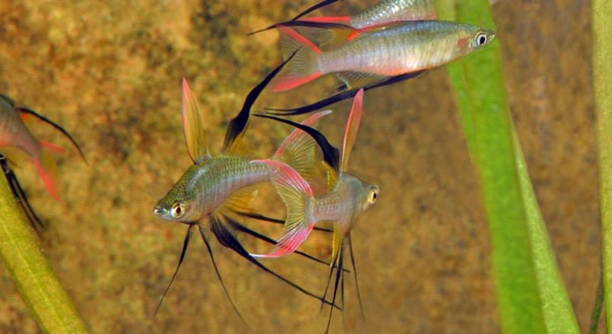
Threadfins are beautiful fish that often hide among plants and rocks, making it hard to enjoy their colors. Many owners feel frustrated when their fish stay hidden, missing the chance to admire their graceful movements and patterns.
Improving the visibility of your threadfins can be achieved by adjusting tank lighting, rearranging decorations, and providing gentle, predictable feeding schedules. These steps reduce stress and encourage natural, confident behavior, allowing the fish to display their colors more prominently.
Knowing how subtle changes impact their comfort will help you create a more enjoyable environment for both you and your fish.
Choosing the Right Tank Setup
The tank environment plays a huge role in making threadfins more visible. A tank with open swimming areas allows the fish to move freely, while carefully placed plants or decorations give them safe hiding spots. Avoid overcrowding, as too many fish or ornaments can stress them and cause them to stay hidden. Proper substrate color also matters; lighter sand or gravel helps threadfins’ colors stand out more clearly. Consistent water quality is essential. Frequent water changes and monitoring of pH and temperature help maintain a stable, comfortable environment. Even small adjustments, like moving a rock or adding a small plant, can encourage threadfins to explore areas where they can be seen. Gentle lighting enhances their natural patterns without creating glare or excessive brightness. Observing how the fish respond to each change helps refine the setup for maximum visibility while keeping stress levels low.
Open spaces combined with strategic plants help threadfins feel secure while remaining visible in the tank.
Small lighting adjustments, thoughtful decoration placement, and substrate choice significantly impact visibility. Watching how your fish respond helps optimize the setup naturally.
Feeding and Interaction Techniques
Regular, predictable feeding times help threadfins feel safe and confident.
Offering food at consistent times and in small amounts encourages the fish to come out of hiding. Overfeeding can lead to stress and health problems, so moderation is key. Varying food types, such as flakes, pellets, and occasional live food, keeps them interested and active. Feeding from different parts of the tank can draw them into more visible areas. Using gentle movements near the tank rather than sudden taps or shakes helps avoid startling them. Interacting with the tank quietly, without sudden changes or loud noises, builds trust over time. Observing their behavior during feeding allows you to notice patterns, like preferred spots or hiding tendencies, and adapt accordingly. Patience is important, as threadfins may need time to adjust to new routines. Consistent care and minimal disruption support both their health and their willingness to be visible in the tank environment.
Adjusting Lighting for Better Visibility
Proper lighting helps threadfins show their natural colors. Avoid harsh, direct lights that create glare or stress. Soft, even lighting throughout the tank highlights patterns without frightening the fish.
Experimenting with light duration and intensity can make a noticeable difference. LED lights with adjustable brightness work well. Position lights to reduce shadows, which often hide shy fish. Mimicking natural day-night cycles helps them feel secure. Avoid leaving the tank in total darkness for long periods, as it can confuse their internal rhythms. Subtle changes like dimming the lights slightly or adding floating plants to diffuse brightness encourage the fish to swim more openly. Monitoring how your threadfins respond allows you to adjust lighting gradually, balancing visibility and comfort for a stress-free environment.
Combining different light angles, diffusers, and timers allows threadfins to remain visible while feeling safe. Observing their reactions helps fine-tune the setup effectively.
Tank Companions and Social Behavior
Choosing compatible tank mates prevents stress and encourages threadfins to be more visible. Aggressive or overly active fish can cause hiding, while peaceful species promote calm behavior.
Introducing new fish slowly is crucial. Threadfins adjust better when they are not suddenly overwhelmed. Monitor interactions during the first few days to ensure no bullying occurs. Some fish naturally swim near the middle or top of the tank, which can leave threadfins hidden near the bottom. Choosing companions that occupy different areas encourages everyone to explore the full tank. Small schools of peaceful species can also provide comfort without crowding. Avoid mixing very small or very large fish that may intimidate threadfins. Observing social dynamics over time allows subtle adjustments, like rearranging decorations or temporarily separating certain fish, to maintain visibility and reduce stress effectively.
Properly selected tank companions create a balanced environment where threadfins feel confident to explore open areas naturally.
Using Hiding Spots Wisely
Threadfins need places to hide, but too many can make them stay hidden. Use a few well-placed caves or plants to balance safety and visibility.
Rotating decorations occasionally encourages exploration. Avoid overcrowding corners or the tank floor, so threadfins feel secure without disappearing completely.
Water Flow and Filtration
Moderate water flow helps threadfins feel comfortable and swim naturally. Strong currents can stress them and push them into hiding, while stagnant water reduces activity. Choosing a filter with adjustable flow or adding a small diffuser allows for gentle circulation. Proper filtration keeps water clean, reducing illness and stress that can make fish less visible. Combining filtration with routine maintenance, such as weekly partial water changes, ensures a stable environment. Observing how threadfins respond to different flow levels helps determine the best setup. Some fish enjoy a soft current near the surface, while others prefer calmer areas near the bottom. Balancing flow throughout the tank supports healthy behavior and encourages more active, visible swimming.
Temperature and Comfort
Maintaining stable water temperature keeps threadfins active and stress-free. Sudden changes cause hiding and lethargy.
FAQ
How often should I adjust the tank decorations for my threadfins?
Adjusting decorations occasionally can encourage exploration, but frequent changes may stress the fish. Small shifts every few weeks are usually enough. Move one or two items at a time, like a plant or a rock, and observe their behavior. Gradual changes let threadfins become comfortable with the new setup without hiding. Avoid removing too many hiding spots at once, as this can make them feel exposed and insecure. Balancing open spaces and safe spots keeps the fish confident while remaining visible.
Can lighting affect my threadfins’ stress levels?
Yes, lighting plays a major role in their comfort. Bright, harsh lights can frighten them, making them retreat into hiding. Soft, diffused lighting works best. LED lights with adjustable brightness allow you to experiment. Position lights so shadows are minimized, helping them feel safe while showing off their colors. Mimicking natural day and night cycles helps threadfins feel secure and reduces stress. Floating plants or small decorations can diffuse the light further, creating shaded areas for retreat without total darkness. Observing their behavior under different lighting levels helps find the balance between visibility and comfort.
What is the ideal number of tank mates for threadfins?
Threadfins do best with a few peaceful tank mates. Overcrowding causes stress and hiding, while very few companions may leave them timid. Choose species that occupy different parts of the tank to avoid competition for space. Small schools of calm fish often help threadfins feel more secure without overwhelming them. Monitor interactions closely, especially in the first week. If aggression occurs, rearrange decorations or temporarily separate the aggressive fish. Avoid very small or very large species, which can intimidate threadfins. A balanced group promotes natural movement and encourages them to swim in visible areas.
How should I feed threadfins to encourage visibility?
Consistent feeding routines make threadfins feel safe and active. Feed at the same times each day in small amounts. Overfeeding can cause stress and health issues, so moderation is important. Offering a variety of foods, including flakes, pellets, and occasional live foods, keeps them interested. Feeding in different parts of the tank encourages them to explore visible areas. Gentle movements near the tank avoid startling them. Observing their preferred spots during feeding helps refine routines. Small adjustments, like adding floating foods or dropping bits near open areas, can coax them into swimming more openly and confidently.
How can I tell if water conditions are affecting my threadfins’ visibility?
Unstable water conditions, like sudden temperature or pH changes, make threadfins hide or swim less. Regular testing of water parameters helps maintain a stable environment. Partial weekly water changes reduce stress and prevent illnesses that cause hiding. Keep temperature consistent using a reliable heater. Filters with adjustable flow prevent strong currents that can scare them. Clear, clean water encourages natural behavior and vibrant coloration. Observing swimming patterns, appetite, and interaction with tank mates indicates comfort levels. Small changes in water conditions can significantly affect visibility, so consistency is key.
Is it normal for threadfins to hide sometimes?
Yes, occasional hiding is natural. Threadfins use hiding spots for safety or rest. Frequent or prolonged hiding, however, may indicate stress, illness, or poor water conditions. Monitor their behavior and environment carefully. Ensure decorations and plants provide both cover and open swimming spaces. Gradual adjustments to lighting, tank mates, and feeding routines can reduce excessive hiding. Proper care and a stable tank setup encourage threadfins to explore visible areas while still having secure retreats. Hiding is part of their natural behavior, but balance is essential for visibility and comfort.
How long does it take for threadfins to become comfortable in a new tank?
It can take several days to a few weeks. Initial hiding is normal while they adjust to surroundings, lighting, and tank mates. Avoid frequent changes during this period to reduce stress. Gradual adjustments in decorations, water flow, and feeding routines help them gain confidence. Observing their behavior daily allows you to notice improvements in visibility. Providing consistent care and a calm environment shortens the adjustment period. Patience is important, as rushing changes or frequent handling can prolong hiding. Threadfins typically become more active and visible once they feel secure in their new home.
Can temperature fluctuations make threadfins less visible?
Yes, sudden changes in temperature cause stress and hiding. Keep water temperature stable within the species’ preferred range. Use a reliable heater and thermometer to monitor conditions. Avoid placing the tank near windows or vents where fluctuations occur. Consistent temperature encourages normal activity and confidence. Observing swimming patterns can indicate if adjustments are needed. Stable water conditions promote better coloration and visibility. Gradual changes, when necessary, allow the fish to acclimate without stress. Consistency in temperature is one of the simplest ways to help threadfins feel comfortable enough to swim openly in the tank.
Are there signs that my threadfins are stressed besides hiding?
Yes, lethargy, loss of appetite, or erratic swimming are common signs. Stress may also show as faded colors or rubbing against objects. Monitor water quality, tank mates, and lighting to identify causes. Small adjustments in environment, feeding, or social setup reduce stress. Observing behavior regularly helps maintain health and visibility. Stress prevention is easier than correcting prolonged issues. Proper care, gentle interaction, and stable tank conditions support natural behavior and confidence. Keeping track of subtle changes ensures threadfins remain active and visible in the tank consistently.
Do certain substrates improve threadfins’ visibility?
Light-colored sand or gravel highlights threadfins’ colors better than dark substrates. Dark floors may make them blend in and appear hidden. Choose smooth materials to prevent injury and avoid sharp decorations. Substrate also affects water clarity, which influences how visible the fish are. Small changes, like adding a layer of light sand or mixing textures, can encourage exploration of more open areas. Observing how they interact with the substrate helps determine the best choice. Comfortable footing and visual contrast make threadfins more active and easier to see.
How do I encourage shy threadfins to explore open areas?
Gradual exposure works best. Start by creating small open spaces surrounded by plants or decorations. Gentle feeding in these areas encourages movement. Avoid sudden movements or loud noises, which can trigger hiding. Consistent lighting, moderate water flow, and calm tank mates help build confidence. Observing their preferred spots allows incremental adjustments. Small, patient steps lead shy threadfins to explore without stress. Combining these techniques supports natural behavior and increases visibility over time. Confidence grows as the environment feels predictable, safe, and supportive.
What is the best way to monitor threadfins’ behavior for visibility improvements?
Keep a simple log of feeding times, lighting adjustments, and tank changes. Note their hiding patterns, swimming routes, and reactions to companions. Observing daily provides insight into preferences and comfort levels. Adjustments based on consistent monitoring improve visibility without adding stress. Patterns emerge over time, helping refine the environment. Photos or brief notes can track gradual changes. Consistency and careful observation allow you to see what works best. Recording results ensures thoughtful, data-driven decisions for maintaining active, visible threadfins.
How can I prevent aggressive tank mates from causing my threadfins to hide?
Select peaceful species and monitor initial interactions closely. Rearrange decorations or provide extra hiding spots if aggression occurs. Temporary separation may be necessary. Avoid introducing large or highly active fish that could intimidate threadfins. Balanced social dynamics encourage confident swimming and visibility. Gradual introductions and careful observation reduce conflict. Rearranging the tank to create separate zones for different species prevents territorial disputes. Providing each fish with space and resources helps maintain a calm, safe environment. Peaceful tank mates and structured layouts minimize stress and keep threadfins visible.
Are there specific times of day when threadfins are more active?
Threadfins often follow a natural day-night rhythm. Early morning or late afternoon is usually when they swim more openly. Adjusting feeding or lighting to match these active periods encourages visibility. Avoid sudden lighting changes during rest periods. Gentle light transitions simulate dawn and dusk, promoting natural activity. Observing patterns helps plan tank interactions and maintenance around peak activity. Aligning care routines with natural behavior increases the chances of seeing threadfins active and colorful. Consistent schedules reinforce comfort and confidence.
Can I use plants to improve visibility without stressing threadfins?
Yes, plants provide cover while maintaining open swimming areas. Choose fast-growing or floating species to diffuse light and create shaded regions. Avoid overcrowding. Positioning plants strategically lets threadfins explore freely while having retreats nearby. Observing their use of plants shows if adjustments are needed. A mix of tall, short, and floating plants balances security and visibility. Rotating or trimming plants gradually encourages exploration. Healthy plants also improve water quality, further supporting comfort. Thoughtful plant placement creates a natural environment where threadfins feel safe yet remain visible throughout the tank.
Final Thoughts
Creating a comfortable environment for threadfins is the most important factor in helping them become more visible. These fish are naturally shy, so giving them safe places to hide while also providing open swimming areas allows them to feel secure. Proper tank setup, including moderate water flow, appropriate lighting, and a balanced number of tank mates, can make a significant difference in their behavior. Even small changes, such as rearranging decorations or adjusting the light angle, encourage them to explore areas where they can be seen. Maintaining consistent water parameters and feeding routines also contributes to a stable environment that reduces stress. Over time, a thoughtful approach to their habitat leads to confident, active fish that display their natural colors without unnecessary anxiety.
Threadfins respond well to gradual adjustments rather than sudden changes. Introducing new decorations, companions, or lighting slowly helps them adapt without retreating into hiding. Observing their behavior daily gives insight into what works best for your particular tank. For instance, some threadfins prefer more open spaces, while others may need a few extra hiding spots to feel comfortable. Feeding schedules that are predictable and consistent also promote visibility. Offering a variety of foods in different areas of the tank encourages exploration and activity. Gentle interaction with the tank, avoiding loud noises or sudden movements, further supports their confidence. Each of these small, deliberate steps contributes to a calmer, more open environment where threadfins can thrive and be enjoyed without added stress.
Patience and observation are key to long-term success with threadfins. It is important to recognize that every fish has unique preferences and comfort levels, and creating a one-size-fits-all setup rarely works. Taking the time to monitor water quality, behavior patterns, and social dynamics ensures that adjustments are made thoughtfully. Subtle improvements, like adjusting the substrate color, fine-tuning water flow, or adding floating plants for soft shading, can have a meaningful impact on their visibility. By focusing on their comfort and stability, threadfins naturally become more active and easier to watch. Ultimately, creating a calm, predictable environment benefits both the fish and the caretaker, making the tank a pleasant and stress-free space where threadfins can display their full range of colors and behaviors.

Hello,
If you enjoy the content that we create, please consider saying a "Thank You!" by leaving a tip.
Every little bit helps us continue crafting quality advice that supports the health, happiness, and well-being of pets around the world, for pets of all shapes, sizes, and species.
We really appreciate the kindness and support that you show us!