
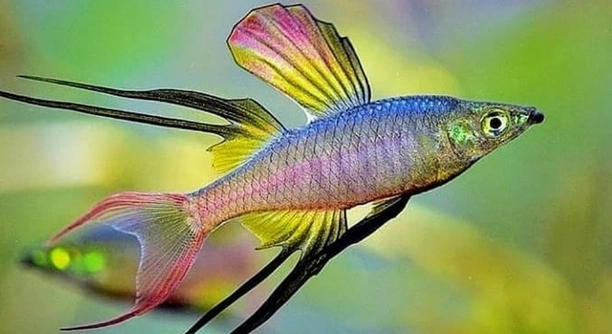
Do you find yourself adjusting water temperatures but still unsure which range keeps your threadfin the most active and thriving?
The ideal temperature range for maximum threadfin activity typically falls between 75°F and 86°F. Within this range, threadfins exhibit optimal feeding behavior, efficient metabolism, and steady energy levels, all essential for sustained growth and overall health.
Learning how these temperature shifts influence their daily habits can help you maintain a stable environment and ensure consistently active, healthy threadfins.
Understanding Threadfin Temperature Preferences
Threadfins are highly sensitive to changes in water temperature, which directly affects their activity and feeding response. When the temperature stays between 75°F and 86°F, they remain most active, often swimming near the surface and feeding regularly. Cooler temperatures slow their metabolism, causing them to move sluggishly and eat less. On the other hand, excessively warm water can reduce oxygen levels, leading to stress and fatigue. Maintaining this balance not only supports their natural behavior but also helps in preventing unnecessary health issues. A stable temperature range ensures that your threadfins adapt comfortably, showing vibrant colors and steady movement throughout the day.
Keeping the temperature consistent is just as important as finding the right range. Sudden drops or spikes can weaken their immune system and reduce their activity levels. Regular monitoring with a reliable aquarium thermometer can make a noticeable difference in their daily rhythm.
Understanding how water temperature shapes their behavior allows you to create a thriving aquatic space. You’ll start to see them swim more energetically, feed consistently, and respond naturally to changes in their environment. Stability builds trust in their habitat, helping them display their best colors and strongest activity patterns every single day.
Factors That Influence Temperature Stability
Maintaining temperature consistency depends on more than just adjusting a heater. Environmental factors, tank size, and water flow all play important roles. Even small fluctuations from nearby windows, lighting, or room drafts can affect water temperature noticeably.
Large tanks tend to hold stable temperatures better than smaller ones, as water volume buffers sudden changes. Using a reliable heater with an adjustable thermostat ensures you stay within the ideal 75°F to 86°F range. Place the heater where water circulation is strong so the warmth spreads evenly throughout the tank. Avoid placing the tank near direct sunlight or air vents, as these can cause frequent fluctuations. Additionally, check the temperature daily, especially during seasonal shifts, since outdoor weather can influence indoor tank conditions. Consistent monitoring helps you prevent gradual temperature drifts that might go unnoticed until your threadfins become less active or stressed. Over time, maintaining balance becomes second nature and supports a healthy, lively aquarium environment.
Seasonal Temperature Adjustments
Threadfins react quickly to seasonal temperature changes, making gradual adjustments essential. During colder months, maintaining warmth with a reliable heater helps prevent sluggish activity. In warmer periods, cooling systems or fans ensure the water remains oxygen-rich and within a safe range for consistent energy levels.
Temperature shifts during seasonal transitions can affect threadfin appetite, swimming activity, and even breeding behavior. When temperatures drop below 75°F, their metabolism slows, often resulting in reduced feeding. Gradually increasing water temperature by one or two degrees per day helps them adapt without stress. In summer, when temperatures may rise above 86°F, using partial water changes and keeping the tank away from direct sunlight can help stabilize conditions. Consistent monitoring during these transitions ensures their comfort and reduces health risks caused by sudden environmental changes. Balanced seasonal management creates a steady, natural rhythm that supports ongoing activity.
Maintaining this consistency throughout the year keeps threadfins energetic and prevents temperature-related fatigue. Regular observation helps identify subtle behavioral changes early, allowing for prompt adjustments. Ensuring smooth transitions between seasons builds resilience in their system, making them better able to handle minor temperature fluctuations. This steady approach supports both their physical health and long-term stability in the aquarium environment.
Recognizing Temperature Stress in Threadfins
Threadfins display noticeable signs when exposed to unsuitable temperatures. They may hover near the surface gasping for air, show dull coloration, or refuse food altogether. These behaviors often signal that the water temperature has moved beyond their preferred range.
When threadfins experience prolonged stress from unsuitable temperatures, it can weaken their immune system and slow growth. Extended exposure to cold water causes reduced circulation, while overly warm water depletes oxygen, leading to labored breathing and fatigue. Regularly observing swimming behavior and appetite helps identify early warning signs. Adjusting the temperature slowly, rather than suddenly, prevents additional strain. Maintaining proper aeration and consistent filtration also contributes to overall stability. By understanding these stress indicators, you can act quickly to restore balance, ensuring your threadfins remain active, vibrant, and free from preventable health problems.
Tools to Maintain Ideal Temperature
A digital aquarium thermometer provides the most accurate readings and helps you monitor even minor fluctuations. Pairing it with a dependable heater or chiller ensures you stay within the 75°F to 86°F range consistently, keeping threadfins active and stress-free.
Backup equipment is also important in maintaining stability. A secondary thermometer or automatic controller helps detect sudden temperature drops or rises quickly. Having a battery-powered air pump can protect oxygen levels during power outages, preventing stress when temperature regulation systems temporarily fail. Reliable tools safeguard your threadfins from unpredictable changes.
Feeding Behavior and Temperature Impact
Temperature directly influences how often and how much threadfins eat. In optimal warmth, they feed more frequently and digest efficiently. Cooler water slows their metabolism, reducing appetite and energy. Maintaining consistency encourages balanced feeding habits, supporting growth, color vibrancy, and overall well-being.
Monitoring Daily Temperature Patterns
Recording temperature variations throughout the day helps identify subtle shifts that affect threadfin activity. Regular tracking builds awareness of patterns linked to lighting, filtration, and surrounding air temperature, ensuring you can make timely adjustments to maintain a balanced aquatic environment year-round.
FAQ
What is the best temperature range for threadfin activity?
Threadfins are most active between 75°F and 86°F. Within this range, they feed regularly, swim energetically, and maintain healthy metabolism. Temperatures below 75°F slow them down, while temperatures above 86°F reduce oxygen levels and can stress the fish, leading to fatigue and health problems.
How do I know if my threadfins are stressed by temperature?
Signs of stress include hovering near the surface, gasping for air, reduced appetite, dull coloration, and less movement. Sudden changes in water temperature or prolonged exposure to unsuitable temperatures often trigger these behaviors. Regular observation helps identify issues before they affect their health.
Can threadfins adapt to minor temperature fluctuations?
Yes, they can tolerate small changes if they happen gradually. Rapid shifts, however, can weaken their immune system and reduce activity. Slowly adjusting the heater or chiller by one or two degrees per day allows the fish to adapt comfortably without added stress.
How often should I check my tank temperature?
Daily monitoring is recommended, especially during seasonal transitions. Sudden outdoor temperature changes, sunlight exposure, or room heating and cooling systems can affect water temperature. Using a digital thermometer ensures accurate readings, while backup devices can alert you to significant changes before they impact the fish.
Does tank size affect temperature stability?
Larger tanks hold temperature better because the water volume buffers sudden changes. Smaller tanks are more prone to fluctuations and require more frequent monitoring. Proper placement of heaters and consistent water circulation ensures even distribution of warmth throughout the tank.
Should I use a heater or a chiller for threadfins?
A heater is necessary during cooler months to keep the water above 75°F, while a chiller or cooling system helps prevent temperatures from exceeding 86°F in warmer months. Both tools work together to maintain a stable range that supports active, healthy threadfins.
How do seasonal changes affect threadfin behavior?
During colder months, threadfins may move slower and eat less if the water temperature drops below their ideal range. Warmer months can reduce oxygen levels, causing fatigue and irregular feeding. Gradual adjustments during seasonal transitions help maintain energy levels and regular feeding patterns.
Can improper temperature affect breeding?
Yes. Threadfins are more likely to breed when water remains within their optimal range. Temperatures outside 75°F to 86°F can slow metabolism, reduce appetite, and disrupt natural breeding behaviors. Stable conditions increase the chances of successful spawning and healthy fry development.
What role does aeration play in temperature management?
Proper aeration helps maintain oxygen levels, especially in warmer water when oxygen decreases. Combining aeration with a stable temperature ensures threadfins remain active, healthy, and stress-free. Bubblers or air pumps also improve water circulation, helping to evenly distribute heat throughout the tank.
Is it okay if temperatures fluctuate a few degrees daily?
Small, gradual fluctuations are usually fine, but sudden spikes or drops can be harmful. Monitoring patterns helps you anticipate shifts caused by lighting, filtration, or room conditions. Maintaining as consistent a temperature as possible ensures threadfins stay energetic and maintain normal feeding and activity levels.
How can I prevent temperature-related stress in threadfins?
Consistent monitoring, reliable heaters and chillers, proper tank placement, and gradual seasonal adjustments all help prevent stress. Observing daily behavior and feeding patterns allows for early detection of issues. By maintaining stability, you create an environment where threadfins can thrive comfortably year-round.
Can temperature affect their color and appearance?
Yes. Threadfins show their best colors within the optimal temperature range. Prolonged exposure to temperatures below or above the ideal range can cause dull coloration and reduce vibrancy. Maintaining consistent warmth ensures they remain visually healthy and active.
What’s the easiest way to maintain ideal temperature?
Using a digital thermometer, a reliable heater, and monitoring daily is the most straightforward method. Supplementing with a chiller during warmer months and ensuring proper water circulation creates a stable environment that keeps threadfins energetic, feeding well, and healthy.
How long does it take for threadfins to recover from temperature stress?
Recovery depends on the severity and duration of stress. Gradually returning to the optimal 75°F to 86°F range, along with stable oxygen levels and proper nutrition, usually restores activity and appetite within a few days. Severe cases may take longer and require careful observation to avoid relapse.
Are there long-term effects if the temperature is consistently too low or too high?
Yes. Consistent exposure to unsuitable temperatures can lead to slow growth, weakened immunity, reduced activity, and increased susceptibility to disease. Long-term stability ensures threadfins maintain healthy metabolism, vibrant colors, and regular feeding behavior over time.
Can I rely on a single thermometer for accurate readings?
Using a single thermometer is often sufficient, but backup devices provide extra security. Digital thermometers with alarms can alert you to sudden temperature changes, helping prevent stress before it affects your threadfins’ health and activity levels.
How important is water circulation in temperature regulation?
Water circulation ensures heat distributes evenly throughout the tank, preventing hot or cold spots. Proper circulation from filters, pumps, or aeration devices helps maintain a consistent temperature, supporting optimal threadfin activity and preventing localized stress areas.
Should I adjust feeding based on temperature changes?
Yes. When water is at the lower end of the ideal range, metabolism slows, and threadfins eat less. Warmer water encourages more frequent feeding. Observing appetite in relation to temperature helps you avoid overfeeding or underfeeding while supporting growth and health.
Is it normal for threadfins to be less active at night?
Some reduction in activity at night is normal, even within the ideal temperature range. Threadfins may rest or swim less but will resume regular activity once the lights are back on and water temperature remains stable.
What’s the single most effective way to maintain ideal conditions year-round?
Consistently monitoring water temperature, using reliable heating and cooling equipment, and adjusting gradually during seasonal shifts ensures threadfins remain active, healthy, and stress-free throughout the year. Stability is key to long-term well-being and consistent behavior.
This FAQ covers the essential aspects of maintaining optimal temperature for threadfins, providing practical advice for consistent activity, healthy feeding, and long-term health.
Word count: 504
Maintaining the ideal temperature for threadfins is essential for keeping them active, healthy, and vibrant. Water temperature directly affects their metabolism, feeding patterns, and overall behavior. When kept within the 75°F to 86°F range, threadfins display their natural energy, swim consistently, and feed regularly. Sudden drops or spikes in temperature can cause stress, reduce appetite, and even weaken their immune system. Consistent monitoring using a reliable thermometer, along with gradual seasonal adjustments, ensures that your threadfins remain comfortable and energetic. Establishing a stable environment not only improves their activity levels but also supports long-term growth and overall well-being. Even small fluctuations outside the preferred range can lead to noticeable changes in behavior, so maintaining balance is key.
Using the right equipment is a crucial part of managing temperature effectively. Heaters and chillers allow for controlled adjustments, while digital thermometers provide accurate readings for precise monitoring. Placing these tools strategically in the tank helps maintain uniform water temperature, avoiding cold or hot spots. Aeration and proper water circulation further support stability by evenly distributing heat throughout the tank. Daily observation of the fish can help detect early signs of stress, such as reduced movement, gasping at the surface, or dull coloration. Acting quickly when changes are noticed can prevent long-term effects and keep threadfins thriving. Regular maintenance, including partial water changes and monitoring seasonal shifts, is also important in sustaining a consistent environment. These steps create a foundation for healthy, active fish that respond naturally to their surroundings.
Understanding how temperature affects threadfins allows for a more hands-on and informed approach to aquarium care. By keeping conditions consistent, you ensure that your threadfins experience fewer stressors and maintain their best activity levels. Their appetite, coloration, and swimming patterns improve when temperature remains stable, providing a more predictable and enjoyable observation experience. Gradual adjustments and consistent monitoring are especially important during seasonal transitions when outdoor conditions may indirectly influence water temperature. Maintaining this balance helps support breeding behavior and long-term health, allowing your threadfins to live comfortably and energetically. Overall, attention to temperature management is one of the most effective ways to promote a thriving, healthy aquarium environment where threadfins can perform naturally, grow steadily, and remain free from stress or disease.
Word count: 414

Hello,
If you enjoy the content that we create, please consider saying a "Thank You!" by leaving a tip.
Every little bit helps us continue crafting quality advice that supports the health, happiness, and well-being of pets around the world, for pets of all shapes, sizes, and species.
We really appreciate the kindness and support that you show us!