
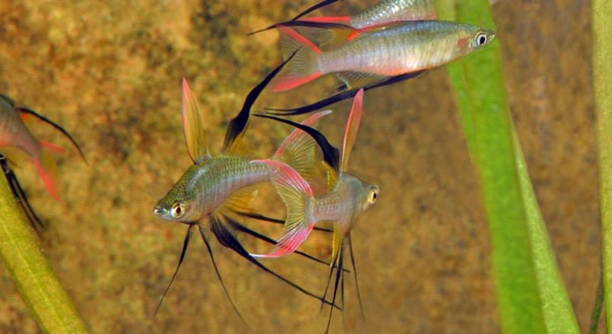
Losing a Threadfin Rainbowfish from your aquarium can be unsettling. These small, colorful fish often capture attention with their shimmering scales. Their disappearance can leave an empty space, raising concern for their safety and wellbeing.
The first step is to thoroughly check your tank and its surroundings, including decorations, filters, and plants. Threadfin Rainbowfish often hide in crevices or behind ornaments, and understanding their behavior increases the chance of locating the missing fish quickly.
Knowing how to respond when your fish goes missing can prevent stress and protect your aquarium’s balance. Following proper steps ensures your Threadfin Rainbowfish stays safe and healthy in its environment.
Checking the Tank Thoroughly
When your Threadfin Rainbowfish goes missing, start with a careful inspection of the aquarium. Look behind decorations, plants, and filter intakes, as these fish often hide in narrow spaces when stressed. Examine any equipment like heaters or tubes, since they may slip into gaps unnoticed. Turning off the tank light temporarily can make the fish more visible, especially if it is resting near the bottom or clinging to the glass. Removing ornaments gently one at a time allows a thorough check without harming the fish. Check the substrate as well; they sometimes burrow or get stuck in gravel. Regular maintenance routines, like vacuuming the substrate, can reveal hidden fish. Pay attention to water flow areas, as they may be pushed into corners. Observing these details carefully increases the likelihood of locating your missing Threadfin Rainbowfish quickly.
Take your time during this inspection. A patient approach reduces stress for both you and your fish, making it easier to locate them safely.
Hiding is a natural behavior for these fish when they feel threatened. Once found, monitor their behavior for signs of stress or illness.
Preventing Future Disappearances
Secure all tank openings and ensure decorations do not have spaces large enough for your fish to slip behind.
Proper tank setup and maintenance help avoid repeated incidents. Maintaining a balanced environment, regular water checks, and safe hiding spots prevent fish from disappearing unexpectedly. Keeping consistent feeding schedules and avoiding sudden disturbances also reduces stress. It is helpful to observe fish behavior daily, noting any changes in swimming patterns or interactions. Provide plants and safe areas for natural hiding, but avoid tight spaces where fish could get trapped. Consider using fine mesh around filter intakes to prevent accidental entry. Regularly inspect all equipment for gaps or openings that might allow the fish to hide in unreachable areas. Educating yourself about the species’ habits and environmental needs ensures long-term safety. By combining careful observation, secure tank setup, and attentive care, your Threadfin Rainbowfish can thrive without disappearing again.
Observing Behavior Patterns
Threadfin Rainbowfish often hide when stressed or uncomfortable. Noticing these patterns early helps prevent them from disappearing or becoming trapped in tight spaces.
Watching their daily activity provides insight into preferred hiding spots. Fish may choose areas with less light or lower water flow when feeling uneasy. Changes in swimming speed, social interaction, or feeding behavior often indicate stress. Understanding these patterns allows you to adjust tank conditions, reduce stress, and prevent future incidents. Keeping a routine and observing their habits can also help identify potential health issues before they worsen, ensuring your fish remains safe and active.
Stress can cause the fish to seek secluded areas more frequently. Recognizing these behaviors early helps maintain a healthy, balanced tank. Observing changes daily allows you to act before minor issues escalate, keeping your fish secure.
Using Safe Equipment
Filters, heaters, and decorations must be checked to prevent hiding or accidents. Ensure openings are secure and smooth to avoid trapping fish.
Using proper tank equipment reduces risk of disappearance or injury. Fine mesh covers on filter intakes prevent fish from getting stuck. Decorations should be stable and free of sharp edges that could trap or harm them. Maintaining appropriate water flow prevents fish from being pushed into corners or behind ornaments. Regular inspections of equipment and careful placement of plants and decorations create a safer environment. By keeping everything in good condition and monitoring their surroundings, your Threadfin Rainbowfish can explore freely without risk.
Checking Water Conditions
Threadfin Rainbowfish are sensitive to water quality. Poor conditions can cause stress, leading them to hide or disappear. Regularly test pH, temperature, and ammonia levels to ensure a stable environment.
Keeping water clean reduces the risk of fish going missing. Frequent partial water changes and monitoring filters help maintain healthy conditions for all tank inhabitants.
Feeding and Nutrition
Balanced nutrition supports fish health and activity. Feed small amounts multiple times a day rather than one large meal. Overfeeding can lead to water pollution, which stresses fish and encourages hiding. Providing a mix of high-quality flakes, pellets, and occasional live or frozen food ensures they receive essential nutrients. Watching their feeding behavior helps identify if any fish are less active or avoiding food, signaling potential stress or illness. Maintaining a consistent feeding schedule also encourages them to remain visible during the day, reducing the chance of disappearance and promoting healthy social behavior.
Monitoring Tank Mates
Aggressive or overly active fish can scare Threadfin Rainbowfish, causing them to hide. Watch interactions carefully to maintain a peaceful environment.
FAQ
Why did my Threadfin Rainbowfish disappear from the tank?
Threadfin Rainbowfish often hide when they feel stressed, unsafe, or uncomfortable. Sudden changes in water temperature, lighting, or tank decorations can trigger hiding behavior. Aggressive tank mates or overcrowding may also make them seek secluded areas. Observing their habits and daily routines helps identify patterns and prevent future disappearances.
How can I safely find my missing fish?
Begin by carefully inspecting all corners of the tank, behind decorations, and under plants. Check filter intakes, tubes, and any equipment where the fish could be trapped. Turning off tank lights temporarily can make hiding fish easier to spot. Removing ornaments one at a time allows thorough inspection without causing harm. Patience is essential during this process.
What should I do if I can’t find the fish?
If the fish remains missing after a thorough check, consider checking the surrounding area for signs of escape or accidental spillage. Inspect the tank stand, floor, and any nearby surfaces. Ensure the aquarium lid or cover is secure to prevent future escapes. Monitor water quality and tank conditions to reduce stress for the remaining fish.
Can water conditions make my fish hide?
Yes, Threadfin Rainbowfish are very sensitive to water quality. Poor pH balance, high ammonia or nitrite levels, and fluctuating temperatures can stress them. Maintaining stable water parameters with regular testing and partial water changes is essential to keep fish active and prevent them from hiding.
How can I prevent future disappearances?
Secure tank openings and inspect equipment regularly to remove any small gaps or unsafe areas. Place decorations thoughtfully, ensuring no tight spaces where fish could become trapped. Providing plants and hiding spots is important, but they should be safe and accessible. Regular observation of fish behavior and tank conditions can prevent unexpected hiding or disappearance.
Does feeding affect their behavior?
Yes, feeding routines impact activity levels. Inconsistent feeding or poor nutrition can stress fish, making them hide. Offer small amounts multiple times a day rather than one large meal. Provide a balanced diet of high-quality flakes, pellets, and occasional live or frozen food to keep fish healthy and visible.
Should I worry about aggressive tank mates?
Aggressive or overly active fish can intimidate Threadfin Rainbowfish. Monitor interactions closely, and rearrange tank spaces if necessary to give the rainbowfish safe zones. Ensuring a peaceful environment reduces hiding behavior and supports the overall health of all tank inhabitants.
Is it normal for them to hide for long periods?
Short periods of hiding are normal, especially after stress or sudden changes in the tank. Extended hiding, however, may indicate poor water conditions, illness, or ongoing stress. Observing their behavior and maintaining optimal tank conditions can help them feel safe and reduce prolonged hiding.
What signs should I watch for after the fish returns?
Check for signs of stress or illness, such as unusual swimming patterns, loss of appetite, or discoloration. Monitor their interactions with other fish to ensure they feel secure. Maintain stable water conditions, consistent feeding, and safe hiding spots to support recovery and long-term wellbeing.
Are there any tools to help prevent hiding incidents?
Yes, using fine mesh around filter intakes, secure tank lids, and carefully arranged decorations can prevent fish from disappearing or becoming trapped. Observing behavior, maintaining water quality, and providing safe spaces are practical steps that minimize risks. Consistent care ensures your Threadfin Rainbowfish stays active and healthy.
How often should I check my aquarium to avoid disappearances?
Daily observation of swimming patterns, feeding behavior, and interactions with tank mates helps detect issues early. Weekly checks of equipment, decorations, and water parameters prevent situations that might cause hiding. Keeping a routine ensures fish safety and tank balance.
Can stress from moving or new fish cause hiding?
Yes, introducing new fish or relocating the aquarium can be stressful. Provide quiet time, minimal disturbance, and hiding spaces during transitions. Gradual acclimation reduces fear and encourages your Threadfin Rainbowfish to remain visible and active, minimizing the chance of disappearance.
What is the safest way to inspect tight spaces in the tank?
Remove decorations carefully, one at a time, and gently lift plants or ornaments to check underneath. Avoid reaching abruptly or forcing objects, as this can injure the fish. Patience and gentle handling are essential to safely locate hidden Threadfin Rainbowfish.
How do I know if the fish is trapped in equipment?
Listen for unusual noises from filters or pumps. Check for sudden changes in water flow, which may indicate a fish is stuck. Turn off equipment before inspecting closely. Using a flashlight can help spot a fish inside tubes, intakes, or behind heater guards.
Are certain tank setups better for preventing disappearances?
Yes, open tanks with secure decorations and stable equipment reduce hiding risks. Provide safe hiding areas with soft plants or smooth ornaments, avoiding sharp edges or overly tight spaces. Maintaining consistent lighting, water flow, and temperature also prevents stress-induced hiding behavior.
Can illness cause my fish to hide?
Yes, illness often triggers hiding. Signs include lethargy, loss of appetite, discoloration, or clamped fins. If hiding persists, consider testing water conditions and observing for symptoms. Prompt attention to health issues can prevent further stress or loss.
What should I do if the fish reappears injured?
Isolate the fish in a quarantine tank if possible, monitor for wounds, and ensure clean, stable water. Avoid aggressive tank mates during recovery. Consult resources or a professional if injuries are severe. Proper care supports healing and reduces risk of future hiding incidents.
How long is it normal for a Threadfin Rainbowfish to stay hidden?
Typically, a few hours to a day is normal after stress. Extended periods indicate a problem with water quality, stress, or illness. Observing behavior, feeding, and tank conditions helps determine the cause and appropriate action.
What preventative measures support their long-term safety?
Regular maintenance, secure equipment, balanced nutrition, and safe hiding spots are key. Monitor behavior daily, adjust tank conditions when necessary, and ensure a peaceful environment. Consistent care reduces stress, keeps fish visible, and minimizes the risk of disappearance.
How can I make the tank more comfortable for them?
Provide areas with gentle water flow, moderate lighting, and accessible plants. Avoid overcrowding, maintain stable water conditions, and place decorations thoughtfully. Comfort reduces hiding tendencies and encourages natural, healthy behavior.
Are there any signs that a fish might escape the tank?
Sudden attempts to jump or frequent exploration near the surface or lid may indicate escape attempts. Secure lids, check for gaps, and observe behavior closely to prevent accidental loss.
Final Thoughts
Losing a Threadfin Rainbowfish, even temporarily, can be stressful. These fish are small and delicate, and their disappearance often raises concern for their safety and wellbeing. Understanding their natural behaviors is key to managing such situations. Threadfin Rainbowfish tend to hide when they feel threatened, stressed, or uncomfortable. Changes in water conditions, aggressive tank mates, or sudden disturbances in the aquarium can all trigger hiding behavior. Observing how they interact with their environment, other fish, and decorations allows you to anticipate where they might go if they feel unsafe. By staying calm and methodical, you can locate them without causing additional stress. Checking the tank thoroughly, including under plants, behind decorations, and near equipment like filters or tubes, is an essential first step. Gentle handling of ornaments and careful observation helps ensure that you do not accidentally injure the fish during the search. Over time, paying attention to these details will make it easier to manage future incidents.
Maintaining a healthy and stable aquarium environment is equally important. Threadfin Rainbowfish are sensitive to water quality, so keeping pH, temperature, and ammonia levels within recommended ranges helps reduce stress. Regular water testing, partial water changes, and proper filtration support their wellbeing. Feeding routines also play a role in encouraging natural activity. Offering balanced meals in small amounts multiple times a day keeps the fish engaged and reduces hiding behavior. The layout of the tank should include safe hiding spaces, but these spaces should be accessible and not create areas where the fish could become trapped. Securing equipment, ensuring filter intakes are covered with fine mesh, and placing decorations thoughtfully all contribute to a safer environment. Observing daily behavior patterns allows you to detect early signs of stress or illness, helping you respond quickly before a disappearance occurs. Consistency and careful attention are the most effective strategies for ensuring the fish remain healthy, active, and visible.
Long-term care involves a combination of observation, prevention, and maintenance. Watching for changes in swimming patterns, appetite, or interactions with tank mates provides insight into their comfort level and health. Reducing sources of stress, such as aggressive fish or sudden disturbances, encourages natural behavior. Creating a peaceful and stable tank environment benefits all inhabitants and minimizes the likelihood of future hiding or accidental disappearance. Preventative measures, such as secure lids, safe decorations, and stable equipment, are essential. In the event that a fish does go missing, remaining patient and systematic in your search helps locate it safely. Over time, consistent care, attention to water conditions, and monitoring behavior establish a secure habitat where Threadfin Rainbowfish can thrive. Following these practices not only addresses immediate concerns but also supports the long-term health and wellbeing of your fish, ensuring they remain active and comfortable in their environment.

Hello,
If you enjoy the content that we create, please consider saying a "Thank You!" by leaving a tip.
Every little bit helps us continue crafting quality advice that supports the health, happiness, and well-being of pets around the world, for pets of all shapes, sizes, and species.
We really appreciate the kindness and support that you show us!