
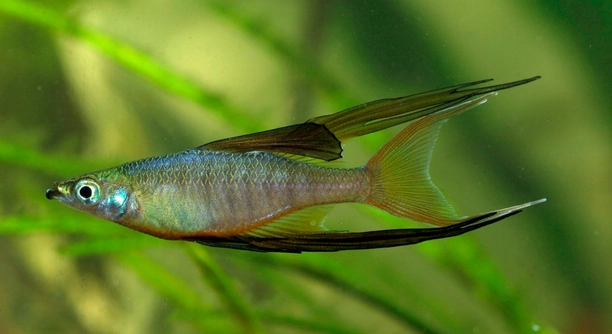
Are your threadfin rainbowfish showing subtle changes in behavior that you cannot quite explain? Observing these delicate fish requires patience, as their responses to stress or discomfort are often quiet and easily overlooked.
Spotting social discomfort in threadfin rainbowfish involves observing changes in swimming patterns, reduced interaction with tank mates, sudden hiding, or loss of appetite. Monitoring these behaviors consistently allows caretakers to identify stressors and maintain a stable social environment.
Understanding these signals will help you create a balanced environment for your rainbowfish. Recognizing discomfort early can improve both their health and social dynamics.
Recognizing Behavioral Signs
Threadfin rainbowfish often show discomfort through subtle behavioral changes. They may start avoiding other fish, lingering at the edges of the tank or hiding behind plants and decorations. Sudden darting movements, erratic swimming, or frequent changes in position can indicate stress. Changes in appetite, such as eating less or refusing food, are also key indicators. Some fish may display aggression or territorial behavior when previously peaceful. Observing their fin posture is helpful as well; clamped fins or drooping can suggest unease. Consistent monitoring over time allows caretakers to distinguish normal variation from actual discomfort. Temperature, lighting, and tank overcrowding can influence behavior, so ensuring a stable environment is critical. Social hierarchy impacts interactions, and new introductions can create temporary tension. Recording these observations helps identify patterns and provides evidence to address any environmental or social changes affecting the fish’s well-being.
Monitoring these subtle changes regularly ensures issues are caught early. Awareness prevents long-term stress and supports a healthier tank ecosystem.
Behavioral observation should be paired with environmental assessment. Ensuring proper water parameters, including pH, temperature, and oxygen levels, is essential. Overcrowding or introducing new fish without careful acclimation can trigger social discomfort. Maintaining hiding spots and structured territories reduces stress and supports natural behavior. Adjusting diet to match their needs can improve mood and energy levels. Consistent lighting cycles prevent confusion and irregular activity. Regular tank cleaning without over-disturbing the environment promotes comfort. Even minor changes in decorations or layout can affect fish interactions, so gradual adjustments are preferable. Documenting each observation allows comparisons over time, helping identify specific triggers. Understanding individual personalities within the group also aids in recognizing early signs of social strain. A proactive approach ensures rainbowfish maintain stable social interactions and a healthy daily routine.
Environmental Factors Influencing Comfort
Environmental conditions directly impact the social behavior of threadfin rainbowfish. Temperature fluctuations, poor water quality, or overcrowding can all increase stress levels.
Maintaining a stable and clean environment is essential for their social health. Regular checks on water chemistry, temperature, and tank layout help reduce social tension and promote consistent behavior.
Lighting, decorations, and plant placement all play significant roles in shaping interactions. Sudden changes to the tank environment can trigger hiding or aggression. Water flow and oxygenation must remain balanced, as uneven currents may isolate certain fish, causing stress. Overcrowding prevents natural social structures from forming and can result in constant tension. Substrate type and open swimming areas also affect comfort, as rainbowfish need space to exhibit natural schooling behaviors. Monitoring these factors ensures that dominant or shy individuals are not unfairly stressed. Seasonal changes in water temperature or lighting schedules should be gradual to prevent sudden disruptions. Using quality filtration and consistent maintenance routines supports overall health and reduces the risk of disease-related discomfort. Careful observation combined with environmental adjustments allows caretakers to foster a peaceful and stable social atmosphere for their threadfin rainbowfish.
Social Hierarchy and Group Dynamics
Understanding social hierarchy is crucial for maintaining harmony in a tank. Dominant fish may chase or isolate weaker individuals, while shy fish may withdraw completely. Careful observation helps identify these interactions and prevent prolonged stress, ensuring all fish coexist peacefully.
Social hierarchy in threadfin rainbowfish forms naturally, with dominant fish asserting control over preferred swimming areas and feeding times. Shy or new individuals may avoid confrontation by hiding or staying at the tank edges. Changes in hierarchy, such as adding new fish, can temporarily increase tension. Observing feeding behavior, swimming patterns, and interactions reveals how each fish fits within the group. Maintaining adequate space and multiple hiding spots reduces conflict and allows weaker individuals to avoid stress. Proper tank size and layout prevent overcrowding, which intensifies competition. Understanding these dynamics supports stable social structures, encouraging active, healthy behavior for all fish.
Adjusting tank conditions to accommodate social structures is important. Dominant fish benefit from clear territory, while shy fish need secure areas to retreat. Group composition matters; keeping compatible numbers and sizes minimizes conflict. Changes should be gradual to avoid disruption, and monitoring for bullying or persistent isolation ensures timely interventions. Feeding strategies, such as multiple feeding points, can reduce competition. Plants, rocks, and decorations provide natural boundaries, supporting peaceful coexistence. Recognizing individual personalities helps predict responses to environmental or social changes. By addressing hierarchy and group dynamics proactively, caretakers can maintain a balanced, stress-free community that encourages healthy interaction, reduces aggression, and improves overall well-being of threadfin rainbowfish.
Identifying Signs of Stress
Physical changes in threadfin rainbowfish often indicate stress. Faded coloration, clamped fins, and erratic swimming are immediate signs that conditions may need adjustment.
Monitoring daily behavior and appearance helps detect stress early. Stress can lead to illness or prolonged social discomfort. Changes in appetite, lethargy, or hiding patterns suggest the need for environmental or social modifications. Regular observation ensures swift corrective action.
Environmental triggers such as poor water quality, sudden temperature shifts, or overcrowding can worsen stress. Behavioral signs like fin clamping, rapid gill movement, or isolated swimming provide clear indicators. Subtle physical changes, including loss of coloration or irregular growth, should not be ignored. Addressing these issues quickly by adjusting water parameters, tank layout, or social groupings prevents long-term health consequences. Additionally, observing interactions between dominant and shy fish can reveal sources of stress, allowing for targeted interventions. Maintaining consistency in feeding schedules, lighting, and routine maintenance reduces unpredictability, which can contribute to discomfort. Recognizing and responding to these stress indicators ensures rainbowfish remain active, social, and healthy within their environment.
Feeding Behavior and Social Comfort
Changes in feeding patterns can indicate discomfort. Fish that normally eat quickly may hesitate, nibble less, or avoid food entirely when stressed. Monitoring their response to feeding helps identify individuals experiencing social tension or environmental stress.
Providing multiple feeding spots reduces competition. Dominant fish often claim the best areas, leaving shy individuals struggling. Spreading food evenly ensures all fish receive proper nutrition and minimizes aggressive encounters during mealtimes. Observing these patterns helps maintain balanced social interactions and reduces prolonged stress among tank mates.
Hiding Spots and Territory
Adequate hiding spots are essential. Plants, rocks, and decorations allow shy or stressed fish to retreat safely, reducing overall tension within the group.
Adjusting Tank Conditions
Water quality, temperature, and lighting must be consistent. Sudden changes can trigger stress responses. Maintaining stable conditions supports normal social behavior and physical health, ensuring threadfin rainbowfish remain active and comfortable in their environment.
Monitoring Group Interactions
Close observation of fish interactions is necessary. Watching for chasing, isolation, or repeated conflicts helps identify social discomfort early and allows caretakers to take corrective measures promptly.
FAQ
How can I tell if my threadfin rainbowfish is stressed?
Stress in threadfin rainbowfish often shows through physical and behavioral changes. Look for faded coloration, clamped fins, erratic swimming, and reduced appetite. Hiding more than usual or avoiding tank mates can also indicate discomfort. Observing these signs consistently helps identify stress early.
What are common environmental causes of social discomfort?
Unstable water parameters, sudden temperature changes, overcrowding, and poor oxygenation are common triggers. Insufficient hiding spots or abrupt changes in tank layout can also cause tension. Maintaining consistent conditions and providing structured spaces allows fish to feel secure and supports normal social interactions.
How does group composition affect behavior?
The number and size of fish impact social dynamics. Dominant individuals may isolate or bully weaker ones, while shy fish may withdraw completely. Keeping a balanced group with compatible sizes and personalities reduces conflict and encourages healthy interactions.
Can feeding habits indicate social stress?
Yes. Shy or stressed fish may eat less, nibble slowly, or avoid food. Dominant fish often control the best feeding spots. Providing multiple feeding areas ensures all fish get proper nutrition and minimizes aggressive encounters during mealtimes.
How important are hiding spots in reducing discomfort?
Hiding spots are essential. Plants, rocks, and decorations allow fish to retreat when feeling threatened. These spaces reduce tension within the tank, letting shy or stressed individuals regain confidence and maintain normal behavior. A well-structured tank promotes overall social harmony.
What role does lighting play in fish comfort?
Consistent lighting helps regulate fish activity and reduces stress. Sudden changes in brightness or duration can trigger hiding or erratic swimming. A stable lighting schedule ensures normal routines, supporting both social behavior and overall well-being.
How often should I monitor interactions?
Daily observation is recommended. Watching for chasing, isolation, or repeated conflicts allows caretakers to intervene promptly. Noting patterns over time helps identify potential stressors and ensures that social dynamics remain stable and healthy.
Is it necessary to adjust tank conditions for stressed fish?
Yes. Adjusting temperature, water quality, and layout can alleviate stress. Gradual changes are preferred to avoid further discomfort. Proper filtration, stable oxygen levels, and clean water reduce triggers that may lead to social or physical stress.
Can I prevent social discomfort from occurring?
Proactive measures help. Providing adequate space, hiding spots, and multiple feeding locations, maintaining stable water parameters, and carefully introducing new fish minimizes tension. Understanding each fish’s personality supports harmonious social interactions and reduces long-term stress risks.
What should I do if one fish is consistently isolated?
Isolated fish may need extra attention. Check for bullying, ensure sufficient hiding areas, and monitor feeding. Adjusting group composition or providing additional space can help integrate the fish. Regular observation ensures the fish recovers socially and physically, maintaining overall tank balance.
How long does it take for fish to recover from social stress?
Recovery time varies depending on the severity of stress and the environment. Minor stress may resolve in days with stable conditions, while more significant issues can take weeks. Patience, consistent care, and minimizing disruptions support faster recovery and lasting comfort.
Are there any signs that indicate immediate health risks?
Yes. Persistent hiding, refusal to eat, rapid gill movement, or severe fin clamping may indicate serious stress or illness. Immediate assessment of water parameters and environmental conditions is essential. Prompt intervention can prevent health decline and ensure the well-being of all fish in the tank.
Can introducing new fish disrupt social harmony?
Introducing new fish can temporarily disrupt hierarchy and increase stress. Gradual acclimation, visual introduction before full integration, and monitoring interactions help minimize conflicts and support a smoother transition for both existing and new fish.
Does tank size matter for social comfort?
Tank size significantly impacts behavior. Overcrowding increases competition and tension, while adequate space allows each fish to establish territory, school naturally, and retreat when needed. Proper tank dimensions help maintain a stable social structure and reduce long-term stress.
How do I know if adjustments are effective?
Monitoring behavior, coloration, appetite, and interactions over time indicates whether changes improve comfort. Gradual improvements, reduced hiding, and increased active schooling show that interventions are working. Consistent observation ensures ongoing social stability and fish well-being.
What role does diet play in maintaining social balance?
A balanced diet supports energy levels, resilience, and overall health. Proper nutrition reduces aggression triggered by competition and strengthens immune function, helping fish cope with environmental or social stressors. Feeding strategies should consider group dynamics to minimize tension.
How often should water parameters be checked?
Regular checks, ideally weekly, are crucial. Monitoring temperature, pH, ammonia, nitrite, and nitrate levels ensures the environment remains safe. Maintaining stable water chemistry prevents stress and supports normal social behavior among threadfin rainbowfish.
Can stress affect breeding behavior?
Yes. Stressed fish may delay spawning, reduce courtship displays, or abandon eggs. Ensuring a calm environment with sufficient hiding spots and minimal disruptions encourages natural reproductive behavior and improves overall social comfort in the tank.
How do I handle aggressive individuals?
Aggressive fish may require isolation, additional hiding spaces, or rearrangement of decorations to disrupt established territories. Careful observation helps identify triggers and prevents ongoing harassment, ensuring weaker fish regain confidence and social harmony is maintained.
Are there any long-term effects of social discomfort?
Prolonged stress can weaken the immune system, reduce growth, and increase susceptibility to disease. Chronic discomfort may lead to persistent hiding or behavioral changes. Maintaining stable conditions and addressing social issues promptly prevents long-term negative consequences for all tank inhabitants.
What tools help in monitoring social interactions?
Observation logs, video recording, and behavior tracking can identify patterns and stressors. Recording feeding, swimming, and interaction habits over time provides clear insights, helping caretakers make informed adjustments to improve social comfort and overall fish health.
Can seasonal changes affect behavior?
Yes. Changes in temperature, light, or routine during seasonal shifts can trigger hiding, reduced activity, or aggression. Gradual adjustments and monitoring ensure that rainbowfish remain comfortable and maintain normal social interactions despite external changes.
How do I integrate new hiding spots or decorations?
Introduce them gradually to avoid sudden disruption. Observe how fish respond and adjust placement as needed. Proper integration provides retreat areas for shy fish and supports natural territorial behaviors, improving social balance.
Is professional advice ever necessary?
Consulting an experienced aquarist or veterinarian is helpful if stress signs persist despite interventions. Expert guidance can provide tailored solutions for environmental adjustments, health assessments, or behavioral challenges, ensuring the long-term comfort of threadfin rainbowfish.
How do I balance dominant and shy fish in a tank?
Provide multiple feeding zones, plenty of hiding spaces, and sufficient swimming areas. Gradual acclimation and monitoring interactions reduce conflict. Understanding individual personalities allows for better management and supports a stable, harmonious social environment.
Can enrichment reduce stress?
Yes. Adding plants, gentle water currents, and varied decorations encourages natural exploration and schooling behaviors. Enrichment reduces boredom, promotes activity, and helps shy or stressed fish regain confidence, contributing to a balanced social environment.
How often should I rearrange the tank?
Frequent changes can increase stress. Only adjust layout when necessary, and do so gradually. Allow fish to adapt to new territories and observe behavior before making further modifications. Gradual rearrangement maintains stability while enhancing comfort and social balance.
What is the best way to introduce new fish?
Acclimate slowly using a quarantine tank or floating introduction. Observe reactions visually before full integration. Gradual introduction reduces stress, prevents aggression, and allows social hierarchies to form naturally without harming existing fish.
How do I know if a fish is permanently stressed?
Persistent hiding, refusal to eat, chronic fin clamping, or continued avoidance of tank mates despite stable conditions may indicate long-term stress. Early intervention and environmental adjustments can often restore comfort, but monitoring is essential to prevent lasting effects.
Can stress affect coloration permanently?
Prolonged stress can dull coloration, but restoring stable conditions, good nutrition, and social balance often allows colors to return. Chronic stress without intervention may cause lasting subtle changes, emphasizing the importance of early detection and consistent care.
How can I encourage shy fish to interact?
Provide safe hiding areas, multiple feeding points, and consistent routines. Gradual exposure to the group, observing dominant fish behavior, and minimizing sudden changes helps shy fish gain confidence and participate in normal social activities.
Are there signs that dominant fish are over-stressing others?
Yes. Frequent chasing, isolating tank mates, and preventing access to food or territory indicate excessive dominance. Adding hiding spots, rearranging decorations, or temporary separation can reduce tension and restore balance.
Does tank size affect shy fish differently than dominant fish?
Yes. Shy fish need space to retreat, while dominant fish require areas to patrol. Inadequate space increases conflict, while appropriate tank dimensions allow natural behaviors and reduce stress for all individuals.
How do I know when interventions are successful?
Reduced hiding, consistent feeding, active schooling, and normal coloration indicate improvement. Stable interactions among all fish show that environmental or social adjustments are effective and comfort levels have been restored.
What is the role of observation logs?
Keeping detailed notes of behavior, feeding, and interactions helps identify patterns, monitor progress, and make informed decisions about environmental adjustments. Logs provide evidence for long-term trends and help prevent recurring stress.
Can water flow impact social comfort?
Yes. Uneven currents can isolate fish or cause constant swimming against flow, increasing stress. Balanced water movement supports schooling and natural behaviors, reducing discomfort and promoting healthier interactions.
How does age or size affect social behavior?
Younger or smaller fish may be more vulnerable to bullying, while larger, mature fish can dominate space and resources. Understanding these differences helps manage group dynamics and reduce stress for weaker individuals.
What are the signs of chronic stress?
Chronic stress presents as persistent hiding, reduced appetite, faded coloration, and irregular swimming. Long-term observation and environmental adjustments are needed to restore normal behavior and social comfort.
Can plants improve social comfort?
Yes. Plants provide hiding spaces, break line-of-sight for dominant fish, and create natural territories. They reduce tension, encourage exploration, and support healthy social interactions.
Is quarantine necessary for new fish?
Quarantine prevents disease introduction and allows observation of behavior before full integration. This reduces stress on both new and existing fish, promoting a stable, healthy environment.
How do I know if my interventions are too drastic?
Sudden or excessive changes can increase hiding, erratic swimming, or aggression. Gradual adjustments and careful observation help avoid unintended stress while improving social comfort.
Can stress affect lifespan?
Prolonged stress can weaken the immune system, making fish more susceptible to disease and reducing overall lifespan. Maintaining consistent conditions, proper nutrition, and social balance helps ensure longevity.
How do I handle persistent aggression?
Separate aggressive fish temporarily or adjust tank layout to break territories. Providing hiding spots and multiple feeding areas reduces conflict, allowing all fish to regain confidence and maintain normal social behavior.
Are there behavioral signs of happiness in threadfin rainbowfish?
Active schooling, regular feeding, vibrant coloration, and smooth interactions indicate comfort. Fish exploring their environment and interacting normally with tank mates show that social and environmental conditions support well-being.
Can stress affect breeding?
Yes. Stressed fish may reduce courtship, abandon eggs, or delay spawning. Providing a calm, stable environment with hiding spots encourages normal reproductive behavior and supports social comfort.
How often should I reevaluate tank conditions?
Regular reassessment, ideally weekly, ensures water parameters, tank layout, and social dynamics remain stable. Frequent checks prevent issues before they escalate, maintaining comfort and health.
What is the first step if I notice discomfort?
Identify the source—behavioral, environmental, or social. Adjust water quality, provide hiding spots, and monitor interactions. Early intervention prevents escalation and restores normal behavior quickly.
Can diet changes influence social interactions?
Yes. High-quality, balanced nutrition reduces competition and improves energy levels. Feeding multiple times or providing dispersed food helps reduce tension and supports healthy social behavior.
How do I prevent long-term social stress?
Maintain stable water conditions, proper tank size, hiding spots, balanced group composition, and consistent routines. Careful monitoring and gradual interventions prevent prolonged discomfort and support overall well-being.
Can sudden changes in water chemistry trigger stress?
Yes. Rapid shifts in pH, temperature, or hardness can cause hiding, erratic swimming, or aggression. Gradual adjustments allow fish to adapt without unnecessary stress, maintaining stable social behavior.
Is it normal for fish to isolate occasionally?
Short-term hiding or isolation can be normal, especially during feeding or minor hierarchy shifts. Persistent withdrawal indicates discomfort or stress and requires monitoring and intervention.
How do I handle fish that refuse to eat?
Check water quality, observe social dynamics, and provide multiple feeding locations. Temporarily isolating stressed individuals can encourage feeding, ensuring proper nutrition and recovery.
Can stress affect fin health?
Yes. Clamped or frayed fins indicate stress and possible aggression. Maintaining stable conditions, reducing conflict, and monitoring interactions help prevent long-term damage.
What is the best way to track social changes?
Daily observation, note-taking, and optional video recording capture patterns in behavior, feeding, and interactions. Tracking changes over time helps identify stressors and evaluate the effectiveness of interventions.
How long should I observe before making changes?
Observe for several days to a week to confirm patterns. Gradual, evidence-based adjustments reduce the risk of unnecessary disruption while addressing social discomfort.
Do older fish cope differently with stress?
Older fish may be more resilient but can also develop chronic stress from prolonged exposure to aggression or environmental instability. Monitoring and gradual interventions remain important regardless of age.
Can stress affect schooling behavior?
Yes. Stressed fish may break from the group, swim erratically, or isolate. Maintaining stable social and environmental conditions encourages proper schooling and reduces tension.
How do I know if water temperature is causing stress?
Signs include rapid swimming, hiding, or fin clamping. Regularly monitoring temperature and adjusting gradually ensures comfort and supports normal social interactions.
Can overcrowding mask signs of social discomfort?
Yes. In crowded tanks, hiding spaces may be insufficient, and shy fish may appear inactive or stressed. Adequate space and structured environments allow natural behaviors to emerge, making discomfort easier to detect.
Are all changes in behavior a sign of stress?
Not always. Minor variations can be normal, especially during feeding or environmental adjustments. Consistent, prolonged changes are more indicative of social or environmental stress.
How do I prevent dominance-related stress?
Provide hiding spots, multiple feeding locations, and sufficient swimming areas. Gradual introduction of new fish and monitoring hierarchy reduces prolonged aggression and supports balanced social behavior.
Can adding plants improve confidence in shy fish?
Yes. Plants create retreat areas, reduce visibility from dominant fish, and encourage exploration. Shy fish gradually gain confidence, leading to more normal social behavior.
How do I maintain long-term social stability?
Regular observation, stable water conditions, adequate space, balanced group composition, hiding spots, and gradual changes prevent long-term stress. Consistent care ensures threadfin rainbowfish remain active, social, and healthy.
Is intervention necessary for minor disputes?
Minor disputes may resolve naturally, but persistent aggression requires action. Providing hiding areas, adjusting feeding spots, or temporary separation ensures all fish maintain comfort and reduces long-term stress.
What is the role of acclimation for new fish?
Gradual acclimation allows new fish to adjust to water parameters, social hierarchy, and environmental conditions. Proper introduction minimizes stress for both newcomers and existing tank inhabitants.
How do I encourage healthy social interactions?
Provide adequate space, hiding spots, and structured feeding areas. Stable conditions and gradual adjustments promote active schooling, reduce aggression, and support balanced social behavior across the group.
Can small changes in tank layout impact comfort?
Yes. Even minor rearrangements can alter territories and stress shy fish. Introduce changes gradually and observe responses to maintain harmony.
How often should I provide enrichment?
Regular enrichment, such as plants, gentle water flow, and decorations, encourages natural exploration, reduces boredom, and supports social interactions, contributing to a healthier tank environment.
Does water movement affect shy versus dominant fish differently?
Yes. Strong currents may stress shy fish while dominant fish patrol actively. Balanced flow supports all fish, encouraging schooling and natural interactions without adding stress.
Can behavioral patterns predict future conflicts?
Observing chasing, isolation, or feeding competition can indicate potential issues. Early identification allows preventive measures, maintaining comfort and stable social structures.
How do I address persistent fin clamping?
Check water quality, monitor aggression, and provide hiding spots. Reducing environmental stressors and improving social balance helps fish regain normal fin posture.
What is the best way to observe subtle stress signs?
Focus on small changes in color, fin position, swimming patterns, and social interactions. Regular observation and documentation make early detection possible.
Can stress affect reproductive cycles long-term?
Yes. Chronic stress may delay or prevent breeding. Maintaining stable, comfortable conditions with adequate hiding spots supports normal reproductive behavior.
Are multiple feeding points always beneficial?
Yes. They reduce competition, allow shy fish access to food, and minimize aggressive behavior during meals, supporting overall social comfort.
Can water chemistry changes be reversed easily?
Gradual correction of pH, hardness, or temperature prevents further stress. Sudden changes can worsen discomfort, so careful adjustment is essential.
How do I integrate monitoring with daily care?
Observe feeding, swimming, and interactions during routine tasks. Logging behavior while performing maintenance ensures ongoing assessment without extra effort.
Can long-term observation prevent disease?
Yes. Monitoring stress indicators and social dynamics allows early detection of potential health issues, improving intervention timing and reducing the risk of disease outbreaks.
How do I help fish recover from temporary stress?
Provide hiding spots, maintain stable water conditions, monitor feeding, and reduce disturbances. Recovery may take days to weeks, depending on the severity of stress.
Is consistent routine important for rainbowfish?
Yes. Stable feeding times, lighting schedules, and maintenance routines reduce unpredictability, lower stress, and support normal social behavior.
Can stress affect swimming patterns permanently?
Prolonged stress can cause persistent erratic swimming, but improving conditions, providing hiding spots, and reducing conflict often restores normal behavior.
How do I know if water quality is impacting comfort?
Signs include faded coloration, fin clamping, erratic swimming, and hiding. Regular testing and adjustments ensure safe conditions and support social well-being.
Are visual barriers helpful in reducing aggression?
Yes. Plants, rocks, or decorations break line-of-sight for dominant fish, giving shy individuals space to retreat and encouraging peaceful interactions.
How can I measure success of social interventions?
Look for reduced hiding, consistent feeding, active schooling, and normal coloration. Improved interactions and fewer conflicts indicate interventions are effective
Final Thoughts
Maintaining social comfort in threadfin rainbowfish requires consistent observation and attention to both behavior and environment. These fish are sensitive to changes in their surroundings, and even small disruptions can affect their interactions. Paying close attention to swimming patterns, feeding habits, and color changes helps identify stress before it becomes severe. Observing how individuals interact within the group provides insight into the social hierarchy and potential sources of tension. Recording these observations over time allows for informed decisions when adjusting tank conditions or group composition. Stability in the tank environment is one of the most important factors in preventing social discomfort, as sudden changes in water parameters, lighting, or tank layout can trigger stress. Providing enough space, hiding spots, and structured territories ensures that dominant and shy fish alike have room to exhibit natural behaviors, reducing conflict and promoting peaceful coexistence.
Environmental management goes hand-in-hand with monitoring behavior. Water quality must be maintained at optimal levels, including proper temperature, pH, ammonia, nitrite, and nitrate concentrations. Consistent lighting schedules and gentle water flow support normal activity and schooling behavior. Careful introduction of new fish is necessary to prevent hierarchy disruptions and aggression, and gradual acclimation minimizes stress. Adjusting tank decorations or rearranging the layout should be done slowly, giving fish time to adapt to new territories. Multiple feeding spots reduce competition, allowing all individuals to eat without fear of being chased. Enrichment, such as plants or safe hiding areas, encourages exploration and natural behaviors, which in turn contributes to confidence and social stability. These steps not only address current discomfort but also prevent long-term problems, helping fish maintain both physical health and emotional well-being.
Ultimately, creating a stable, well-structured environment and maintaining close observation are essential for supporting the social comfort of threadfin rainbowfish. Recognizing early signs of stress, whether through behavioral changes, hiding, or altered feeding patterns, allows caretakers to intervene quickly and prevent escalation. Balancing group composition, ensuring adequate space, and maintaining consistent routines all contribute to a harmonious tank where fish can interact naturally. Understanding individual personalities within the group helps predict responses to changes and plan adjustments that minimize tension. Regular maintenance, careful monitoring, and thoughtful management of social dynamics ensure that rainbowfish remain healthy, active, and comfortable in their habitat. By taking these steps, caretakers can foster an environment that supports long-term well-being, allowing each fish to thrive within the social structure of the tank.

Hello,
If you enjoy the content that we create, please consider saying a "Thank You!" by leaving a tip.
Every little bit helps us continue crafting quality advice that supports the health, happiness, and well-being of pets around the world, for pets of all shapes, sizes, and species.
We really appreciate the kindness and support that you show us!