
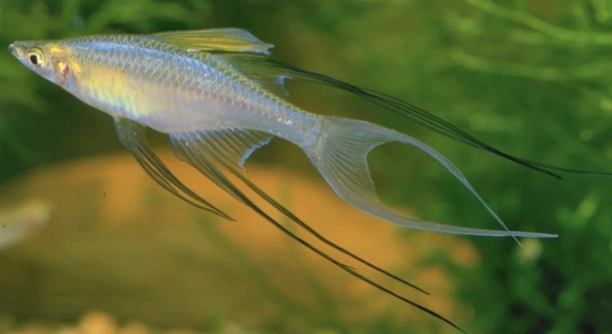
Do you keep threadfin rainbowfish and notice them gulping at the water surface more than usual? Observing this behavior can be worrying, especially if you are unsure about the underlying causes affecting their health and comfort in the tank.
Gulping in threadfin rainbowfish can result from multiple factors, including low oxygen levels, poor water quality, overfeeding, stress, disease, improper tank setup, or sudden changes in water parameters. Identifying the exact cause is essential for maintaining fish health.
Understanding why your rainbowfish gulp frequently is important for preventing long-term problems. Each cause can affect your fish differently and requires specific care adjustments.
Low Oxygen Levels
Threadfin rainbowfish rely on well-oxygenated water to thrive. If the oxygen content in the tank is insufficient, fish may gulp at the surface to obtain air. Low oxygen levels can occur in crowded tanks, stagnant water, or when plants and algae consume too much oxygen at night. Tank temperature also affects oxygen solubility; warmer water holds less oxygen, which can trigger gasping behavior. Proper aeration, using air stones, filters, or water movement, can prevent oxygen shortages. Monitoring oxygen levels with a test kit ensures the tank maintains a safe environment for the fish. Regular maintenance, including partial water changes, helps reduce the risk of oxygen depletion. Observing fish behavior daily allows early detection of breathing difficulties, preventing more serious health problems. Addressing oxygen issues promptly is key to keeping threadfin rainbowfish active, healthy, and stress-free in their environment.
Low oxygen can cause serious stress and even death if not addressed quickly. Consistent aeration is essential.
Preventing low oxygen requires attention to tank setup and maintenance. Using multiple aeration sources and avoiding overcrowding supports healthy breathing. Keeping water cool and clean helps maintain stable oxygen levels, reducing gulping incidents and improving overall fish wellbeing.
Poor Water Quality
Dirty or imbalanced water directly affects threadfin rainbowfish health. High ammonia, nitrite, or nitrate levels can irritate gills, leading to gulping. Excess waste from overfeeding or decaying plants contributes to chemical imbalances. Maintaining stable pH and hardness is also important, as sudden fluctuations stress fish. Regular water changes, proper filtration, and careful monitoring reduce the risk of poor water conditions. Signs of poor water quality include lethargy, discoloration, and abnormal swimming behavior. Testing water parameters frequently ensures a safe environment. Avoid using harsh chemicals or cleaners that can harm sensitive fish. Keeping the tank environment clean and balanced supports respiratory efficiency and overall vitality, minimizing the need for surface gulping. Implementing a consistent maintenance routine helps maintain clarity and water quality for long-term fish health. Proper care prevents repeated stress episodes caused by water imbalances.
Maintaining clean, balanced water is crucial for fish health and comfort. Monitoring parameters prevents stress-related gulping.
To improve water quality, establish a filtration system that suits the tank size and fish population. Conduct partial water changes weekly, removing debris and replacing used water. Avoid overfeeding to reduce waste buildup, and remove decaying plant matter promptly. Using a test kit regularly allows for early detection of harmful chemical spikes. Stabilizing pH, ammonia, nitrite, and nitrate levels keeps the environment healthy, reducing stress and respiratory strain. Additionally, introducing live plants or beneficial bacteria can naturally support water quality by absorbing excess nutrients. Fish respond positively to consistent care, showing more active swimming and less surface gulping. With careful observation and proper maintenance, water quality issues can be minimized, ensuring threadfin rainbowfish thrive without breathing difficulties.
Overfeeding
Overfeeding is a common cause of gulping in threadfin rainbowfish. Excess food decomposes, polluting water and stressing fish. Fish may gulp at the surface as their digestive system struggles or due to low oxygen caused by decaying food.
Feeding too much at once can overwhelm fish digestion, leading to bloating and discomfort. Uneaten food breaks down, increasing ammonia and nitrite levels, which irritate gills. This chemical buildup reduces oxygen availability, causing fish to gasp for air. Small, measured feedings multiple times a day help prevent these issues. Removing leftover food promptly and monitoring portions ensures fish eat only what they can digest, maintaining water quality and fish health.
Managing feeding carefully also reduces long-term health risks. Over time, consistent overfeeding can weaken immune systems, make fish prone to disease, and increase stress levels. Proper portioning improves appetite regulation and encourages natural foraging behavior. By observing fish eating habits and adjusting food amounts, gulping behavior caused by digestive or environmental stress can be minimized, keeping threadfin rainbowfish comfortable and healthy.
Stress
Threadfin rainbowfish may gulp when experiencing stress from sudden changes, tank mates, or environmental disturbances. Stress can weaken immunity, making fish more sensitive to oxygen fluctuations and water quality issues.
Stress can arise from overcrowding, aggressive tank mates, loud noises, or abrupt lighting changes. Fish respond by gulping, hiding, or erratic swimming. Providing a stable environment with adequate hiding spots, compatible companions, and consistent light cycles reduces stress. Monitoring fish behavior helps detect stress early, allowing timely adjustments to tank conditions.
Long-term stress affects growth, reproduction, and overall vitality. Chronic stress can make fish susceptible to infections and disease outbreaks. Ensuring a calm environment, consistent feeding schedules, and clean, stable water mitigates stress impacts. Regular observation allows you to identify subtle stress indicators before serious health problems develop. Adjusting tank setup gradually and avoiding sudden changes maintains a secure environment. By minimizing stress, gulping behavior caused by environmental or social pressures can be significantly reduced, supporting healthier, more active rainbowfish in the aquarium.
Disease
Gulping can indicate illness in threadfin rainbowfish. Gill infections, parasites, or bacterial diseases can make breathing difficult, causing fish to surface for air. Early detection and treatment are critical to prevent worsening health.
Observing changes in color, behavior, or appetite helps identify disease. Quarantining affected fish and consulting appropriate treatments can reduce spread and support recovery.
Improper Tank Setup
Tank size, decorations, and water flow directly impact fish comfort. Small or cluttered tanks can stress rainbowfish, prompting gulping. Maintaining an appropriate, well-arranged environment ensures adequate swimming space and proper circulation.
Sudden Changes in Water Parameters
Threadfin rainbowfish are sensitive to abrupt shifts in temperature, pH, or hardness. Rapid changes cause stress, affecting gill function and oxygen uptake. Consistently monitoring water and adjusting conditions gradually reduces gulping behavior.
FAQ
Why is my threadfin rainbowfish gulping at the surface?
Gulping often indicates low oxygen or stress in the tank. Fish may also respond to poor water quality, overfeeding, or disease. Observing their environment and behavior can help pinpoint the cause. Maintaining clean, oxygenated water and consistent tank conditions reduces surface gulping.
How can I improve oxygen levels in my aquarium?
Adding air stones, filters, or water pumps increases circulation and oxygen availability. Avoid overcrowding and keep the water temperature stable, as warmer water holds less oxygen. Partial water changes also support oxygen levels while removing harmful waste buildup.
Could overfeeding really cause gulping?
Yes, excess food decomposes in the tank, reducing oxygen and increasing ammonia. This irritates gills and stresses fish. Feeding small portions, removing uneaten food, and monitoring feeding habits prevents digestive and environmental issues that trigger gulping.
What diseases might cause gulping in threadfin rainbowfish?
Gill infections, parasites, or bacterial infections can interfere with breathing, leading to gulping. Look for color changes, lethargy, or abnormal swimming. Prompt isolation and treatment with proper medication or water adjustments can prevent the disease from spreading.
How does stress affect my fish’s breathing?
Stress from overcrowding, aggressive tank mates, sudden lighting, or tank changes can make fish more sensitive to oxygen fluctuations. Stressed fish may gulp, hide, or swim erratically. Creating a stable, calm environment with hiding spots reduces stress-related gulping.
Can tank setup influence gulping behavior?
Yes, small or cluttered tanks limit swimming space and reduce water flow, causing oxygen shortages. Properly sizing the tank, arranging decorations to allow movement, and maintaining steady filtration supports healthy breathing and reduces gulping.
Are sudden changes in water parameters dangerous?
Rapid changes in temperature, pH, or hardness shock rainbowfish, affecting gill function and oxygen absorption. Gradual adjustments, frequent testing, and stable conditions help prevent stress-related gulping and long-term health problems.
How do I know if water quality is poor?
Indicators include cloudy water, strong odors, elevated ammonia, nitrite, or nitrate levels, and unusual fish behavior like gulping or lethargy. Regular testing, partial water changes, and proper filtration maintain a clean, balanced environment.
Can multiple causes combine to make fish gulp?
Yes, low oxygen, stress, poor water quality, overfeeding, and disease can act together, worsening gulping behavior. Identifying and correcting each factor improves fish comfort and health, preventing long-term complications.
What daily practices help prevent gulping?
Monitor fish behavior, maintain clean water, avoid overfeeding, provide proper tank size, and ensure aeration. Observing subtle changes early allows you to adjust conditions before gulping becomes severe or chronic.
How quickly should gulping be addressed?
Prompt attention is essential. Ignoring gulping may indicate serious issues like oxygen deprivation or illness. Early intervention with water adjustments, proper feeding, and treatment supports recovery and prevents long-term damage.
Are there any long-term effects if gulping continues?
Chronic gulping can indicate prolonged stress, poor oxygen, or disease. Over time, it weakens the immune system, reduces growth, and increases vulnerability to infections. Correcting environmental and health issues early ensures healthier, more active rainbowfish.
Can live plants help reduce gulping?
Yes, live plants naturally produce oxygen during daylight and absorb excess nutrients, improving water quality. Adequate planting combined with proper aeration supports respiration and reduces surface gulping. Balance is key to avoid overcrowding the tank.
Should I change my feeding routine if gulping occurs?
Adjust feeding to smaller, frequent portions. Remove leftover food promptly to prevent ammonia buildup. Observe how fish respond and gradually reintroduce normal feeding once the environment stabilizes. Proper nutrition and moderation prevent digestive stress and gulping.
Is water temperature critical for preventing gulping?
Yes, warmer water holds less oxygen, increasing surface gulping. Maintain temperatures suitable for threadfin rainbowfish and avoid sudden fluctuations. Consistent monitoring and heating or cooling adjustments help keep fish comfortable and reduce stress.
Can compatible tank mates reduce gulping?
Peaceful, similarly sized fish reduce stress and competition for oxygen. Aggressive or larger fish can intimidate rainbowfish, causing stress-related gulping. Choosing suitable companions supports calm, healthy tank dynamics.
What signs indicate that gulping is becoming serious?
Rapid or continuous surface gulping, lethargy, abnormal swimming, gill discoloration, or loss of appetite signal severe stress or illness. Immediate intervention is necessary to prevent irreversible damage or death.
How do I treat gill infections that cause gulping?
Treat with appropriate medications for bacterial or parasitic infections after isolating affected fish. Ensure clean, oxygenated water and follow treatment instructions carefully. Early detection improves recovery and reduces the risk of spreading to other fish.
Are there any preventive measures for gulping?
Maintain stable water conditions, avoid overfeeding, provide proper tank size, add aeration, and monitor fish behavior regularly. Preventing stress, disease, and poor water quality is the most effective way to reduce gulping incidents.
Can regular observation help?
Yes, monitoring behavior, appetite, and swimming patterns allows early identification of issues. Quick action prevents minor problems from escalating into serious health threats, keeping threadfin rainbowfish healthy and comfortable.
Final Thoughts
Threadfin rainbowfish are delicate, active fish that rely on a stable, clean environment to thrive. Gulping at the water surface is often a sign that something in their habitat is not optimal. While occasional surface breathing can occur naturally, frequent gulping usually indicates an underlying issue, such as low oxygen levels, poor water quality, overfeeding, stress, disease, or sudden changes in water parameters. Understanding these factors is essential for keeping your fish healthy and ensuring they display their natural, vibrant behavior. Paying attention to water parameters, observing fish daily, and maintaining proper feeding habits are small but crucial steps in preventing frequent gulping. Proper tank size, clean water, and good aeration all work together to create a comfortable environment that supports healthy respiration and overall wellbeing.
Addressing gulping behavior requires a combination of careful observation and consistent maintenance. Low oxygen levels are one of the most common reasons fish surface for air, and adding air stones, filters, or water movement can help. At the same time, water quality plays a significant role. High ammonia, nitrite, or nitrate levels, along with pH fluctuations, can irritate gills and make breathing difficult. Overfeeding adds another layer of risk by increasing waste and reducing water quality, which further impacts oxygen availability. Stress from overcrowding, aggressive tank mates, or sudden environmental changes can worsen the situation, making fish more sensitive to even minor water issues. Disease is also a serious concern, with gill infections and parasites directly affecting respiration. Identifying and addressing these factors promptly can prevent serious health problems and improve the overall vitality of your rainbowfish.
Maintaining a consistent routine is the best way to reduce gulping incidents and ensure long-term fish health. Regular water testing, partial water changes, and proper feeding schedules help prevent environmental stressors that lead to surface gulping. Providing enough swimming space, a well-structured tank layout, and compatible tank mates reduces social stress, while monitoring behavior allows early intervention if problems arise. Even small adjustments, like gradually changing water temperature or pH, can make a noticeable difference in fish comfort. Supporting natural oxygen levels with plants, aeration, and proper filtration creates an environment where threadfin rainbowfish can thrive without relying on surface gulping. With attentive care and consistent monitoring, these fish can remain active, healthy, and vibrant, reflecting a well-balanced and carefully maintained aquarium.

Hello,
If you enjoy the content that we create, please consider saying a "Thank You!" by leaving a tip.
Every little bit helps us continue crafting quality advice that supports the health, happiness, and well-being of pets around the world, for pets of all shapes, sizes, and species.
We really appreciate the kindness and support that you show us!