
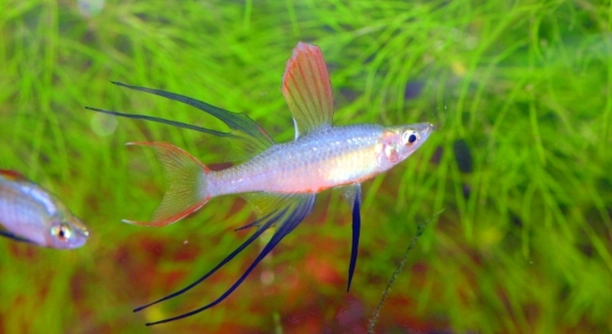
Threadfin Rainbowfish are colorful and active freshwater fish that many hobbyists enjoy keeping. Their playful movements and schooling behavior make them a lively addition to home aquariums, sparking interest in their habits and memory.
Threadfin Rainbowfish have the ability to remember tank layout to some extent. They can recognize familiar structures, adjust their swimming patterns, and navigate efficiently, indicating spatial memory influenced by consistent environmental cues and repeated exposure to their surroundings.
Learning about how these fish remember their environment can help improve tank setup, enrichment, and overall well-being, making their care both engaging and more effective for enthusiasts.
How Threadfin Rainbowfish Learn Their Tank Layout
Threadfin Rainbowfish rely on their senses to navigate their environment. They use vision, memory, and spatial awareness to recognize landmarks like plants, rocks, or decorations. Repeated swimming through the same paths helps them build a mental map of the tank. Changes in tank structure can temporarily confuse them, but over time, they adjust to new layouts. Bright colors and movement in the tank catch their attention, making it easier for them to remember safe zones and hiding spots. Providing consistent features like a particular plant cluster or a rock formation helps reinforce their memory. They may spend time exploring the same areas repeatedly, which shows they are processing their surroundings. Observing their swimming patterns can indicate how well they have memorized the layout. Regular feeding in the same spots also strengthens memory and encourages predictable movement patterns. This behavior shows that even small freshwater fish can exhibit complex memory skills.
Consistent tank decorations help Threadfin Rainbowfish recognize their environment and feel secure, promoting smoother daily activity and less stress in the aquarium.
By understanding how these fish remember their space, caretakers can optimize tank design. Gradual changes are easier for them to adapt to, while abrupt shifts can lead to confusion and stress. Simple arrangements like consistent hiding places and visual landmarks make their environment predictable. Observing their swimming habits over time can reveal which areas they prefer and how they respond to new objects. Feeding routines also support memory, as fish associate locations with food availability. The mental mapping these fish perform is a sign of cognitive capability in small species. Encouraging exploration in a controlled way stimulates their brain while keeping them safe. Over time, fish that have a stable layout will move confidently, while those in constantly changing tanks may show hesitation. Providing familiar structures and repeating patterns helps maintain their comfort and supports natural behaviors like schooling, hiding, and territoriality. Recognizing these habits allows for better aquarium management and enhances the overall health and activity of Threadfin Rainbowfish.
Tips to Improve Tank Memory
Stable decorations and consistent feeding routines enhance the fish’s ability to remember the tank layout.
Introducing familiar objects gradually while keeping some constants supports learning. Using similar plants, rocks, or ornaments over time allows the fish to form clear mental maps. Avoid frequent major rearrangements, as these can disrupt established paths and increase stress levels. Placing food consistently helps reinforce spatial memory, while varied hiding spots encourage natural exploration. Observing their behavior can indicate which areas they have memorized and which require more time to adjust. Regular interaction with the tank, like gentle water changes and consistent lighting, also contributes to their comfort and learning. Providing balance between familiar and slightly new elements can keep them engaged while maintaining a sense of security.
Fish develop memory by repeatedly encountering consistent environmental cues. Visual landmarks, feeding spots, and safe hiding areas create reference points they can rely on. Threadfin Rainbowfish recognize these cues and use them to navigate efficiently, avoiding obstacles and predicting locations of food or shelter. Mental mapping is strengthened when the tank layout remains stable for extended periods. Even minor changes in placement can temporarily confuse them, but gradual adjustments allow learning without overwhelming stress. Observing swimming patterns, interactions with tank mates, and responses to new objects offers insight into their memory and adaptability. Rotating decorations slowly, while keeping familiar features, promotes cognitive engagement. Feeding routines timed consistently with specific locations also reinforce spatial recognition. Providing a mix of complexity and predictability supports natural behavior, reduces stress, and encourages confident movement. Fish exposed to varied but stable environments exhibit better problem-solving and navigation skills. Understanding these patterns enables caretakers to create a supportive habitat that promotes both mental stimulation and overall health.
Signs Your Threadfin Rainbowfish Remember Their Tank
Fish often swim confidently to familiar areas, avoiding obstacles and returning to favorite hiding spots. They may also react quickly to feeding cues or move predictably around landmarks, showing recognition of their environment.
Observing daily behavior reveals how well Threadfin Rainbowfish remember their tank layout. Consistent swimming routes, repeated visits to preferred hiding spots, and quick reactions to food indicate strong spatial memory. Fish that recognize their environment tend to explore safely and interact naturally with tank mates. Sudden changes in layout may cause hesitation, while a stable environment encourages routine movement and reduces stress. Watching these patterns over weeks can provide insight into their memory retention.
Behavioral cues, like schooling near specific areas or returning to a particular corner after exploring, suggest that the fish have mapped their surroundings. This memory allows them to navigate efficiently and feel secure. Monitoring these habits helps adjust tank setup to support comfort and cognitive engagement.
How Tank Changes Affect Memory
Major rearrangements can temporarily confuse fish and increase stress, while minor, gradual changes are easier for them to adapt to.
Threadfin Rainbowfish rely on visual landmarks to navigate their space. Sudden movement of plants, decorations, or rocks can disrupt their mental map, causing hesitation or repeated exploration. Gradual adjustments allow them to learn new paths without overwhelming stress. Even small modifications, like shifting a single ornament or plant, should be done slowly. Maintaining some consistent reference points, such as a favorite rock or plant cluster, helps them adjust more smoothly. Repetition of feeding locations and predictable routines reinforce memory during changes. Observing their reactions during rearrangements can guide future modifications.
By understanding their responses, caretakers can balance novelty with stability. Fish exposed to consistent reference points recover faster from changes. Combining familiar landmarks with slight variations stimulates cognitive engagement and encourages exploration. Keeping favorite hiding spots intact helps reduce anxiety, while regular routines reinforce spatial memory. Gradual introduction of new elements, like plants or ornaments, allows fish to form new mental maps without stress. Predictable feeding locations further support memory retention, guiding them through the altered layout confidently. Watching swimming patterns and reactions provides insights into their adaptability, ensuring both comfort and stimulation in a changing environment.
Environmental Factors That Influence Memory
Lighting plays an important role in how fish remember their surroundings. Consistent light cycles help them recognize landmarks and navigate confidently throughout the tank.
Water quality also impacts memory. Stable temperature, pH, and cleanliness reduce stress, allowing Threadfin Rainbowfish to focus on learning their environment rather than reacting to discomfort.
Feeding and Memory Reinforcement
Regular feeding routines strengthen spatial memory in Threadfin Rainbowfish. Placing food in consistent spots helps them associate locations with rewards, encouraging predictable swimming patterns. Over time, they learn to return quickly to these areas, demonstrating clear recognition of the tank layout. Feeding at the same times each day reinforces these behaviors, supporting both cognitive engagement and comfort.
Social Interactions and Learning
Schooling behavior influences how fish remember their environment. Observing tank mates provides additional cues about safe routes and preferred areas.
FAQ
Can Threadfin Rainbowfish recognize the same hiding spots over time?
Yes, they can. Threadfin Rainbowfish use visual landmarks and repeated exposure to remember safe zones in the tank. Once they associate a location with safety or comfort, they tend to return to it consistently. Regular placement of decorations, plants, and rocks strengthens this memory.
How long does it take for them to remember a new tank layout?
The adjustment period varies depending on the complexity of the layout and the individual fish. Generally, small changes may be learned within a few days, while more significant rearrangements can take one to two weeks. Gradual modifications help reduce stress and improve learning speed.
Do all Threadfin Rainbowfish have the same memory capacity?
No, memory capacity can differ slightly among individual fish. Factors like age, health, and activity level influence their ability to remember landmarks. Younger, more active fish may explore and adapt faster, while older or stressed fish may take longer to learn the layout.
Does feeding routine affect memory?
Yes, feeding routine plays a key role. Placing food consistently in the same areas reinforces spatial recognition. Fish learn to associate specific locations with food, improving mental mapping. Predictable routines reduce stress and encourage regular movement around the tank, strengthening memory retention over time.
Will sudden changes in the tank cause long-term confusion?
Temporary confusion can occur, but long-term effects are rare if the tank maintains some consistent elements. Fish adapt more quickly when at least a few landmarks remain familiar. Avoiding abrupt, complete rearrangements helps them retain mental maps while adjusting to new layouts gradually.
Can they remember interactions with tank mates?
Yes, social interactions influence behavior and memory. Schooling fish observe the actions of others, which helps them identify safe routes and preferred areas. This shared learning supports their ability to navigate efficiently and reduces stress in larger groups.
How does lighting influence their memory?
Consistent lighting cycles help Threadfin Rainbowfish distinguish landmarks and maintain daily routines. Sudden changes in brightness or duration can disrupt their perception of the environment. Stable lighting supports both spatial memory and natural behaviors, such as feeding and hiding.
Do environmental stresses affect memory?
Definitely. Poor water quality, fluctuating temperatures, or overcrowding can make fish focus on discomfort rather than learning. Maintaining clean water, proper temperature, and adequate space ensures they can remember the tank layout effectively without added stress.
Can they remember multiple areas in large tanks?
Yes, in larger tanks, Threadfin Rainbowfish can map multiple zones, especially if landmarks are clear. They divide the space into familiar regions, returning to favorite hiding spots, feeding zones, or swimming paths. Providing visual cues throughout the tank improves navigation and reduces anxiety.
How can I help them adapt to a new layout?
Gradual changes are key. Move one plant or decoration at a time and keep a few familiar elements in place. Consistent feeding spots and gentle observation help fish adjust without confusion. Over time, they will integrate new structures into their mental map while maintaining confidence in familiar areas.
Are there signs they are struggling with memory?
Yes, hesitation, repeated circling, or excessive hiding can indicate confusion. Fish may also avoid areas that were previously familiar. Observing their behavior after changes helps identify if adjustments are too abrupt. Ensuring consistency and gradually introducing new features supports learning and reduces stress.
Does age affect their ability to remember the tank layout?
Older fish may take longer to adapt to new arrangements but still retain memory of familiar areas. Younger fish are often quicker to explore and adjust. Age-related differences highlight the importance of gradual changes and consistent landmarks for maintaining confidence and reducing stress.
Can enriched environments improve memory?
Yes, providing plants, rocks, and varying textures encourages exploration and cognitive engagement. Enriched tanks give fish more reference points to learn from, supporting stronger mental maps. Offering a balance of stable landmarks and moderate variation helps Threadfin Rainbowfish remember their environment efficiently while staying active.
How often should I monitor their behavior to assess memory?
Daily observation is recommended, especially after changes. Watch swimming patterns, reactions to feeding, and interactions with tank mates. Tracking these behaviors over time helps identify areas of confusion or comfort, allowing adjustments that support memory retention and overall well-being.
Does schooling improve spatial memory?
Yes, fish in groups often learn from each other. Following others’ paths and observing reactions helps individuals recognize safe zones and feeding areas. Schooling provides additional cues that reinforce memory, making navigation more efficient and reducing anxiety in unfamiliar or changing environments.
Are some tank decorations better for memory than others?
Decorations that provide clear shapes, contrasts, or hiding spots work best. Consistent placement of plants, rocks, or ornaments helps fish build mental maps. Avoid overly cluttered or constantly changing setups, as these can confuse fish and reduce their ability to recognize familiar areas effectively.
Can they remember previous tank layouts if moved back?
Yes, if the changes were not too frequent and landmarks remained familiar, they can recall previous layouts. Fish rely on repeated exposure and visual cues to navigate, so returning decorations to earlier positions often restores familiar swimming patterns and comfort zones.
How does stress from tank mates affect memory?
Aggressive or overly active tank mates can distract or intimidate Threadfin Rainbowfish, making it harder for them to focus on spatial learning. Ensuring compatible companions and adequate space reduces stress, allowing better memory retention and safer navigation within the tank.
Can they learn new routes over time?
Yes, Threadfin Rainbowfish are capable of learning new routes gradually. Repetition, stable landmarks, and consistent feeding locations help them adapt. Introducing changes slowly ensures they integrate new pathways without losing confidence or becoming overly stressed.
Is memory affected by illness?
Illness can impair spatial memory temporarily. Sick or stressed fish may show hesitation, reduced exploration, or difficulty finding familiar areas. Maintaining proper care, clean water, and prompt treatment helps restore normal behavior and memory function once recovery begins.
Do they prefer certain areas of the tank when remembering layout?
Yes, fish often show preference for areas near consistent decorations, plants, or feeding zones. Favorite spots provide safety and comfort, reinforcing spatial memory. Observing these preferences helps in planning tank layout to support confident movement and reduce stress.
How can I test their memory without stressing them?
Simple observation of their swimming patterns, reactions to feeding, and use of familiar hiding spots can indicate memory. Avoid forcing exploration or making abrupt changes. Gentle monitoring over time gives insight into their ability to remember and adapt to their environment naturally.
Are there differences between males and females in memory?
Generally, memory capacity is similar between sexes. Differences are more influenced by individual behavior, activity level, and social interactions than gender. Both males and females use landmarks and routines to navigate and remember the tank layout effectively.
Does tank size impact their memory?
Yes, larger tanks require fish to navigate more space, so clear landmarks and consistent feeding spots are important. Small tanks are easier to memorize, but providing visual cues in any size helps fish establish mental maps and reduces confusion when exploring.
Can repeated exposure improve memory?
Absolutely. Consistent interaction with the same environment strengthens mental mapping. Repetition helps fish recognize safe zones, feeding spots, and favorite hiding areas. Gradual changes combined with repeated exposure promote learning without causing stress or disorientation.
Do they remember objects that are removed or relocated?
They may remember previous positions for a short period but will adjust to new locations over time. Temporary disorientation can occur, but maintaining some familiar landmarks and introducing changes slowly helps fish adapt and integrate new arrangements into their memory.
How important is routine in supporting memory?
Routine is very important. Consistent feeding times, placement of decorations, and predictable environmental conditions help Threadfin Rainbowfish develop strong mental maps. Routine reduces stress, encourages natural behavior, and allows them to navigate confidently throughout their tank.
Can stress from sudden noises affect memory?
Yes, loud or sudden noises can startle fish, making them temporarily forget familiar paths. A calm environment helps reinforce memory and supports natural behavior. Over time, repeated disturbances may slow learning, so maintaining quiet surroundings is beneficial.
Do they use smell to remember areas?
While vision is primary, scent cues can assist recognition. Familiar feeding areas or water flow patterns provide additional information. Combining visual and olfactory cues enhances memory, allowing fish to navigate more confidently and respond predictably to their environment.
How can I support their memory as they age?
Keep tank layout stable, maintain clear landmarks, provide consistent feeding routines, and monitor health closely. Gentle changes, enriched environments, and minimal stress help older Threadfin Rainbowfish retain mental maps and remain confident navigating their space.
Are there tools or techniques to enhance their memory naturally?
Yes, visual landmarks, structured feeding routines, gradual introduction of new objects, and maintaining stable water conditions all support natural memory development. Observing their behavior helps fine-tune the environment for optimal learning and comfort.
Can memory loss occur in Threadfin Rainbowfish?
Severe stress, illness, or constant, abrupt environmental changes can temporarily impair memory. With proper care, consistent surroundings, and gradual adjustments, most fish recover their spatial awareness and adapt effectively over time.
How do tank mates influence memory development?
Observing and interacting with other fish helps reinforce safe paths and preferred zones. Schooling behavior provides additional cues that improve navigation skills. Compatible tank mates reduce stress, supporting both memory retention and natural swimming patterns.
Can memory differ between individual tanks?
Yes, tank size, complexity, decoration types, and environmental stability influence memory formation. Fish in stable, enriched tanks with consistent routines tend to remember layouts more effectively than those in frequently changed or barren setups.
Do they respond differently to familiar versus new objects?
Yes, familiar objects elicit confident navigation, while new objects may prompt caution or exploration. Gradual introduction of new decorations allows fish to learn without excessive stress, integrating them into their mental map.
Is memory linked to overall health?
Absolutely. Healthy fish with stable water conditions, proper nutrition, and minimal stress demonstrate stronger spatial memory. Poor health can reduce confidence, exploration, and ability to remember familiar areas.
Can environmental enrichment improve learning speed?
Yes, enrichment provides visual cues, hiding spots, and mild challenges that promote exploration. Fish navigate more actively, reinforcing memory and supporting cognitive development. A balanced approach ensures stimulation without causing confusion or stress.
Are feeding experiments helpful for testing memory?
Yes, placing food in specific locations at consistent times helps assess recognition of familiar areas. Fish returning to these spots predictably demonstrate memory retention and can indicate how effectively they navigate their tank.
Do water changes affect memory?
Routine water changes generally do not disrupt memory if decorations and landmarks remain consistent. Sudden, drastic changes in flow or environment can cause temporary confusion, but gradual adjustments allow fish to maintain spatial awareness.
How can I reduce stress while supporting memory?
Keep a stable environment, maintain consistent feeding routines, introduce changes gradually, and monitor water quality. Reducing stress allows Threadfin Rainbowfish to focus on learning and navigating their tank confidently.
Can memory be improved with repetition alone?
Yes, repeated exposure to landmarks, hiding spots, and feeding areas strengthens mental mapping. Gradual, consistent routines enhance spatial memory without overwhelming the fish.
Do Threadfin Rainbowfish rely more on visual or social cues for memory?
Both are important. Visual landmarks guide navigation, while observing tank mates reinforces safe paths and preferred zones. Combining these cues ensures effective learning and confident movement in the tank.
Are there signs they have fully adapted to a new layout?
Confident swimming, regular use of hiding spots, quick response to feeding cues, and predictable movement indicate successful adaptation. Fish explore without hesitation and maintain comfort even when minor adjustments are introduced.
How do changes in tank size impact memory formation?
Larger tanks require clearer landmarks and consistent reference points. Fish divide the space into zones, using familiar areas to navigate efficiently. Small tanks are easier to memorize, but consistent routines support learning in any size setup.
Can individual fish remember areas differently within the same tank?
Yes, personal preferences, activity level, and personality influence how they map their environment. Some may favor certain zones while others explore more broadly. Observing each fish provides insight into memory and behavior patterns.
Do hiding spots play a major role in memory?
Yes, favorite hiding spots act as anchors for mental mapping. Fish remember these areas for safety, resting, and exploration, making them essential for spatial memory and stress reduction.
How can I tell if memory training is working?
Observe swimming patterns, response to feeding, use of hiding spots, and confidence in navigation. Predictable and consistent behavior over time indicates successful memory retention and adaptation to the tank layout.
Are there environmental cues that disrupt memory?
Frequent rearrangements, poor lighting, loud noises, and fluctuating water parameters can interfere with memory formation. Minimizing disruptions and maintaining stable conditions supports strong spatial awareness and natural behaviors.
Can memory decline over time?
Minor declines may occur with age or illness, but consistent care, stable environments, and gradual changes help maintain mental mapping and navigation confidence throughout their life.
Is it beneficial to combine feeding routines with environmental enrichment?
Yes, pairing consistent feeding with visual landmarks or hiding spots reinforces spatial memory. Fish learn associations between locations, objects, and rewards, enhancing both cognitive engagement and comfort.
Do fish remember areas where they experienced stress?
Yes, negative experiences can make them cautious or avoid certain zones. Gradual reintroduction and consistent safe areas help them overcome anxiety and regain confidence in navigating those parts of the tank.
Are there specific behaviors that indicate strong memory?
Predictable swimming paths, quick recognition of feeding spots, consistent use of hiding areas, and minimal hesitation in familiar zones indicate well-developed spatial memory.
Can memory be influenced by tank complexity?
Yes, more structured environments with clear landmarks improve learning, while overly cluttered or barren tanks may reduce their ability to navigate and remember areas effectively.
Does social hierarchy affect memory?
Dominant fish may influence how others navigate and remember locations. Subordinate fish often follow routes established by leaders, integrating these paths into their mental maps.
Can memory retention vary day to day?
Yes, stress, health, water conditions, and environmental changes can temporarily affect memory. Maintaining stable conditions supports consistent navigation and reinforces learned behaviors.
Are visual contrasts important for memory?
Yes, fish use differences in shape, color, and texture to identify landmarks. High-contrast objects are easier to recognize and remember, improving spatial mapping and confidence in movement.
Do they adapt faster to small changes than large ones?
Yes, minor adjustments like moving a single decoration are learned quickly, while major rearrangements require longer adaptation periods. Gradual changes reduce stress and maintain mental mapping.
Can memory skills improve over time?
Yes, repeated exposure, consistent routines, and stable environments enhance learning. Threadfin Rainbowfish develop stronger spatial awareness as they gain experience navigating their tank.
Does observing other fish accelerate learning?
Yes, following tank mates and mimicking their paths helps individuals recognize safe zones, feeding spots, and hiding areas more efficiently, reinforcing their own spatial memory.
Are there ways to measure memory without disturbing them?
Observation of swimming patterns, reactions to feeding, and use of landmarks allows assessment of memory naturally, without causing stress or interfering with daily behaviors.
Can they forget areas if left alone for a long time?
Memory may fade if fish are isolated or rarely interact with their environment. Regular exploration, consistent feeding, and stable landmarks help maintain long-term spatial recognition.
How does tank maintenance influence memory?
Routine cleaning and water changes are beneficial if landmarks remain consistent. Abrupt removal or relocation of decorations during maintenance can confuse fish, so gradual adjustments help preserve memory.
Are there differences in memory between indoor and outdoor tanks?
Indoor tanks generally provide more stable conditions, which supports consistent memory. Outdoor tanks may have more variable lighting and temperature, requiring careful management to maintain spatial awareness and comfort.
Can memory be improved by adding new objects slowly?
Yes, gradual introduction of new decorations allows fish to integrate them into their mental map without stress. Slowly rotating objects while keeping familiar landmarks ensures they can adapt confidently.
Does the number of fish in the tank impact memory?
Yes, larger groups provide social cues and reinforce navigation through observation. However, overcrowding can increase stress and reduce individual learning, so balance is key for optimal memory development.
Can memory support natural behaviors like schooling?
Yes, spatial memory helps Threadfin Rainbowfish maintain coordinated schooling, navigate efficiently, and use hiding spots effectively, supporting both safety and natural activity patterns.
Is memory linked to feeding efficiency?
Yes, remembering feeding locations allows fish to respond quickly and efficiently. Strong spatial awareness reduces stress, ensures access to food, and supports routine behavior.
Do changes in water flow affect memory?
Sudden shifts in current can disrupt familiar swimming paths. Gradual changes allow fish to adapt while maintaining recognition of landmarks and preferred zones, minimizing confusion.
Can older fish still learn new layouts?
Yes, though adaptation may take longer. Stable landmarks, gradual changes, and consistent feeding routines help older fish integrate new elements into their mental maps confidently.
Are some species better at remembering tank layouts than others?
Yes, species with more active exploratory behavior or schooling tendencies, like Threadfin Rainbowfish, tend to develop stronger spatial memory compared to less active or solitary species.
Can memory training reduce stress in new tanks?
Yes, maintaining stable landmarks, consistent routines, and gradual changes allows fish to learn the layout safely, reducing anxiety and promoting confident navigation in unfamiliar environments.
Does tank size limit memory capacity?
Larger tanks require clear landmarks and reference points to navigate efficiently. Small tanks are easier to memorize, but consistent features and routines enhance memory in any setup.
Can memory retention be observed in feeding behavior?
Yes, fish returning to feeding spots predictably demonstrate recognition of location, showing effective spatial memory and learned routines.
Do they show memory differences between day and night?
Yes, lighting conditions influence behavior. Fish may rely more on memory at night, using familiar landmarks to navigate safely in lower visibility, while daytime exploration supports learning.
Are environmental patterns important for memory?
Yes, consistent patterns like plant arrangement, decoration placement, and feeding schedules help fish build reliable mental maps and navigate confidently.
Can memory improve with minimal stress?
Yes, a stable, enriched environment with predictable routines allows fish to learn efficiently, retain spatial awareness, and navigate their tank comfortably.
Do fish remember areas after illness?
Recovery allows them to gradually regain spatial memory. Stable landmarks and consistent feeding routines help restore confidence and familiarity with the tank layout.
Can memory affect social interactions?
Yes, fish that remember safe zones and routes interact more confidently with tank mates, supporting schooling, territorial behavior, and general well-being.
Are landmarks more important than open space?
Yes, visual cues like plants, rocks, and decorations provide reference points. Open areas are navigated using these landmarks, making memory more reliable and movement more confident.
Do fish adjust memory when tank mates change?
Yes,
Threadfin Rainbowfish are small but surprisingly capable when it comes to remembering their environment. Their ability to recognize familiar areas, favorite hiding spots, and feeding zones shows that even small freshwater fish have a degree of spatial memory. Observing their behavior can reveal how well they adapt to changes, navigate their tank, and interact with other fish. Fish that are given stable layouts and consistent routines tend to feel more secure and display confident swimming patterns, while those in frequently changed or cluttered tanks may show hesitation or repeated exploration of the same areas. Understanding these habits can help caretakers create an environment that encourages natural behavior and reduces stress, ultimately supporting the fish’s overall health and well-being.
Maintaining consistency is key for supporting memory in Threadfin Rainbowfish. Elements such as stable decorations, predictable feeding locations, and regular light cycles provide reference points that fish use to navigate their space. Gradual changes, rather than abrupt rearrangements, allow the fish to adjust without confusion. Social interactions also play a role, as observing tank mates provides additional cues about safe routes and preferred areas. By paying attention to the daily routines and preferences of these fish, caretakers can identify which areas are most familiar and comfortable for them. Over time, even minor adjustments can be introduced without causing undue stress, allowing the fish to learn and integrate new elements into their environment while maintaining a sense of security.
Ultimately, caring for Threadfin Rainbowfish involves balancing stability and enrichment. Providing clear landmarks, predictable routines, and consistent feeding patterns supports memory retention and encourages confident navigation. At the same time, introducing moderate variation keeps their environment engaging, stimulating natural exploration and cognitive development. Observing behavior, monitoring reactions to changes, and adjusting the tank thoughtfully ensures that the fish remain comfortable, active, and mentally engaged. Recognizing the ways in which Threadfin Rainbowfish remember and respond to their surroundings helps create a habitat that not only meets their basic needs but also fosters long-term health and natural behaviors, making the aquarium a well-organized and supportive space for these lively fish.

Hello,
If you enjoy the content that we create, please consider saying a "Thank You!" by leaving a tip.
Every little bit helps us continue crafting quality advice that supports the health, happiness, and well-being of pets around the world, for pets of all shapes, sizes, and species.
We really appreciate the kindness and support that you show us!